The dream of Madiwala Bio-diversity Park to come true soon

Coming soon near Madiwala lake: a butterfly park, a biodiversity park, walkways, amphitheaters and much more.

With an area of 272 acres, Madiwala lake is one of the three largest lakes in Bengaluru. Located in South Bengaluru, it comes under the administrative control of Karnataka Forest Dept (KFD) who is responsible for its upkeep and maintenance.
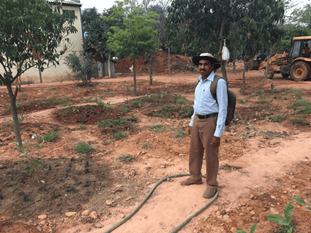
Butterfly park with the scientist for design and planting butterfly attracting plants.

The lake had a lot of hyacinth growth and sewage inflow, directly and indirectly from the open storm water drain (SWD) that runs inside the lake from South-west corner to North-east corner. Karnataka government decided in 2016 to develop it into a bio-diversity park, on the recommendation of Dr Kasturirangan, chairman of Karnataka Knowledge Commission.
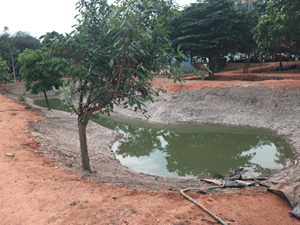
A pond near the butterfly park

With a sanctioned budget of Rs 24.72 crores, the work started in mid-2016 with aim to recreate sustainable living ecosystem, with native flora and fauna. The design of the bio-diversity park was done by Dr C R Babu from Department of Environmental Studies, Delhi University, a well-known environmentalist and the brain behind Yamuna Bio-diversity park and the like. Thanks to his keen interest and close monitoring, and support of Lake Development Authority and Forest Department, it is on its way to achieving this goal through sustained work.
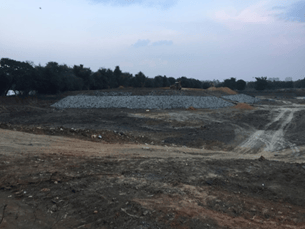
An island created and extension of water body (towards SNN Raj Lake View)
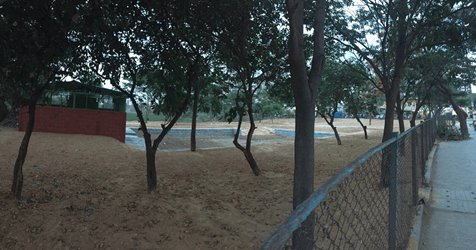
Waste leaves composting system

The lake has to be cleaned and desilting done, by pumping the water out which planned to be taken next year. Things in progress are:

  • Walkway all around the lake

  • Multiple access points at different points.

  • Development of a forest cover area with landscaping

  • A sewage treatment plant to treat part of sewage for feeding the lake with treated water from the STP.

  • Amphi-theatre and audio visual system for visitor’s gallery.

  • Children’s play area, food court

Related Articles

The deadly road to Madiwala…

Comments:

  1. Meghna says:

    Alas, this project is yet to materialize.

Leave a Reply

Your email address will not be published. Required fields are marked *

Similar Story

Explained: How Mumbai is losing its tree cover to infrastructure projects

Mumbai's landscape is changing with big infra projects. Experts suggest better use of government plots and improved street design to retain green cover.

Long before Mumbai’s relentless summer even began this year, the city was already simmering. In March, Mumbai was hit by a severe heatwave, with the temperature reaching a five-year high of 40° Celsius. As rapid urbanisation and a flurry of infrastructure projects replace dense tree cover with steel and mortar, heatwaves seem to have gone from being rare occurrences to an annual threat.   The Mumbai Metro Rail Corporation Limited (MMRCL) cut a whopping 3,093 trees in Aarey Colony to make way for Mumbai’s Aqua Line ( Metro 3). For environmentalist Stalin Dayanand, this is not just a temporary problem.…

Similar Story

Notes from the field: Why Begur Lake is losing its waterbirds

71% of waterbirds at Begur Lake are declining. A visit to one of Bengaluru’s rapidly deteriorating lakes shows what's causing the collapse.

During the Open City biodiversity datajam held in December 2025, our group examined the ecological trends around Bengaluru’s lakes. Our analysis suggests a majority of waterbirds are declining across the city's lakes. Earlier, we addressed crucial questions on how migrant and resident waterbirds are surviving across 14 of Bengaluru’s lakes, how the shape of the lakes influence microhabitats, and how a scoring system can be used to record the decline in lake quality and bird populations. The last of our four-part series turns its attention to an individual site. As part of this study of waterbirds in 14 city lakes,…