The dream of Madiwala Bio-diversity Park to come true soon

Coming soon near Madiwala lake: a butterfly park, a biodiversity park, walkways, amphitheaters and much more.

With an area of 272 acres, Madiwala lake is one of the three largest lakes in Bengaluru. Located in South Bengaluru, it comes under the administrative control of Karnataka Forest Dept (KFD) who is responsible for its upkeep and maintenance.
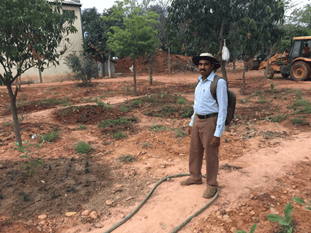
Butterfly park with the scientist for design and planting butterfly attracting plants.

The lake had a lot of hyacinth growth and sewage inflow, directly and indirectly from the open storm water drain (SWD) that runs inside the lake from South-west corner to North-east corner. Karnataka government decided in 2016 to develop it into a bio-diversity park, on the recommendation of Dr Kasturirangan, chairman of Karnataka Knowledge Commission.
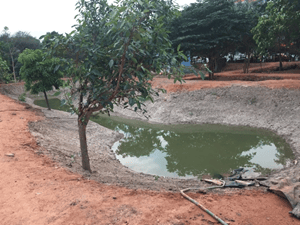
A pond near the butterfly park

With a sanctioned budget of Rs 24.72 crores, the work started in mid-2016 with aim to recreate sustainable living ecosystem, with native flora and fauna. The design of the bio-diversity park was done by Dr C R Babu from Department of Environmental Studies, Delhi University, a well-known environmentalist and the brain behind Yamuna Bio-diversity park and the like. Thanks to his keen interest and close monitoring, and support of Lake Development Authority and Forest Department, it is on its way to achieving this goal through sustained work.
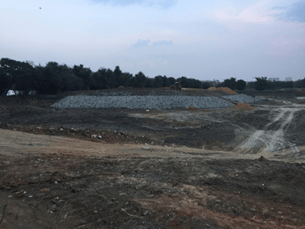
An island created and extension of water body (towards SNN Raj Lake View)
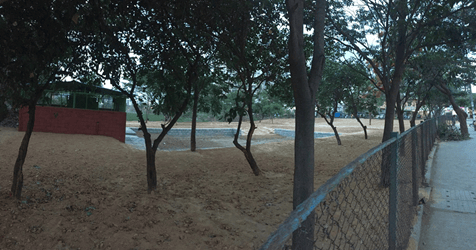
Waste leaves composting system

The lake has to be cleaned and desilting done, by pumping the water out which planned to be taken next year. Things in progress are:

  • Walkway all around the lake

  • Multiple access points at different points.

  • Development of a forest cover area with landscaping

  • A sewage treatment plant to treat part of sewage for feeding the lake with treated water from the STP.

  • Amphi-theatre and audio visual system for visitor’s gallery.

  • Children’s play area, food court

Related Articles

The deadly road to Madiwala…

Leave a Reply

Your email address will not be published. Required fields are marked *

Similar Story

Mumbaikars are fighting for their mangroves. Here’s how you can join them

Mumbai is about to face a monumental loss—its mangroves are being cut to build the coastal road. Citizens, however, have not given up the fight to save them.

​“What happens when we remove this natural infrastructure of the city? What happens if it floods? What happens if the air quality (index) goes really high?” asks Pooja Domadia, a member of the Save Mumbai Mangroves campaign. These are questions that many Mumbaikars have as work begins on the Versova-Bhayandar Coastal Road, which is set to affect 45,000 mangrove trees. In March this year, the Supreme Court dismissed a petition challenging the Bombay High Court order to greenlight the cutting of mangroves for the project. Is the SC decision a fatal blow to the movement? The BMC has already begun…

Similar Story

Where are the pollinators in Bengaluru?

Despite the volumes of citizen-generated data on the city's biodiversity, pollinators who sustain the urban ecosystem do not seem to be getting their due attention.

Urban biodiversity is often discussed in terms of tree cover, lakes, or flagship species, but far less attention is paid to pollinators—the insects and birds that quietly sustain urban ecosystems. In Bengaluru, a rapidly urbanising city with a strong culture of citizen science, large volumes of biodiversity data are now being generated by the public. But what does this data tell us about pollinators in the city? This article draws from a data jam hosted by OpenCity in Bengaluru that explored pollinator observations using publicly available, citizen-generated datasets. By analysing long-term observation records and spatial data on land use and…