When fifty-one-year-old Matilda Fonceca first wheeled herself through the gates of the Better World Shelter for women with disabilities in Chennai, she was not looking for transformation. She simply wanted a safe place to stay. The locomotor disability that has shaped her life since childhood has never stopped her from pursuing independence, yet it has often dictated how society has treated her. Much of her youth was spent moving between NGOs, where she learned early that institutions might make space for her, but rarely with her needs in mind.
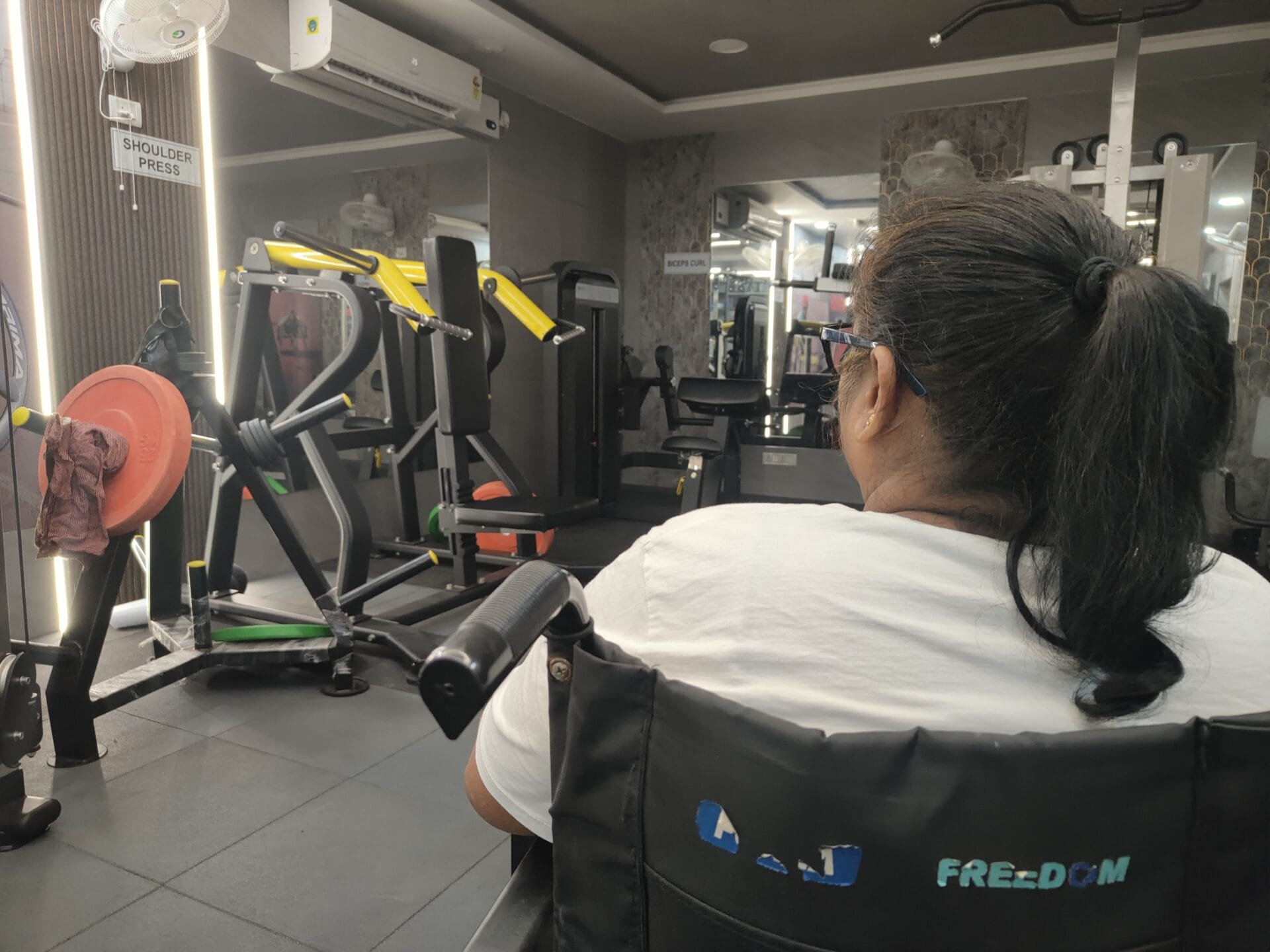
Before arriving here, Matilda lived an ordinary urban life, working night shifts at a multinational company and enduring long commutes. The immobility took a toll. “I gained a lot of weight due to night shifts and lack of movement for more than three years,” she recalls. Health complications pushed her to seek exercise, but accessible fitness facilities were scarce. “Most gyms are on top floors or have inaccessible equipment,” she says.
With guidance from friends, she took up wheelchair basketball in 2016. When she joined the Better World Shelter in 2017, she never imagined playing professionally. Today, as part of the shelter’s team, she is a national wheelchair basketball player.
Read more: Accessibility in crisis: Climate disasters expose neglect of persons with disabilities
Going beyond providing shelter
Her experience reflects a wider systemic crisis. As Dr Aiswarya Rao, Founder and Managing Director of Better World Shelter and disability rights advocate, explains, the gender gap in the disability community is stark. Literacy among disabled men stands at 55 per cent, compared to 45 per cent among disabled women. In India, marriage, often seen as a social safety net, rarely benefits women with disabilities, many of whom remain financially dependent on relatives despite earning.
Even within their homes, women with disabilities are often seen as a burden, and expected to cook, clean and care for children. Family members may take their pensions. Violence is alarming: physical abuse is twice as common, and sexual violence four times as likely. “For many, the home is not safe, but a place of confinement and risk,” says Dr Aiswarya.
In such a scenario, Better World Shelter offers more than a roof. It provides a path to independence, at each woman’s pace. Residents, usually rescued or referred, are aged 18–50 and have locomotor, visual, speech, hearing or burn-related disabilities, but can care for themselves.
A place for education, accessibility, care and safety
“The first step is documentation. Many arrive without proof of identity. We help secure disability certificates, Aadhaar cards, mobility aids and allowances,” explains V Lingesh, Operations Manager of the shelter. Long-term rehabilitation includes education, skill-building, employment assistance and, if chosen, marriage support. Since 2016, 50 women have married with the shelter’s help and continue to receive counselling.
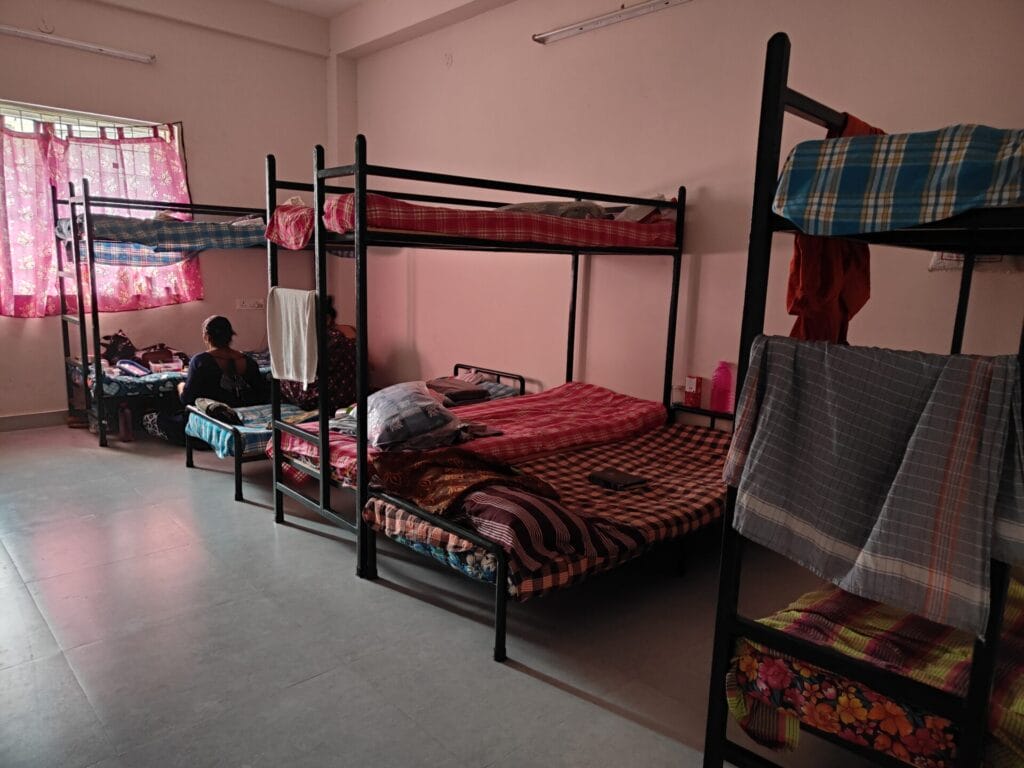
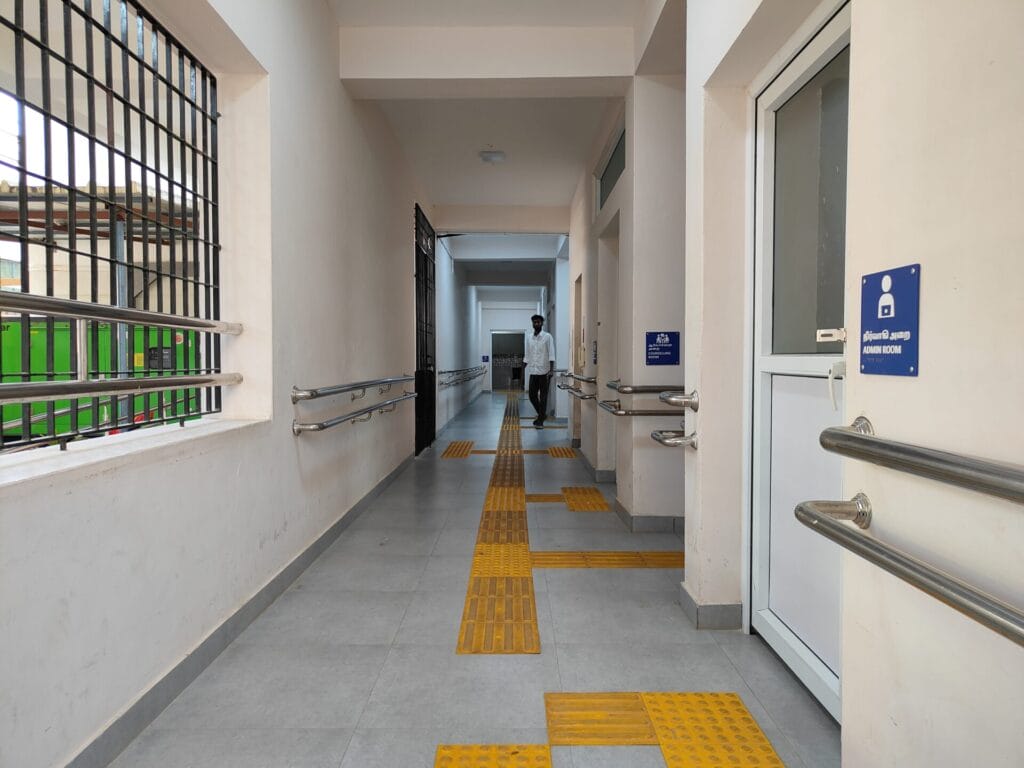
The building itself embodies this mission. Originally in an old GCC school, it was rebuilt over five years at a cost of ₹4.5 crore to ensure full accessibility. “Universal Accessibility Guidelines were not just referenced, but practised,” says Lingesh. The result: ramps, handrails, modified washrooms, an accessible kitchen and an adaptive gym.
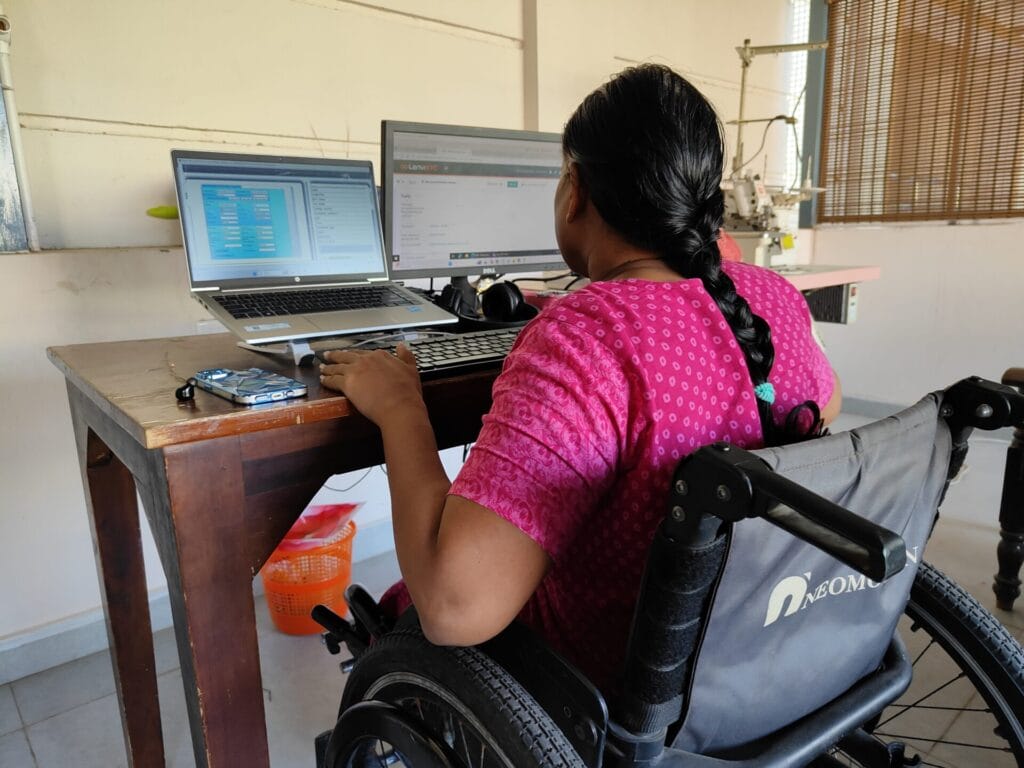
For Renuka, 37, with a locomotor disability from Andhra Pradesh, these systems bring everyday dignity. “In private hostels and old age homes in Chennai, we barely had one meal a day. Here I have free accommodation, three meals, Wi-Fi to work from home and accessible washrooms. I’m gaining the confidence to care for myself independently,” she says.
Measurable impact on the lives of women with disability
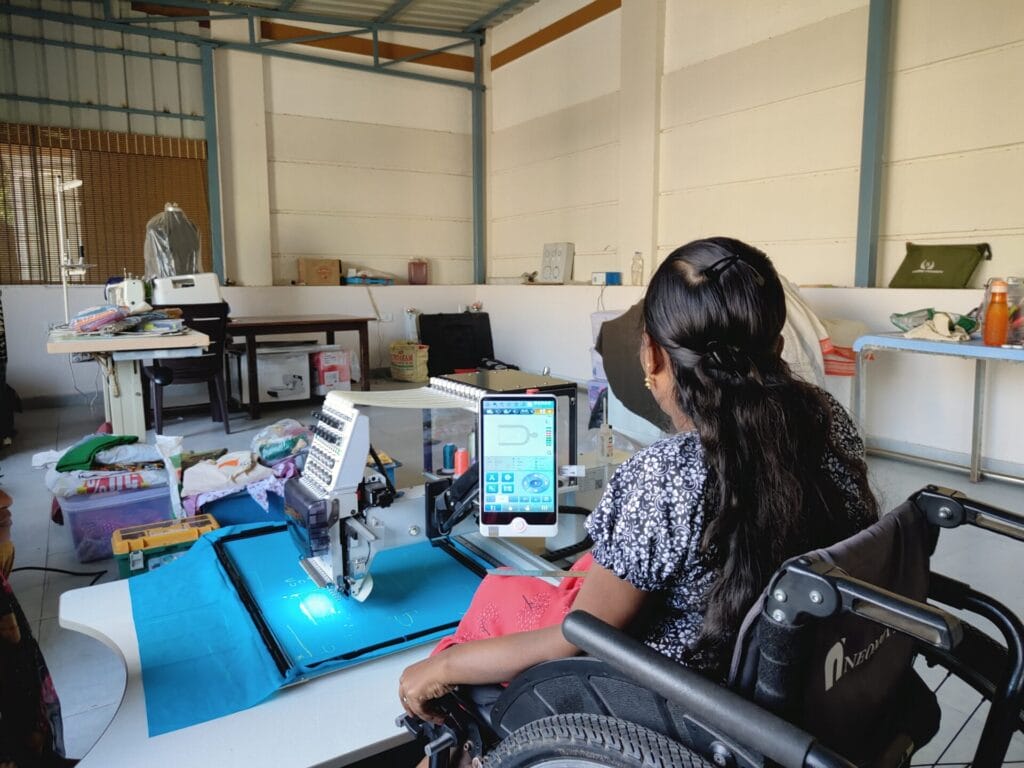
The shelter’s impact is not anecdotal. It is documented, consistent and far-reaching. Over ten years, 370 women have benefitted from long-term rehabilitation. Outcomes include higher education completion, government jobs, skill development, mobility aids, medical support and secure housing.
Sporting achievements stand out. “Two residents recently travelled to Cairo for a world championship, earned a bronze medal and were selected for the Los Angeles Paralympics,” says Dr Aiswarya. For athletes from low-income backgrounds and marginalised communities, these milestones are unprecedented and directly linked to safe housing, nutrition, coaching and adaptive equipment.
“For women with disabilities, fitness is not optional. WHO data shows that the life expectancy of persons with disabilities is twenty years less than those without disabilities. Exercise becomes a lifeline, which is why we set up an adaptive gym,” she adds. The in-house teams train in wheelchair basketball, para athletics, tennis, shot put and discus, with swimming planned.
The ripple effects reach public policy. Shelter residents petitioned for low-floor buses in Chennai, helped make Marina Beach accessible, and audited polling stations to enforce disability norms.
Even routine tasks such as securing government documents, ration cards, disability IDs and pensions have had transformative consequences. Many residents moved into employment or stable housing only because these basic entitlements were finally within reach.
Read more: Why persons with disability are unhappy with Chennai Metro
Limitations and insights from a decade long experience
Despite its success, the shelter recognises that it cannot fully address the scale of need. Rehabilitation is slow by design. “As per GCC SOP, we are expected to accommodate people for only six to eight months. This is a huge challenge. In six to eight months, we cannot reintegrate them. We cannot provide sustainable employment or long-term stability in such a short time,” says Lingesh.
Of the 60 current residents, at least 30 have been there for more than a year. “We have applied for housing through the Tamil Nadu Urban Habitat and Development Board. For that, we need ration cards. It is not easy to get a ration card for an unmarried woman with a disability. We must help them secure basic documents first. These processes take significant time,” Lingesh explains.
“GCC conducts a social audit once every two years. We presented nine years of data showing that reintegration takes a minimum of three to three and a half years. This helped in making our case,” he adds.
Resource constraints remain severe. NGO grants are shrinking and CSR funding has become harder to obtain. Long-term impact, although substantial, requires patience that many funders do not prioritise. Staff work demanding hours for modest salaries; project coordinators earn ₹15,000 per month, which does not reflect the scale of responsibility.
Accessibility in infrastructure, even when supported by guidelines, requires constant vigilance. “During reconstruction we often had to visit the site ourselves. Guidelines alone cannot guarantee accessibility; enforcement can,” says Dr Aiswarya.
Sport presents its own set of challenges. National and international competitions require long-term coaching and nutritional support. “You cannot do a full-time job and full-time sport. Athletes need years of stability that shelters alone cannot always provide,” she says.
Moreover, Chennai has only one such dedicated shelter, while the need across India is vast. “One shelter cannot be the all-in-all solution,” says Dr Aiswarya. Yet a decade of experience shows that safe spaces for women with disabilities can transform families, communities, and policy. Many more are urgently needed.