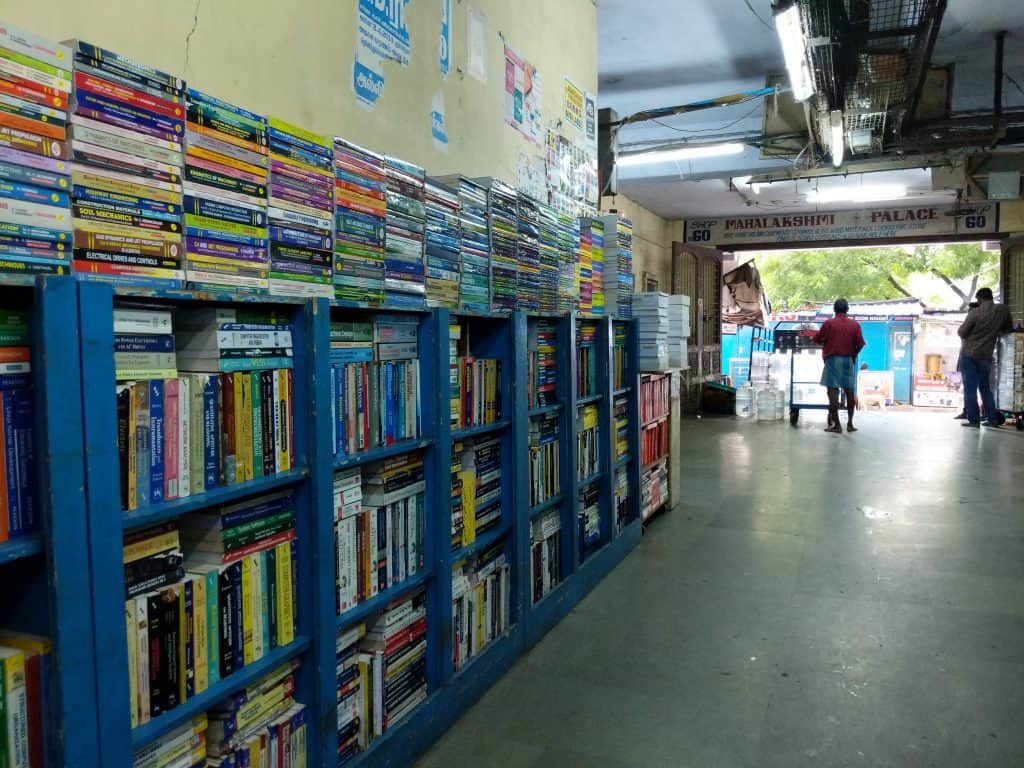
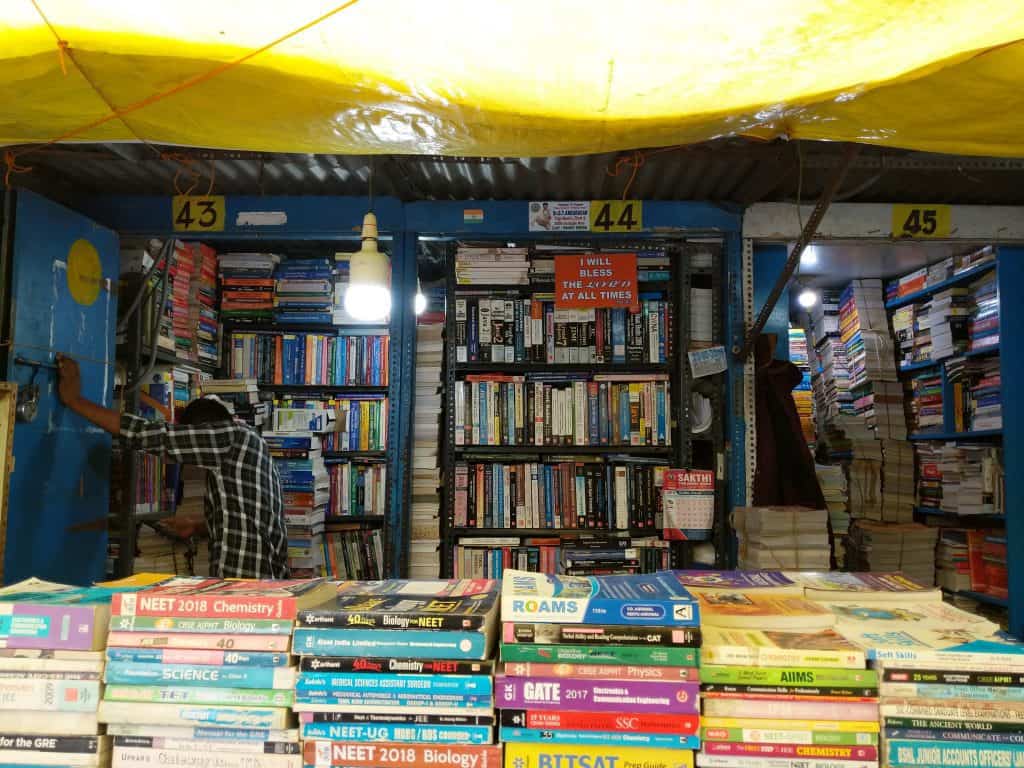
On a Monday morning, I planned to visit the Moore Market to see if I could get a hard copy of the autobiography of Ansel Adams. Moore Market is famously known as the Mecca of used and old books. The place is an ode to reading, with close to 150 shops and more than 1 crore books for sale, according to sellers. Students of various disciplines — science, arts, commerce, management, medical and engineering — have been known to frequent this place.
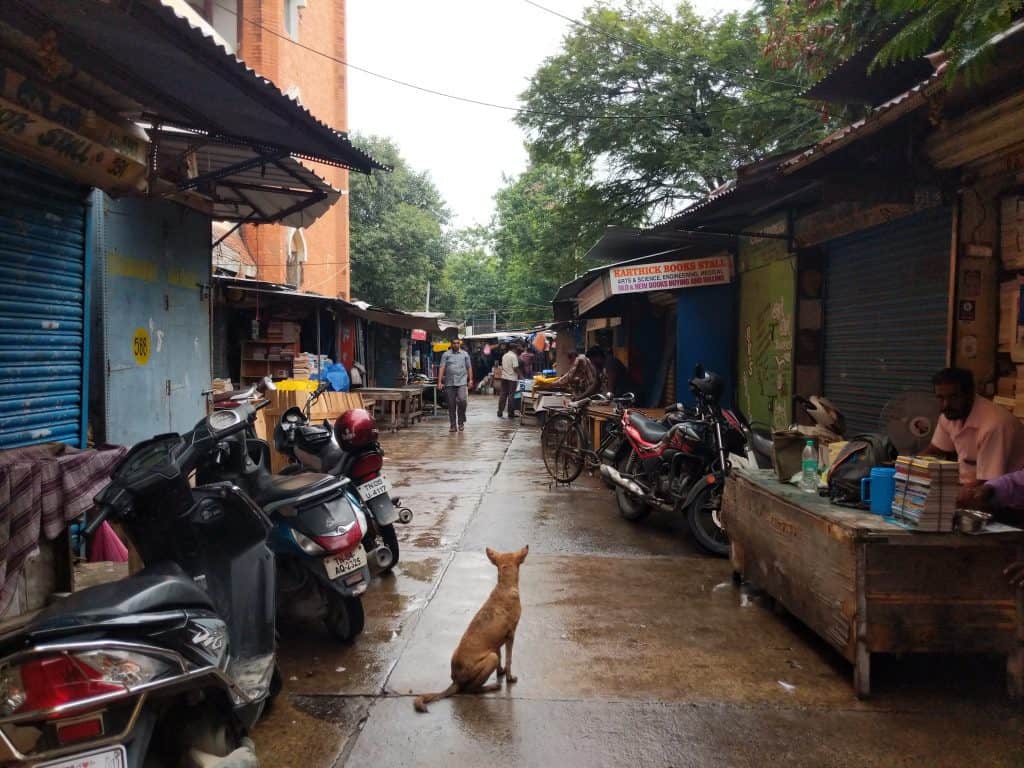
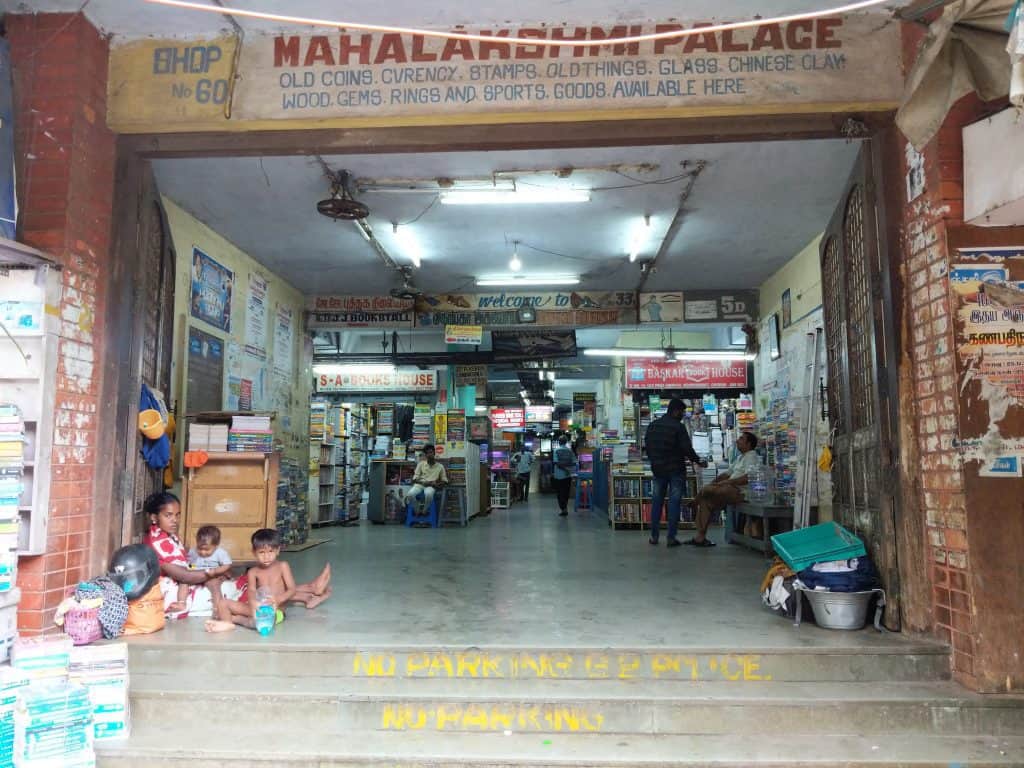
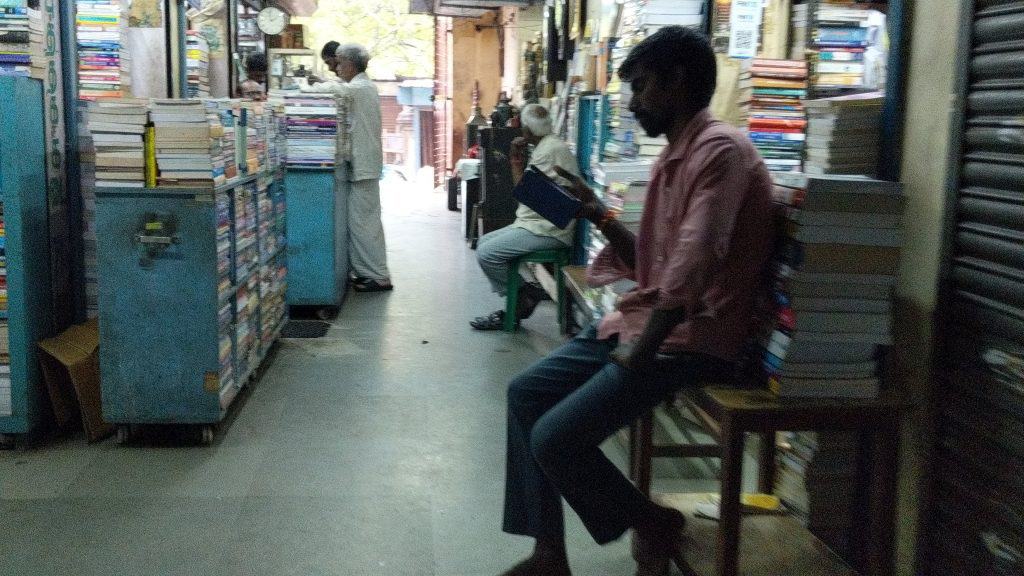
However, this Monday looked different. There were hardly any people in the market and most shops had not opened; a few shopkeepers told me that most of them open very late these days, as business has been dull.
“Over the last 5-6 years, our business has taken a major hit due to the growth in online sales of books. There used to be days when it was impossible to even stand here on any day of the week. But nowadays, we often shut shop without any sale. On a few days around exam season, we do have a fair number of students coming in, but overall there’s been a massive drop in sales,” said a shop owner who’s running his business for the last 20 years. “People don’t realise that they can only buy books online, but to sell books they need to come to us. We cannot stock books for a long time without any sale,” he adds.
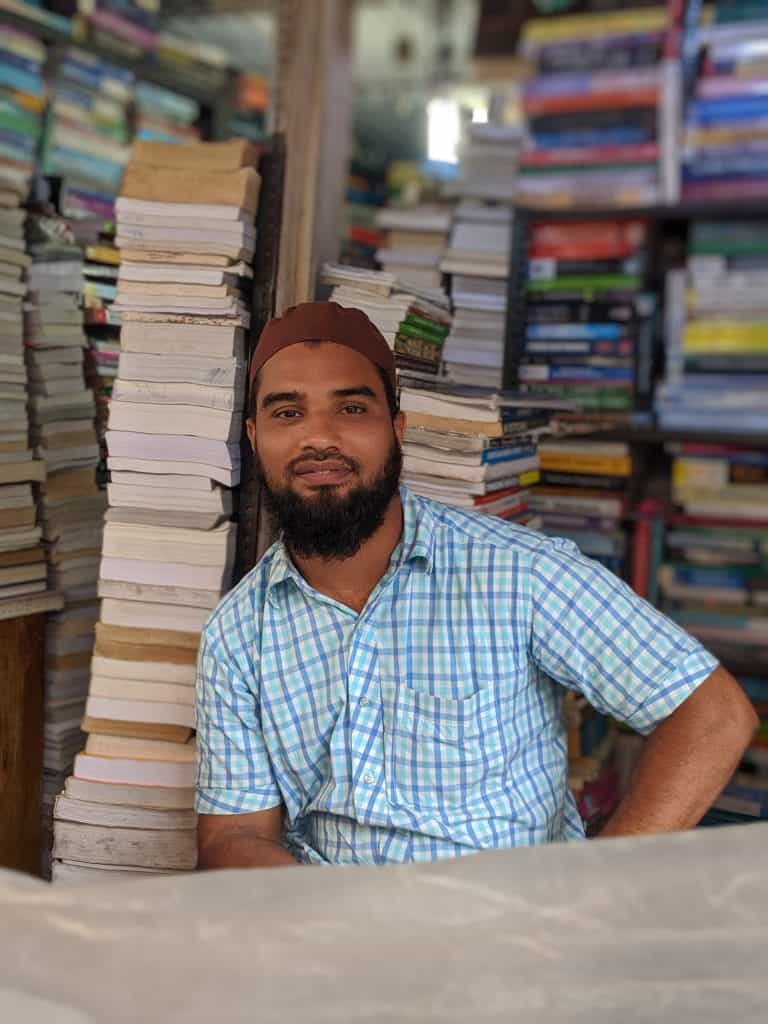
Navaz, owner of A.N.S Book Shop says “Gone are the days when people used to prefer hard copies. With mobile phones and Kindle, everyone prefers a digital version of the books. Customers get duped online. They get fake books, duplicate books and they realise it only after they have bought it. With us, they will get a good quality used books which have been checked thoroughly by us before selling.”
When I asked him if he would be open to selling online, he replies, “Online sales need a lot of logistical planning. I pay Rs 700 for each office staff. I pay a rent of Rs. 10,000 for my shop. Online sales will mean that I part with money as commission; for that, I will have to raise the price of my book and eventually price myself out. Also, online return policy means people will read the book and then place it for returns; it will be my loss.”
So, where does he see himself a few years from now? Navas says, “I will end up working for someone. I’ve been selling books for 20 years now. I don’t know anything else.”
But why Moore Market? Why not move to other localities in Chennai? He says, “This is the main area. Chennai Central is a place where trains from all nearby towns come. From Vellore, Chengalpet, Tambaram – you name it and students can come here and get the books. We cannot move away from here”.
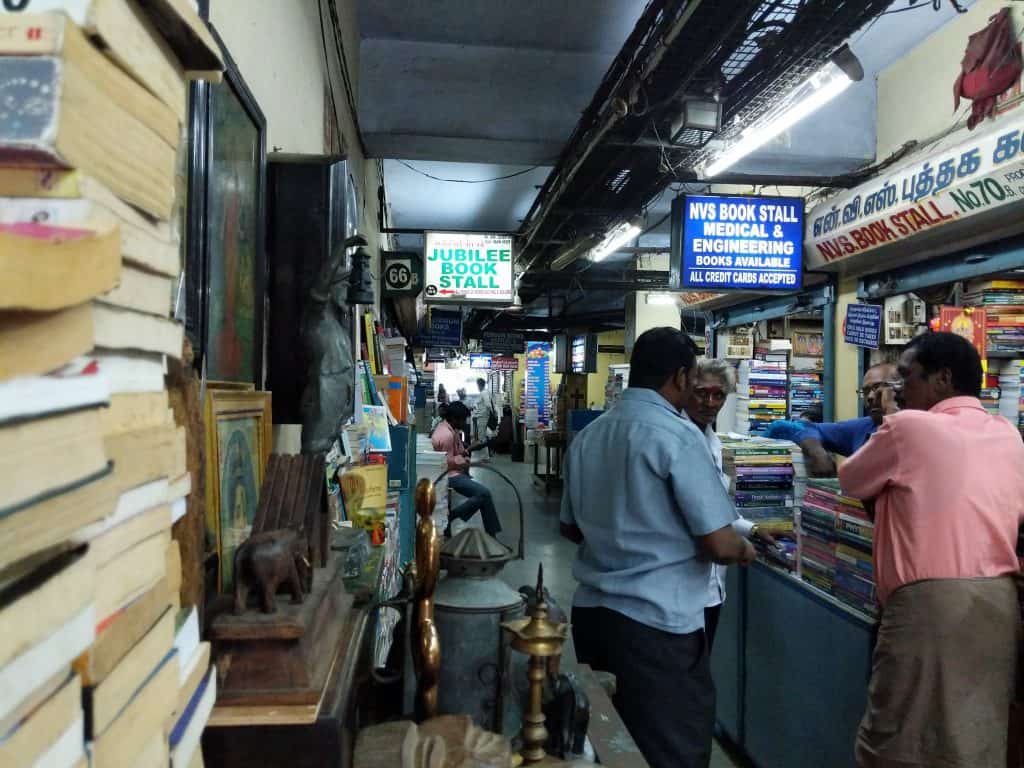
I walked around the place and saw that it was much the same story everywhere. In the general books section, the proprietor of NVS Book Stall recalled that earlier Sidney Sheldon, Robert Ludlum’s Jason Bourne series and the like were fast-moving, but now no one even asks for these. In fact, there used to be a time when general books moved faster than educational books – but now sales of both have stagnated. “We take part in book exhibitions but that is just once a year. The rest of the year is dull,” he rues.
A couple of hours in Moore Market will clearly show you how the used book business is gradually collapsing. Moore market is one of the oldest landmarks of Chennai and once a thriving place for second-hand books and gramophone records. It was a must on every tourist’s list of places to be visited. The current Moore market is located in another building, built after the old one was ravaged in a fire accident in 1985. This building, however, is poorly maintained and lacks the charm of the original market, remnants of which can be seen today.
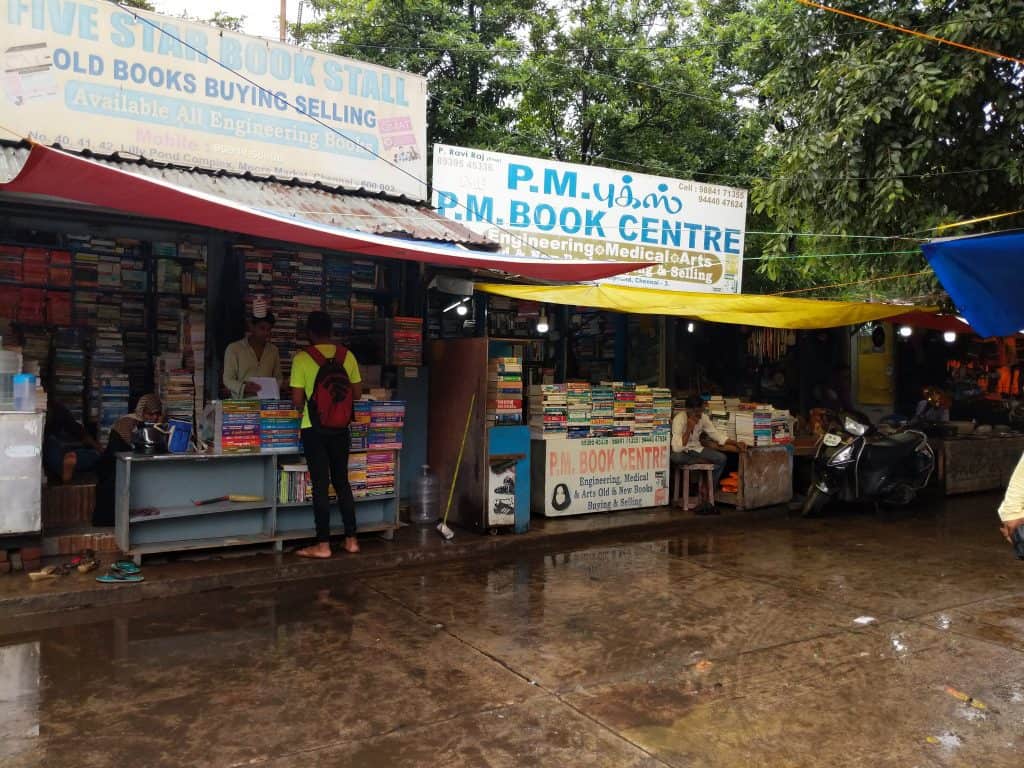
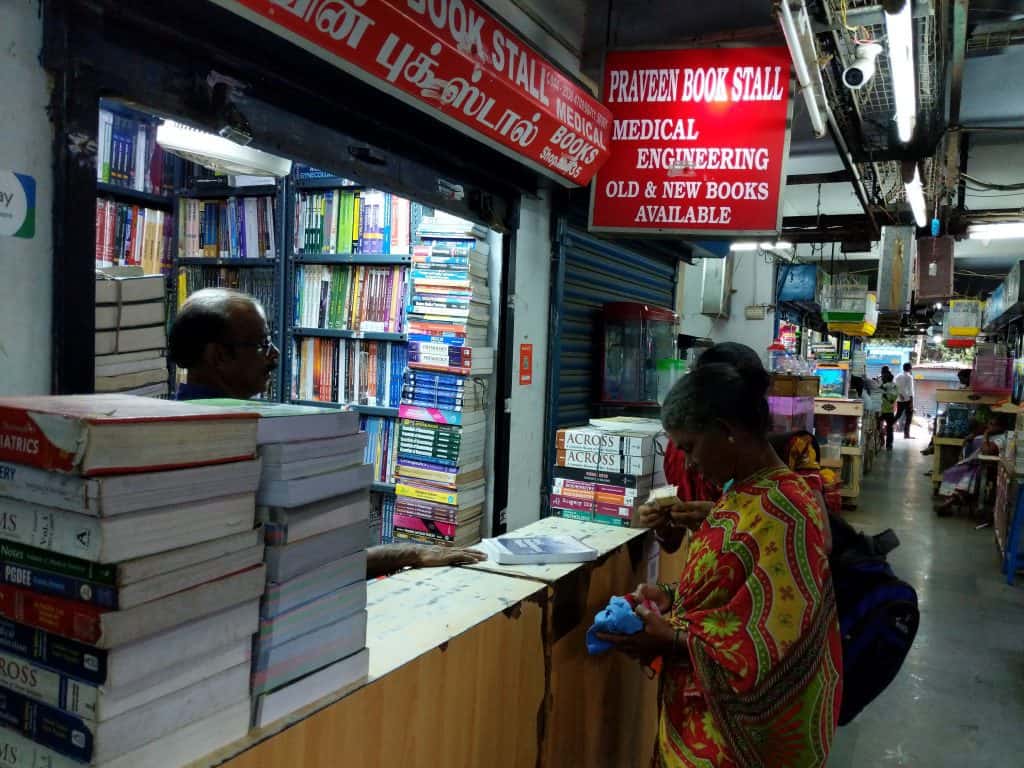
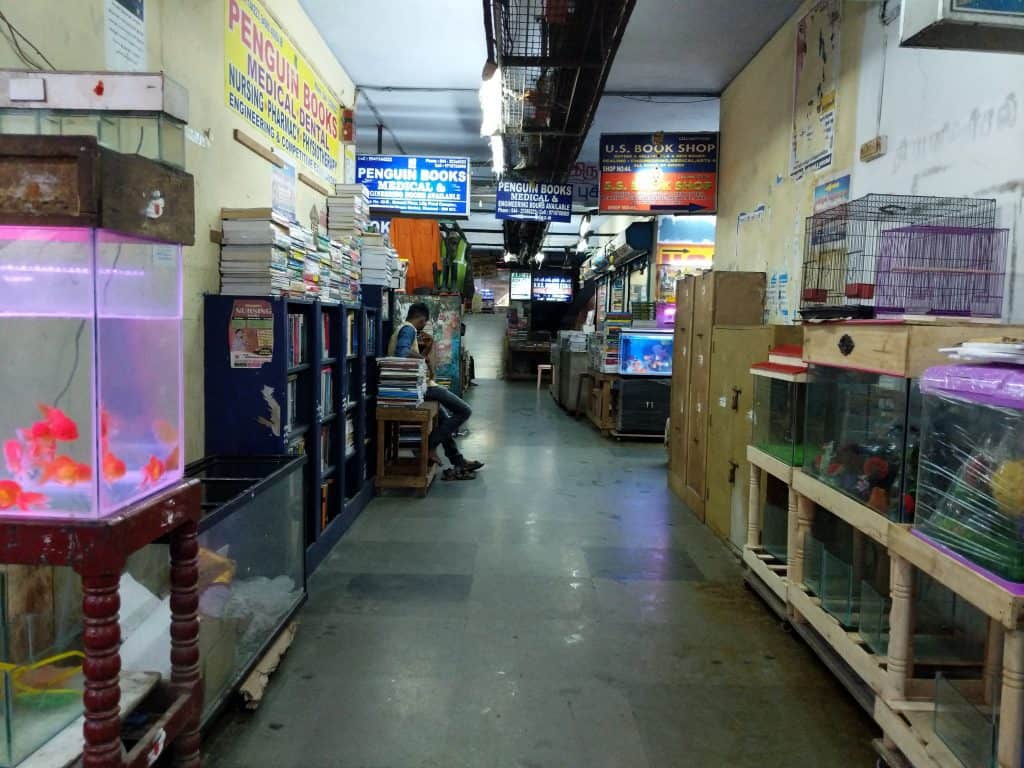
As far as my book is concerned, Ansel Adams, an autobiography, it was not to be found. All I came back with were visual memories, captured by these photographs:

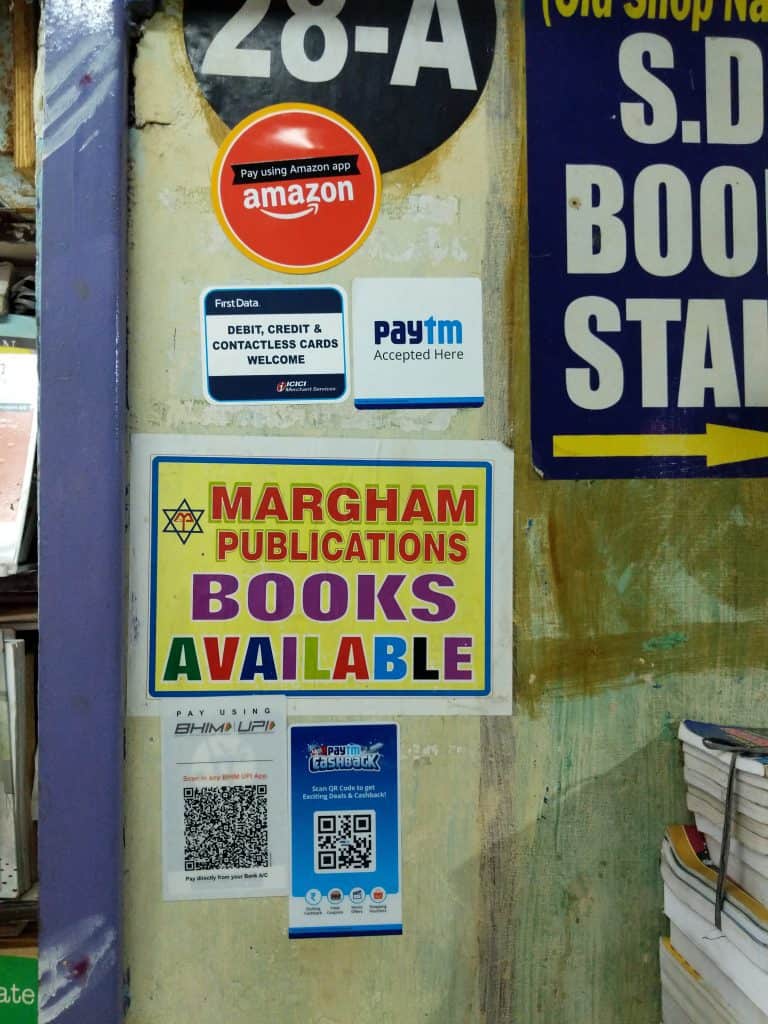
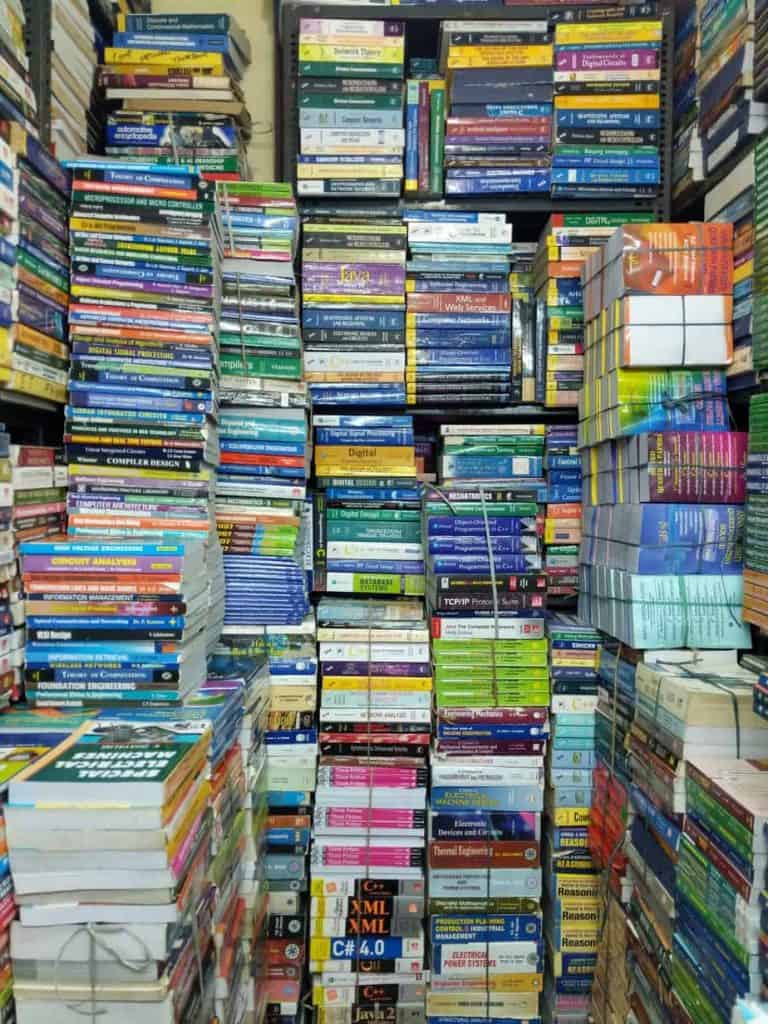
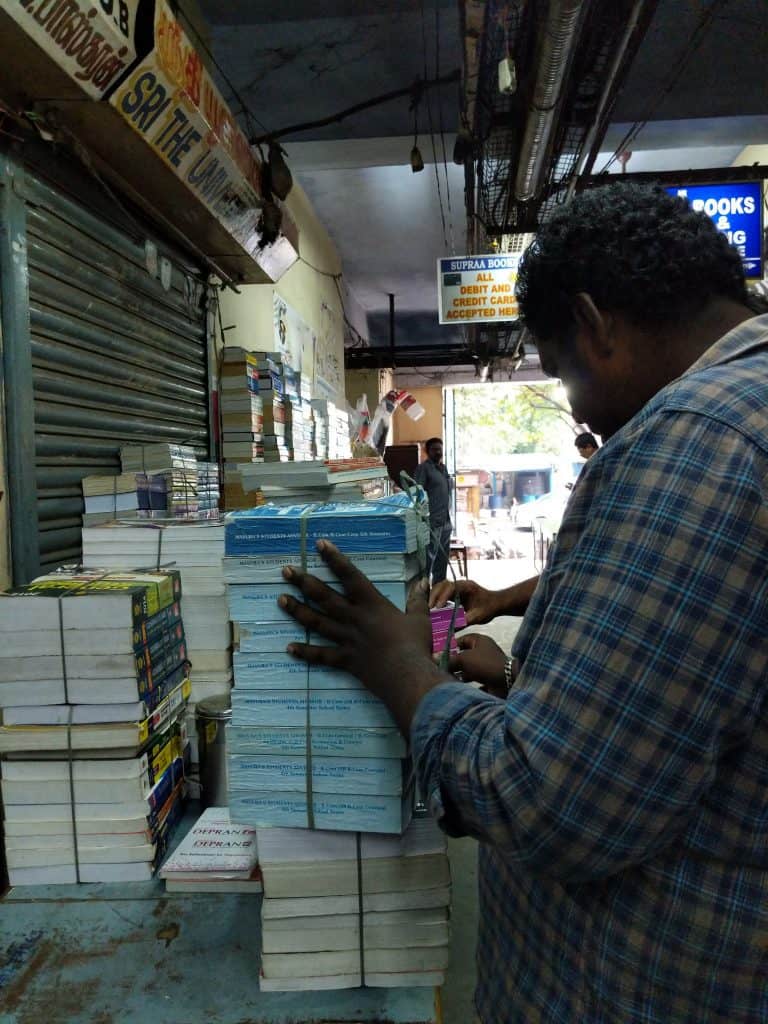
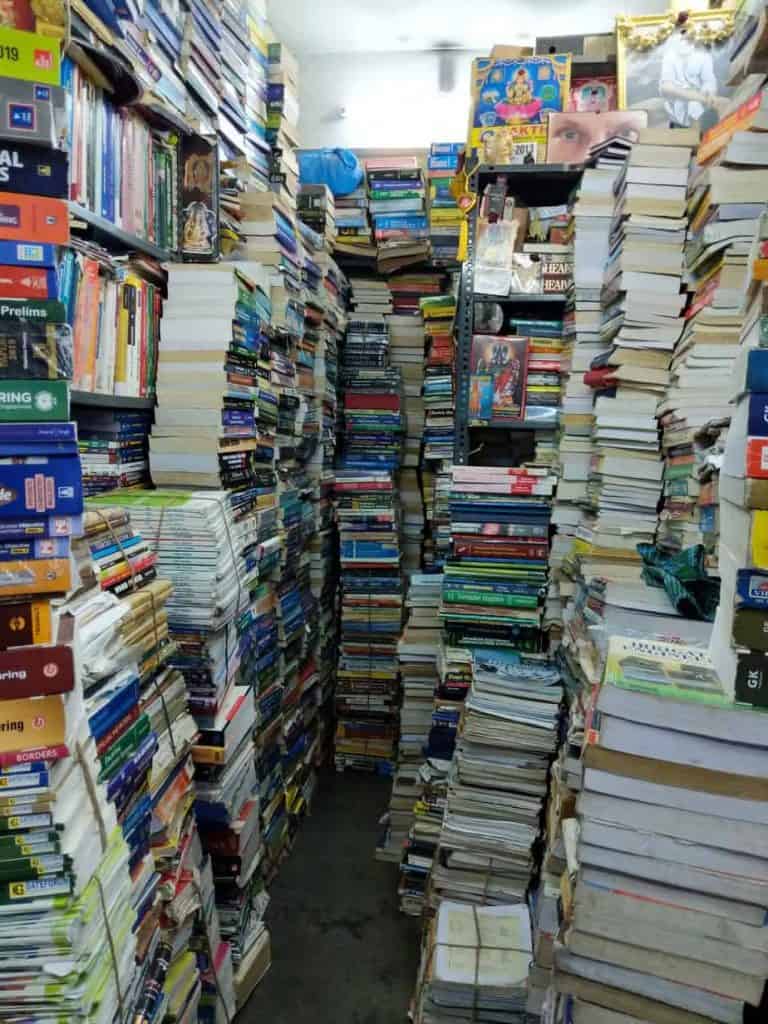
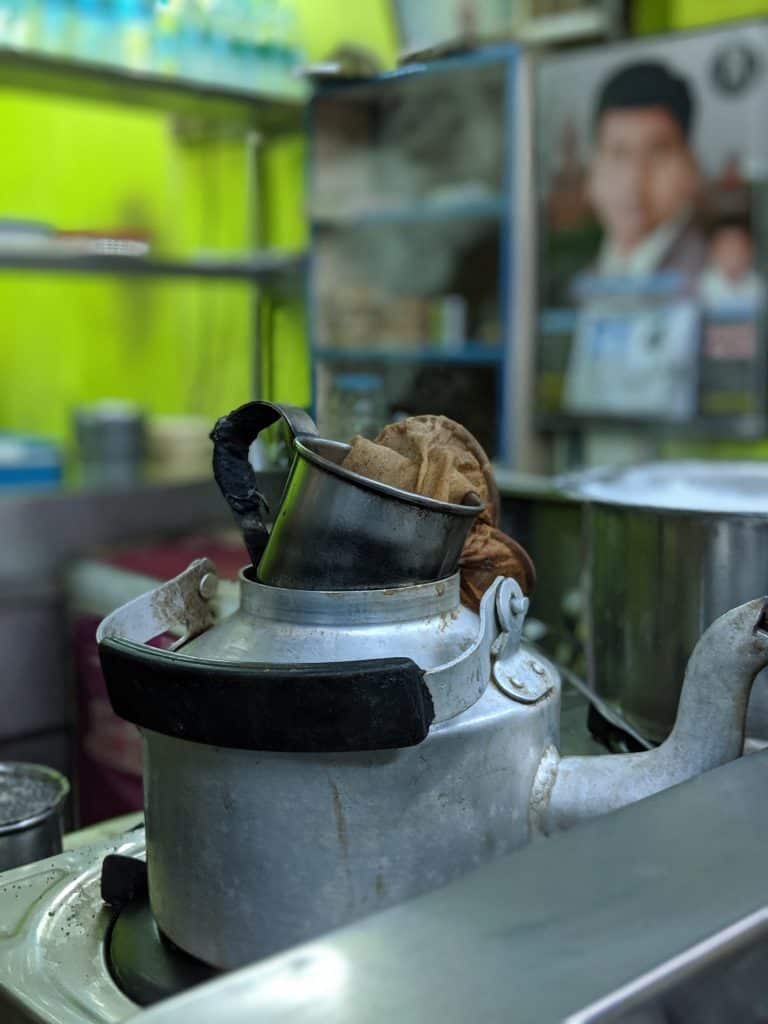
Deserted lanes of the market Customer skimming through a book Empty books stalls in the outside A mother insisting she pays for her daughter’s purchases Colossal emptiness Stacked for sale Once, the crowd was such that there was not enough room for people to stand comfortably; today, there are just rows of emptiness. Pic: Mahesh V A perch for conversation Agony Entrance I will Bless the Lord at all times 
Multiple ways to pay, little ways to earn Tower of hope? Stock keeping Welcome to the Matrix Pray for Good Luck Navaz emp-Tea 
Patiently waiting for a sale



I loved your.. Effort to write on this..
Moore Market was a British Raj Building and was perhaps the city’s first Mall. The word mall was not in vogue at that time when Chennai was called Madras. It was a shopping arcade where one could get all kinds of things- clothing, books, LP &EP records, Record players, toys etc. The attraction of MM was ( in addition to the joy of walking on the stone floors of the beautiful red building, was the possibility of striking a bargain. The price had an inverse relationship with your bargaining skills. I remember that in the VIII grade, my father took me there to buy my first dissection box. The instruments were made of such fine steel, that they survive to this day as part of my tool-box. Madras had a laid back charm to it that and MM certainly contributed to it in a big way.
Why don’t signup as a merchant on online portals and increase their sales??
Nice write up