Higher Secondary Certificate exams begin offline in Maharashtra
For the first time since the beginning of the COVID-19 pandemic, a state board exam will be conducted offline. Higher secondary Certificate (HSC) exams were cancelled last year due to pandemic restrictions in the second wave. With over 14 lakh students in the state, out of which 3 Lakh are in Mumbai, HSC exams are now being conducted offline in all colleges.
While the state board will conduct exams on the entire syllabus, other boards like CBSE and CICSE have conducted semester exams on 50% of the syllabus. Their second semester exams will take place in late April 2022.
Source: The Times Of India
Study finds that 98.2% of Mumbai citizens do not use seatbelts in the rear seats
A 2021-22 study by SaveLIFE Foundation, an NGO committed to raising awareness about road safety issues found that only 2.4% people wear seatbelts in the rear seat of their car. As per findings, 98.2% of people did not wear seatbelts in the rear seat, an alarmingly low number.
90% of people in Mumbai felt the need for stricter law enforcement on defaulting to wear rear seatbelts. The major reason the lack of seatbelt usage is that people think it isn’t mandatory to wear a seat belt in the back seat.
Source: Mid-day
Read more: Some government schools introduce night classes to reduce drop outs
BEST to launch night buses for late night commuters
Brihanmumbai Electric Supply and Transport (BEST) announced the commencement of night buses for late-night commuters on March 3rd. This initiative is aiming to serve people in the hotel and hospitality industry as well as airport employees.
The buses will run on 5 major routes that cover areas where people work late hours – Mahim bus station to Colaba, Sion to Colaba, Mahim to Borivali, Sion to Mulund West and Sion to Backbay depot.
Buses will run at a one hour frequency between midnight and 5pm.
Source: Mumbai Live
Mumbai to soon bring in new provision for cessed buildings in need of redevelopment
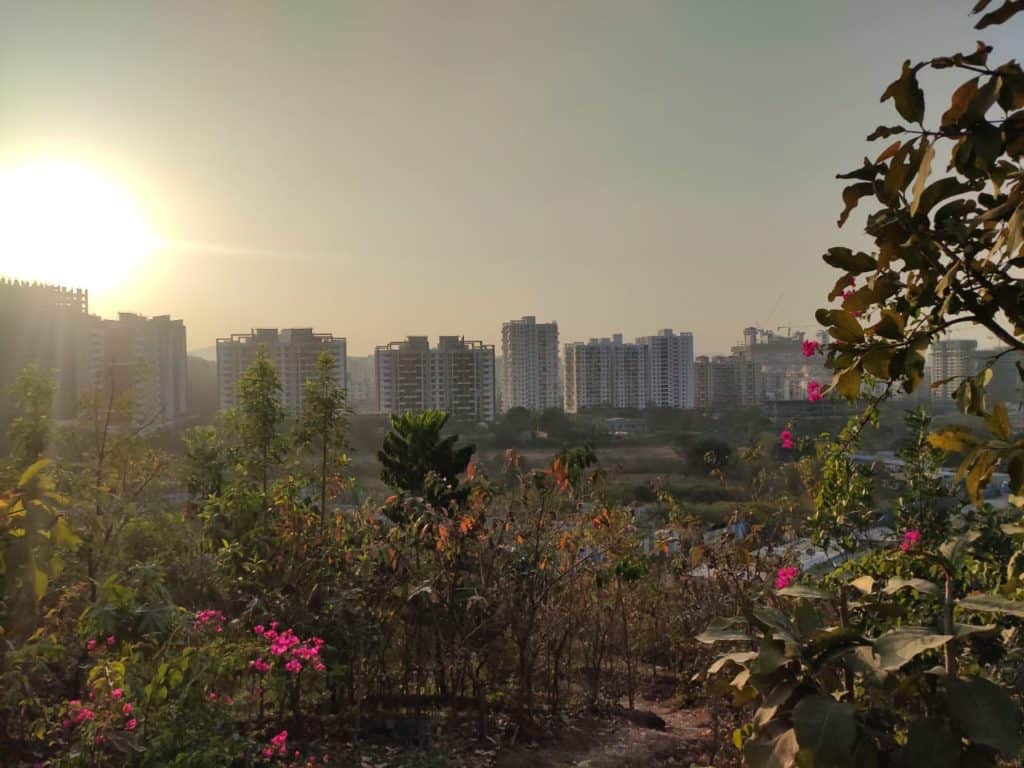
New provisions to redevelop cessed buildings in Mumbai’s island city are soon to be brought in place. Cessed buildings are those where a cess is collected as a repair fund. Most of these buildings were built pre-independence, and were developed earlier but are due for redevelopment. Changes in the Development Control and Promotion Regulations 2034 will soon come up to redevelop these buildings.
Cessed buildings are not eligible for more benefits but are in need of redevelopment because of how old they have become.
Source: The Indian Express
IPCC’s new report ranks Mumbai 2nd in ‘most climate vulnerable coastal cities’
New report by the Intergovernmental Panel on Climate Change (IPCC), released on February 28th, highlights many warning signs for Mumbai.
IPCC’s 6th Assessment Report Working Group II (AR6) ranks Mumbai second out of 20 coastal cities in the world that may incur major economic setbacks due to natural catastrophes like flooding and rising sea levels.
Another paper cited by them says damage from sea level rise in Mumbai alone will cost Rs 12,082 crore per year by 2050, in a high greenhouse gas emission scenario.
Source: Hindustan Times
(Compiled by Radha Puranik)