Spurt in COVID-19 cases in Mumbai
There’s been a rapid increase in the coronavirus cases in Mumbai. On on Wednesday, Mumbai recorded 721 fresh COVID-19 cases, the highest single-day spike since January 7, according to the Brihanmumbai Municipal Corporation (BMC). BMC has now issued updated guidelines. See them below:
Mumbai’s air quality is worsening
Factories across the Mumbai Metropolitan Region (MMR) burn two million tonnes coal every year, a new study by Centre for Science and Environment (CSE), a Delhi-based non-profit, found. The study identified the Trans-Thane Creek (TTC), Taloja, Ambernath and Dombivali, which covers about 70 per cent of the industries operating in MMR, as the highest polluting region.
“Mumbai is a coastal region and so, is not expected to have very high levels of pollution. But with rapid industrial and infrastructural development, air quality of the region has started deteriorating. The city needs to wake up and take corrective actions, to avoid turning into a pollution pressure-cooker like Delhi,” CSE programme director told Down to Earth. Another study shows that Mumbai recorded 25,000 deaths in 2020 which can be attributed to air pollution.
Source: Down to Earth
3.7 million take the Mumbai local
More and more citizens are taking the local train since the services were resumed for the general public on February 1. Nearly 3.7 million passengers commute everyday by the local train network on the Central and the Western Railway, the Hindustan Times reported. Two million passengers on the Central Railway and 1.7 million passengers travel on the Western Railway everyday. The first week of February saw nearly 3.2 million passengers travel everyday by the local trains, according to the Hindustan Times.
Source: Hindustan Times
BMC unfreezes Rs 350 crore corporator fund
The BMC had frozen the corporator funds because of a controversy over their use. But now under pressure from corporators who want to spend the funds on development work in their constituency, BMC has decided to release these funds, Times of India reported. SP corporator Rais Shaikh told the Times of India that the entire mechanism of area development funds be re-examined. Not more than 2% of the total budget must be given for such unplanned funds…All corporators’ funds must only be used for creating civic amenities and as part of planned expenditure. Their use must be monitored.”
Source: Times of India
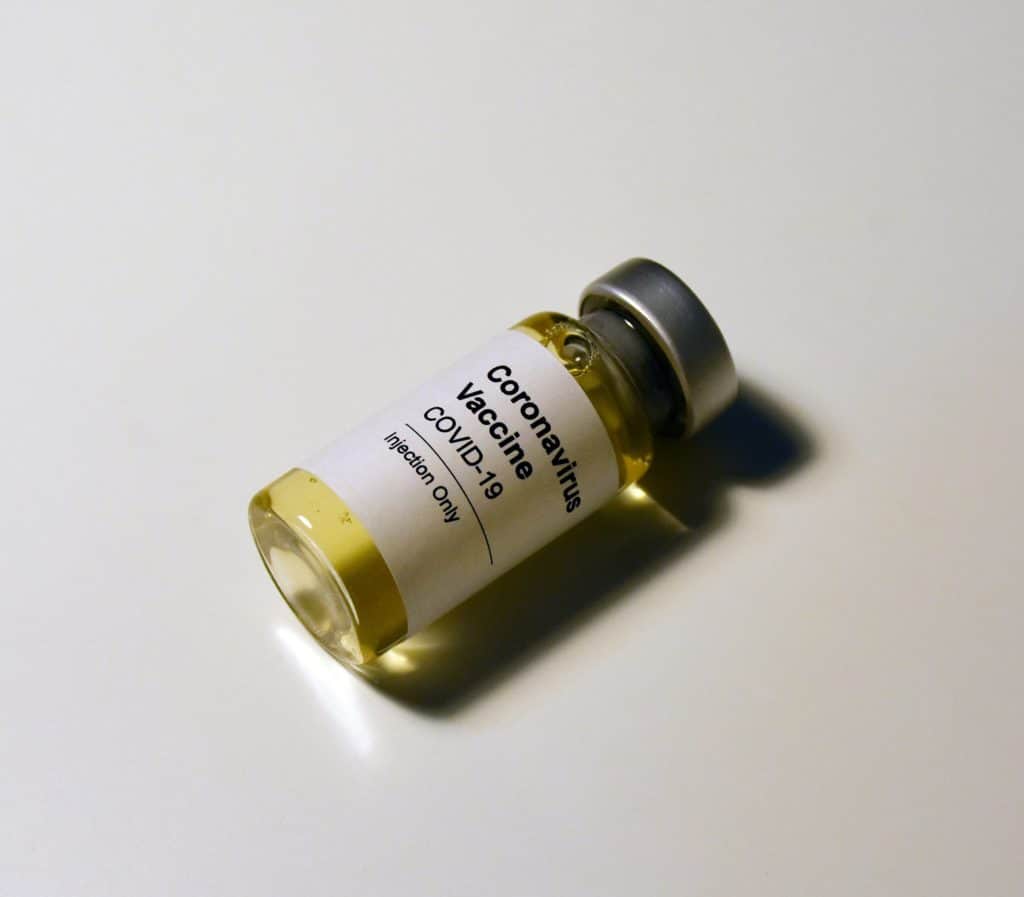
CoWIN app glitches, vaccination slowed
The Brihanmumbai Municipal Corporation (BMC) has started administering the second jab of Covid-19 vaccines to beneficiaries. But many healthcare workers (HCWs) could not get the shot as their names were missing in the ‘partially vaccinated’ section owing to a technical glitch on the centralised Co-WIN app, according to the Hindustan Times. “Names of some HCWs who took the first vaccines were missing from the Co-WIN app on Monday. So, we couldn’t vaccinate them. We had to send them home,” said Dr Sankhe Lalit, incharge of the Covaxin immunisation programme at JJ hospital told Hindustan Times.
Source: Hindustan Times
Anti-corruption bureau arrests BMC officers for demanding bribe
The BMC inspectors identified as Nitin Patankar and Harishchandra Ghegadmal wanted to take action against a Malad shop owner over the shop’s signboard, according to the Indian Express. The inspectors allegedly demanded Rs 2.25 lakh for not taking any action. The complainant approached the ACB, which laid a trap and caught them red-handed.
Source: Indian Express
[Compiled by Apekshita Varshney]