In my initial days in Mumbai, Durga Puja meant soaking in the memories of the grand festivities in my hometown, Kolkata. This changed, after Krishti, the association of over 300 Bengali families of Lokhandwala Township, Kandivali East, started celebrating Durgatsov Pujo right where we live.
Pujo is the “Big Bong Festival”. Over the last 15 years that Krishti has been organising Pujo, acquaintances became friends and friends turned into one big joint family, for whom Pujo is an attempt to keep the Bengali culture, heritage, traditions and identity alive.
We converge with similar passions, emotions, love of life, warmth of togetherness, pride in artistic expression and of course the cult of the Goddess, for the sake of unity in our common upbringing. It is overwhelming to see the spirit and bonding of “probashi Bongs” (non-resident Bengalis) far away from their native homes.
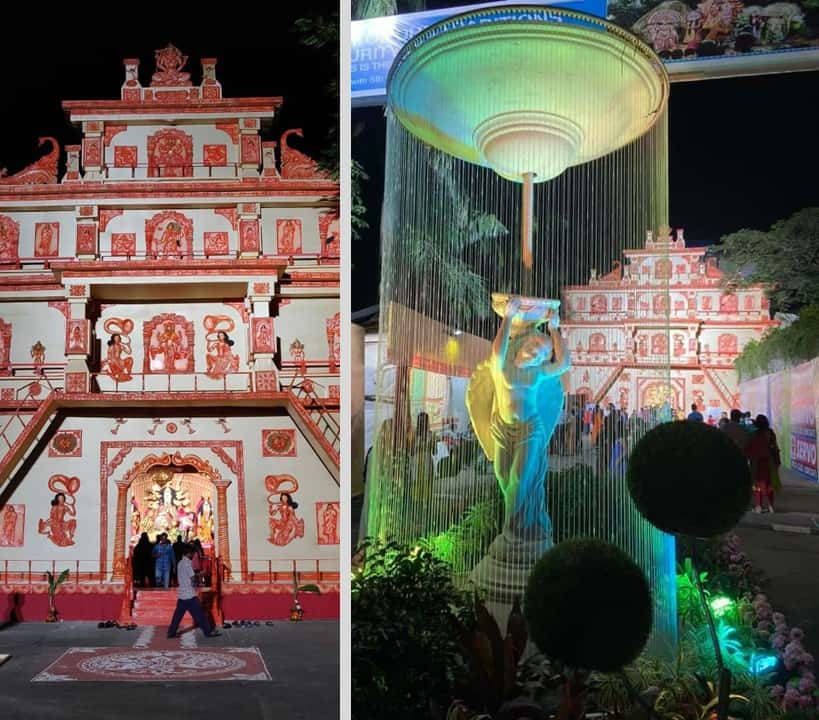
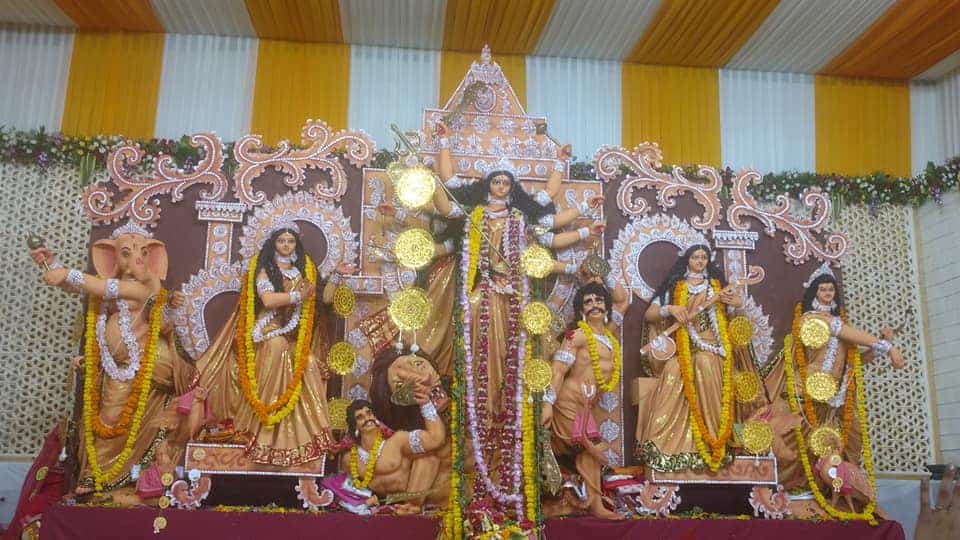
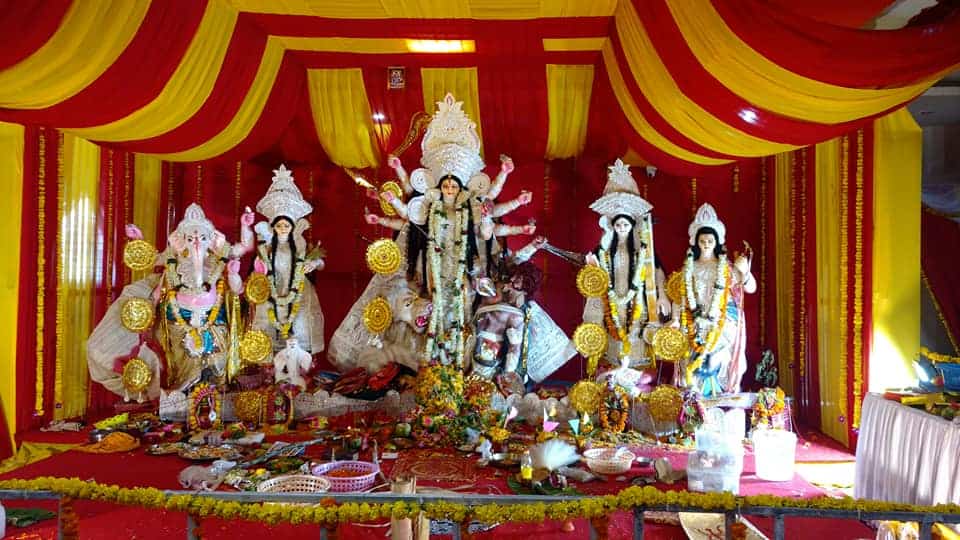
With a unique pandal every year, and huge idols, the Krishti Pandal has become one of the must-visit places for Mumbai’s pandal-hoppers during Pujo. Each year, the pandal is built from scratch and it takes masons, carpenters and craftsmen several days to get ready.
The idols of Maa Durga and others are brought in on the fifth day (Maha Panchami) of Navarathri and remain till the tenth day (Bijaya Dashami).
This year, though, Durga Puja celebrations will be a digital experience for many.
Impact of the pandemic
With Covid-19 wreaking havoc across the globe without any foreseeable end, the pandemic has halted world wide celebrations and festivities that we look forward to every year. Durga Puja is more of a social festival than a religious one. This year, there will be no big pandals, no crowds, no socialising. Unless there is some cheer, a bit of chit chat, music and noise here and there, how do we feel festive?
Durga Puja is just around the corner, but the anticipation leading to the first day of Pujo is sorely missing. Under normal circumstances we would be getting our wardrobes ready with crisp new clothes and matching accessories. This year we had to abstain from shopping for Pujo, which is a major event for us. We are missing the rehearsals for stage shows at each others’ homes stretching well beyond the time limits. The “adda” that followed was always given priority over all other daily domestic chores. We will feel the absence of friends and loved ones. To meet and greet during the five days of Pujo is sweeter than other get-togethers, a reason to chuck our daily routines and diet charts too. During the Pujo days we don’t cook at home. We crave for authentic Bengali cuisines in the food stalls serving staples. We will miss gorging to our hearts’ content. And there is so much more… the music and the folk tunes to which we danced in our growing-up years.
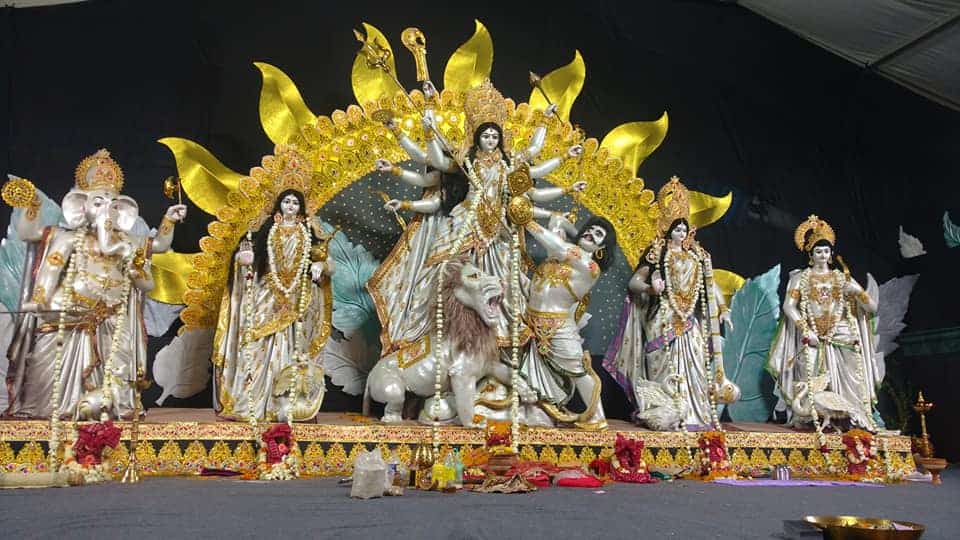
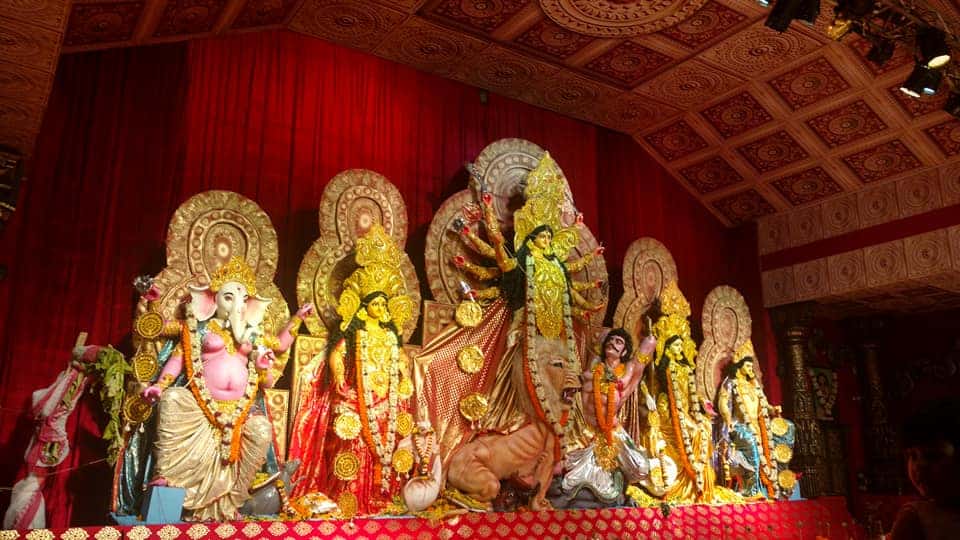
Here are glimpses of what we will miss this year.
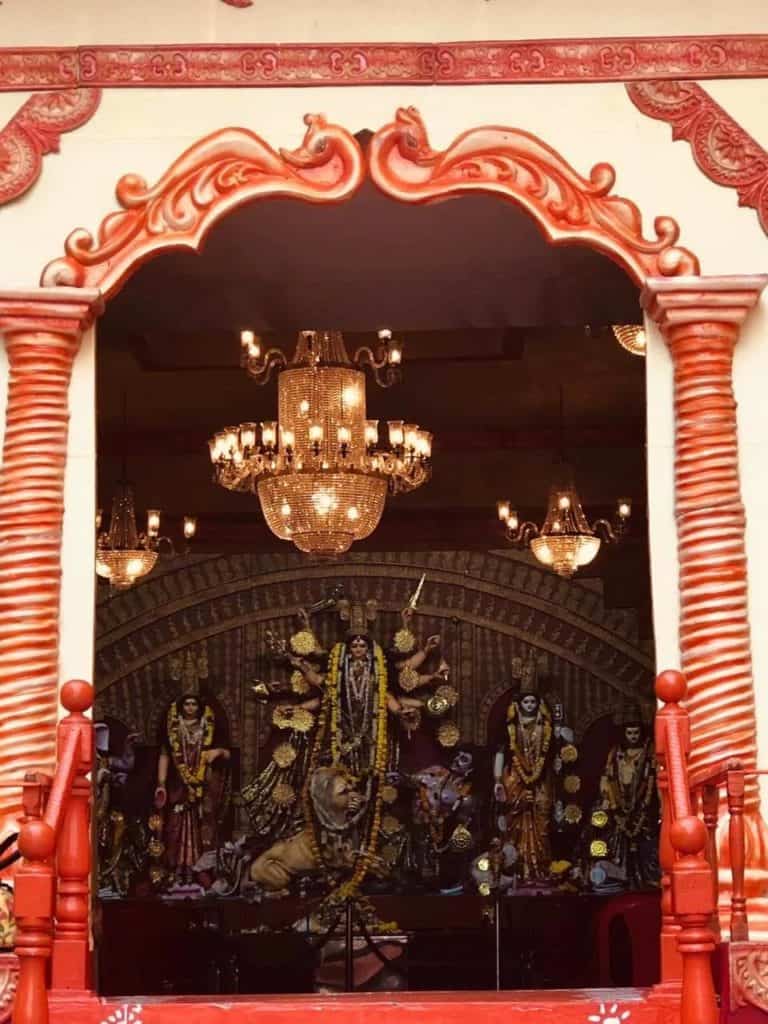
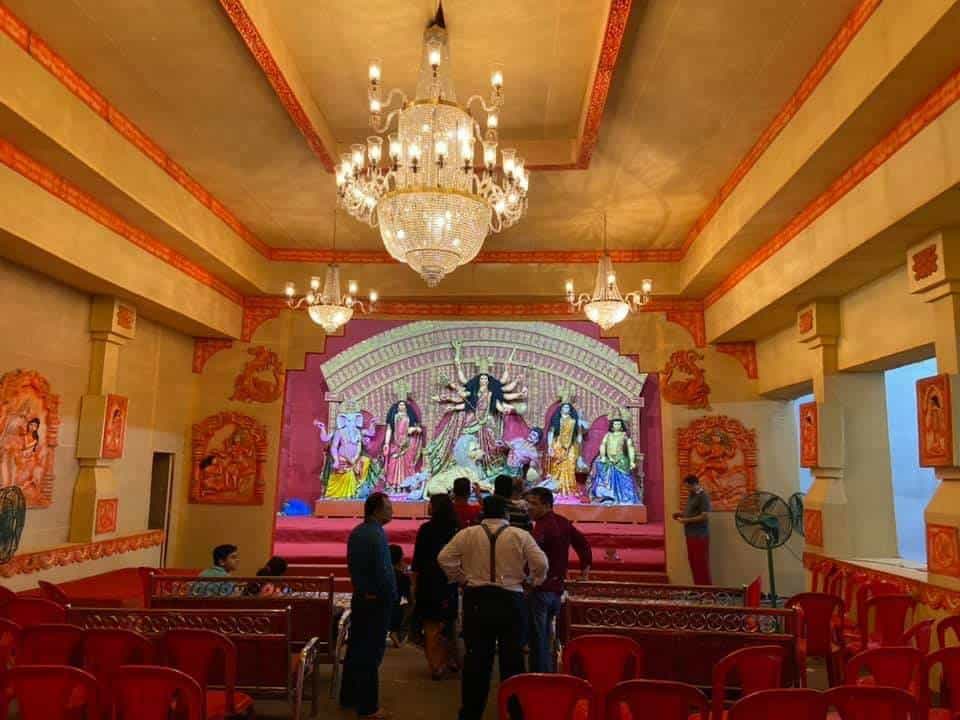
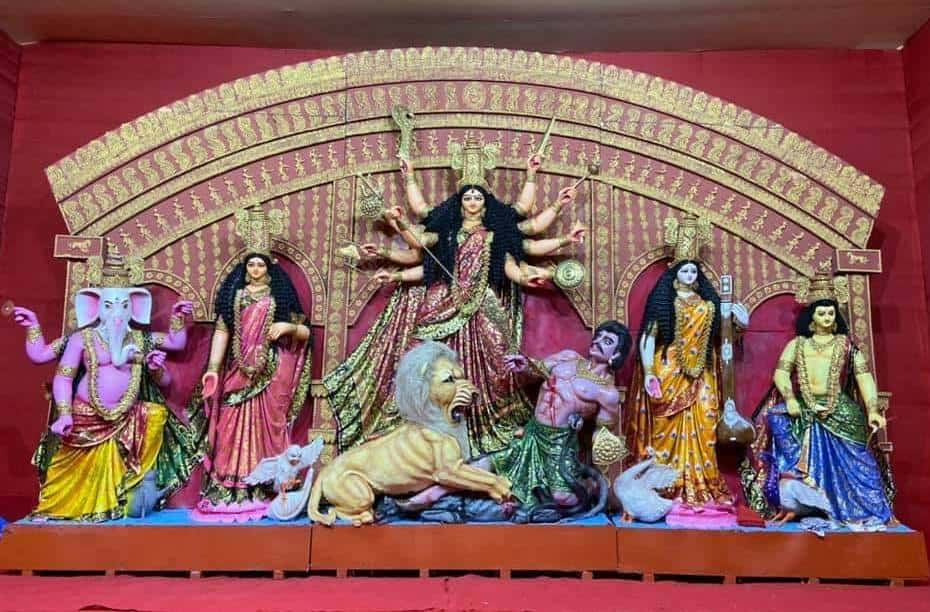
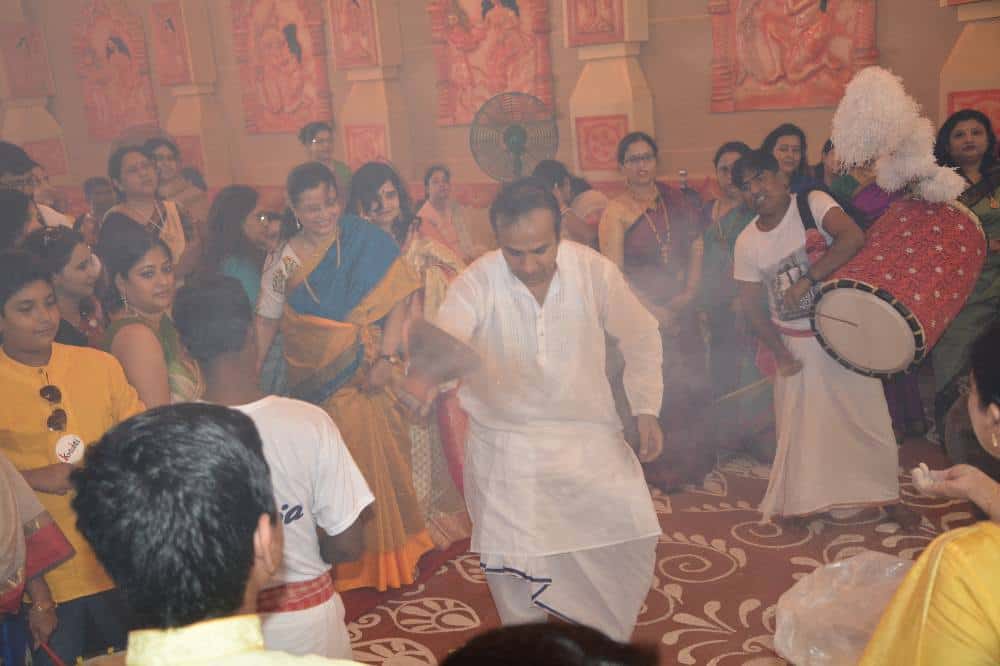
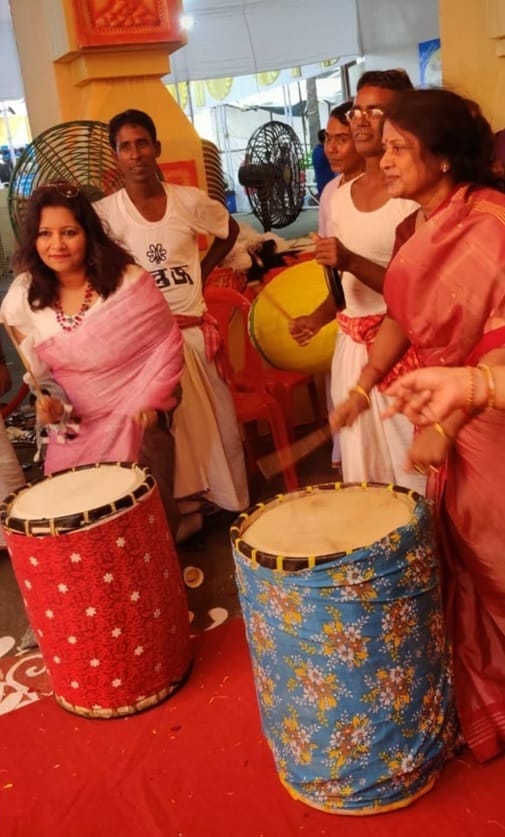
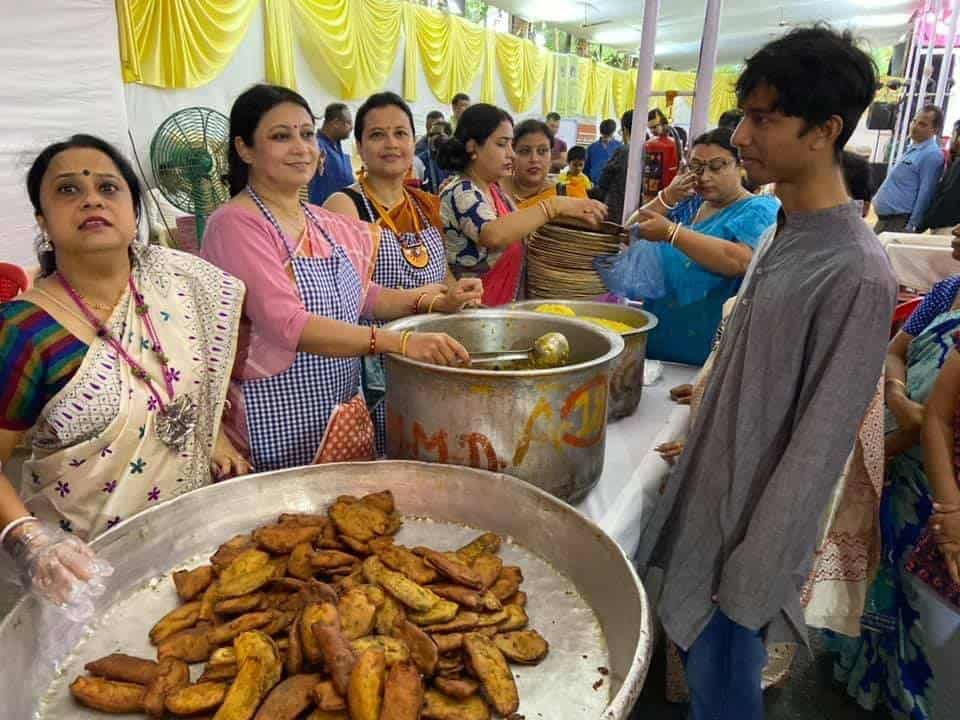
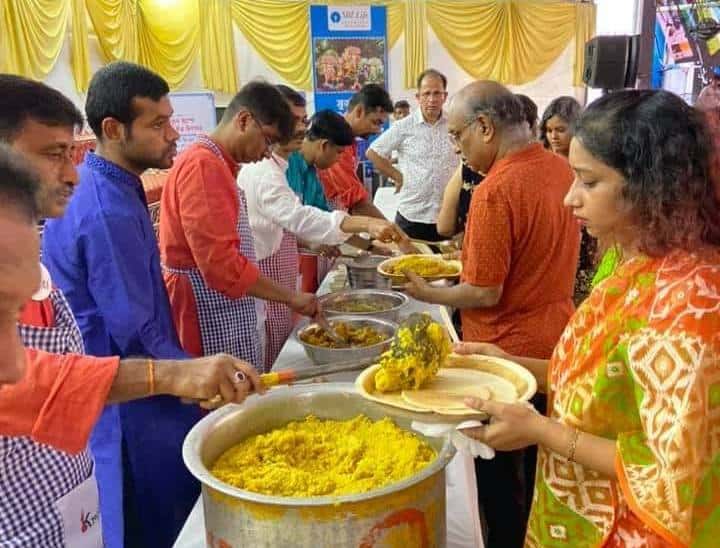
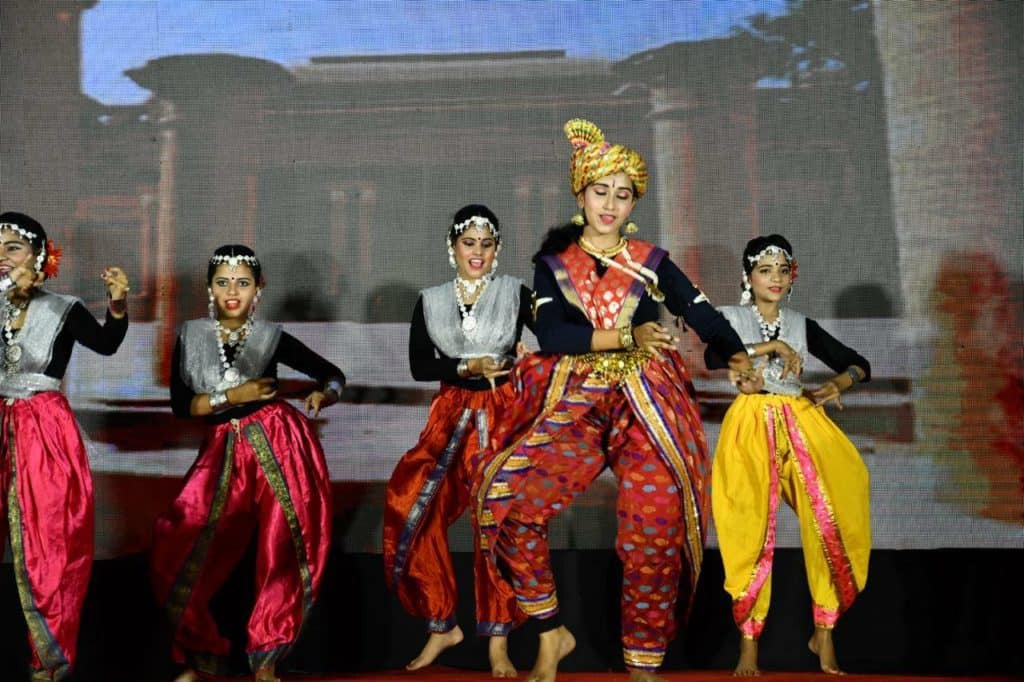
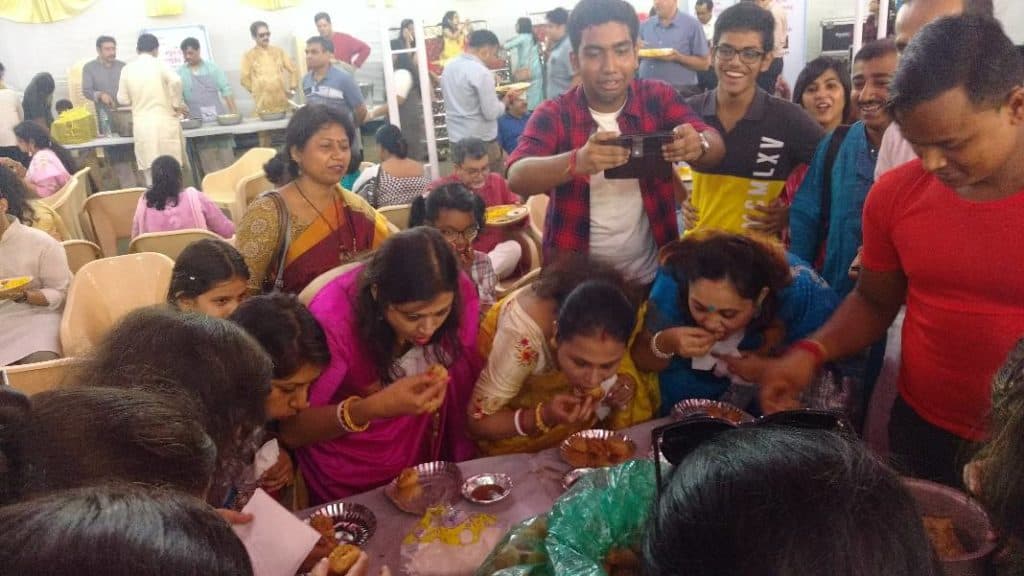
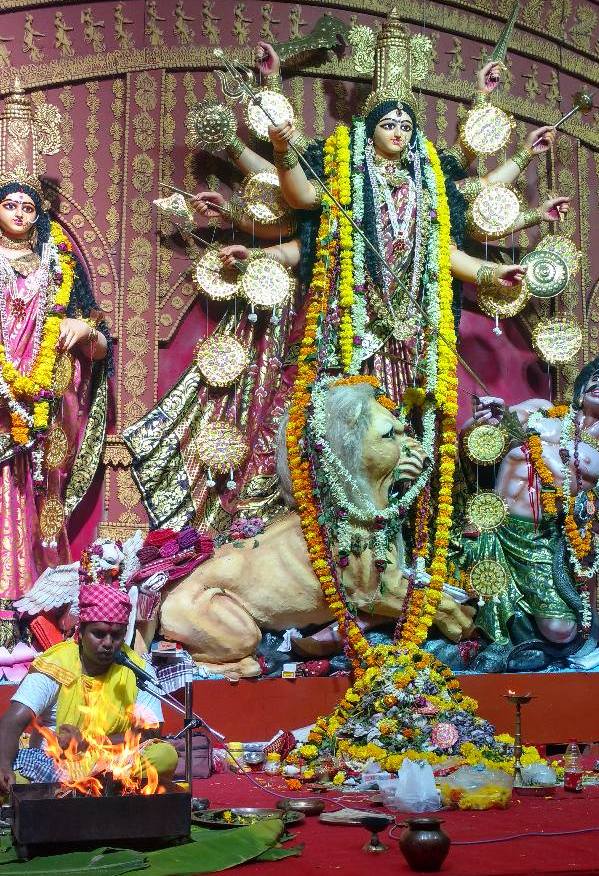
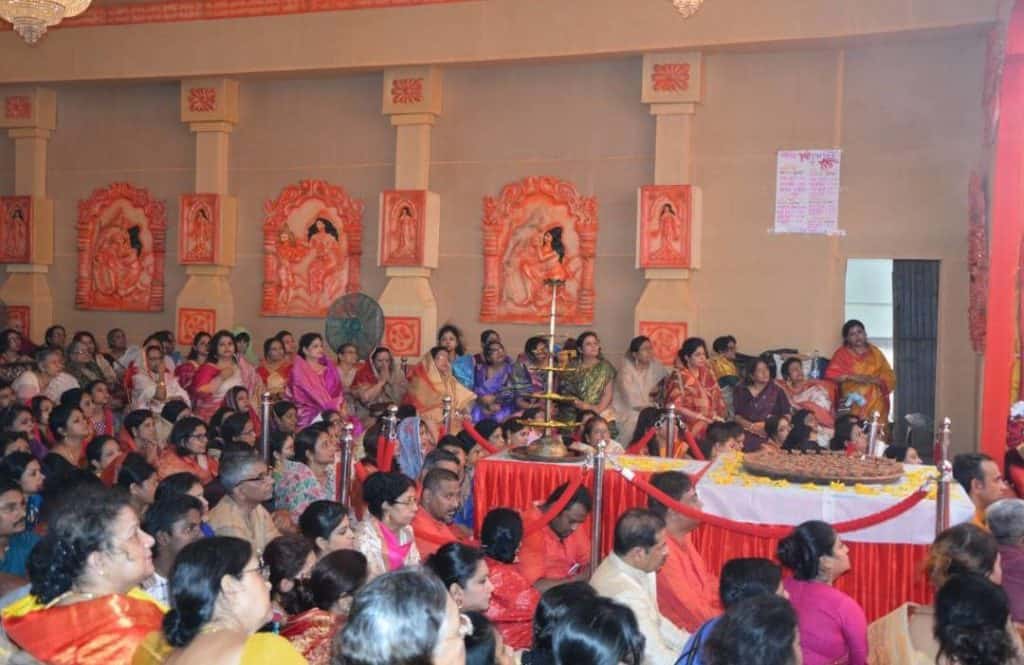
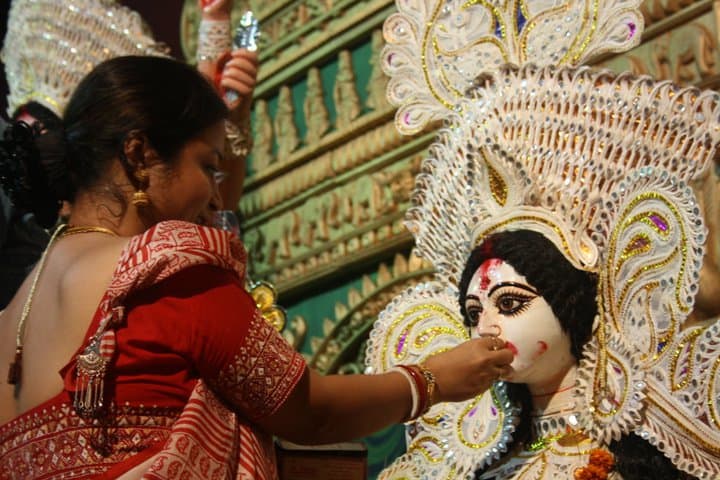
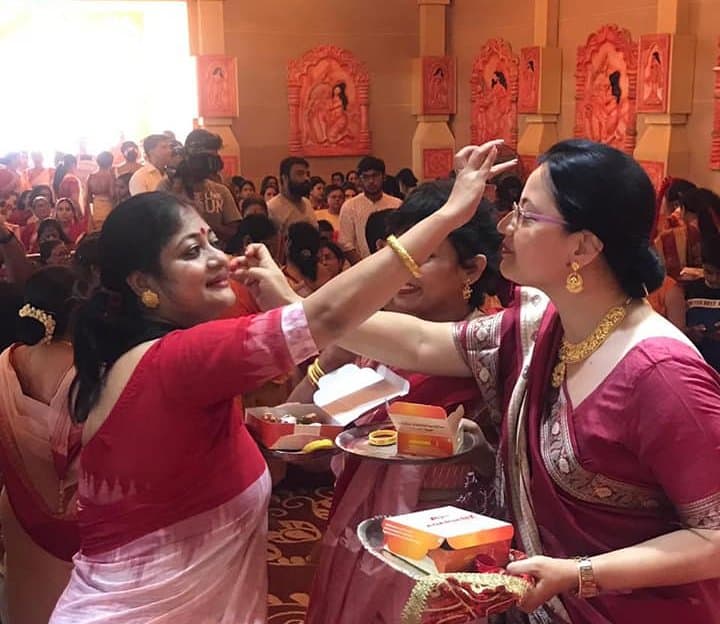
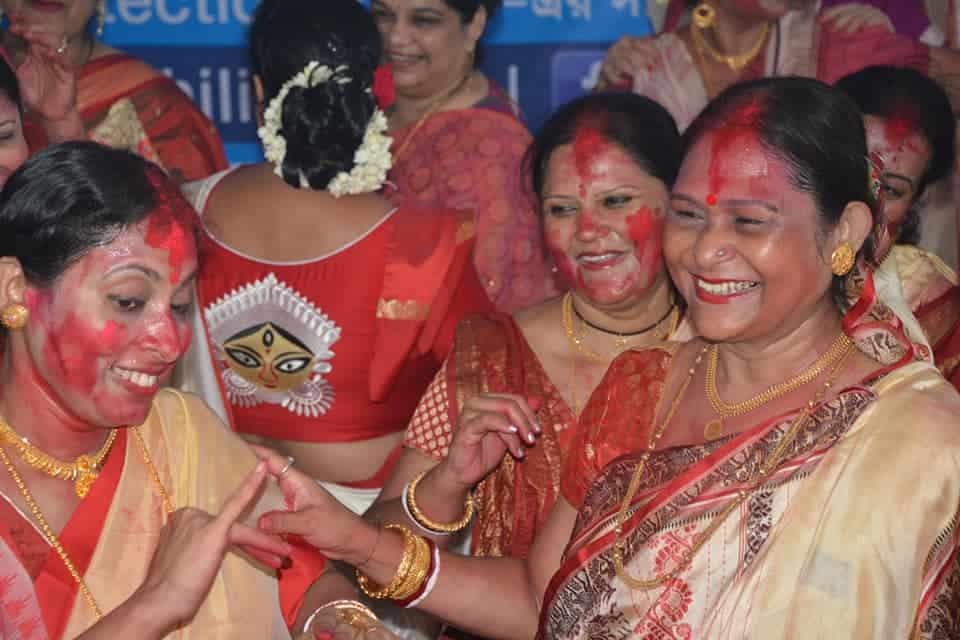
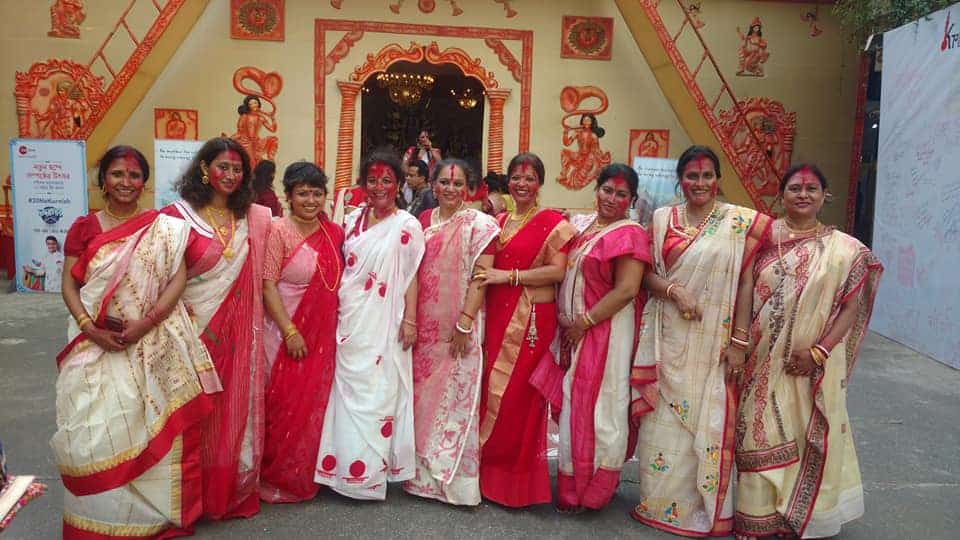
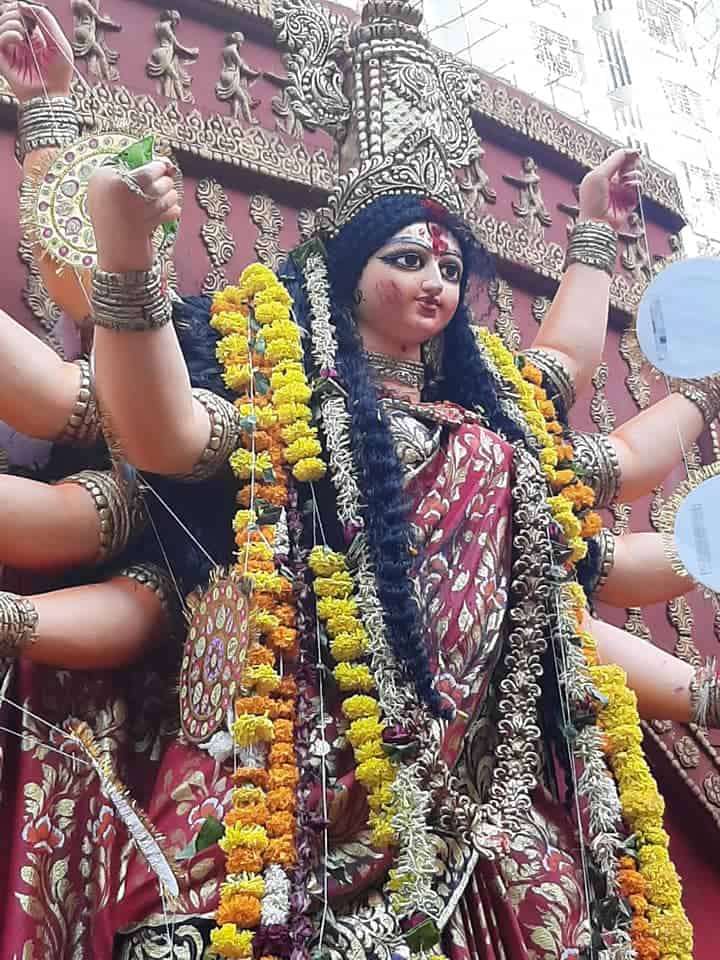
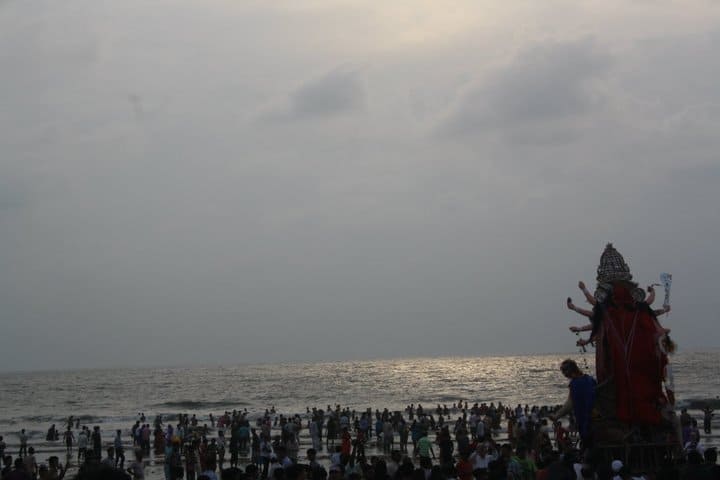
Pujo is the only time of the year when breaking rules from our daily routine is considered absolutely fine. Pulling an all nighter with friends and family, from pandal to pandal, there’s just no stopping us. Here are some of the pandals we visited in other parts of Mumbai city last Pujo.
A digital makeover
The pandemic cannot take away the spirit of bonhomie during Pujo. The most profound aspect of Durga Puja is sharing the festive joys as a community hence every effort will be taken to ensure that we recreate a puja environment in a small way and uphold the Bengali sentiments.
Instead, a small idol of Maa Durga will be installed in one of our member’s vacant flats. Safety is of utmost concern so the venue will be accessible only to the priests (purohits) conducting the rituals and a limited number of essential hands.
In order to evoke the nostalgia of the grand festivities, Krishti will live stream all rituals, pujas, darshans and entertainment programmes on social media channels and other digital platforms. To keep our members’ prayers as well as palate satiated, our association is even brain storming ways to ensure that “bhog” prasad is delivered at their doorstep. The auspicious sounds of conch shells and the beat of dhak drums will be heard through headphones.
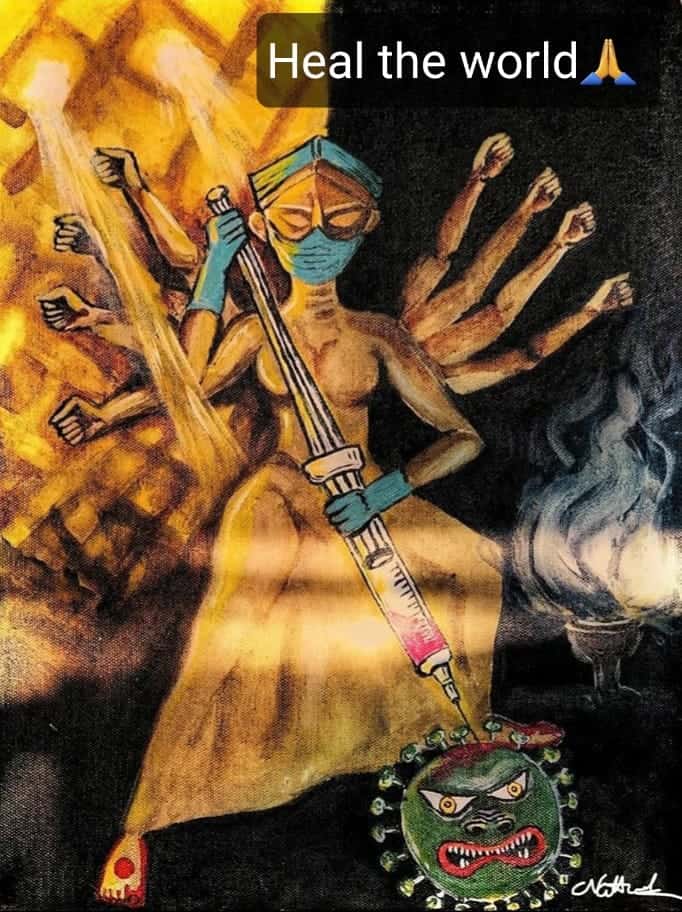
We will virtually mingle and try to savour the atmosphere. Hopefully our collective prayers will be answered soon. Will Maa Durga slay “Coronasura” and the world be Covid-free again? Only time will tell.
Also read:
Photo Essay: Ganesh Chaturthi during a pandemic
Throwback to the times when Dahi Handi festivities were possible