Labour colonies are spread across the city in the most obscure places – often in dilapidated buildings and makeshift rooms hidden from public view. There are usually 12-20 workers in a 10×10 ft room, sometimes smaller. These rooms are poorly ventilated and have no storage facilities. Workers are also expected to cook in these rooms. They share common bathrooms and toilets.
Labour colonies are of three kinds:
|
The pictures below highlight the poor living conditions of Metro construction workers during COVID-19 lockdown. These pictures were taken when we, at the media and arts collective Maraa, visited some labour colonies recently. (See complete list of labour colonies visited).
Particularly in the context of COVID-19 pandemic, workers expressed problems around congestion, sanitation and lack of access to services and facilities from the state, contractor and the company.

This labour colony is located off Dinnur Main Road, in Kadugodi. It’s home to 200 workers, primarily from Bengal and Jharkhand. They get paid Rs 12,000-18,000 depending on whether they are skilled/unskilled labour.
Fifteen workers are crammed into each room here. The workers complained of snakes and dead animals close to the labour colony. Their contractor will deduct the cost of ration provided, from their salaries. They are also forced to buy drinking water.
“The government sends water in a tanker. We don’t know when it was cleaned last. We’d rather buy our own water and stay safe. Water used to be Rs 20, now it is at Rs 30.”
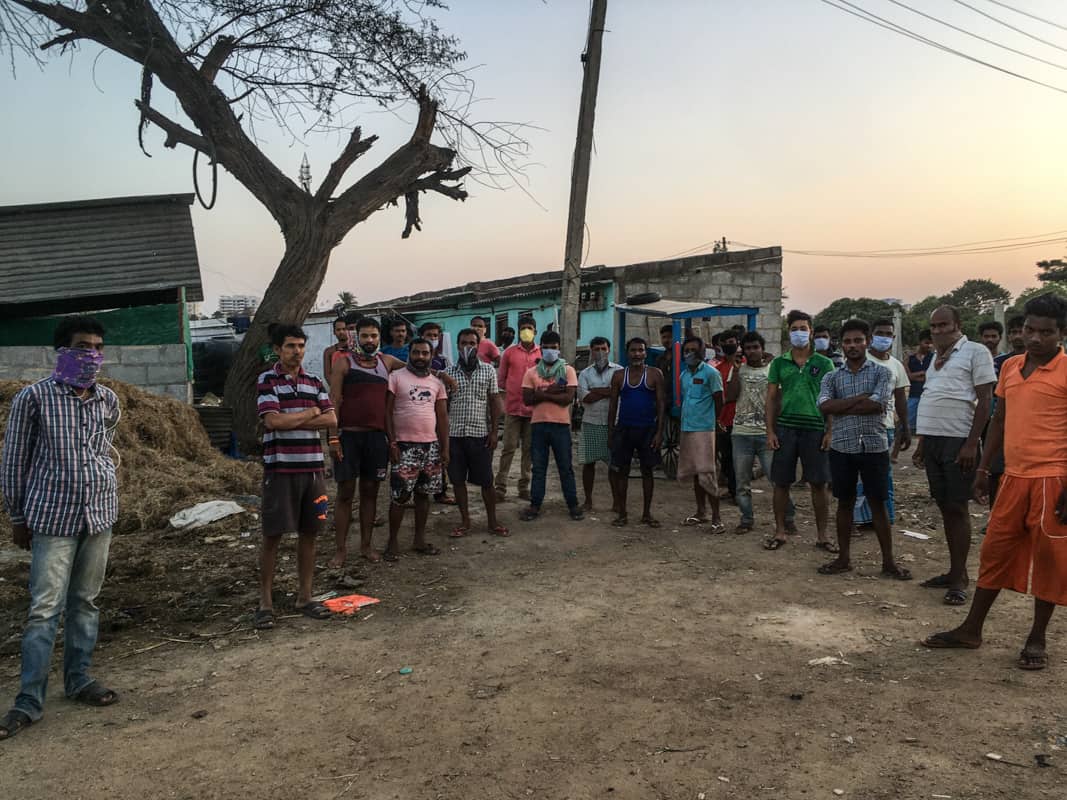
They have no access to any health facility in the neighbourhood. The colony is in the middle of nowhere, in a barren landscape where garbage from nearby areas is disposed.
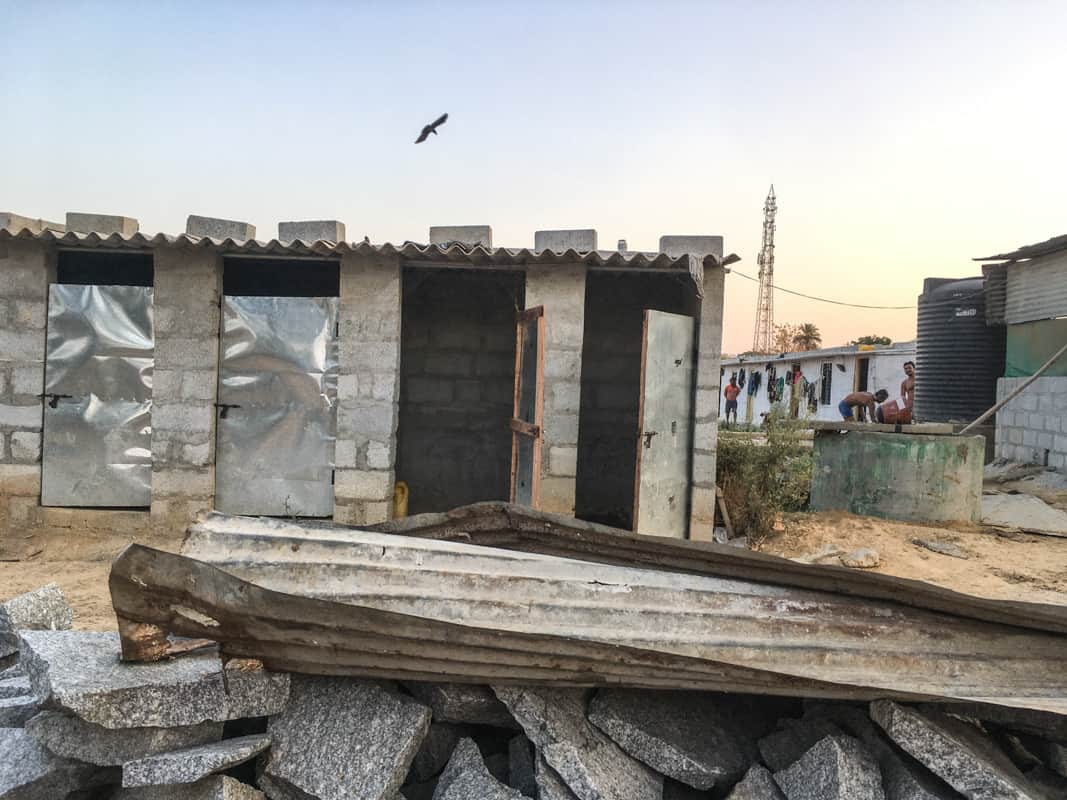
Only two of the bathrooms are functioning in this labour colony. The other two are soiled and dirty. Two hundred workers have to share these common toilets.
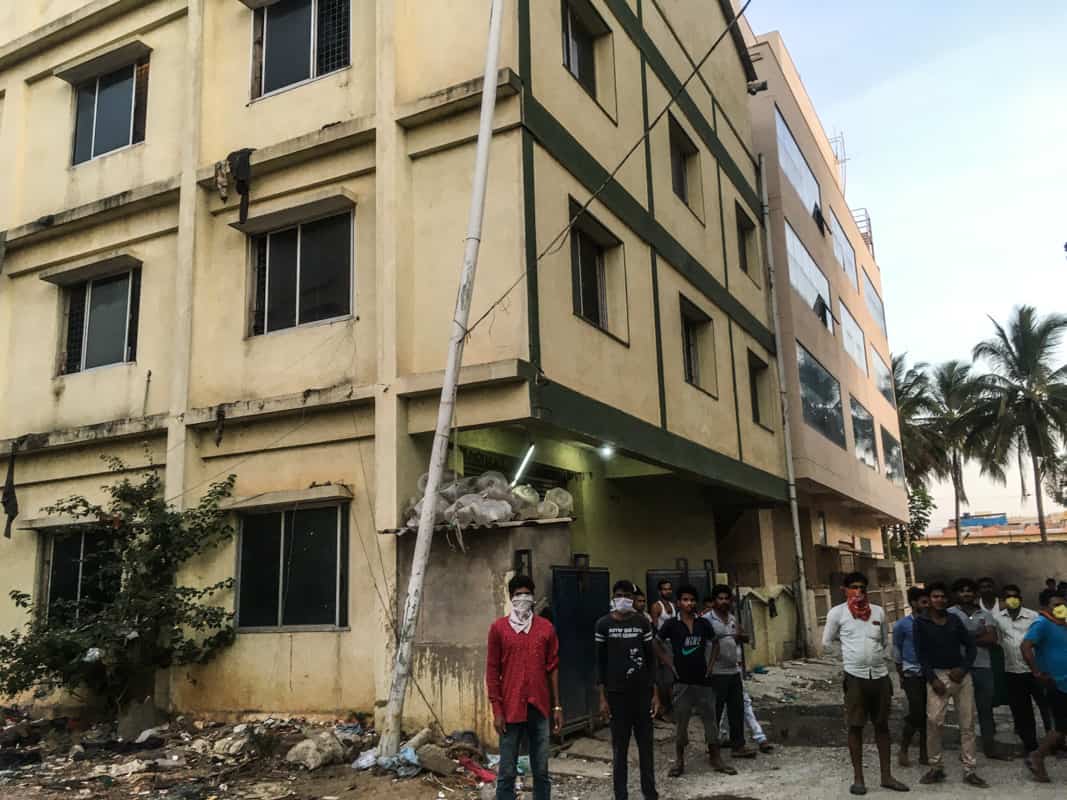
Another labour colony is located in this dilapidated building in Singasandra. Three hundred workers live in this three-storey building, about 70-80 on each floor.
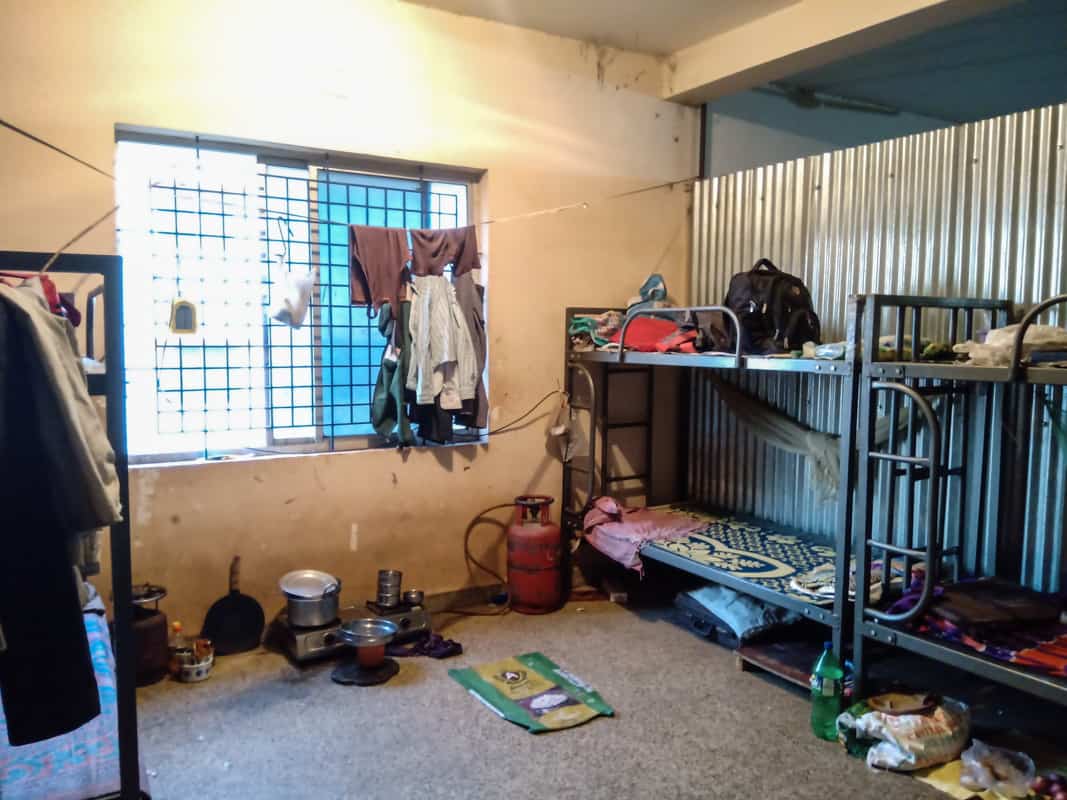
Inside one of the rooms in the Singasandra labour colony, 10-15 workers share one room. The room is also used for cooking.
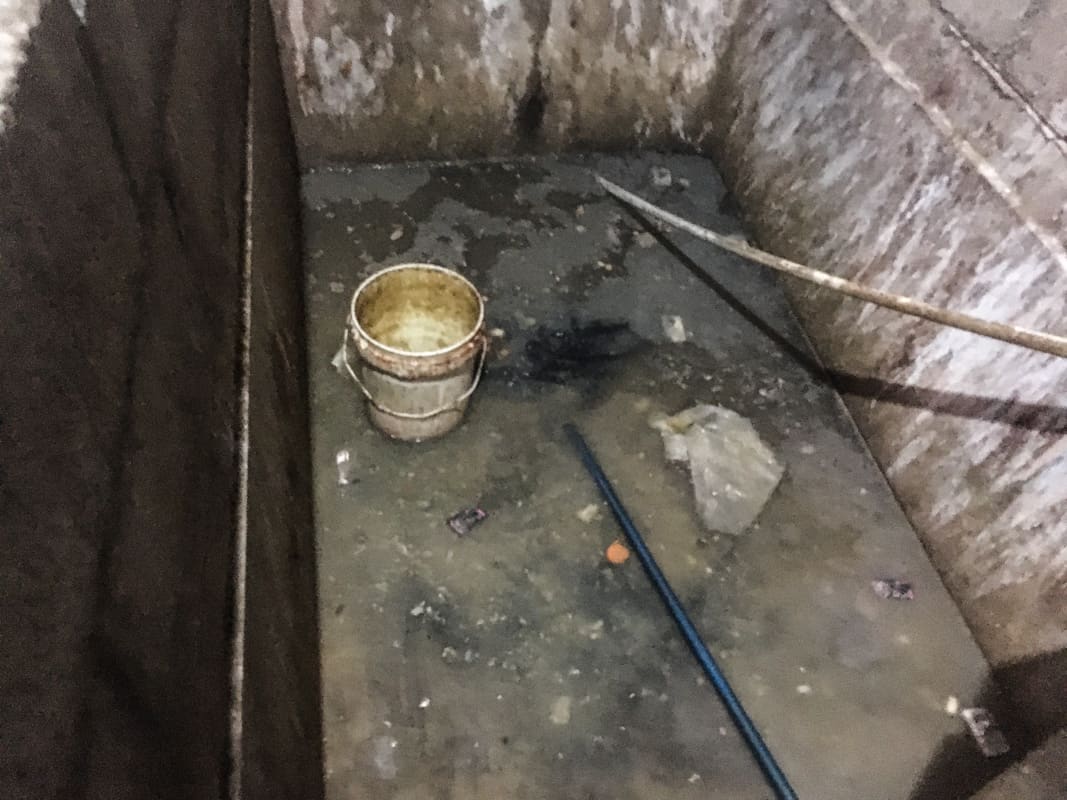
This bathroom is clogged for several days now. It is practically unusable. There are only two bathrooms in this colony.
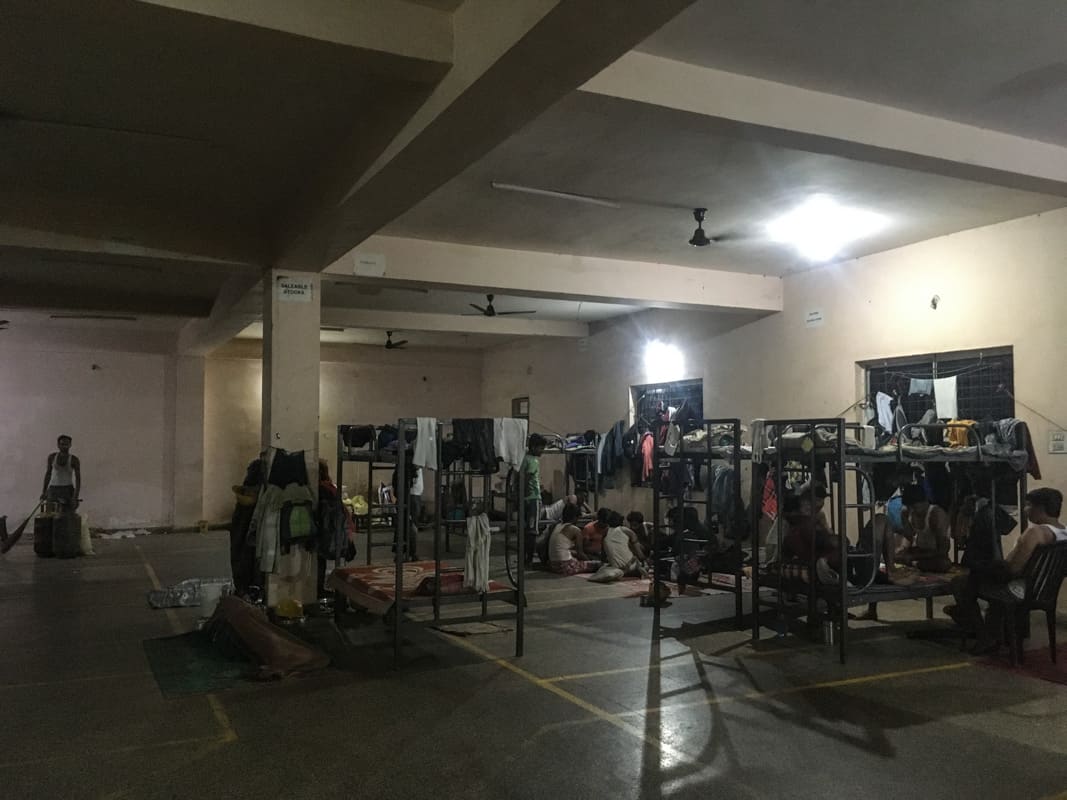
Poor ventilation, congestion and lack of privacy.
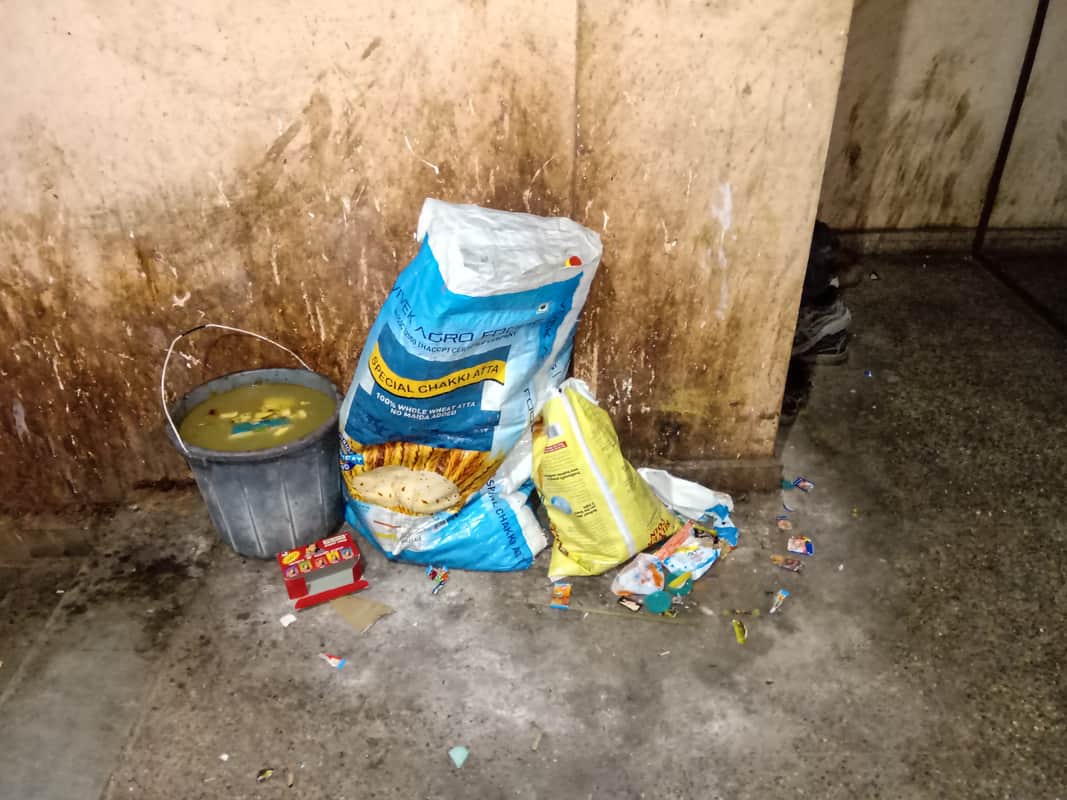
At the time of our visit, garbage had not been cleared for two weeks from the building. There is no place to dispose of garbage, so it piles up by the staircase of each floor.
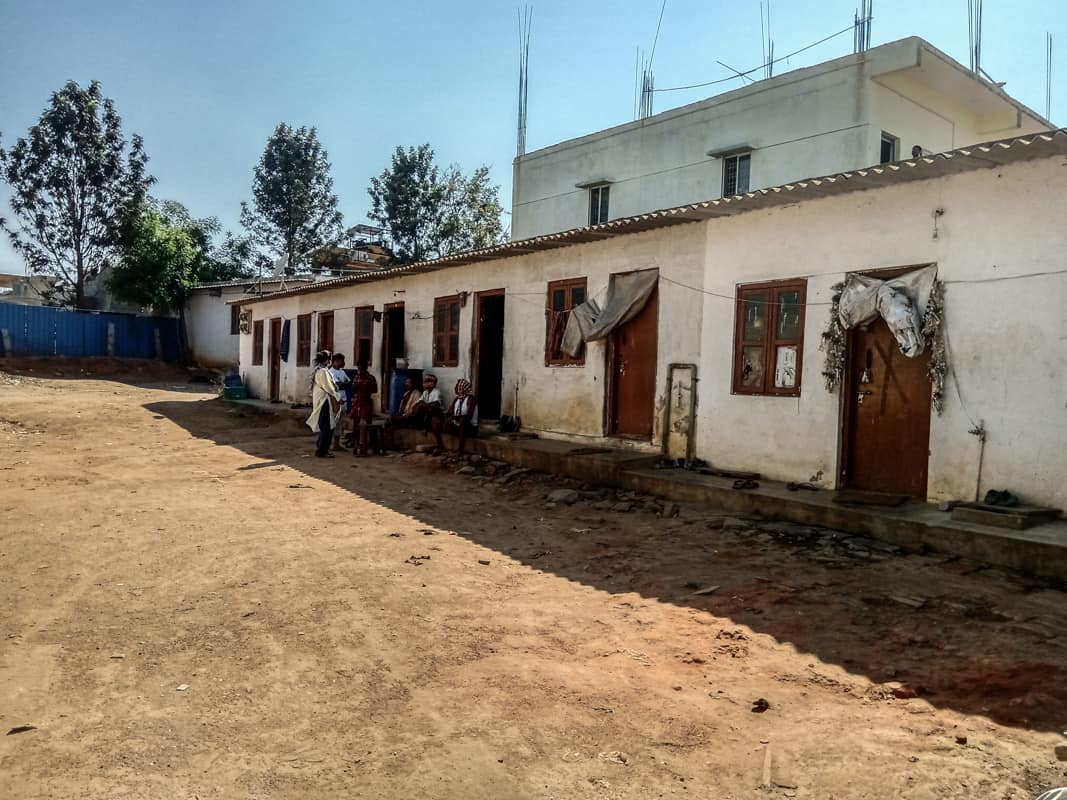
A labour colony in Electronic City, where over 200 workers live in quarters.
“We are afraid of what will happen to us and what will happen to our families. We don’t want to die in a foreign land. We will stay healthier when we are with our families and loved ones. When will the lockdown end? When can we book our train tickets?”
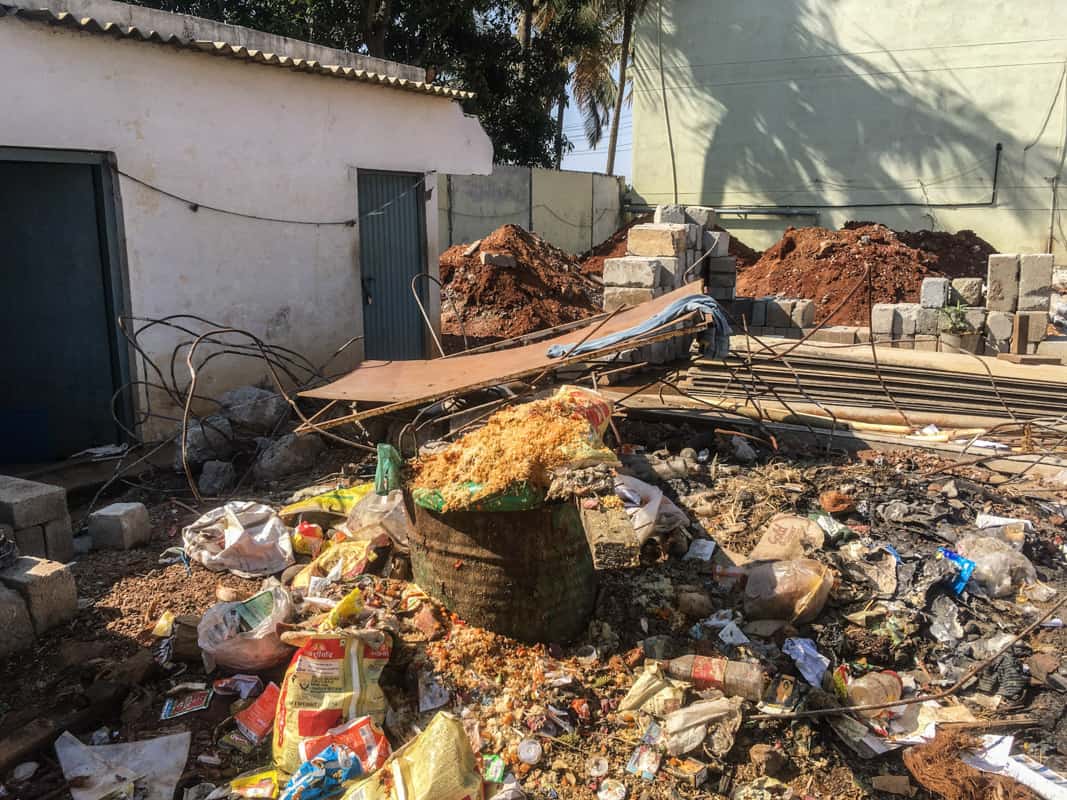
Outside the workers’ houses, lies sewage and stagnant water from the drain. On one side lies an open garbage dump that has not been cleaned.
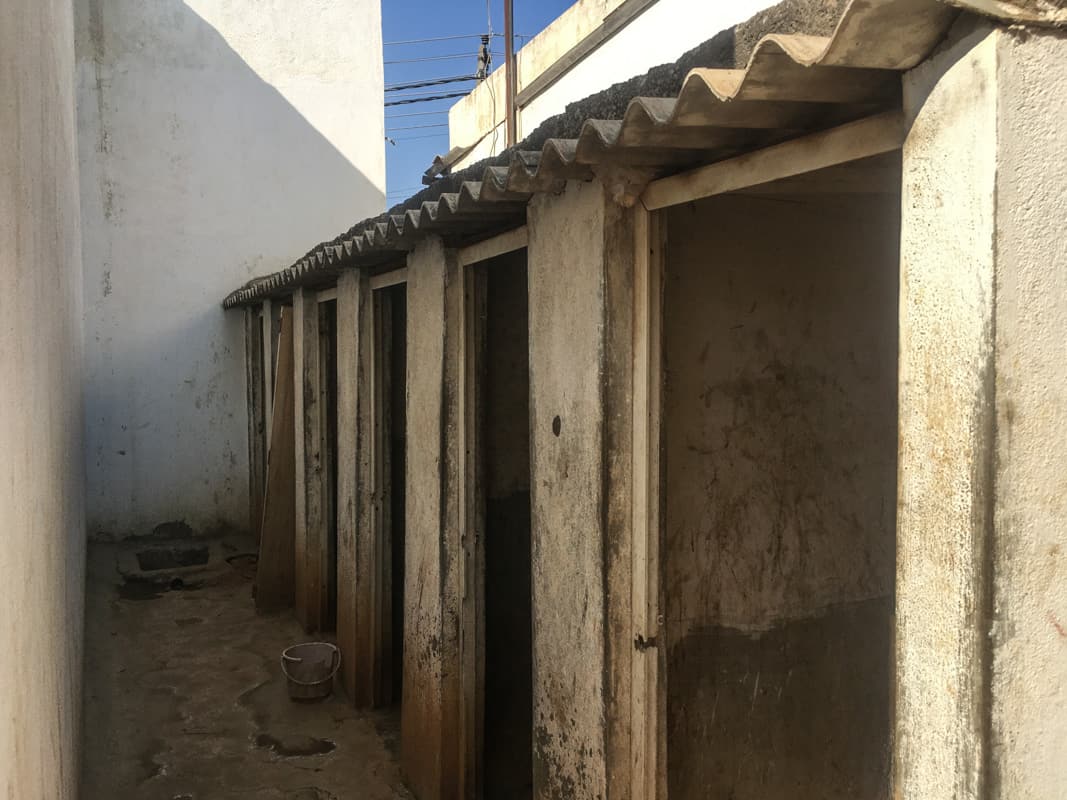
Bathrooms do not have doors. Of the four bathrooms, only two are functional. The rest are clogged and have not been cleaned in months. This has to be shared between 200 workers.
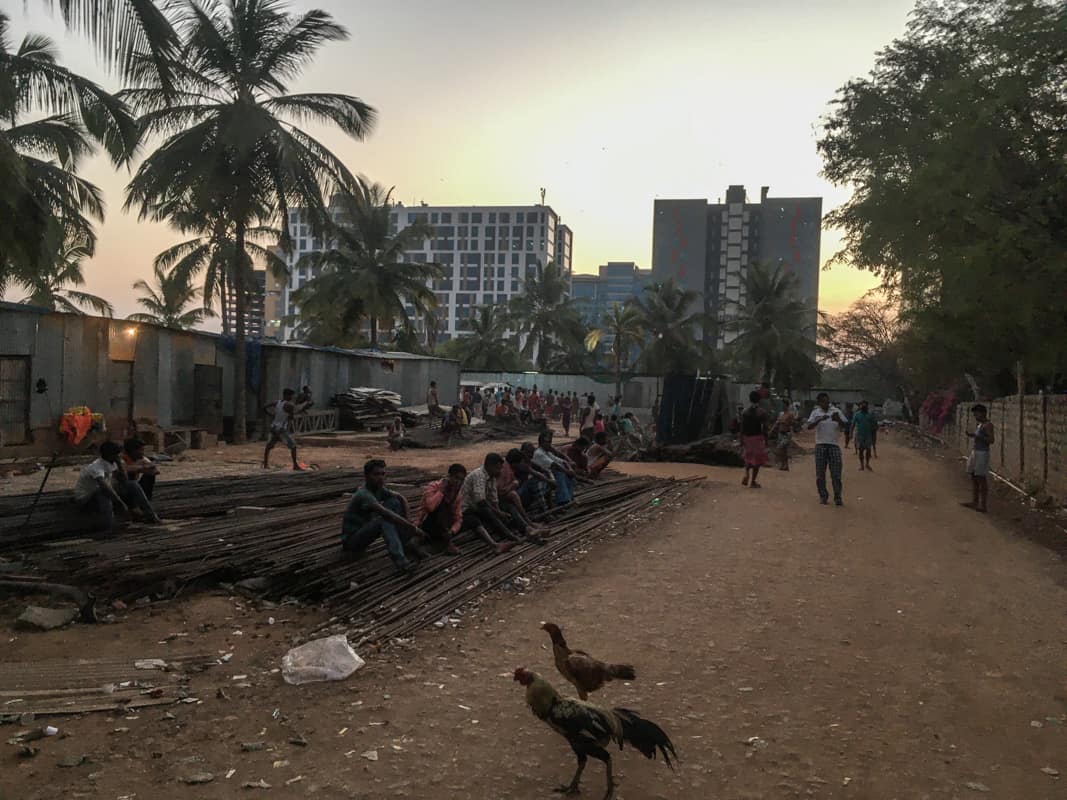
A labour Colony on ECC Main road, ITPL, where about 100 workers from different parts of North and Central India reside.
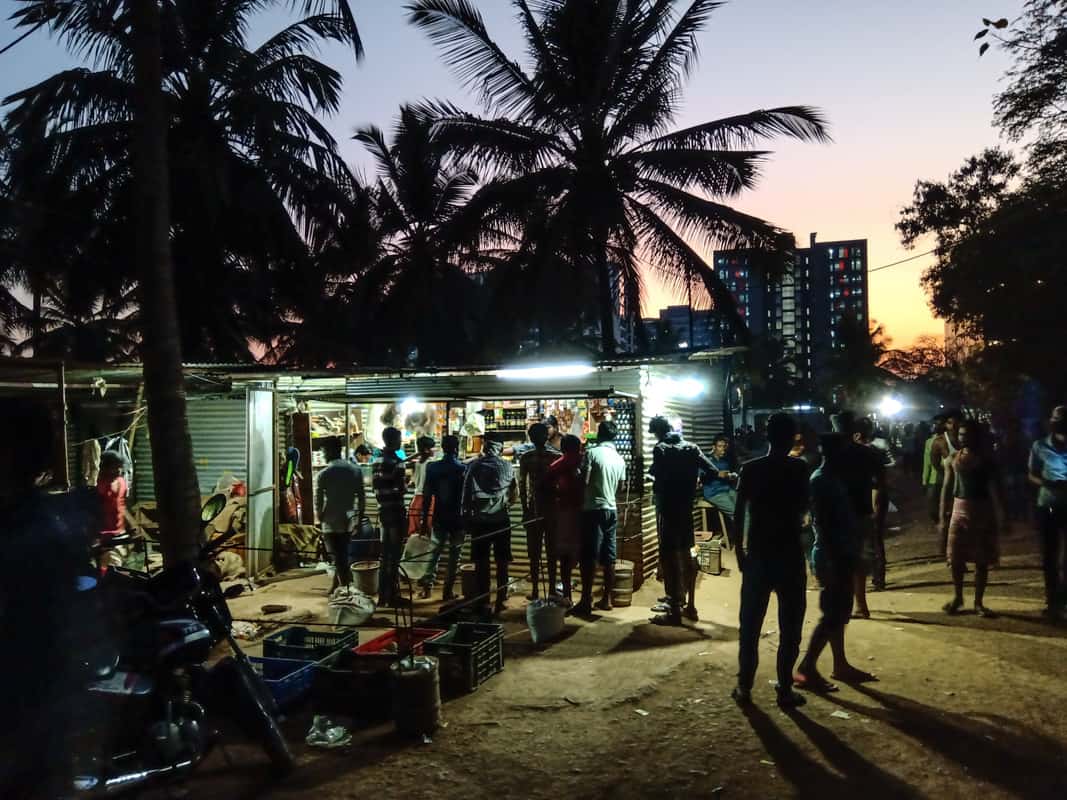
Ration shop at the ITPL colony which supplies ration to roughly 2000 workers from two colonies in that area.
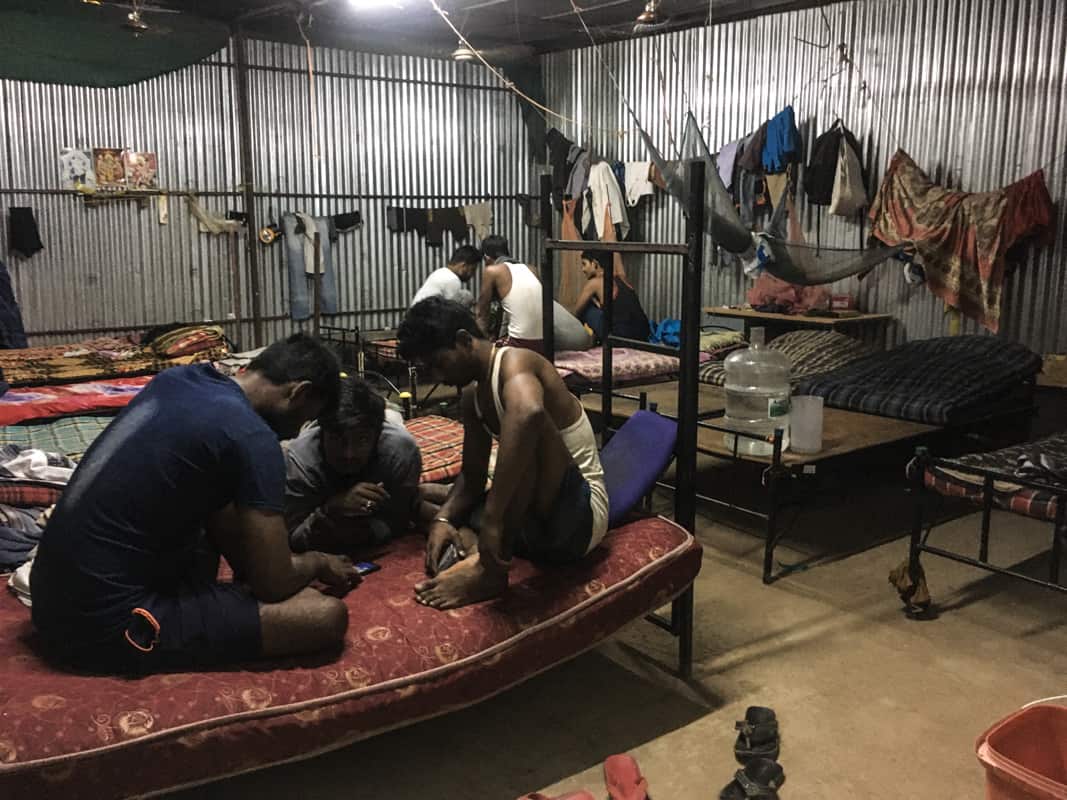
During the lockdown, workers are crammed in tin sheets rooms that absorb heat. There are no fans in the labour colonies. The workers also complained of mosquitoes.
“How can we practice social distancing when we live like this? There is hardly any space to breathe here in the heat.” asked a worker.
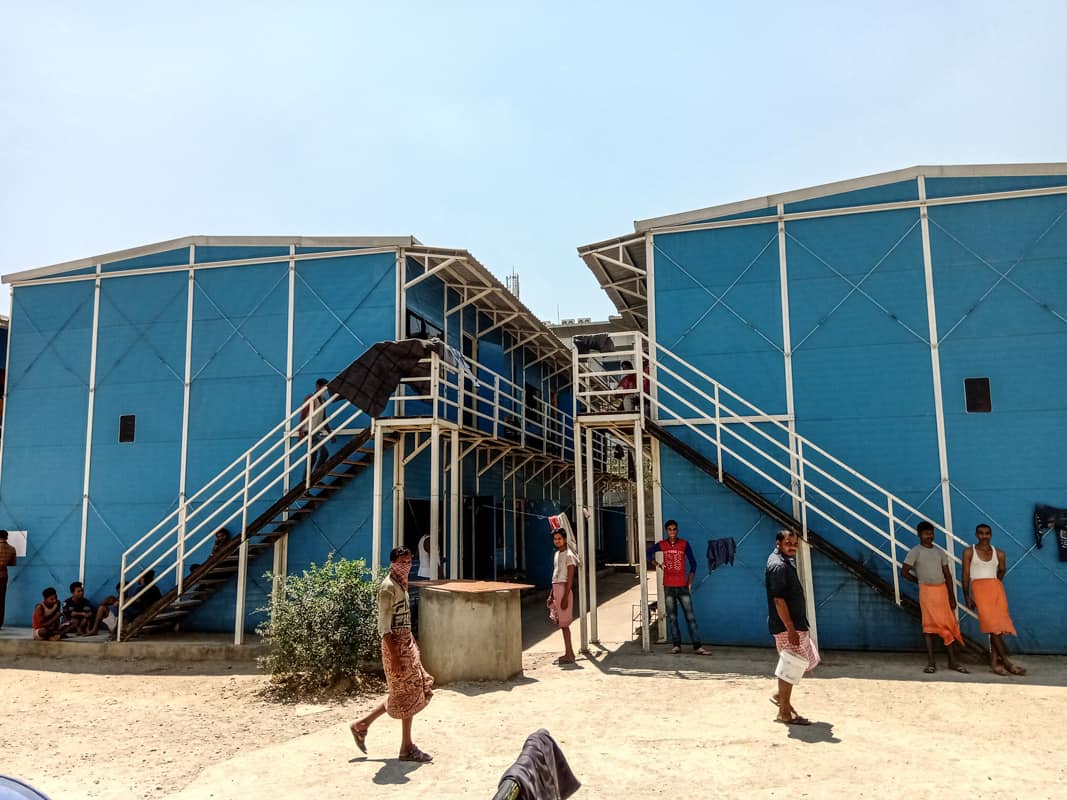
Labour colony of URC company, Bommanhalli, where there are 836 workers from West Bengal, UP, Bihar, Jharkhand and Orissa. There is a ration shop located within the colony that is opened during specific hours.
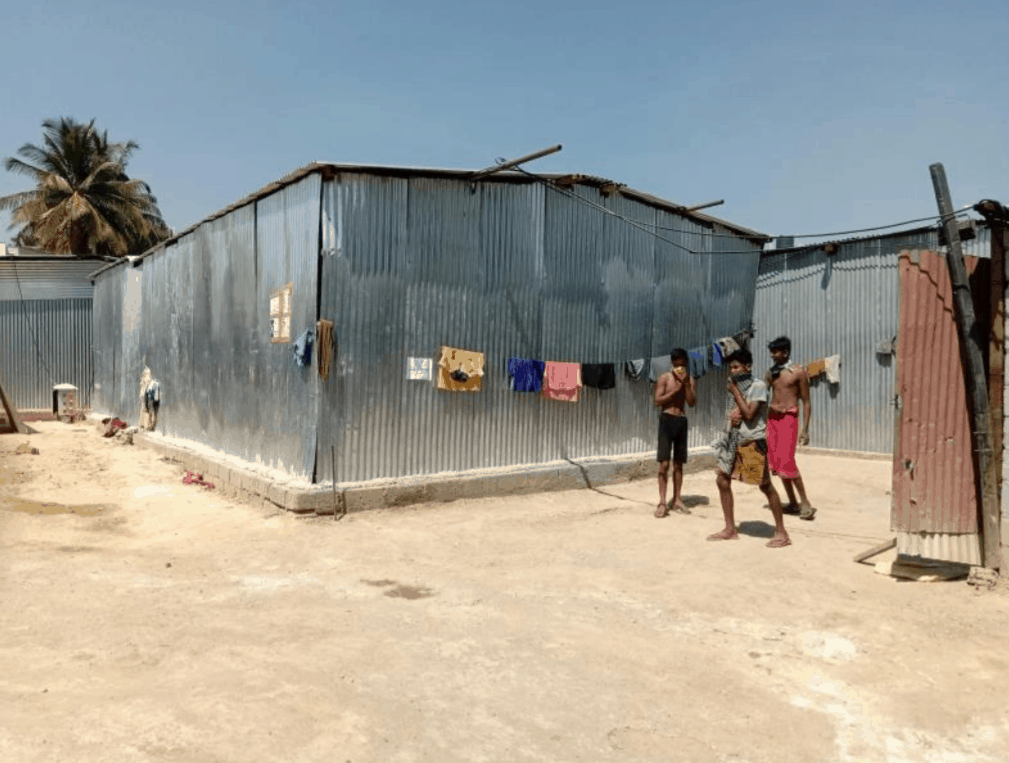
“Our rooms are very small. There are no fans, and these days it is very hot. The sun heats up the tin. We feel like we will catch fire inside.”
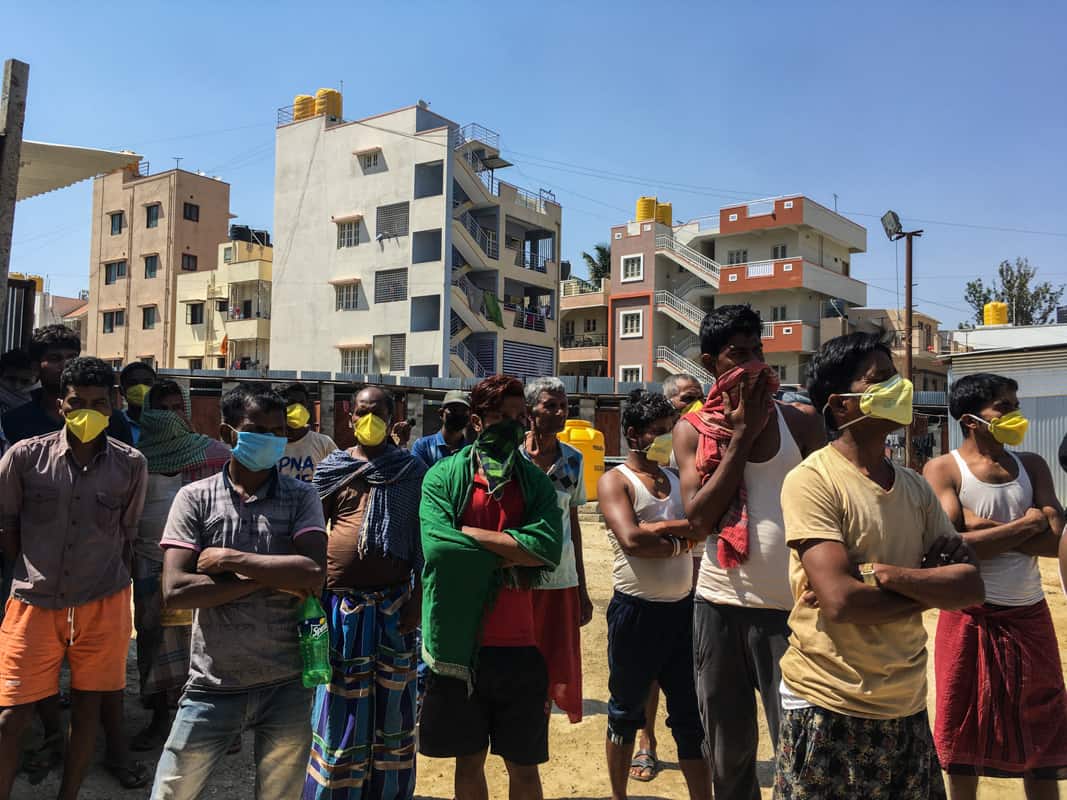
Find Maraa’s full report here.
[This article is based on a press release from Maraa, with inputs from their report. All pictures taken by Maraa.]