Chennai recorded the highest temperature of 42.7 degrees Celsius on May 17 last year, marking the hottest day of summer so far. According to a study by Heat Watch, titled Struck by Heat: A News Analysis of Heat Stroke Deaths in India in 2024, 733 deaths due to heatstroke were reported across 17 states in India between March and June.
This year, the sweltering conditions have returned early. The India Meteorological Department has issued a forecast and heatwave warning, stating that maximum temperatures will likely remain above normal by 1 to 3 degrees Celsius across many parts of coastal Tamil Nadu between May 8 and May 14.
Further intensifying the heat, Tamil Nadu’s peak summer period, Agni Natchathiram, also known as Kathiri Veyil, is set to begin on May 4th and will last until May 28th. With children identified as a particularly vulnerable group, the State Minister for School Education, Anbil Mahesh Poyyamozhi, said that a decision on postponing the reopening of schools would be made closer to the reopening date, based on weather conditions.
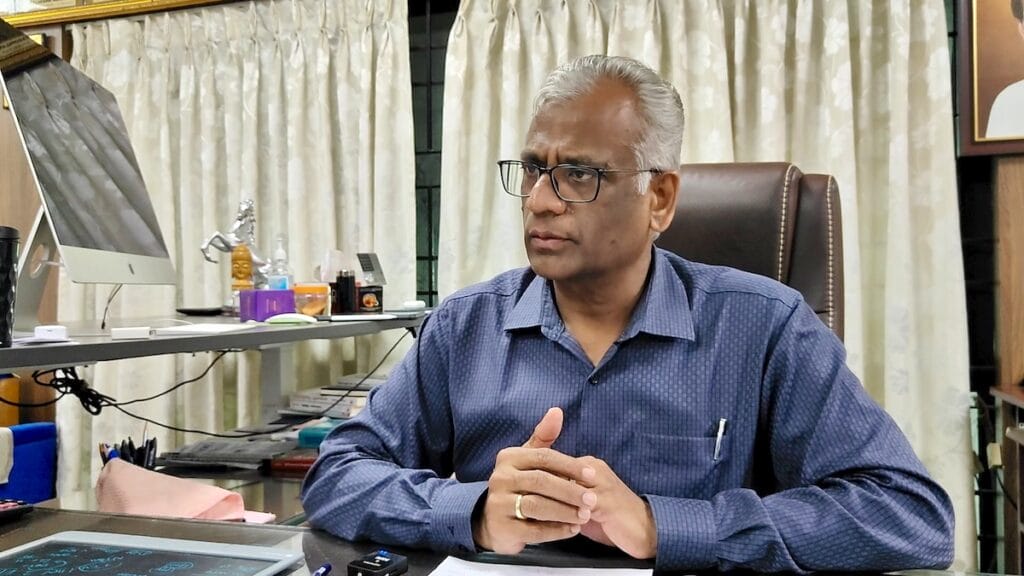
Given the growing health risks posed by extreme heat, we spoke to TS Selvavinayagam, Director of Public Health and Preventive Medicine,
Read more: Inclusivity is pivotal to measures against heat, says urban planner Jaya Dhindaw
On preparatory measures to handle heatwaves
In this interview, he advised the vulnerable groups, like outdoor workers, particularly gig workers, construction workers, children and senior citizens, to take precautionary measures while going out between 12 pm and 3 pm.
Common symptoms of heatwave-related illnesses include dryness, headaches, dizziness, fainting, vomiting, stomach pain, and leg cramps. When such symptoms arise, individuals should seek shade and hydrate themselves immediately. “In severe cases, the public can call the 108 ambulance service, which will transport patients to the appropriate healthcare facility,” says Dr Selvavinayagam.
Read more: Gig workers and heat: What do existing policies say?
Speaking on the surveillance of cases, he notes that they have a web portal called the Integrated Health Information Platform under the Integrated Disease Surveillance Programme. Both private and government hospitals can report the cases here. “We have also made provisions for the community to report the cases in this portal. We have a separate section in the same portal for heatwave-related illnesses. The public can report any of the common symptoms (as mentioned above), while hospitals have more technical categorisation, like heat exhaustion and heat stroke,” he says.
Watch the full interview here.