Poor roads have been an inconvenience for Chennaiites across the city. An approach road to the arterial TH road, which was used extensively by residents and passers-by, was damaged in part by rains and in part by civic work in the area. As a result, residents were forced to use the road under extremely unsafe conditions for months on end.
With some impetus from civic-minded members in the area, the efforts of the Ward Councillor and the cooperation of residents, the road was finally fixed. The key learning from this experience has been the need to develop a rapport with the local Councillor and the power of repeatedly following up on an issue using all channels available for grievance redressal.
Damage to the road and issues faced by residents
The approach road suffered damage from the monsoon rains as well as work being carried out to build a pumping station in the area. Two-wheelers were often unable to spot potholes while traversing this road and met with accidents frequently. The potholes also saw water stagnation.
“Due to the damaged approach road to TH Road, I have lost control of my bike many times,” says Kumar*, a resident of Corporation Colony.
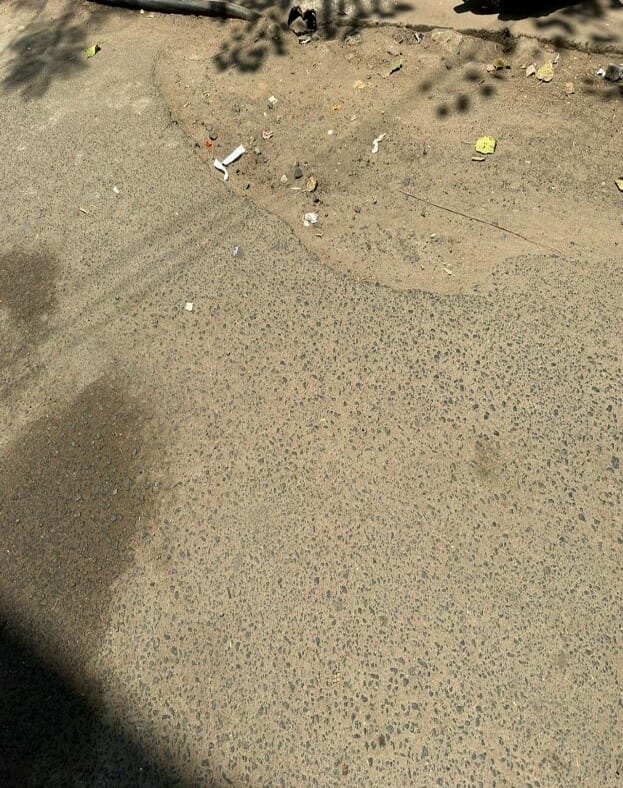
It is not just the rain and the civic work that contributed to the poor state of the road. Residents too played a part in it.
“The residents have also constructed ramps extending a few feet into the road. The ramps have often covered drains and pathways for rainwater to seep into the ground. This has caused further stagnation of water and worsened the damage to the road,” says Vasanth*, a resident of Corporation Colony.
Read more: Poor administration turns Padur roads into accident hot spots
Reaching out to the Ward Councillor to fix the road
Previously, I had been able to register civic complaints such as issues with roads through the Namma Chennai app. But with the app’s unavailability for iOS users, that was no longer a possibility.
With the election of Ward Councillors after the local body polls last year, the Councillor of our Ward – Ward 40 – became our point of contact to raise the issue of the damaged road. The residents had a meeting with her upon her election.
A few months later, when the issue of the damaged road was raised, we secured an audience with her and were assured that the road will be fixed at the earliest. Maintaining constant contact with the office of the Councillor was one of the key ways we were able to get updates on the complaint.
“The Councillor was very receptive but getting the road fixed took some time. Whenever we approached the office of the Councillor, they heard us out and provided reasonable responses to the grievance but the plight of the residents continued for a while after,” says Sudha*, a resident of Corporation Colony.
Residents also faced some difficulties being able to meet the Councillor on occasion due to her work in the ward and Council meetings at Ripon Building. However, they were able to stay updated by repeatedly following up on the matter.
Challenges in fixing the damaged road
Once some headway was made on the complaint regarding the status of the road, residents had to work together to ensure that the civic body can carry out the repair seamlessly.
The road cut to fix the damage had to be done by a huge vehicle that almost took up the width of the road. To ensure that the vehicle could have access to the road, residents had to move all vehicles parked by the side of the road to create a passage.
Next, residents who had ramps extending onto the road had to be persuaded to allow for a section of the ramp to be broken so the vehicle has room to pass.
Once these arrangements were in place, the civic body was able to carry out the work.
In a bid to maintain the cordial relationship with residents in the area, the Ward Councillor’s office has sent a load of tar to fix the broken ramp of certain households in Corporation Colony on their request.
Read more: Councillor talk: Improving roads the aim for Fathima Ahamath of Ward 61 – Egmore
Learnings from the experience
With our efforts paying off, some of the takeaways from the experience are ones I would like to share with fellow Chennaiites.
The role of the Ward Councillor in representing the interests and grievances of the residents at the council and addressing them must be recognised. The residents can reach out to their respective Ward Councillors with civic issues that have authority over. The complaints can be shared in person at the office of the Councillor.
Building a rapport with the Ward Councillor can ensure that the residents can share all grievances and follow up until their resolution. Councillors can be the first point of contact for residents inconvenienced by civic issues.
Civic issues can also be raised in the Area Sabha meetings which are set to be held across the wards in the coming months. This is a platform that the residents can leverage as it would be civic authorities and residents together.
Additionally, residents can also alert the authorities through the 1913 helpline, the Namma Chennai App and also reach out to the ward-level officials of the Greater Chennai Corporation.
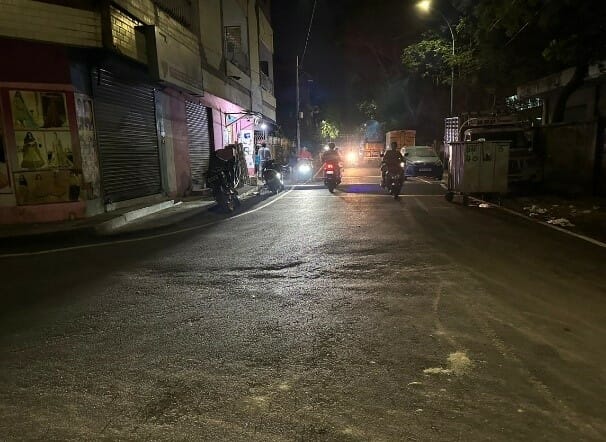
More often than not, multiple residents working together and pursuing all of the avenues mentioned above is what it takes to solve civic issues in Chennai. While the process may be effort and time-intensive, the results are a worthy payoff. The pothole-free, black-topped approach road in our locality feels so.