Speeding vehicles, traffic biggest barriers: Chennai cyclists

The civic body and Chennai Smart City Limited recently conducted a survey to understand what could be done to make the city cycle-friendly. Here are the results.

The Greater Chennai Corporation (GCC) and Chennai Smart City Limited (CSCL) conducted a ‘cycling preferences survey’ with an aim to understand the challenges faced by cyclists, improve the roads and make them cycle-friendly and promote cycling. It was done as part of the Cycles4Change Challenge, an initiative of the Ministry of Housing and Urban Affairs, to inspire and support Indian cities to quickly implement cycling-friendly initiatives in response to COVID-19.

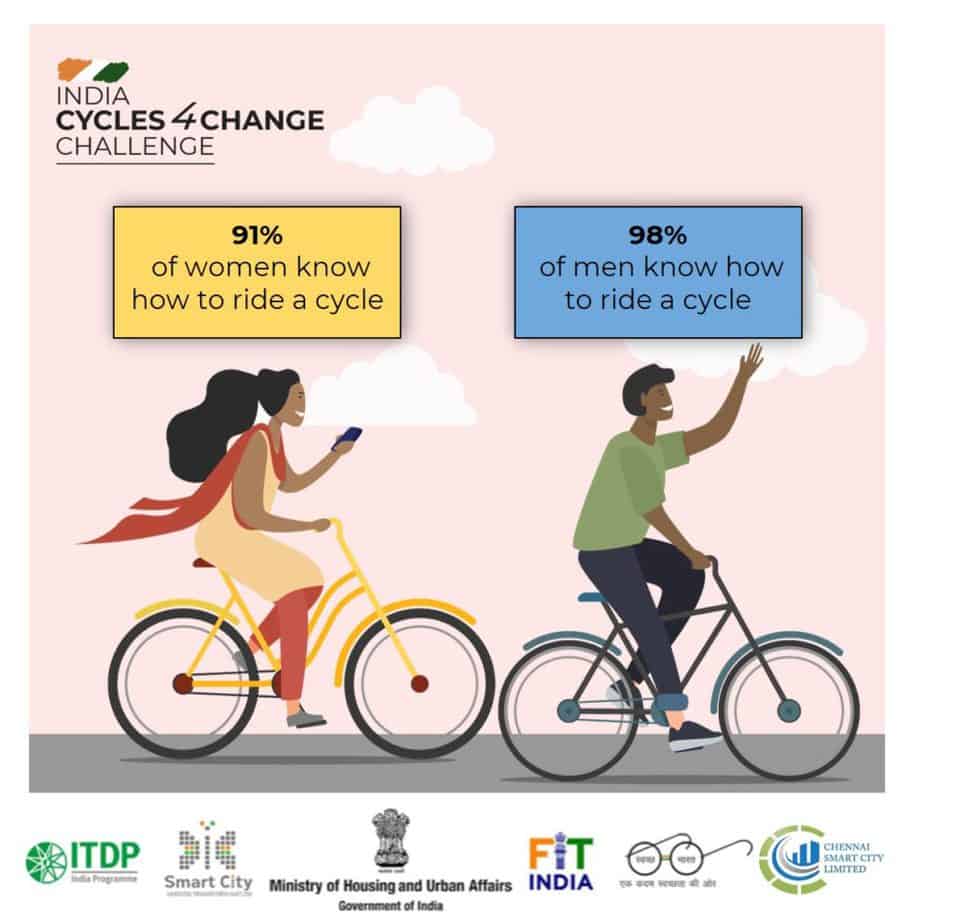
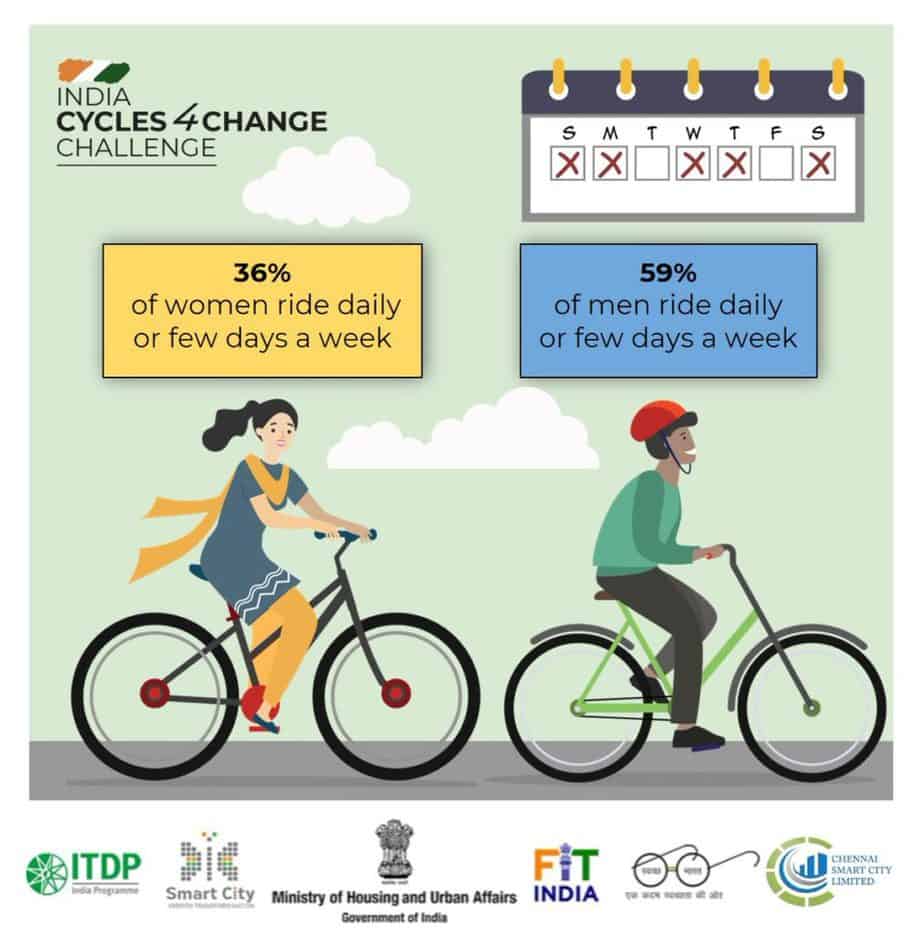
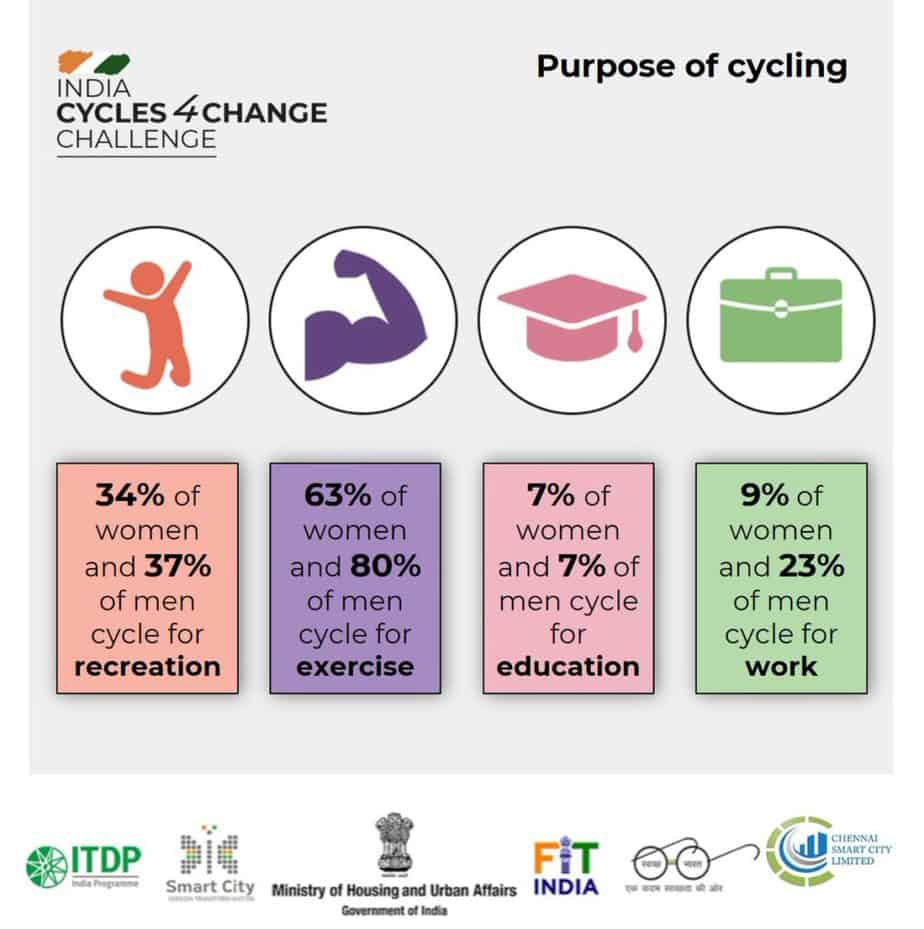
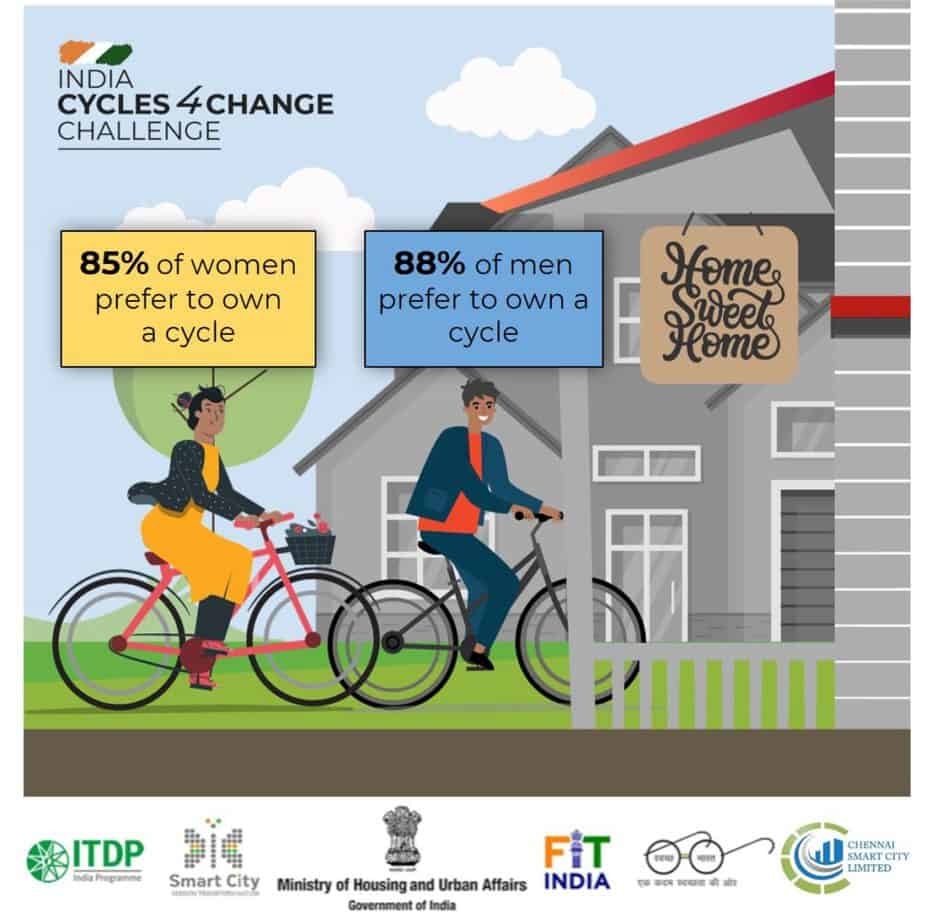
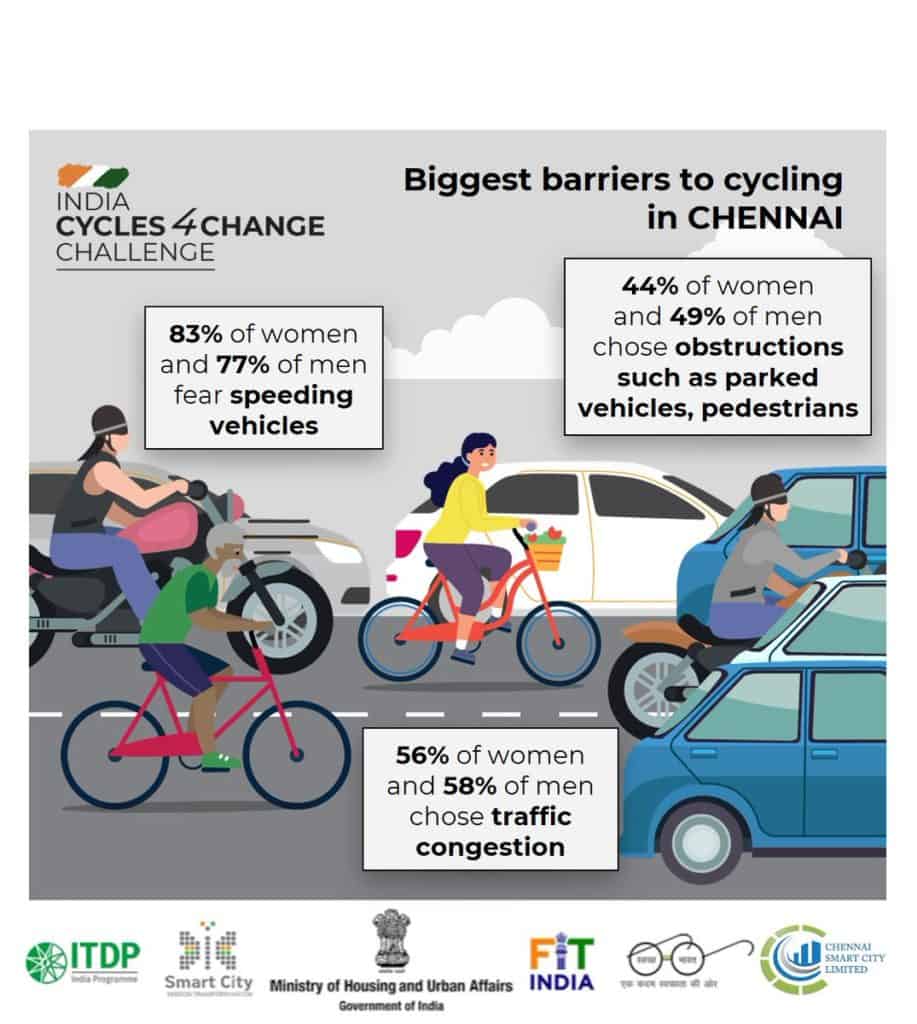
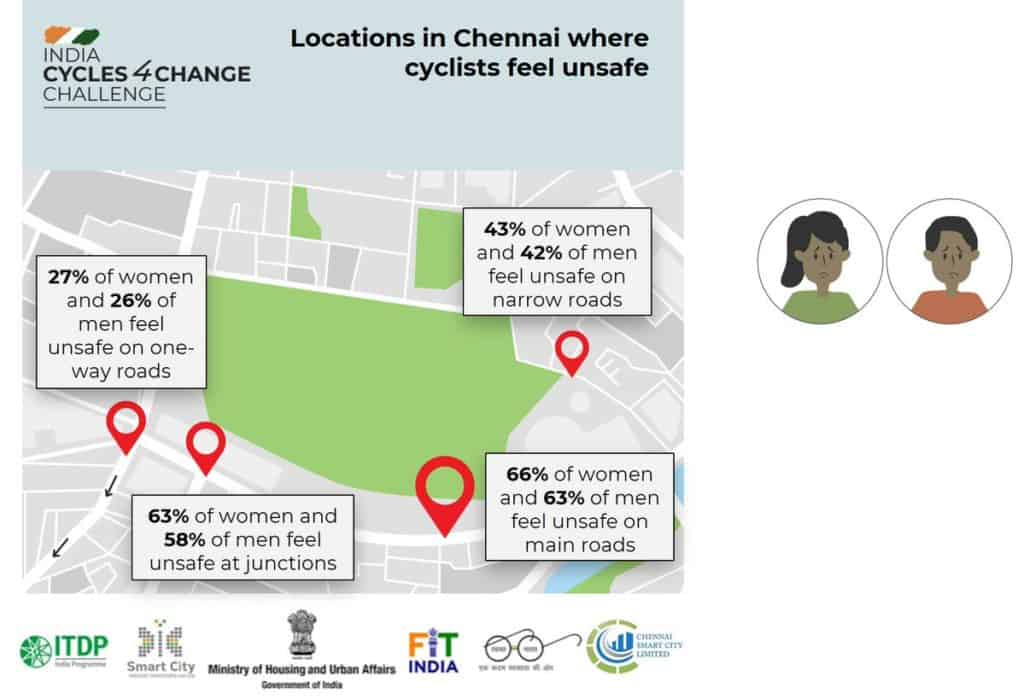
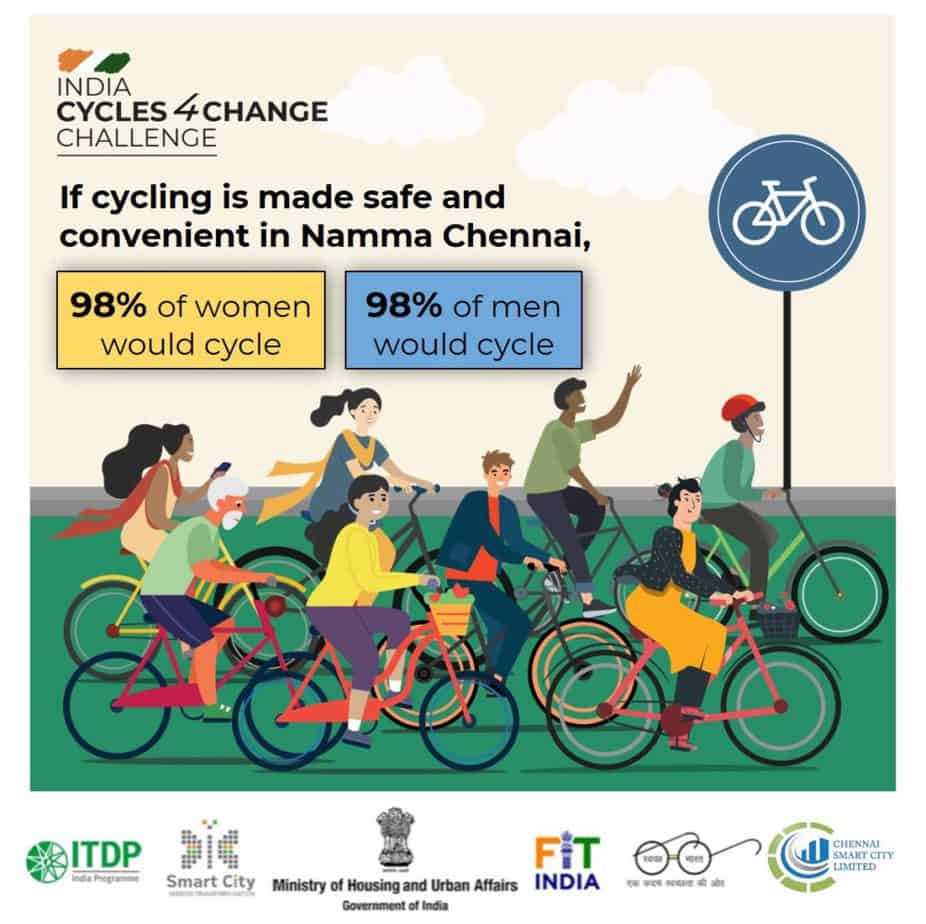
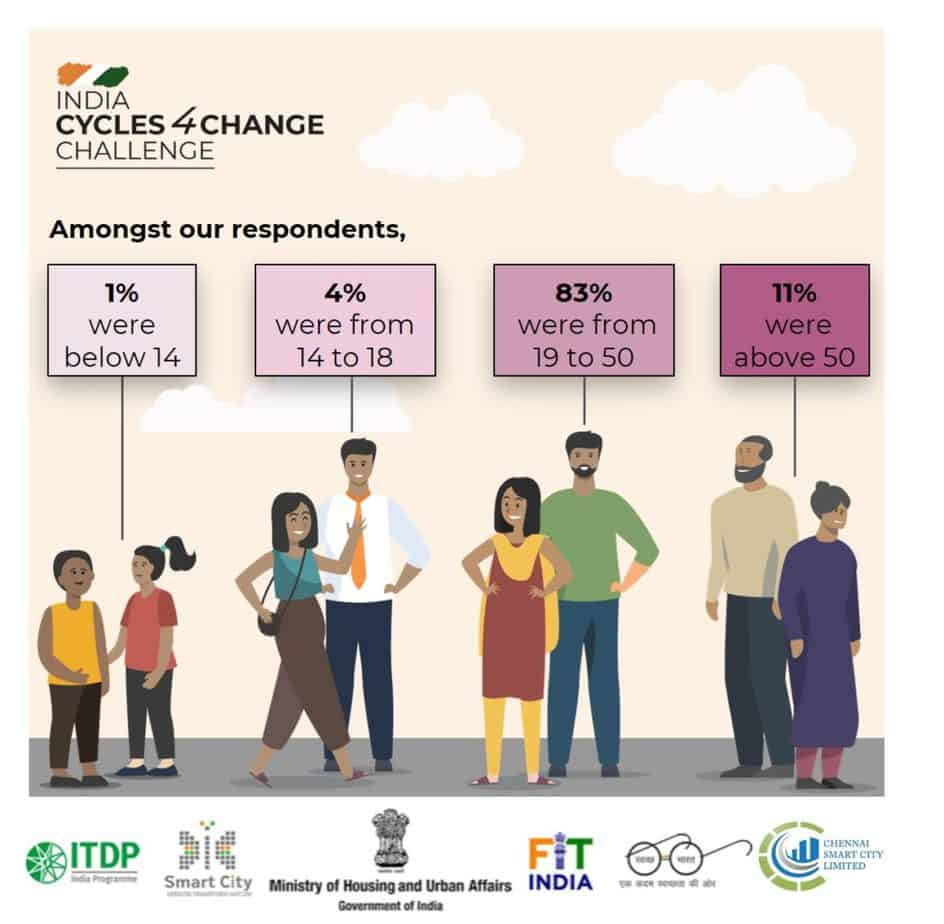
A total of 1968 participants took part in the survey. Here are the results:
Interestingly, the Greater Chennai Traffic Police Police (GCTP) experimented with a Dedicated Bicycle Lane (DBL) on Kamarajar Salai on October 28th with help of cones and barriers. Kannan Nagarajan, Additional Commissioner of Police, Traffic, Greater Chennai Police, tweeted that the lane would be formalised in the early morning hours (non-peak hours) if there are more users.

(Inputs and graphics sourced from CSCL.)

Leave a Reply

Your email address will not be published. Required fields are marked *

Similar Story

Civil society groups push for cleaner, safer and accessible transport in TN cities

The Tamil Nadu Urban Mobility Charter 2031 urges more buses, EV adoption, and safer streets to make cities equitable and people-first.

A collective of active citizens, non-governmental organisations, sustainable transport experts, and other stakeholders has called for strengthening the public transport network in Tamil Nadu's cities, making it accessible to all and creating low-emission zones across urban centres. The Sustainable Mobility Network (SMN), a coalition of over 30 civil society organisations across India, has released the 'Tamil Nadu Urban Mobility Charter 2031', a comprehensive roadmap urging political parties and governments to put sustainable mobility at the heart of the state’s development agenda. The Charter was shaped through a multi-stakeholder roundtable convened by ITDP India, Citizen consumer and civic Action Group (CAG),…

Similar Story

Freebies or freedom? What bus subsidies do for Indian women

Free bus travel for women in Indian cities cuts transport costs by 50 per cent and boosts jobs. Watch this interview to know more.

Across Indian cities, women depend heavily on buses to get to work, school, healthcare, and to manage everyday caregiving. In recent years, several states have introduced women-specific bus fare subsidy schemes. Delhi, Karnataka and Tamil Nadu offer completely free rides for women in state-run buses, while Maharashtra offers 50% subsidy. Read more: Who benefits from the free bus for women scheme? These schemes have been both vilified as 'freebies' or touted as transformative solutions for women’s mobility. But do these schemes actually work? In 2025, the Sustainable Mobility Network commissioned a study to answer this very question. Beyond Free Rides…