Find Nature in a public park…

One doesn't really need to visit a wildlife sanctuary to soak in the sights of Nature's beauty. A trip to a neighbourhood park serves just as well.

One doesn’t have to visit distant forests or wildlife sanctuaries in order to find the beauties of Nature… a visit to the local park will do just as well. Here’s what I did on a recent morning visit to Lalbagh.

First of all, I soaked in the morning sun, and the freshness of the air.
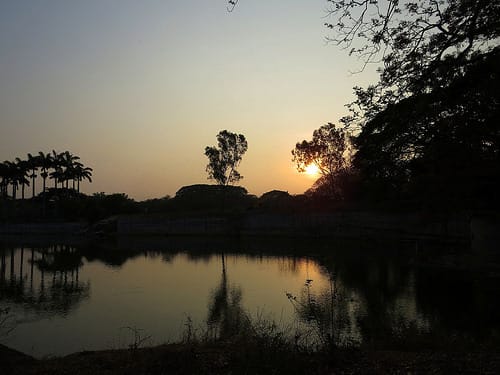
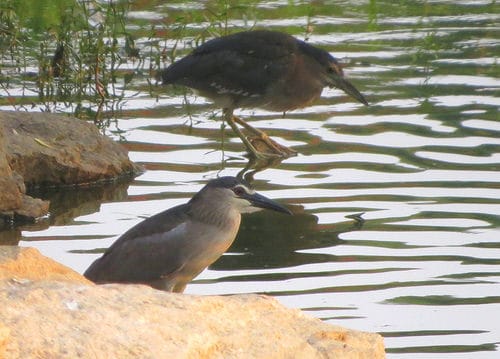
I then walked along the lake, and I found these Black-crowned Night Herons, looking, hopefully, for a fish breakfast.
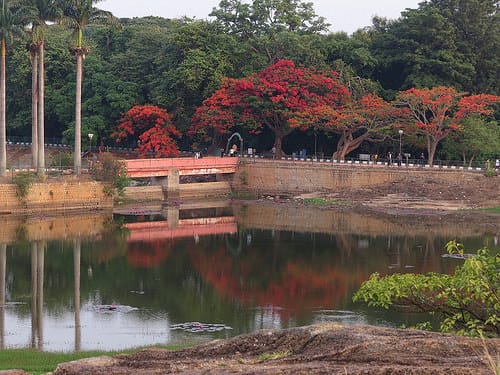
There were so many flowers still blooming, even though Bengaluru has been at its hottest. Here are the Gulmohar blooms, setting the park afire.
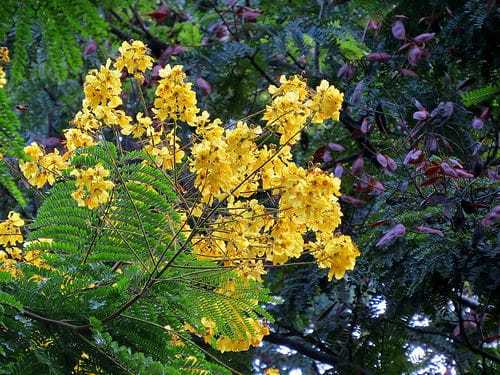
Here are Copper Shield Bearers with their lovely yellow blooms.
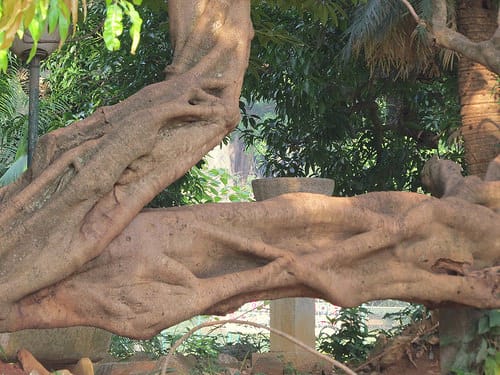
This is the huge Bauhinia vine near the Glass House.
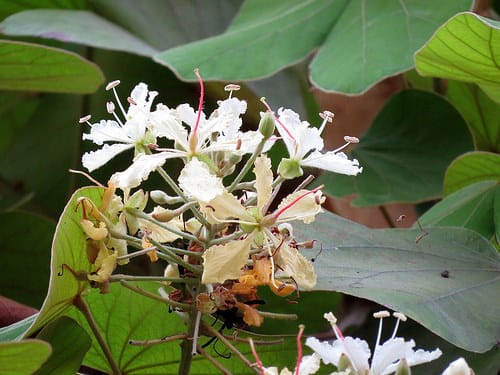
Bauhinia vine at the Glass House. Pic: Deepa Mohan

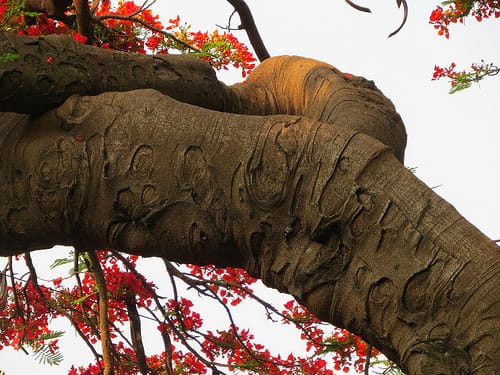
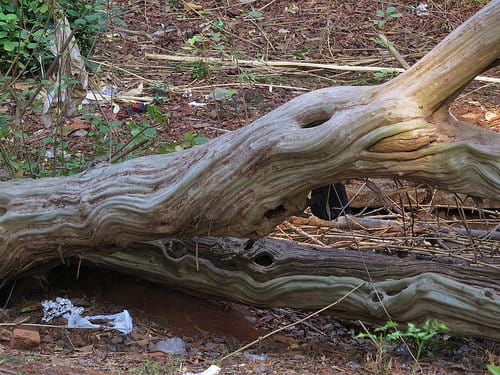
Tree trunks themselves are works of art!
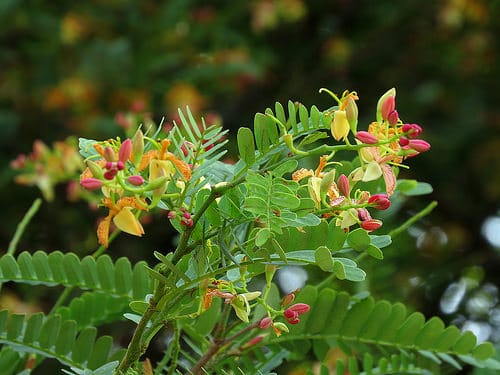
Even common trees like the Tamarind had beautiful flowers!
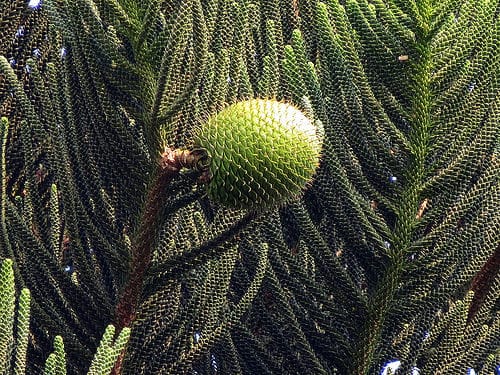
Unusually, I found a cone on the huge Araucaria tree, which is about 100 years old!
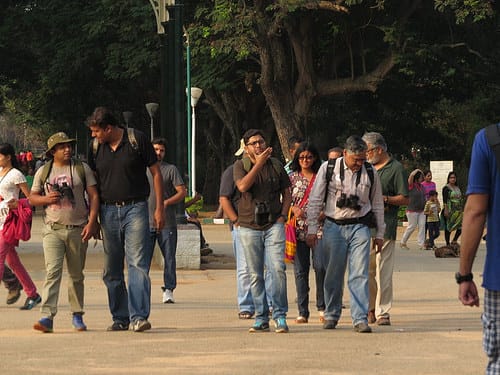
The birdwatchers were out with the joggers, the walkers and the yoga enthusiasts.
And the birds, of course, were everywhere!

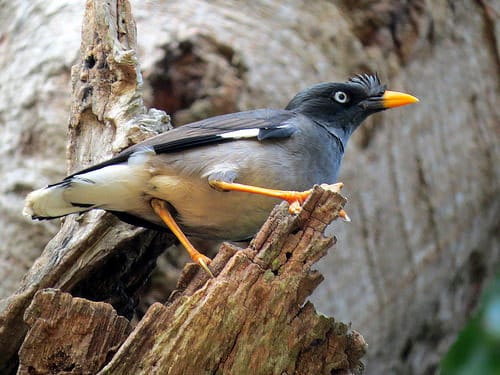
Jungle Myna
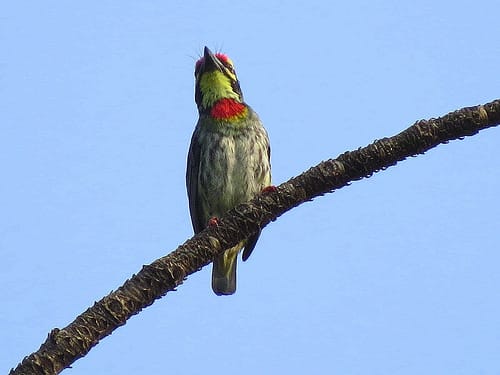
Coppersmith Barbet
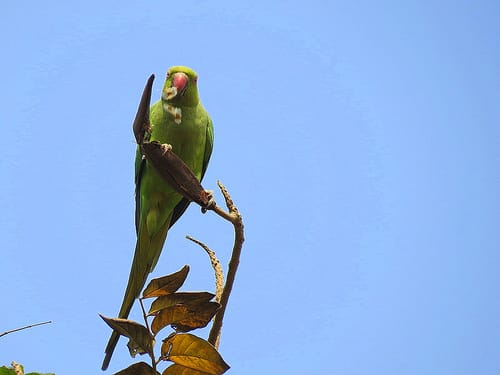
A Rose-ringed Parakeet dispersing Spathodea (African Tulip) seeds while feeding on them
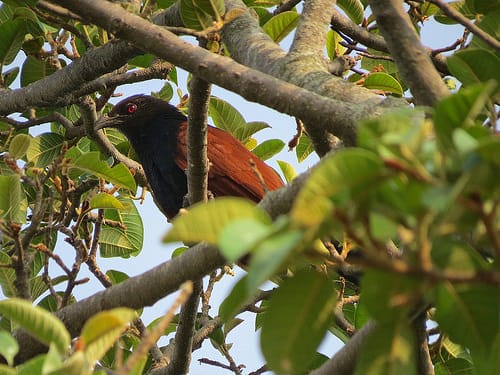
Southern Coucal
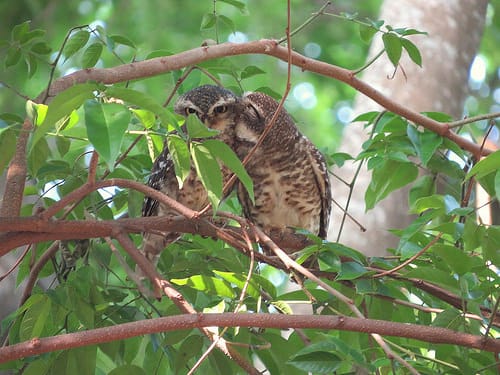
Spotted Owlets preening each other
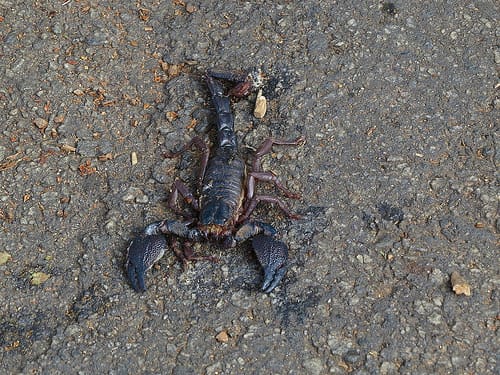
Some bird of prey had dropped this large scorpion on the path!
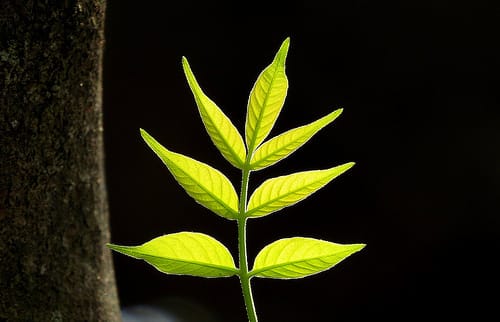
I enjoyed the morning sunshine through the green leaves.
So, if you’re feeling tired, or in need of some soul-pick-up, just walk around in the nearest park, looking and listening, and you’ll come away with your mind and heart refreshed!

Leave a Reply

Your email address will not be published. Required fields are marked *

Similar Story

Reviving the Cooum: Need for innovation, enforcement and shared responsibility

An analysis reveals how this Chennai river is affected by sewage dumping, encroachment of buffer zones and unchecked urban growth.

The Cooum River, once a sacred river that shaped the history of Madras, has now become a sad sign of urban degradation. For the millions of residents in Chennai, it has transformed into a malodorous, polluted, and stagnant channel, burdened with solid waste accumulation and extensive encroachments along its banks. During a recent datajam organised by Oorvani Foundation and OpenCity, we used Geographical Information System (GIS) datasets and population analytics to investigate the underlying causes contributing to this crisis. The results show that rapid urbanisation, inadequate provision of essential civic infrastructure, and the absence of coherent policy frameworks, along with…

Similar Story

Pallikaranai at a crossroads: Expert warns of irreversible damage to Chennai’s last great marshland

In an interview, naturalist Deepak V says the government must publish ecological maps marking wetlands and waterbodies to boost public awareness.

The Pallikaranai Marshland, one of Chennai’s last remaining natural wetlands, has long been a site of ecological tension. Its designation as a Ramsar site brought national and international recognition, along with renewed expectations for strong conservation measures. Yet the marshland continues to face intense pressure from urban development, infrastructure projects and real estate expansion.  Recently, Arappor Iyakkam, an anti-corruption organisation, alleged that state agencies illegally cleared environmental and construction approvals for a large high-value housing project within the Ramsar boundary. As the matter unfolds, it reveals how regulatory gaps and political inaction make the marsh vulnerable. Meanwhile, residents of Tansi…