It was recently reported that Bruhat Bengaluru Mahanagara Palike (BBMP) had received over Rs 28,000 crore in the past six years. The state government sanctioned over Rs 8,000 crore in 2022-2023 alone. Over 60% of this money has been spent on road works, including flyovers and underpasses. Of the Rs 8, 000 crore sanctioned last year, Rs 6,000 crore is being spent on road works. BBMP has issued work orders for this Rs 6,000 crore in one go, even though the money is meant to be spent over three years.
In the Karnataka budget 2023-24, presented on February 17th, Chief Minister Basavaraj Bommai proposed to develop 75 junctions, with the highest traffic congestion, at a cost of Rs 150 crore. He announced projects worth Rs 9,698 crore,in the State Budget, for the comprehensive development of Bengaluru. Rs 273 crore for the development of 108-kilometres of high density corridors was also announced.
The CM announced construction of a 5-kilometre elevated road, at a cost of Rs 350 crore, from Tin Factory to Medahalli and an integrated flyover from Yeshwanthpur railway station to Mathikere and BEL Road. He also promised a Rs 300-crore flyover to Byappanahalli terminal.
The white topping project of 120 kilometres of arterial roads in Bengaluru at a cost of Rs 1,000 crore and development of 300 kilometres of arterial and sub-arterial roads in the city, at a cost of Rs 450 crore, were also promised.
According to sources, BBMP is asking for an additional Rs 1,400 crore for white-topping and Rs 3,000 crore for flyovers and asphalting. This is a huge expenditure on roads, with not much to show for it. It also means that other sectors such as health, sanitation, education, and municipal labour have to make do with a much smaller share of this pie.
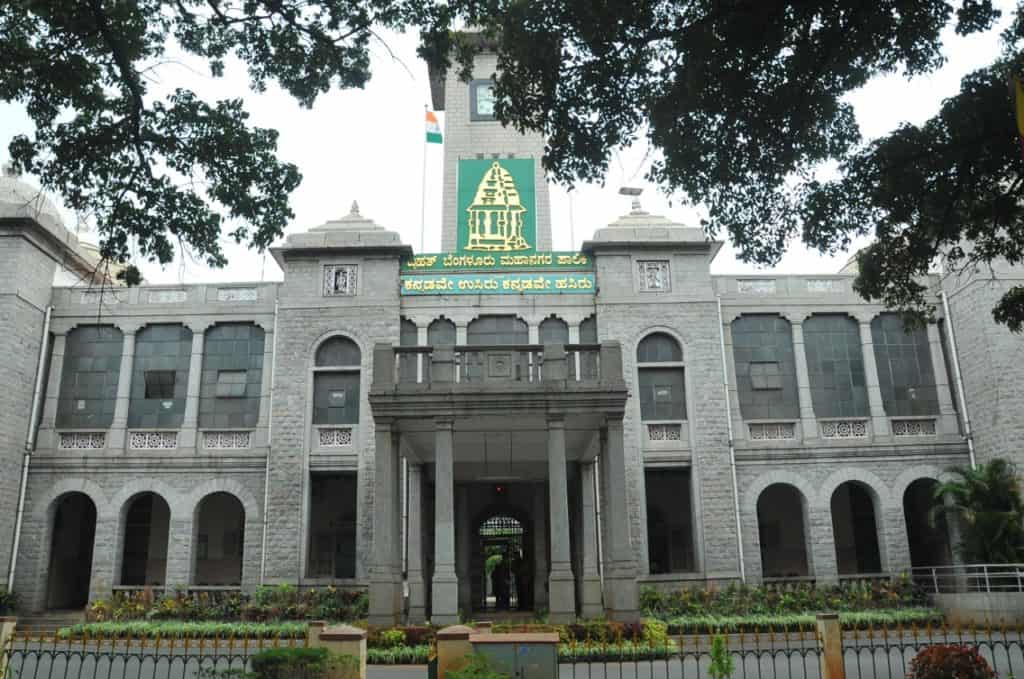
These reports also highlight the lack of information available to the public on allocations and spending. This raises questions like why is there such a complete lack of detail and transparency on the rationale for these budgetary allocations? Is there a broad city development plan and concept on the basis of which allocations are decided? Is this expenditure on roads justified?
Read more: A citizens’ wish list on what the BBMP’s budget should focus on this year
To discuss these issues, Bengaluru Citizen Matters is organising a webinar, titled ‘The mysterious process of Bengaluru’s budget allocations’.
The esteemed panellists
Kathyayini Chamaraj, executive trustee at Civic
Sukanya Bhaumik, an urban planner and a PhD scholar
Santosh Nargund, program lead, civic participation, Janaagraha
Event details
Date: February 23rd
Day: Thursday
Time: 6 pm onwards
Where: Zoom webinar, livestreamed on Bengaluru Citizen Matters YouTube channel