NCRB Report 2020: India registers a crime rate of 56.5 per one lakh women
As per the NCRB (National Crime Record Bureau) report for 2020, the country has reported a crime rate of 56.5 per one lakh women, compared to 62.3 in 2019. Of these, more than 1.11 lakh cases related to “cruelty by husband or relatives” while more than 62,000 cases were kidnapping and abduction. The report also revealed a grim situation in terms of heinous crimes like rape and murder. The country reported an average of 80 murders and 77 rape cases daily, according to the report. A total of 29,193 murders and 28,046 rape cases were registered in 2020.
Uttar Pradesh topped the chart in terms of most number of murders with Rajasthan reporting the most number of rape cases. The country also reported 105 cases of acid attack and 6966 cases of dowry deaths. The report also highlighted a crime rate of 28.9 per one lakh children in 2020.
Source: NDTV
Complete ban on firecrackers during Diwali in Delhi
On September 15th, Delhi government decided to impose a complete ban on sale, storage and use of all types of firecrackers. The government citied high levels of air pollution in the last three years as the reason. Delhi CM Arvind Kejriwal appealed to traders not to stock crackers, as they did last year, to avoid financial losses. The ban also covers green crackers, leading to outrage amongst traders.
Central Pollution Control Data (CPCB) data for the last three years have been alarming for the states of Rajasthan, Uttar Pradesh, Haryana and Delhi during Diwali. Hence the total ban this year.
Last year the ban had been imposed just before Diwali. But this year the government announced it well before Diwali to help traders manage financial losses.
Source: The Times of India
Read more: Opinion: This Diwali, let’s just be selfish!
Over two crore vaccination shots administered on September 17th
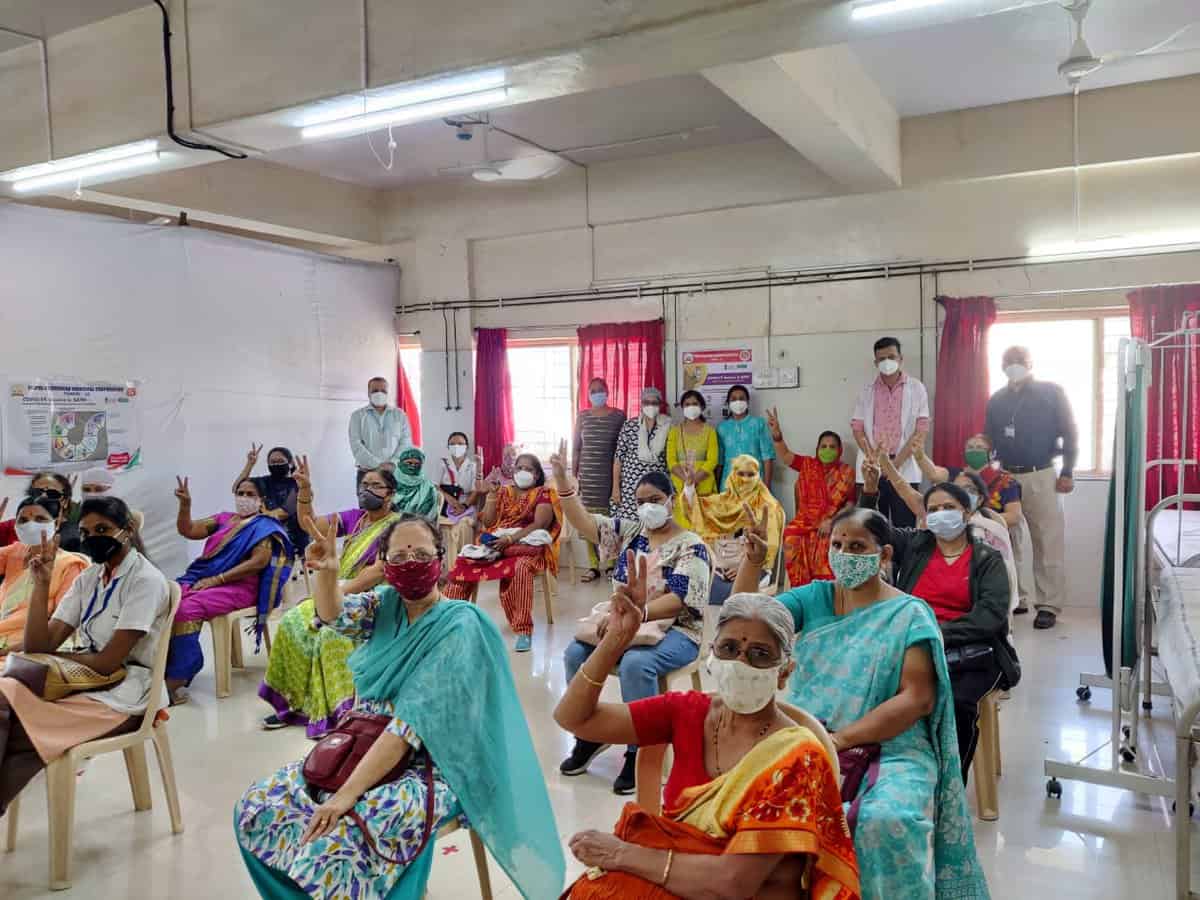
On September 17th, Prime Minister Narendra Modi’s birthday, more than 2 crore vaccination shots were administered across the country. With this, India has administered more than one crore shots in a month for the fourth time. A total of 78.68 crore shots have now been administered as per the CoWIN platform. PM Modi congratulated health workers and citizens for this feat. Government officials added that states having assembly polls next year are being prioritised for vaccination.
Source: Hindustan Times
GST meet: Petrol-diesel stays out of GST for now
The 45th GST Council meeting held on 17th September and chaired by the Union Minister of Finance Nirmala Sitharaman decided to extend the tax exemption on COVID-19 items till 31st December 31st from the earlier deadline of September 30th. The council also decided not to include diesel and fuel under the GST regime. The issue was discussed in detail due to recent Kerala High Court ruling that petroleum products should be included under GST. However, states like Kerala and Maharashtra have consistently opposed inclusion of fuel prices under GST.
In a new development, online food delivery businesses are now liable to pay GST on their orders. The move will impose a 5% tax on businesses like Swiggy and Zomato. The change will be implemented from January 1st, 2022.
Source: News 18
Finance ministry releases a grant of Rs 2427 crore for ULBs to 11 states
Based on the recommendation of the 15th Finance Commission, the union finance ministry released a grant of Rs 2427 crore to 11 states in order to strengthen the delivery of urban services such as waste management, drinking water and waste water recycling. The Finance Commission, in its report for 2021-22 to 2025-26, has divided Urban Local Bodies into two categories. First, Million-Plus urban agglomerations/cities (excluding Delhi and Srinagar), and (b) all other cities and towns with less than one million population (Non-Million Plus cities) and has recommended separate grants for them.
Read more: 15th Finance Commission: Ignoring lessons from the pandemic
These funds will be allotted to ULBs in addition to the already available funding programmes by the Centre and state governments for sanitation and water related schemes. Uttar Pradesh (Rs 741 crore), Tamil Nadu (Rs 267.9 crore), Odisha (Rs 246.6 crore), Karnataka (Rs 225 crore) and Madhya Pradesh (Rs 299.4 crore) are amongst the 11 states that will receive the grant.
Source: PIB
Compiled by Rishabh Shrivastava