Over 1.40 lakh COVID-19 cases of reported in the last 24 hours
On January 8th, the country reported 1,41,986 new COVID-19 cases and 285 deaths. The Omicron tally currently stands at 3,071. Maharashtra being the worst hit with 876 Omicron cases, followed by Delhi with 513 cases.
Total number of positive cases in the country have risen by 21% since January 7th, with 40,895 recoveries in the last 24 hours. The daily positivity rate is at 9.28% and rising, with wide variations among states.
Experts have repeatedly emphasised that vaccinating more people with two doses and ensuring COVID appropriate behaviour are the most effective countermeasures. Under the nationwide COVID-19 vaccination drive, total doses administered to adults has exceeded 150.06 crore. Drives to vaccinate the 15-18 age group is currently underway.
Source: The Times of India
Read more: Omicron variant crushes hopes for a virus-free 2022
7-day home quarantine must for international travellers
On January 7th, the Centre revised guidelines for international passengers, making 7-day home quarantine mandatory for all, along with an RT-PCR test on the 8th day after isolation. Those arriving from at-risk countries will have to get an RT-PCR test done at the airport upon arrival, and will have to wait for results.
The new guidelines are to come into force from January 11th. “Travellers shall also be required to upload results of RT-PCR test for COVID-19 done on the eighth day on Air Suvidha portal (to be monitored by respective states and UTs),” the health ministry said.
About 2% of travellers from at-risk countries will be selected for random testing on arrival. Positive samples will be sent for genome testing at INSACOG laboratory network.
Source: The Times of India
Delhi prepares for booster dose campaign
The Delhi government is preparing to launch the booster dose campaign which kicks off on January 10th. Those who have taken their last vaccine at least nine months prior are eligible for the third dose.
“The preparations are complete and there is no shortage of the vaccine,” said an official. “Those who have received Covaxin will receive Covaxin as the booster dose and those who got Covishield will get Covishield”.
The booster dose, or ‘precautionary’ dose, will be administered only to frontline workers, healthcare workers, those above the age of 60, and those with comorbidities. A fresh registration for the dose is not required.
Source: Hindustan Times
SC upholds OBC and EWS reservation in MBBS and MD seats
The Supreme Court on January 7th approved the 27% reservation of seats for OBC students in MD and MBBS courses under all India quota (AIQ). Additionally, the Court permitted the government to designate an additional 10% of seats to Economically Weaker Section (EWS)s for the academic year 2021-22.
The decision was taken by a bench of Justices DY Chandrachud and A S Bopanna. The verdict will enable immediate restart of counselling for 15% AIQ seats under NEET-UG (MBBS courses) and 50% AIQ seats for NEET-PG (MD) for this academic year, which was halted since October 25th, 2021.
Additionally, the bench said that the annual family income criteria of Rs 8 lakh a year for identifying EWS students remained a contentious issue. This will be taken up for consideration in the third week of March through a detailed scrutiny of the the revised Pandey Committee report, which had submitted a report on December 31st, which has been accepted by the Centre.
Source: The Times of India
Political parties get ready for digital campaigns ahead of UP polls
Rising COVID-19 cases are bringing new challenges to the electoral process. Ahead of the assembly polls in five states, Uttar Pradesh, Goa, Manipur, Punjab, and Uttarakhand, political parties are preparing to reach the voting class digitally.
As per the poll schedule released by the Election commission on January 8th, the filing of nominations will start on February 10th, with the counting of votes scheduled for March 10th. Voting will happen over seven phases. To ensure safety, all physical rallies and meetings have been banned till January 15th, after which the EC will review and decide how to move forward.
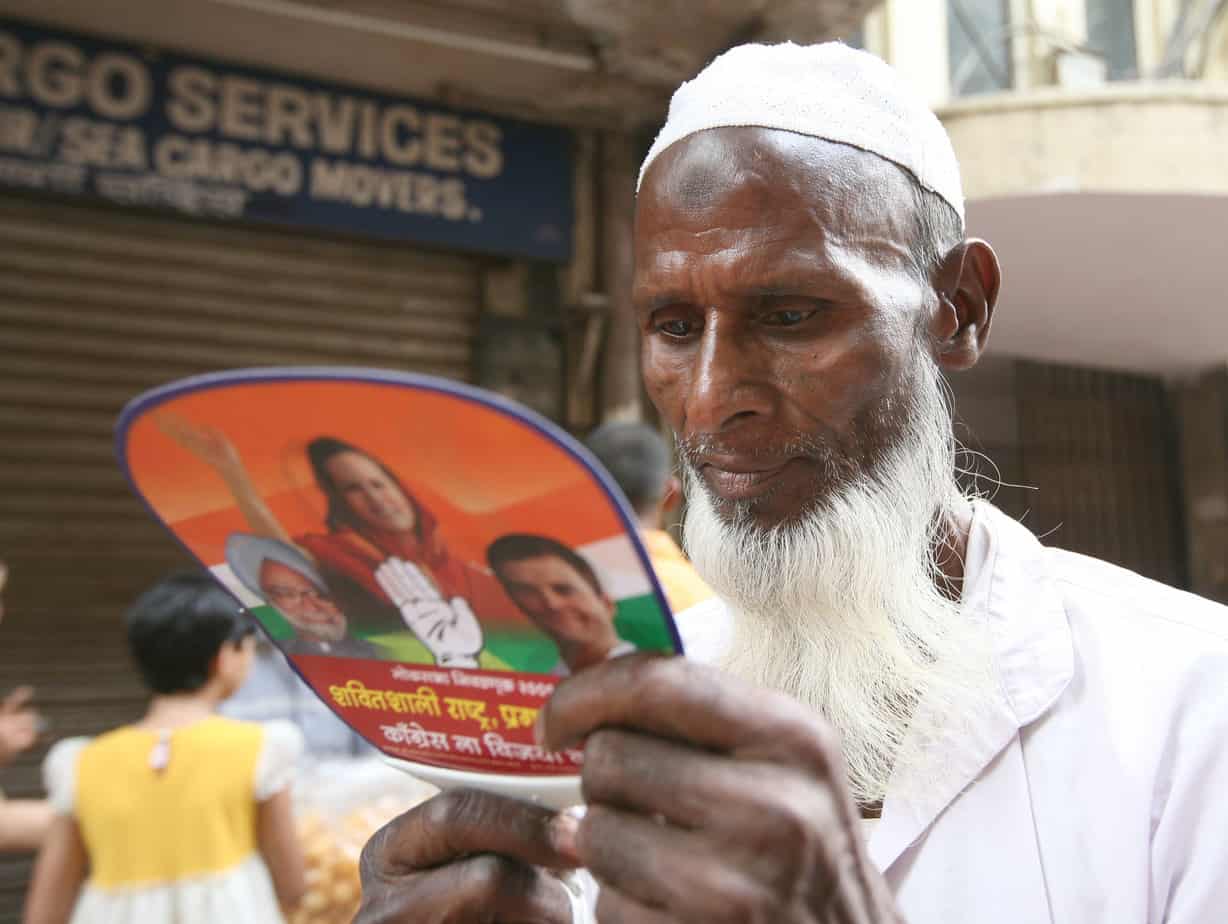
The UP wing of the Bharatiya Janata Party said that digital mediums like 3D Studio Mix, Zoom, and WebEx will be used if restrictions are placed on election rallies. Studio Mix can be used to create virtual stages, where leaders sitting on different podiums can be shown on one podium. The Samajwadi Party plans to use LED screens to broadcase their campaign in rural areas.
Source: The Times of India
(Compiled by Saachi D’Souza)