For the last three years, citizens plying on Medavakkam road are waiting for the Medavakkam-Koot road flyover to be ready so that their daily woes come to an end. This 4-km stretch has been in complete shambles, thanks to the ever-ongoing flyover construction that started in 2016, but the completion of which does not seem remotely imminent.
Medavakkam road connects Tambaram with Pallikaranai and is also an important junction to reach the Elcot SEZ in Sholinganallur, a major hub for IT professionals in the city. This flyover will facilitate non-stop movement of vehicles between Pallikaranai and Tambaram, enabling them to avoid the busy Medavakkam to Sholinganallur Junction. It also gives faster access to Velachery via Kamakshi hospital and to Chennai Airport. At the moment, however, this flyover is acting as a free poster billboard.
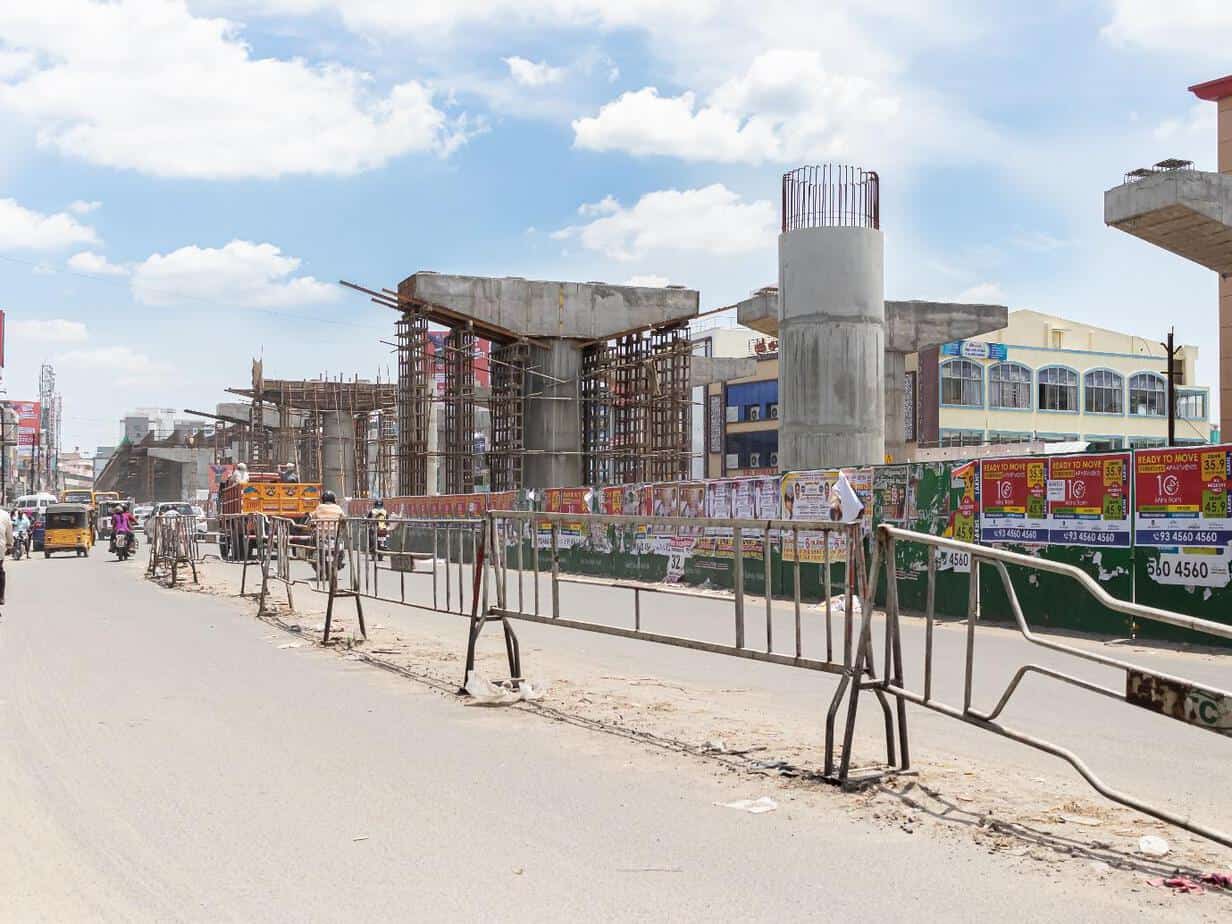
The construction of Medavakkam flyover progresses at a very slow pace.
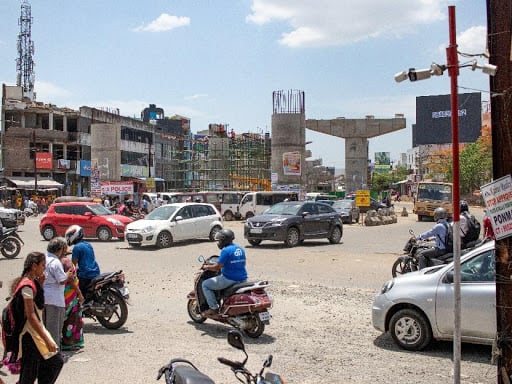
Traffic at Medavakkam
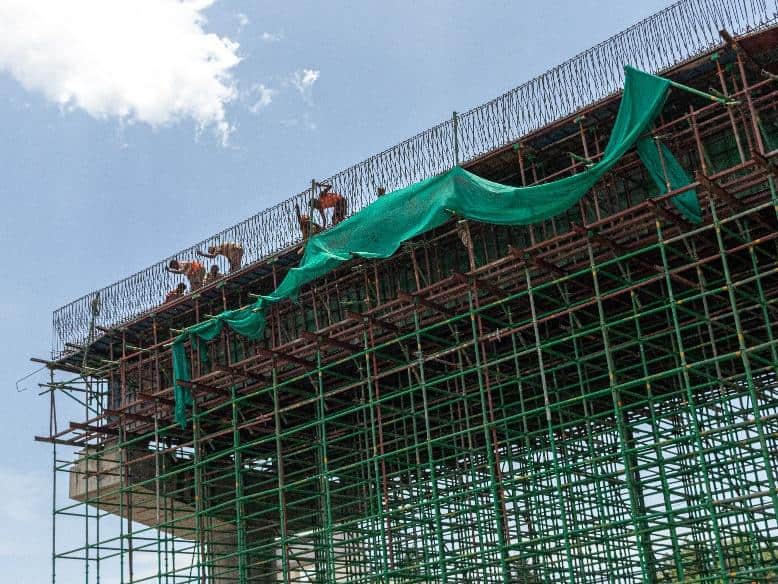
The construction work that was stopped continues after the new contractor takes over.
A report from The Hindu says that construction was put on hold in May 2018 by the contractor who could not complete the ₹300-crore project, which includes land acquisition, due to financial constraints. Work resumed only in December 2018 after a gap of several months, with a new contractor taking over.
The original timeline to complete the flyover was September 2020, but when we called the Tamil Nadu Highways Department to check on the status, there was no response. We learnt, however, that a petition has been filed by the South Chennai MP, Thamizhachi Thangapandian with the Union Government, to facilitate the speedy completion of the work.
Local shopkeepers meanwhile complain of waterlogging and shabby roads, all dug up haphazardly with no way for water to flow. During rains, it becomes impossible to commute on this road as some patches are in knee-deep water, resulting in a slowdown of traffic and chaos.
Is the authority addressing the real issues and trying to solve them? Citizens certainly don’t think so, and have just accepted this as a way of life.
(All pics by the author)
Very dead slow work done here, still it take 5 years ,worst job done by government
Injuries and death by accident is common happening since 2016 due to this flyover pending at night. Traffic cops are frustrated to manage this junction.