‘Dirt, debris, highly acidic black water and the pungent smell,’ is the description of Otteri Nullah given by the residents living along the canal.
Otteri Nullah is one of the 32 naturally formed canals in Chennai. Due to neglect over years, the canal has gone from being a vital part of the local waterway system that drains flood waters into the Buckingham Canal to a dumping ground for debris and waste.
Memories of the 2015 floods haunt many citizens of Chennai to the day. However, for residents living along the stretch of the 10.2 km-long Otteri Nullah, similar instances of flooding play out each year as the rains arrive.
Significance of Otteri Nullah
The Cooum, Adyar and Kosasthalaiyar rivers flow through Chennai. The Buckingham Canal runs parallel to the coast, linking Cooum and Adyar.
The Otteri Nullah, an east–west stream which is a sub-catchment of the Kosasthalaiyar, starts at Anna Nagar near Padi flyover and passes through ICF colony, Kilpauk Garden Colony, Aspiran Garden Colony, Kellys, Purasaiwakkam, Otteri and Buckingham and Carnatic Mills before meeting Buckingham Canal at Basin Bridge.
In addition to being the sub-catchment of Kosasthalaiyar, Otteri Nullah is also the main outlet that drains excess rainwater from Ambattur, Korattur and Villivakkam lakes through the Lucas TVS canal which links to it.
In olden days, the canals were used for irrigation of agricultural land and to drain excess water from the irrigation channels. Except for summer, there were chances of fresh water flowing through them for almost 10 months a year. These canals also paved the way for biotic and abiotic interactions and had an inbuilt aquatic habitat.
With a minimum level of water flowing for most part of the year, the natural canals also served as a ground water resource for the residential areas.
Read more: When eri restoration is just another name for eviction of the working classes
Otteri Nullah reduced to a dumping ground
Over the years, encroachments due to rapid urbanisation, absence of regular desilting and clean-up drives in the canal has resulted in flooding in the nearby areas, both during the heavy northeast monsoon season (October to December) and even during the occasional instances of rain during the southwest monsoon season from June to September. Much of the desilting work is focused on the time period before the Northeast monsoon.
“If it rains continuously for three to four hours, the canal overflows and the rainwater mixed with the black sewage enters our houses even during June-September rains. While parts of the canal are cleaned in bits and pieces, there have been no steps taken to clean the whole stretch,” said Arpudha Mary, a resident of Railway Colony.
Alleging that construction waste in large quantities were dumped into the canal near Uma Complex bridge, former president and present patron of the Kilpauk Residents Welfare Association, Prakash H Lulla said that several representations were made before by the residents in this regard and only temporary solutions were provided. “How will the rainwater flow through the canal if heaps of construction waste stand in its way?” he asked.
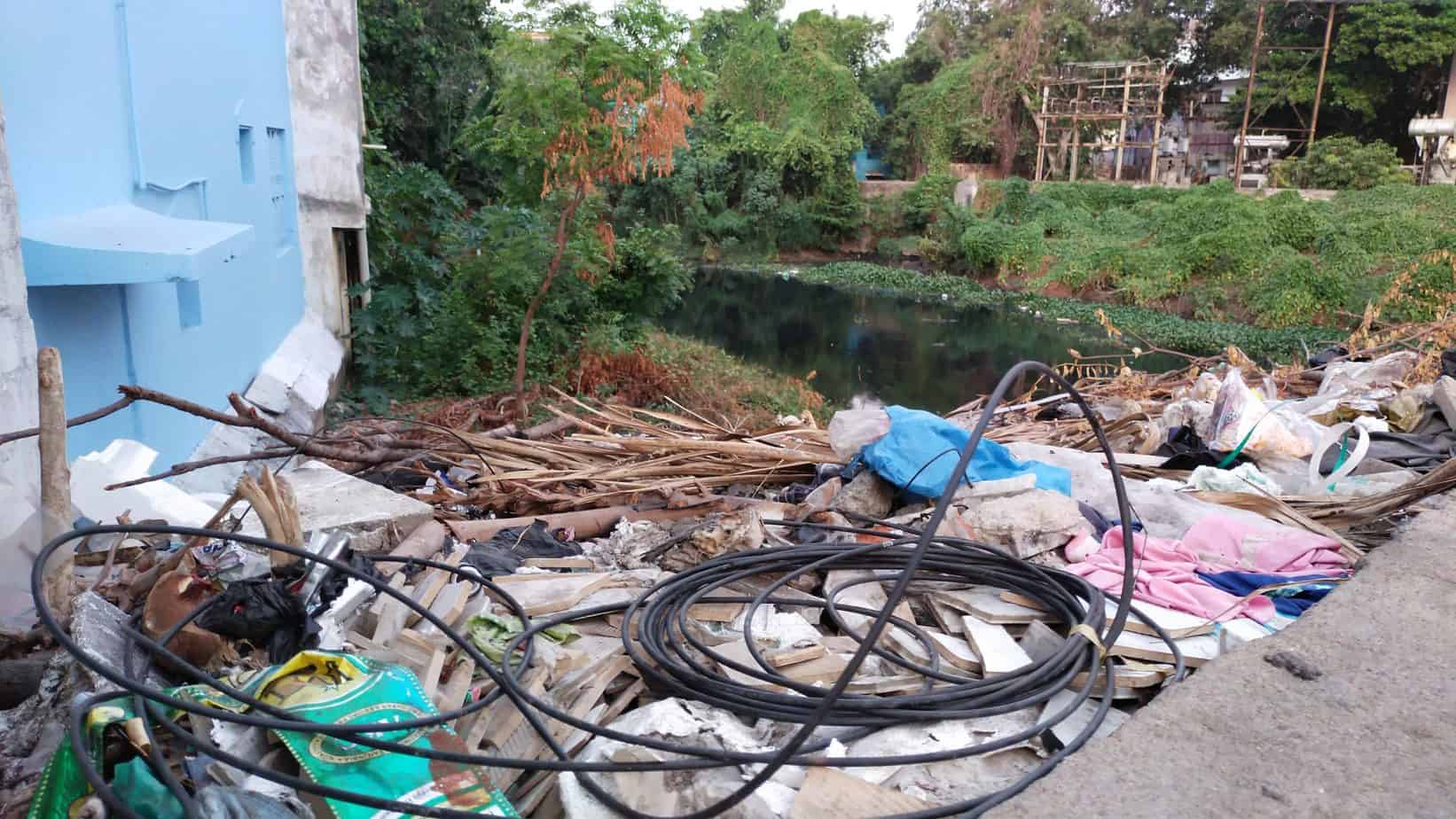
“April and May are the right time to carry out desilting works. The efficacy of desilting could be tested between June to September. It will help in better management during the Northeast monsoon,” he further suggested.
Besides, if the canal is not desilted before June, mosquito menace becomes widespread following the rains in June and lead to outbreaks of Malaria, Dengue Chikungunya and other such infections.
“With COVID cases still being reported, the mosquito menace would only add to the woes. Those who have already been infected with COVID, would only suffer more with their immunity already compromised,” added Prakash.
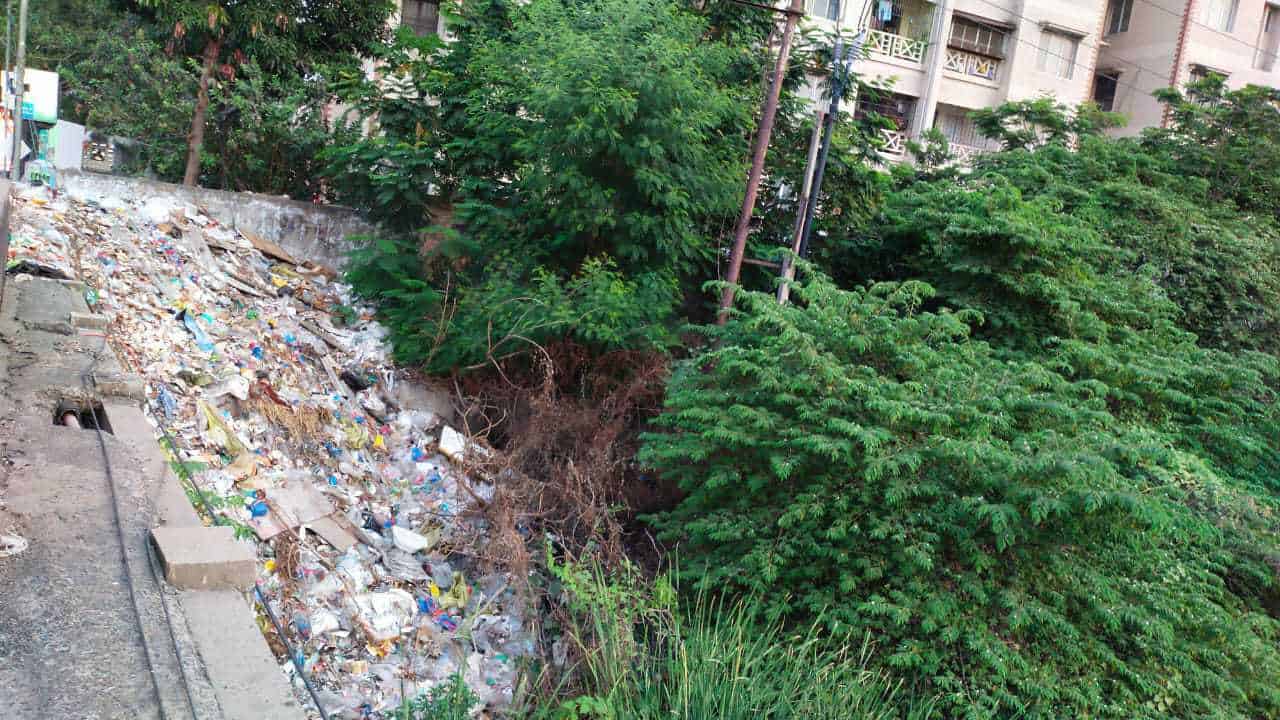
For K Shanthi, who runs a makeshift snacks stall in Kilpauk, the unsanitary conditions of the canal has a major effect. For her, the cost of it is not only physical or health-related, but also financial.
“If I get sick with fever even for a day, I lose an approximate sum of Rs 700 of my daily earnings. In addition to this, I also have to spend on medicines and doctor fee. If I am unable to cook, I have to spend on food for my whole family,” she said.
Read more: Saving lakes in Chennai: Why maps and physical markers are critical
Is desilting the only solution?
While desilting has been mooted as a catch-all solution for the issue of blockage of the canal, specific conditions of the Nullah must be taken into consideration to come up with a comprehensive solution.
In terms of length, the Otteri Nullah is nearly one-fifth of the Adyar river. However, the width of the canal has shrunk over the period of years due to encroachments. Many buildings have been built up not only on the banks of the canal but also by encroaching the catchment areas of the canal. It is important to note that unlike pipeline systems used to transport water, the width of naturally formed rivers and canals increases as they flow, as excess water from other lakes and waterbodies gets added to the system.
During the 2015 floods, Otteri Nullah reached its maximum capacity right at its starting point, which is the outlet point from Korattur Lake. As the water flowed across the canal, the catchment areas of which had shrunk, there was no way for the excess water from either the Lucas TVS canal or the water from residential areas along the stretch of the drain to enter into it. This led to flooding in residential areas.
The catchment areas of canals should be assessed based on the width and the amount of rainfall likely to be received and its carrying capacity, when water from other water bodies get mixed in it. “Unlike Valasaravakkam and Virugambakkam canals which are single catchment areas, where the water from other waterbodies do not get released into it, Otteri Nullah carries water from Ambattur, Korattur and Villivakkam lakes. Unless the natural width is maintained, desilting as a standalone solution will not prevent flooding,” said Harris Sultan SA, a state body member of anti-corruption watchdog Arappor Iyakkam.
The stream that once carried fresh water, is now a carrier of assorted waste and household sewerage throughout the year. In an effort to stop further degradation that would lead to more groundwater pollution and to facilitate free flow of water during rains, parts of the canal have been walled with cement concrete.
“Such a move would not only lead to formation of silts from the sewage flowing through it but also prevent the rainwater from permeating through the ground, thereby reducing the ground water levels,” explains Harris.
Fixing the Otteri Nullah
Clamping down on dumping of waste, particularly construction debris, is key to ensuring flow of water in the canal. Additionally, garbage disposal along the banks must be curbed.
As the canal is supposed to carry only the ‘excess rainwater,’ all the buildings along the stretch of the Otteri Nullah, whether they are commercial, residential or government buildings, should install functioning rainwater harvesting structures.
Dumping of sewage should also be strictly penalised. “The underground drainage systems have been set up to drain the sewerage. The natural canals are meant to carry only the excess rainwater. Ensuring this is the only way forward,” said Harris.
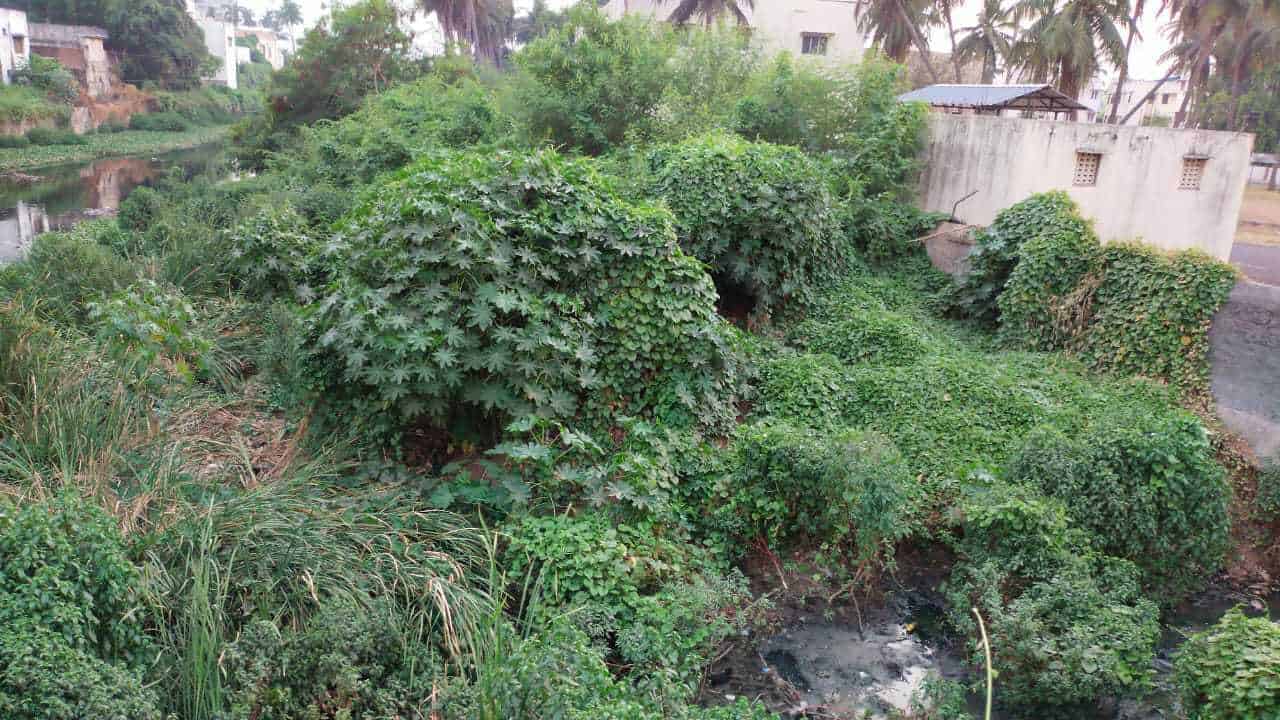
On the issue of hazards posed to public health because of the unhygienic state of the canal, initiatives like spraying larvicides using drones across the water bodies, including Otteri Nullah, have been taken. While this sounds like rather an easy solution, unless root causes contributing to the pollution are addressed, the residents will continue to suffer.
In response to the complaints of residents, Councillor of ward 101, Matilda Govindaraj assured that desilting works will be carried out soon and a specific budget will be allocated for cleaning the stretch during the upcoming council meetings.
An official from the Public Works Department also assured regular desilting and prompt redressal of complaints by residents, but did not offer any specifics on the plan to fix issues around the Otteri Nullah.