Special events planned to target first-time voters
A study conducted by the District Election Office has revealed that more than 48% of first-time voters in the 16 Assembly constituencies of Chennai district have not registered their names on the electoral rolls yet.
Of 1,24,824 people belonging to 18-19 years of age, only 64,152 people have enrolled. Authorities from the office have begun visiting the households and have charted plans to boost the enrolment campaign.
As part of the initiative, 34 activities are planned to be conducted with a special focus on first-time voters. Programmes such as the e-bike rally, events at hostels, beaches, gymnasiums, stadium and public transport hubs have been planned in the upcoming week.
Source: The Hindu
Read more: What are the roles and responsibilities of your elected MLA?
City runs low on Covishield stock
With Chennai witnessing a sudden surge in new COVID cases, Greater Chennai Corporation Commissioner G Prakash stated that the situation would be back to normal in about two or three months if the safety protocols are followed.
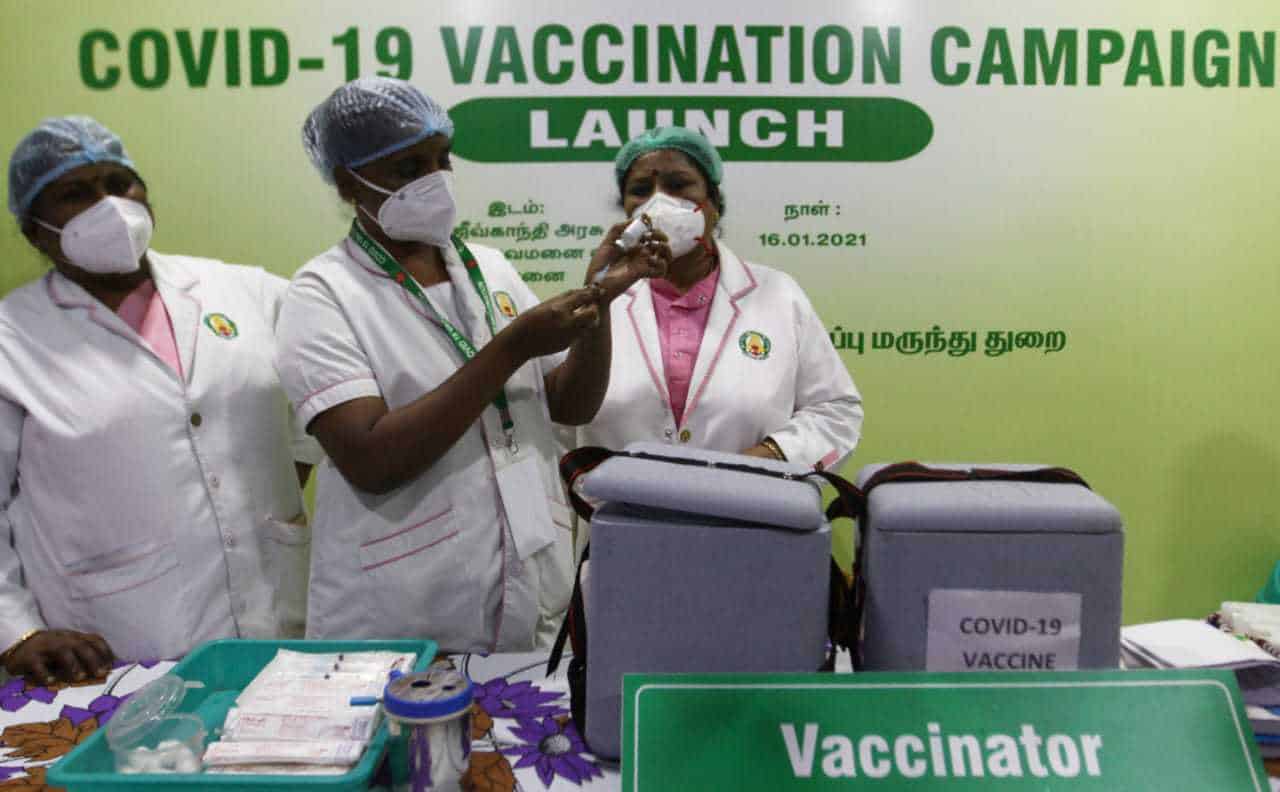
With the Chennai Corporation running low on Covishield stock, urban community health centres and primary health centres are now offering Covaxin to people since late last week. According to UPHC staff, the available Covishield doses have been reserved for the second dose.
It is to be noted that the civic body is vaccinating around 25,000 people everyday and plans to take it to 50,000 a day by the end of March. So far, 4 lakh people have been vaccinated in the city.
Source: The New Indian Express | The Times of India
Read more: All you need to know to get your COVID vaccine in Chennai now
Water from two lakes in suburbs good for household use: TNPCB
The Tamil Nadu Pollution Control Board (TNPCB) and local bodies conducted a test on the water quality at Narayanapuram and Keelkattalai lakes. The results showed that bacteria and chemicals were within the prescribed limits and that the water was safe for household use.
The Total Suspended Solid (TSS) level, the dry-weight of suspended particles, in Keelkattalai lake was 14 mg per litre and 20 mg per litre in Narayanapuram lake. The Total Dissolved Solid (TDS) level, the measure of dissolved combined content of all inorganic and organic substances, was 860 mg/l in Keelkattalai and 719 mg/l in Narayapuram. The TNPCB authorities stated that the levels are well within the prescribed levels.
Source: The New Indian Express
Read more: All that’s wrong in the roadmap to revive Korattur lake
Civic body gets a gender lab
In a bid to make urban infrastructure gender-sensitive, the corporation has set-up a gender lab. Five World Bank consultants, who have already begun working on the project, will file the findings to shape the urban infrastructure that will help in planning the city, keeping in mind the needs of women.
There are plans to hire five additional consultants to study accessibility, mobility, safety, health and hygiene, climate resilience and social security. The upcoming projects will be gender-sensitive and the inputs of the consultants will also be considered to make policy-level changes.
Source: The Times of India
[Compiled by Bhavani Prabhakar]
Also read: