Black Fungus declared as notifiable disease
The state government announced that mucormycosis (also known as black fungus) infection as a notifiable disease under the Epidemic Act. The actual count of the disease reported in the state will be accounted for once the private hospitals notify the disease to the Director of Public Health.
No deaths have been reported in the state as a result of black fungus. Seven patients have had their vision affected by the fungus. Six cases have been treated at the Government Ophthalmic Hospital, Egmore. Sankara Nethralaya, a Chennai-based hospital, has seen 13 cases of black fungus in the last 10 days.
Further, an exclusive mucormycosis committee has been formed to examine black fungus incidents. The team, headed by Director of Medical Education Dr R Narayana Babu, has devised protocols for diagnoses, treatment and medications.
Patients with uncontrolled diabetes, people on immunosuppressive drugs and steroids have a higher probability of contracting black fungus. The Tamil Nadu Medical Services Corporation (TNMSC) has placed an order for 5,000 vials of Liposomal Amphotericin B, an antifungal drug to treat the infection.
Source: The New Indian Express | The Times of India
City adds 304 O2 beds
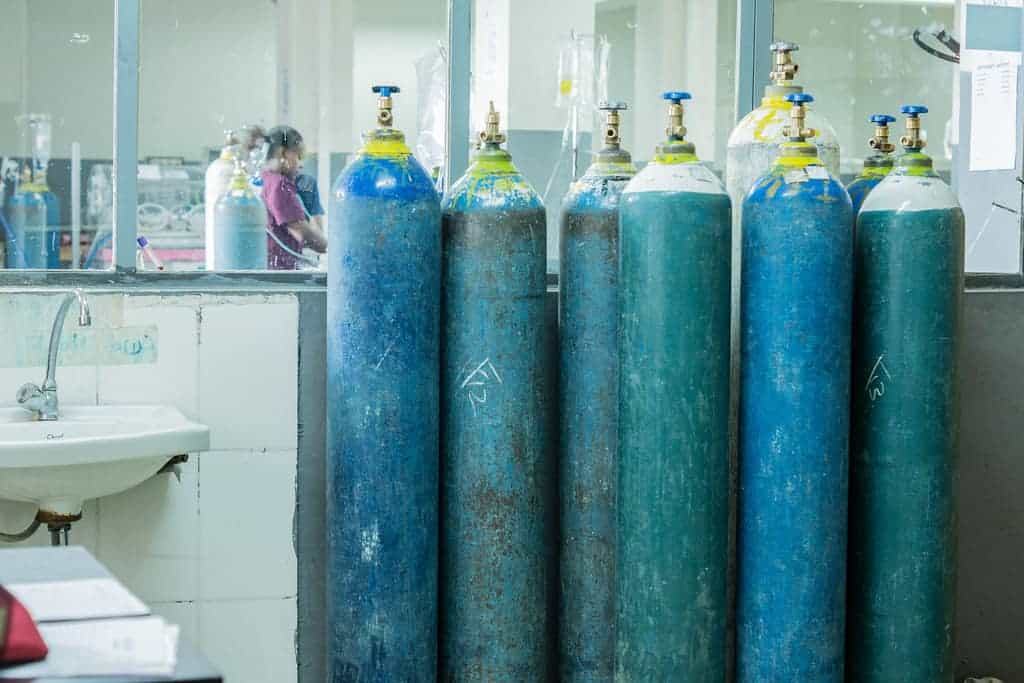
With demand for beds with oxygen going up, the Greater Chennai Corporation (GCC) has inaugurated a COVID care centre with 200 oxygen beds at the Government Children’s Hospital in Egmore. An additional 104 oxygen bed facility has been set up at the Don Bosco Higher Secondary School, Perambur.
The civic body has purchased 745 oxygen concentrators and received 845 oxygen concentrators as aid from non-profit organisations. A total of 1,590 oxygen concentrators have been given to hospitals in the city including major government hospitals, and COVID care centres.
Source: DT Next
Read more: Not just a supply crunch: The real reason why patients in need of oxygen are suffering
Helpline to report complaints related to cremation
To ensure that the final rites of people who have succumbed to the COVID-19 can be conducted without hindrance, the civic body has introduced two helplines for lodging complaints related to burial/cremation at its burial grounds or crematoriums. Residents may either call 044-2538 4520 or WhatsApp 94983-46900 to register their complaints.
There is also a free ambulance service functioning to transporting bodies from hospitals to the crematoriums. The hotline for the ambulance service is 155377. To ease the process, the civic body is also exploring options to book slots at crematoriums online.
CCTVs have been attached at the crematoriums and the live feed will be monitored continuously.
This move comes after the Madras High Court expressed concerns over workers demanding exorbitant sums at burial grounds. Chief Justice Sanjib Banerjee directed the local administration to act on it and bring a fair system in place.
Source: The New Indian Express | The Times of India | DT Next
Strategies helping corporation to battle COVID
Over the past few days, the total number of new COVID cases reported in Chennai has decreased from a high of 7500 cases to around 6,000 cases. For this, the civic body has attributed to key six strategies adopted over the course of battling the pandemic.
The civic body has deployed 12,000 fever surveillance workers visiting 100 to 150 houses on a daily basis to identify new cases proactively. Other measures include the deployment of FOCUS volunteers, car ambulances for transporting patients, boosting vaccination campaigns, directing private labs to send test results to the corporation on priority and the establishment of tele-counselling centres.
Labs informing the COVID results to the corporation directly has helped in reducing panic and improved the judicious use of oxygen beds through triaging. If the patient is below 60 years of age, the zonal team will visit the patient and advise further course of treatment. Patients aged over 60 are taken to screening centres via car ambulances commissioned for this purpose.
Source: DT Next
(Compiled by Bhavani Prabhakar)