Reduction in road accident deaths in Chennai
Data released by the Greater Chennai Traffic Police (GCTP) shows a reduction in the number of deaths caused by road accidents in Chennai in the first half of this year. The number of deaths has reduced by 19.7% compared to the figures from 2021 and 10% compared to the figures from 2022.
Until June 20 this year, there have been 216 deaths in 214 accidents on the roads of Chennai.
Efforts taken by the GCTP to reduce fatalities include a crackdown on drunken driving, wrong-side driving and compliance with traffic rules, including wearing helmets by drivers and pillion riders.
GCTP has also embraced new technology such as speed radars, vehicle interceptors and automatic number plate recognition cameras.
Campaigns to spread awareness of road safety among road users have also been carried out in partnership with various organisations in the city.
Source: Indian Express
Read more: Walking in Koyambedu, OMR or Chennai Central? Be cautious, warns study
Rains in June improve water levels in Chennai reservoirs
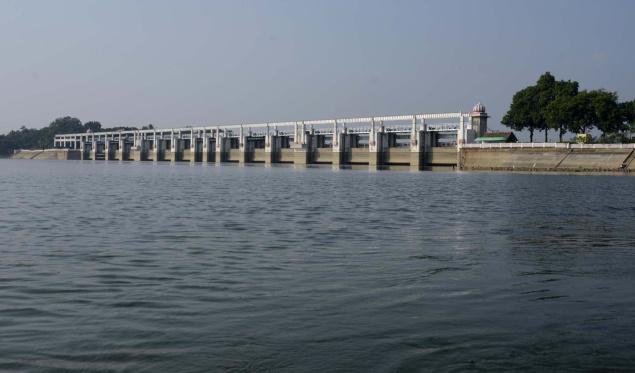
Heavy rains in June have resulted in improved storage in Chennai’s reservoirs, with most up to full capacity. Due to improved reserves, the water supply in the city has been increased to 1022 million litres per day.
Poondi reservoir has seen an increase in water level by 40% after the rain while Chembarambakkam has seen an increase of 70% and Red Hills an increase of 67%. Desilting of all reservoirs will take place next year to further augment their storage capacity.
There has also been an increase in the supply of water from the Krishna river water supply scheme.
The increased supply can be sustained for the coming 7-8 months, according to officials of the Chennai Metro Water Supply and Sewerage Board (CMWSSB).
Source: The Times of India
MTC seeks an increase in borrowing limit cap
In order to meet expenses such as pensions, salaries and interest owed to banks, the Metropolitan. Transport Corporation (MTC) has sought an increase in the ceiling on borrowing limit by Rs 500 crore. The current cap is at Rs 3000, with the transport agency seeking to raise the limit to Rs 3500 crore.
There has been an increasing gap in revenue and expenditure, due to which the agency has to increase its borrowing. The precarious financial health of MTC has resulted in the transport body being unable to meet variable costs on occasion.
MTC is currently running at an annual loss of Rs 8342 crores. The shortfall in revenue is being compensated with loans from Tamil Nadu Transport Development Finance Corporation (TDFC).
Source: The New Indian Express
Read more: GPS speakers, panic buttons, pink buses and more: What the MTC rider in Chennai can look forward to
Comprehensive mobility plan for Chennai to be updated
An updated comprehensive mobility plan coving Chennai, Chengalpet, Kanchipuram, Ranipet and Thiruvallur will be ready by June 2024. The plan will inform work on traffic junctions, flyovers, bus terminals and bridges.
The plan will be drawn up based on an extensive survey covering 5000 households.
The plan will feed into important decisions on the location of a new MTC terminal and the alignment of the third phase of Chennai Metro. The plan will cover five districts and a total area of 5904 sq. km. The plan will cover a 25-year period, up to the year 2048 and identify key growth corridors.
Source: The Hindu
Perumbakkam residents protest lack of water supply
Residents of Perumbakkam took to the streets to demand water supply after having gone without water to the tenements for three days in a row. The residents protested with empty pots and pans to highlight their plight.
Residents pointed out that the water supply in the tenements has been erratic with homes getting water only every alternate day. This has affected the daily life of the 20,000 residents who live in the tenements.
The supply schedule is also inconsistent. The lack of fixed timings for water supply prevents office-goers from being able to ensure that they have enough water for storage and use.
Authorities have blamed damage in the water pipeline for the stalled supply and promised repairs. Meanwhile, residents were informed that tankers will be sent to supply water.
Source: The New Indian Express
[Compiled by Aruna Natarajan]