The rich nectarine blooms hanging from indigenous trees adds to the beauty of several streets in Chennai. What often goes unnoticed, though, is the number of butterflies that are seen fluttering around the plants.
Amid the hustle and bustle of a megacity like Chennai, it may be hard to believe that a sight like this is so common. Wherever there is lush canopy, we can see butterflies in the dozens. The city has lost acres of green cover to infrastructural projects and natural disasters. Yet, the urban jungle is home to about 150 species of butterflies.
Throughout the city, Common Emigrants, Flame Tiger, Tawny Coaster, Lime Swallowtail and Common Grass Yellow species of butterflies can be spotted. These species thrive in all kinds of habitat — wetland, coastal or dry.
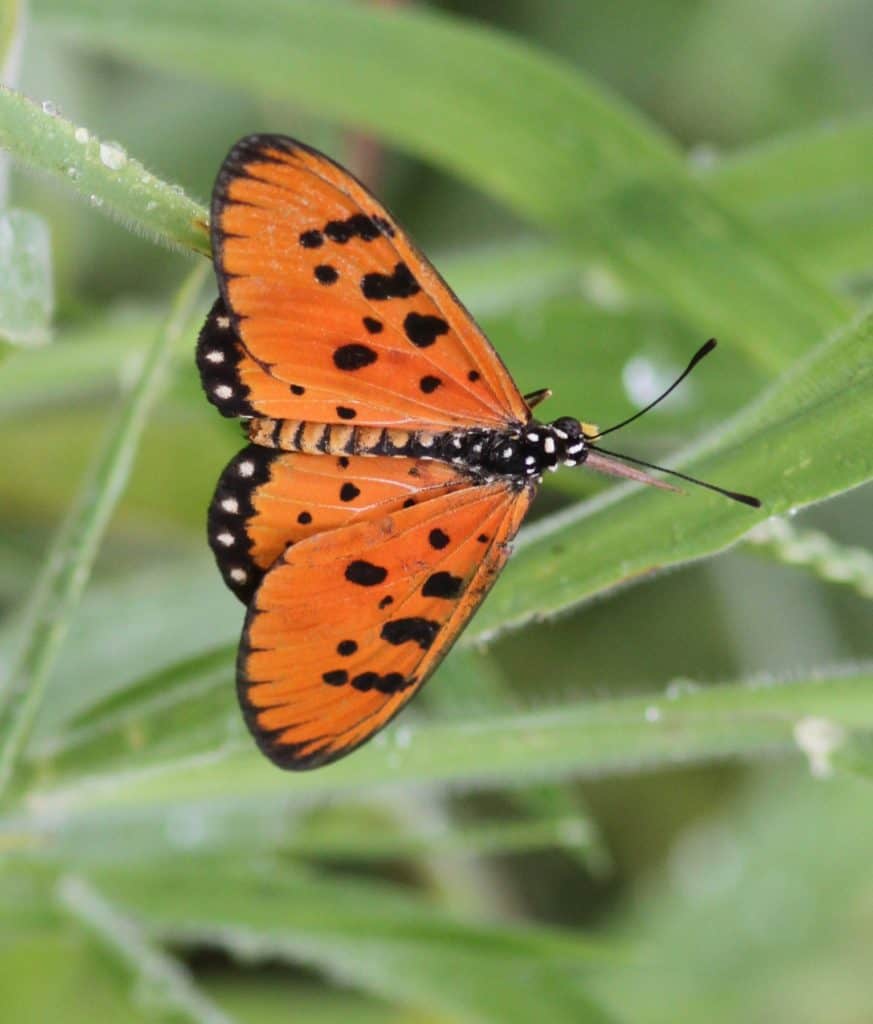
An avid butterfly watcher, Vikas Madhav Nagarajan (20), says that the well-maintained corporation parks in Chennai attract quite a number of butterflies. Semmozhi poonga, Nageswara Rao Park and Anna Nagar Tower Park, located along the busy stretches, are home to at least 50 butterfly species.
Urban thicket haven
Besides the corporation parks, there are the urban forested butterfly hotspots in Chennai: Madras Christian College, Indian Institute of Technology – Madras, Theosophical Society, Guindy National Park, Kalakshetra Foundation and Adyar Poonga.
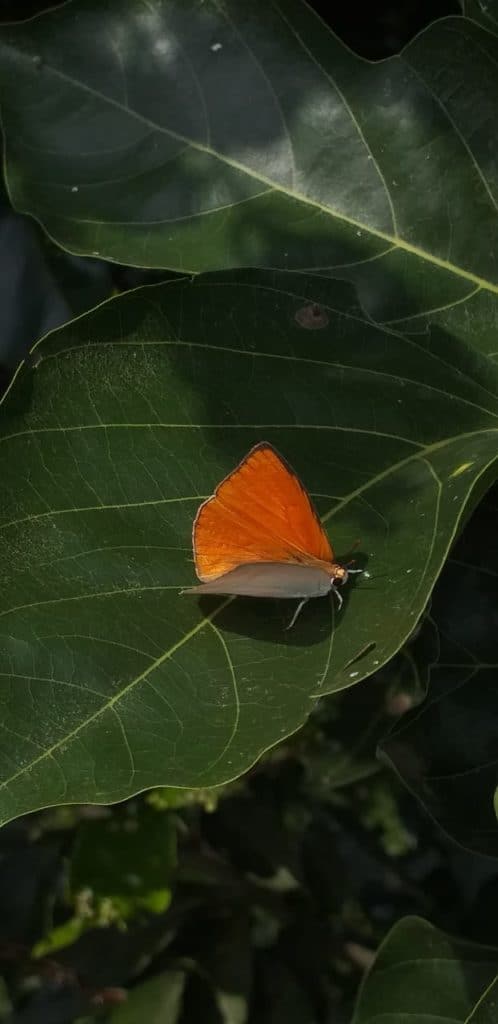
Small Salmon Arab, Tawny Coster and Plain Tigers are the notable species in Adyar Poonga. Other uncommon and rare butterflies that can be spotted here are Asian Marbled Skipper, Black Rajah, Common Albatross, tri-coloured flat, Apefly and Indian Red Flash. “Among the various species, Small Salmon Arab is best seen at the Adyar Poonga, as it thrives in coastal habitats. The entire metamorphosis of the species has been observed here,” adds Vikas.
Of the 150 species in Chennai, 120 can be observed at the Guindy National Park. With mixed habitat, Kalakshetra Foundation in Thiruvanmiyur is a haven for some rare butterflies such as Blue Mormon, Painted Lady and Spot Swordtail.
Although much of the vegetation of IIT-M campus has been lost to urbanisation, the Common Mime, a wet forest species was seen in the forest for the first time in July 2015. The stadium, Student Activity Centre and Madras Avenue are some of the hotspots at the IIT-M campus where one can observe Common Emigrants, Common Limes, Spot Swordtails, African Babul Blue and Peacock Pansy.
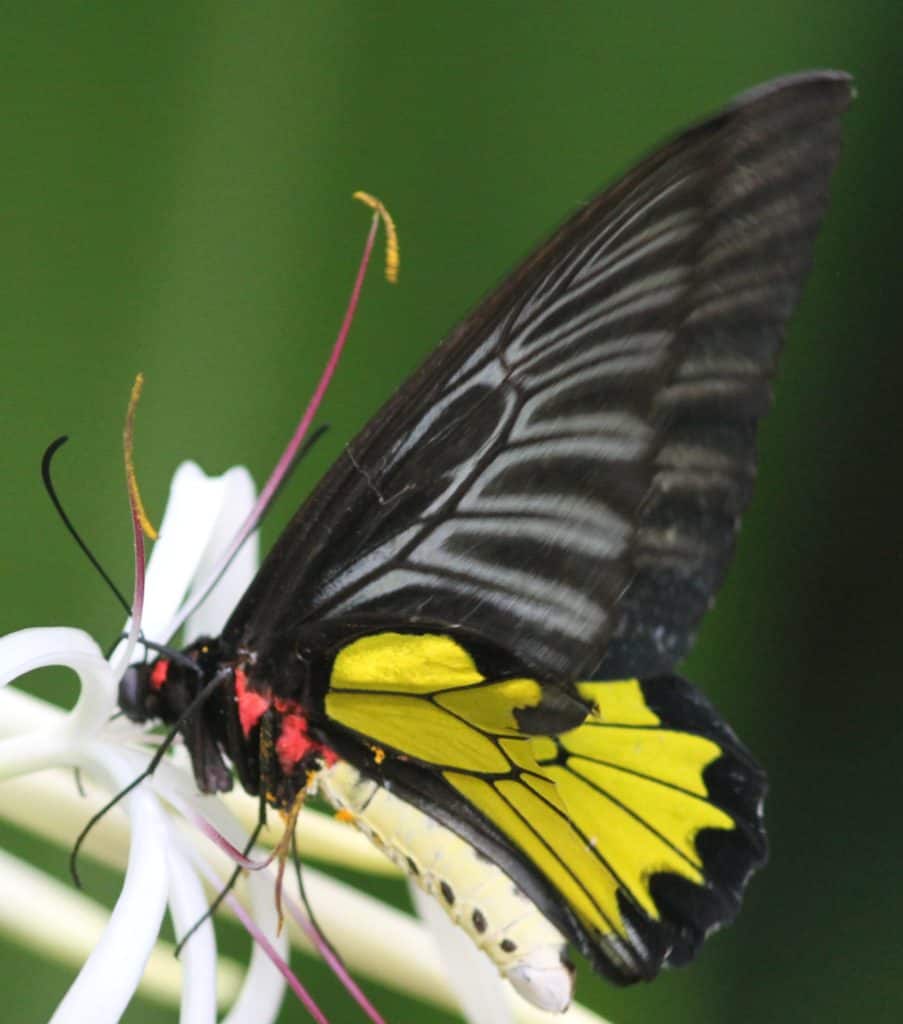
“Southern birdwing is the biggest butterfly in the state and is found only in thick forested areas. In Chennai, it can be spotted at the Madras Crocodile Bank,” adds Vikas, a 20-year-old naturalist.
Ecological indicator
The sunny weather after heavy monsoon attracts butterflies in large numbers. This year, naturalists have not been able to ascertain the status of the winged creatures due to the nationwide lockdown.
“In 2017, we had a lot of butterfly visitors to Chennai due to the intensive rains. Generally, their population always peaks from June till September in Chennai. We are unable to conclude anything this year, as most of us from the butterfly watching community are observing from our respective homes,” says Rama Neelamegam, an avid bird watcher from the city.
With several rare and uncommon butterflies being spotted in the urban jungle, naturalists feel that the city’s green cover is still fairly good despite industrialisation and urbanisation.
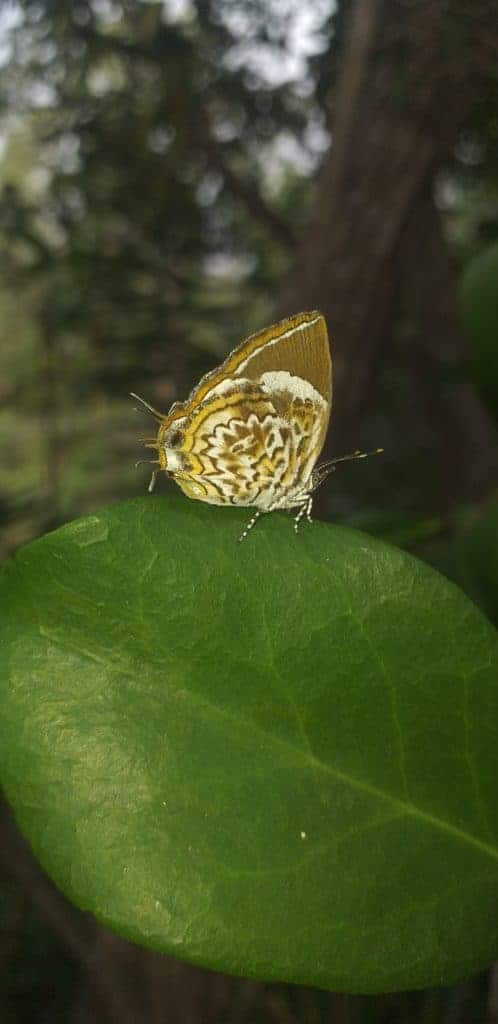
“Butterflies occupy the lower rung in the food chain. Only when the organisms in the lower rung thrive shall organisms at the next levels sustain,” adds Rama.
It is also an indicator of the state of host plants in Chennai. Butterflies feed on nectaring plants, grasses. “Many hotspots and parks are located in the bustling city. The fact that we could observe 50 species in such a habitat is a healthy sign of biodiversity,” Vikas says.
Making your home butterfly-friendly
Do we need to go to a park or wetland or garden to watch butterflies? Nah. B Elango, a renowned horticulturist, tells us how we can make our balcony or the window sill space friendly to the winged insects.
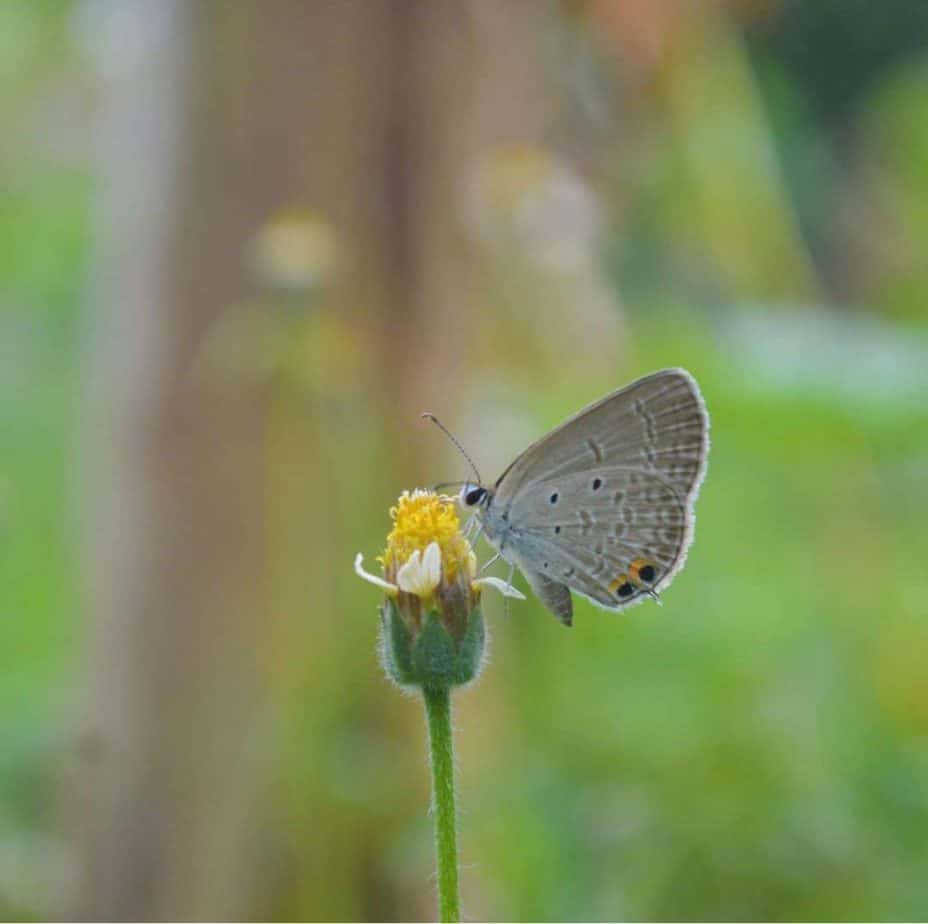
- Grow nectarine potted plants like native hibiscus, thumbai, lantana and ixora. These are host plants for butterflies where they lay eggs.
- Refrain from spraying/using insecticides or any chemical substances. “There are, of course, insects that damage the plants. People should know to differentiate between the larvae that turn into butterflies and the disease-causing insects. Due to lack of awareness, many plant growers blindly spray insecticide when the plant is infested with insects,” says Elango.
- Switch insecticides with vermicompost, panchakaviyam and meen amilam.
Document your observations
In India, September is regarded as National Butterfly Month. In a bid to document the observations of the winged insects, many nature enthusiasts and avid bird and butterfly watchers are documenting the butterflies they spot. In Chennai, Vikas and other regular butterfly watchers have initiated a project for sharing photographs of the butterflies. Visit the Chennai community of iNaturalist here. People can also share their observations on Butterflies of India.
GETTING STARTED
Nirmal Kumar Chillai (19), an avid bird watcher and butterfly observer, from Madambakkam, shares some pointers for beginners wishing to get started with butterfly watching:
1. Have a butterfly guide book. I recommend Arimugak kaiyedu – Vannathuppoochigal, written by Dr R Bhanumathi in Tamil.
2. Be agile and observe the behaviour of butterflies. Note down where it sits and how it sits. For instance, the Swallowtail butterflies flutter all the time.
3. Keep an eye on the flying pattern of the winged creatures. Plain tigers maintain a slow speed as they do not face a high risk from predators, whereas butterflies belonging to the Swallowtail family fly fast.
4. Note down where they sit and the host plants.