Need a a COVID bed at a hospital in Mumbai? Promising a bed to someone in need of it? Please read what BMC has to say.
Dated 24th April, 9:25 p.m.
Ward War Rooms – Only Authority To Allocate Beds
We appreciate concern of individuals & groups not related to BMC offering help to citizens tweeting to us, but citizens must know that even they will reach out to us to ask for beds. Please follow protocols in the interest of all.
Bed allocation system was decentralised since a single helpline, with innumerable calls, could not have taken the load alone & it would only increase wait time for citizens. If a War Room does not respond as per need, escalate complaint to 1916. Only War Rooms can allocate beds.
Nevertheless, in exceptional cases, serious patients may approach BMC/govt/pvt hosp/nursing homes for walk-in bed, with COVID+ve report Hosp will assess medical condition & then decide on admission, but they will have to intimate local War Room to update the online bed dashboard.
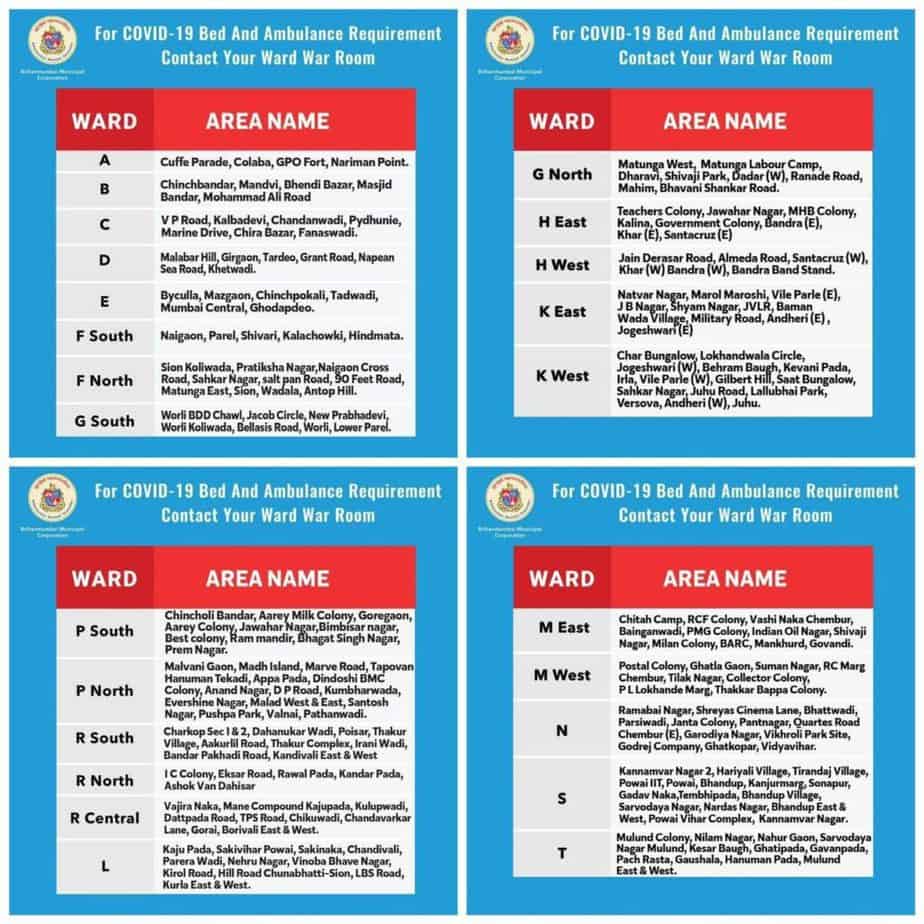
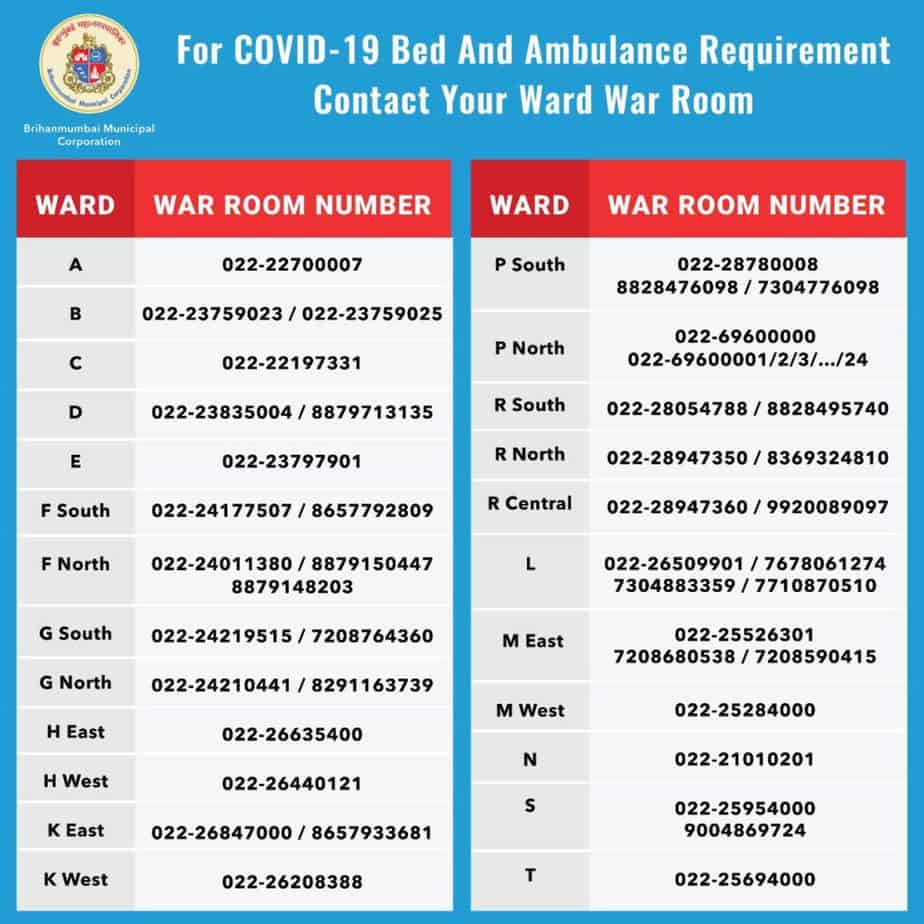
We repeat, please understand that the Ward War Rooms have no reason to hold back beds if there are any vacant. If you aren’t getting a bed, it’s because beds are full. War Rooms will surely update you with an alternative arrangement as soon as they can.
With due respect to their concern for their loved ones, we request families to allow doctors to assess patient’s condition & recommend whether an ICU is needed. ICUs are for extreme emergencies. There is now a provision for doctors to visit home & recommend kind of care needed.
There are many in need of a bed, as much as the other. Thus, you may have to wait a while. But Ward War Rooms are the only ones who can allocate a bed. If you have a complaint about their service, please escalate.
Our humble request. Please don’t create parallel windows for bed allotment because that only leads to chaos and confusion. We only have as many beds as we do and we are consistently adding to their numbers as the need arises. Please follow MCGM protocols.
One big final request. To individuals & groups calling sr. officials to persuade for a bed for someone they promised to help, we too dial the War Room numbers for support. We would not want to jump the queue & disadvantage the ones who waited longer. We are sure everyone agrees.
[This Twitter thread was put out by @myBMC for the benefit of Mumbai residents.]
Also Read: