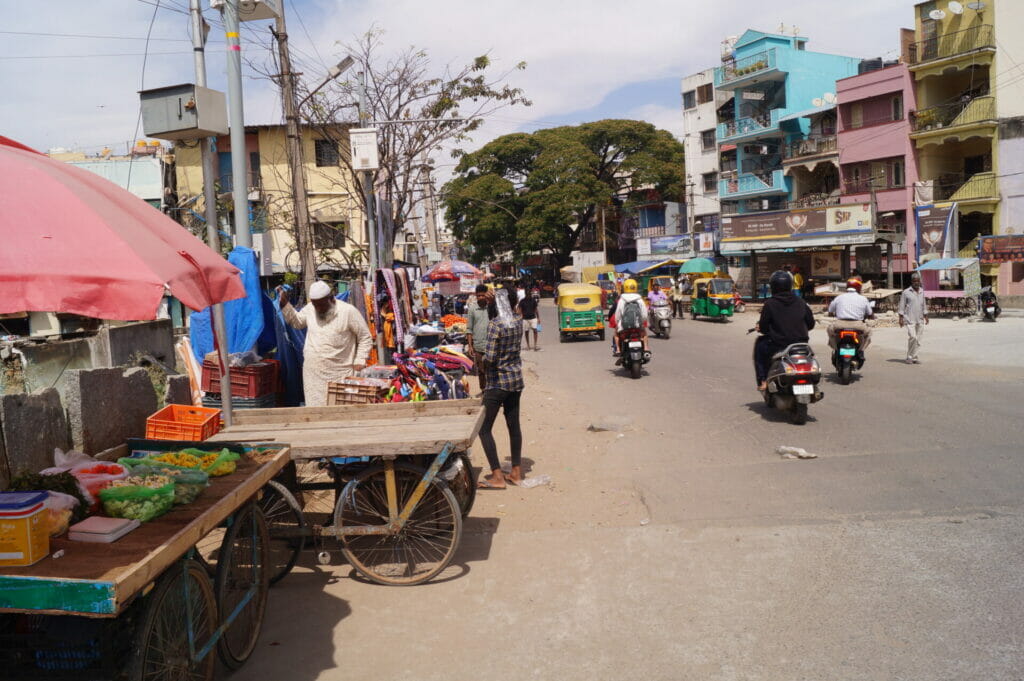
It is 10 am on a Tuesday morning on Bazaar Street in Austin Town, Bengaluru. Traffic is moving smoothly, people are walking on the footpaths without hindrance.
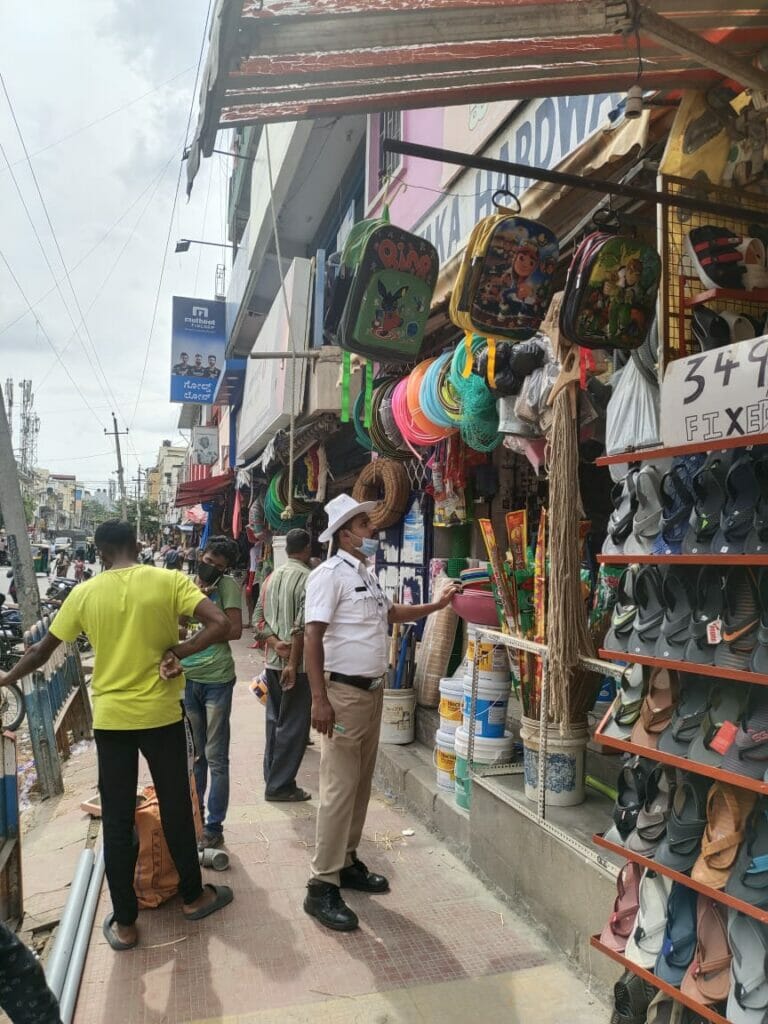
It is hard to believe that this was once a chaotic and dangerous street to use. About four months back, the footpath was virtually unusable. Shopkeepers had set up canopies and put up advertising boards that blocked the footpath. Some had piled their wares in front of their shops. The street itself was no better. Both sides were lined with street vendors, reducing the road width available for vehicles. Auto rickshaws used to stop and wait for customers haphazardly. Pedestrians risked their lives walking on the street while drivers tried to inch ahead in the slow-moving traffic.
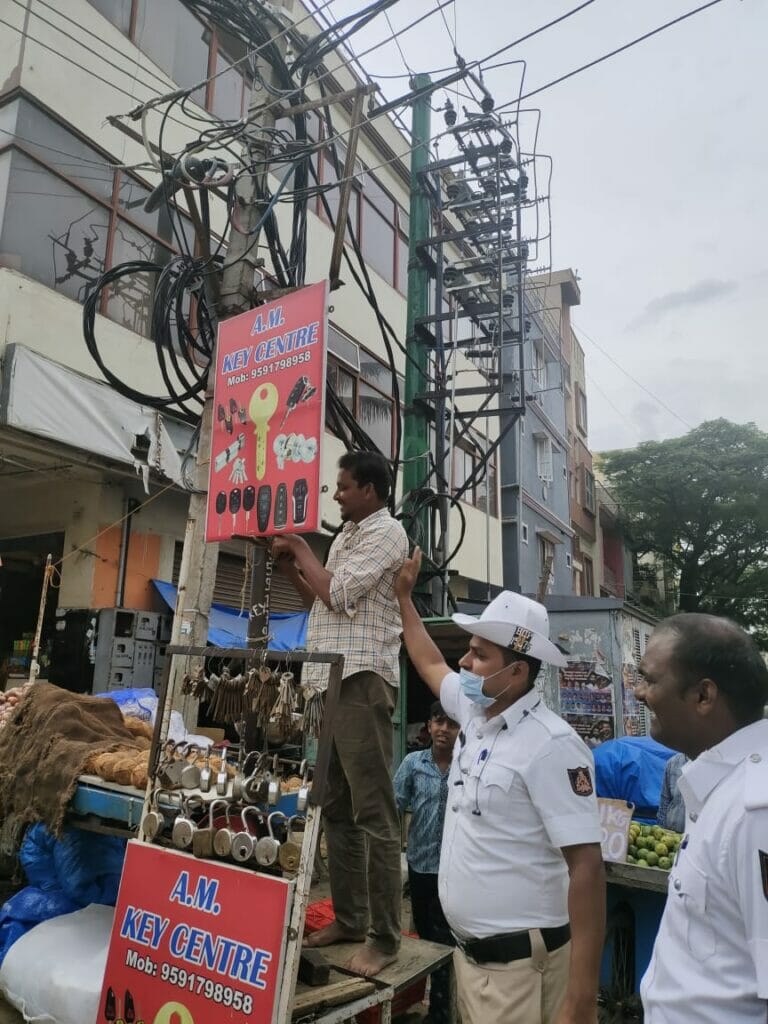
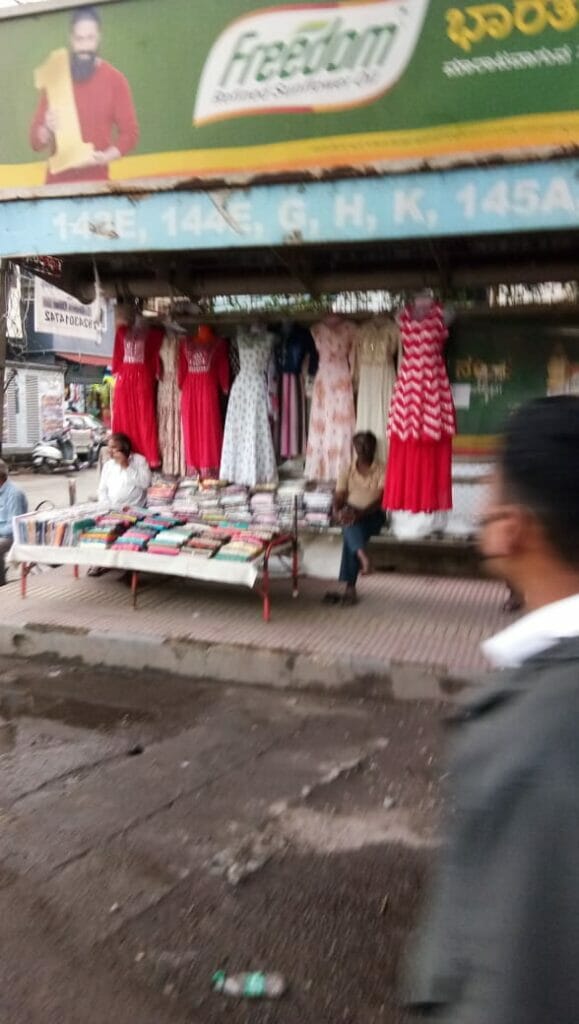
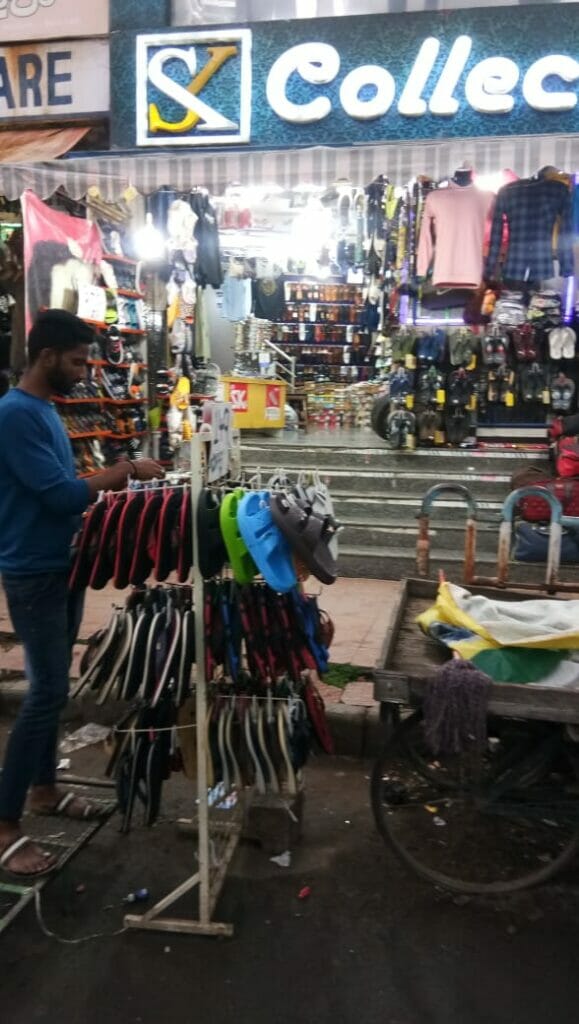
The transformation of this chaotic space into what one sees today is a remarkable story. I spoke to Ashoknagar Traffic Inspector Rao Ganesh Janardhan and his team about how they managed to transform this street. Here are five key points they mentioned:
Take shop owners and residents into confidence
The footpath and street clearance drive was conducted smoothly through a process of dialogue. Shopkeepers and vendors were educated about the law and the importance of the smooth flow of pedestrians and traffic.
Read more: OpenCity datajam: How mobility enthusiasts brainstormed on traffic solutions
Provide an alternate nearby location for street vendors
To reduce the impact on the livelihoods of the street and footpath vendors, they were given the option of moving to a nearby spot that was identified before the clearance drive began.
Mobilise the entire department
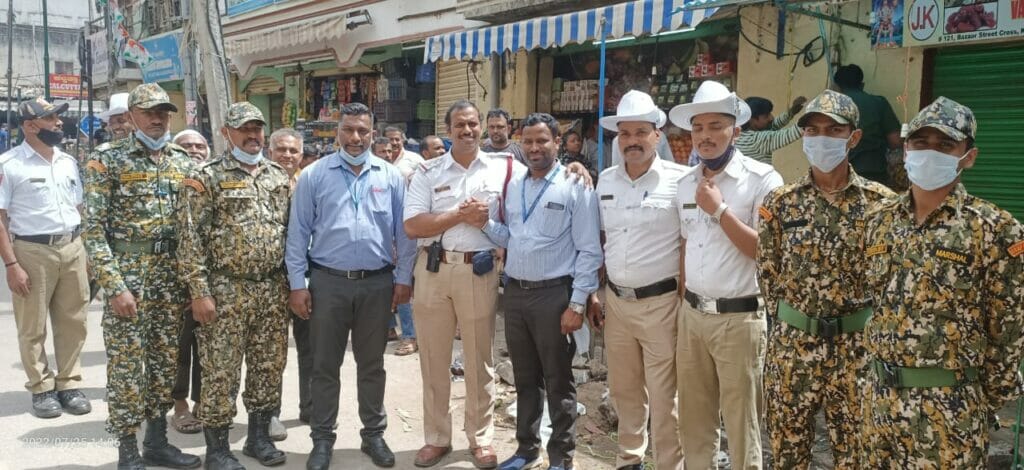
This drive was led by the Ashoknagar Inspector Rao Ganesh Janardhan and included the Assistant Sub-Inspector N Karunanidhi, Head Constable Keshav HC, and several constables, including Saleem J Nadaf and Shashikumar AJ.
Persistent follow-up until the task is complete
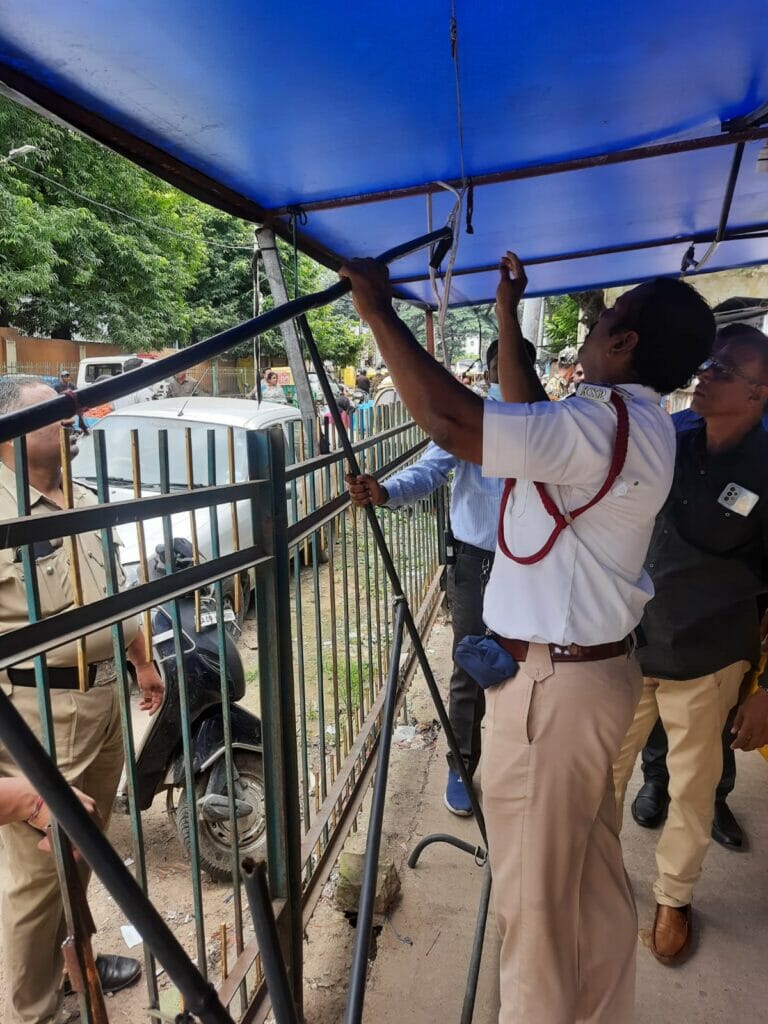
The whole drive took more than two months to complete. There were multiple stages to the clean-up, like the removal of illegal advertising boards on the footpath, removal of illegal sheds, installation of traffic signs etc.
Read more: Traffic: The more the govt tries to change things, the more they remain the same
Maintain a continuous police presence in the area
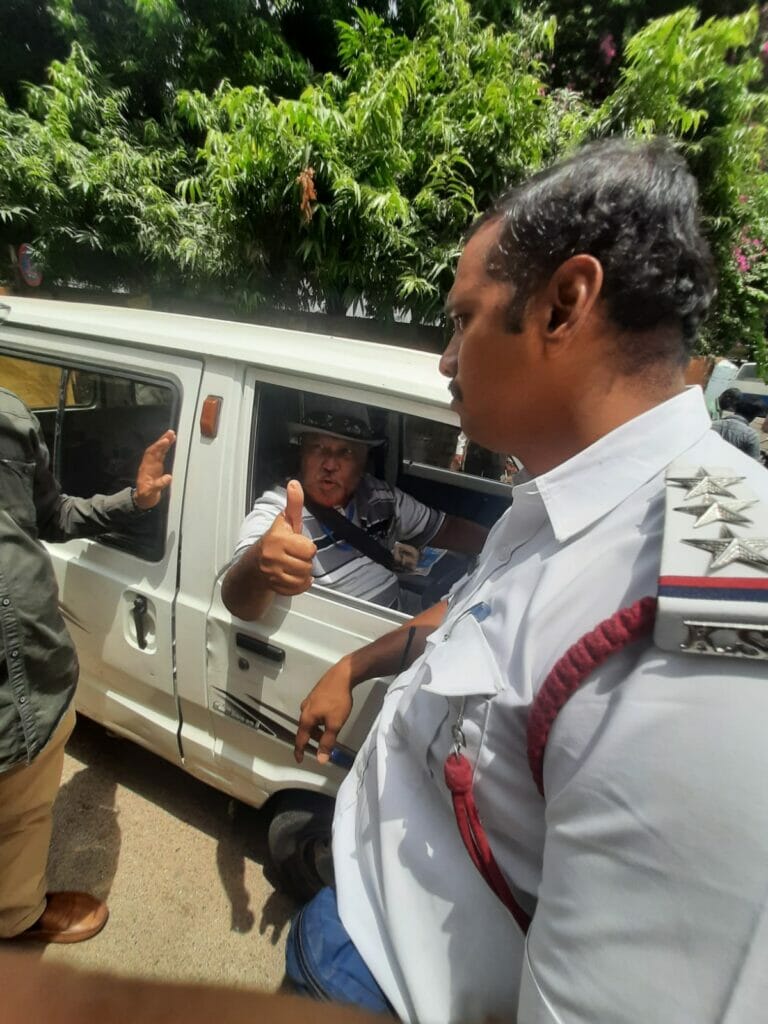
Today, four months after the clean-up drive was initiated, a traffic police constable is stationed on the street every day. He is assisted by patrols multiple times a day.
Traffic now moves smoothly on Bazaar Street and pedestrians walk on its footpaths. But what do the shopkeepers think? “My business has gone down by 50%,” says Mustafa, a shopkeeper selling stationery, “but in the long term, this drive will benefit my business. Earlier, the street was chaotic. There used to be fights. Now the street is peaceful.”
Inspector Rao Ganesh Janardhan said “Bazaar Street was in a bad condition for many years. With the guidance of Special Commissioner of Traffic M A Saleem, senior officers and the support of the public, we have successfully done this drive.” He added, “Because we maintained good relations with all the stakeholders, there wasn’t a single case booked or FIR filed. Where there is a will, there is a way!”
This article is part of the Citizen Journalism for Changemakers-CJC Programme, which was conducted from February to March, 2023. This programme was supported by Rohini Nilekani Philanthropies.
Nice article. Hope the traffic police can implement such measures in more streets across the city.
Feels good to read, traffic police actually working to reduce traffic!
Great going! A step in the right direction for our congested streets.