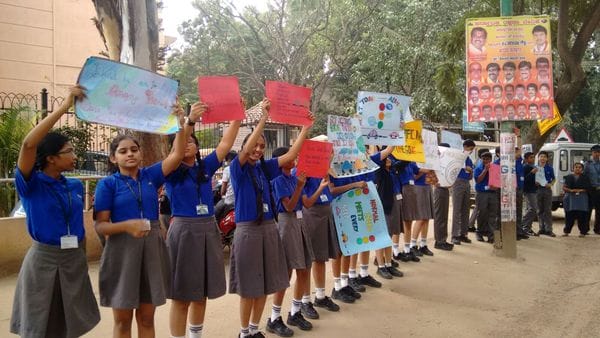
In pictures: School children step up to #SaveWhitefield

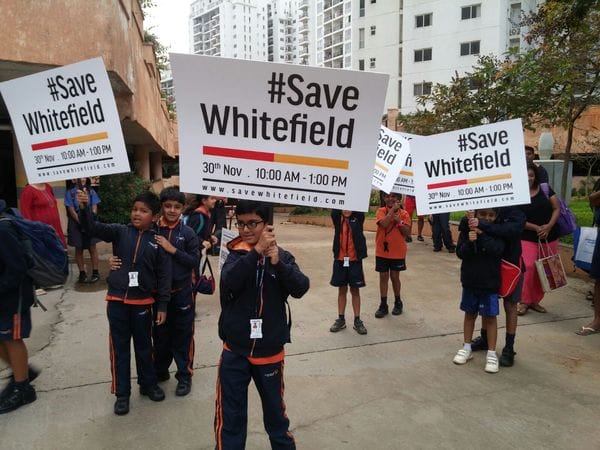
Children who attend schools in the Whitefield area bear the brunt of the problems with the infrastructure. Here's how they showed their solidarity at the #SaveWhitefield protest.

What goes missing in most of the conversation around the issues with infrastructure in Bengaluru, is the impact it has on children.

The school transportation system in the Whitefield area has taken a big hit. Children travel for several hours to cover a short distance. They are unable to reach their respective classes on time. Some of them miss the first class at school, some others try to save time by skipping breakfast. Due to the exposure to the dust during their commute, they are prone to developing respiratory problems. The bumpy rides take a toll on their slender spine. School authorities also say they are too tired and weak to learn anything.

And the reason? Bad roads!

When children are given a voice, they will speak up against the injustice meted out to them. And no finer example of it than at the #SaveWhitefield protest which took place on November 30th.

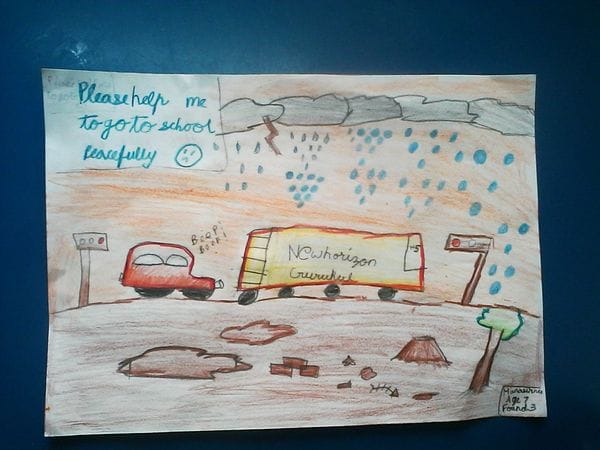
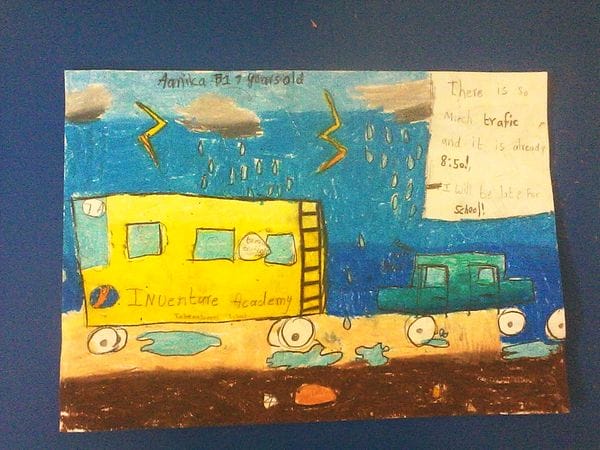
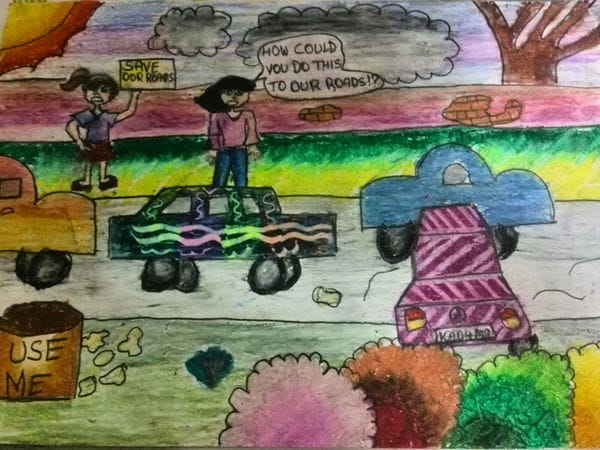
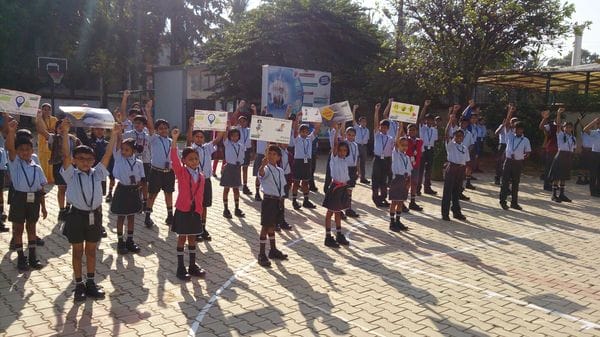
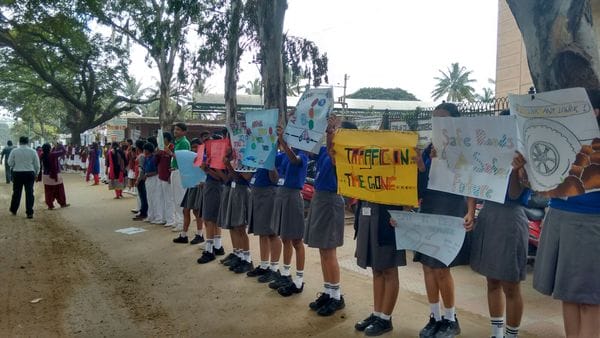
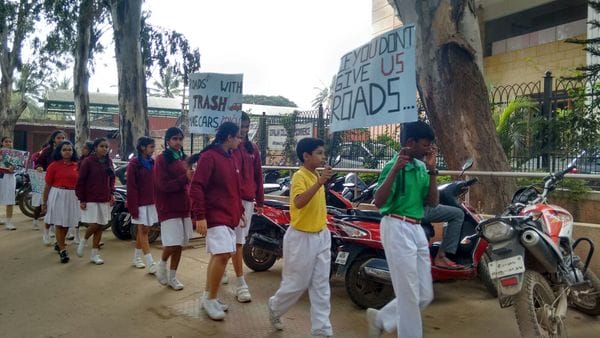
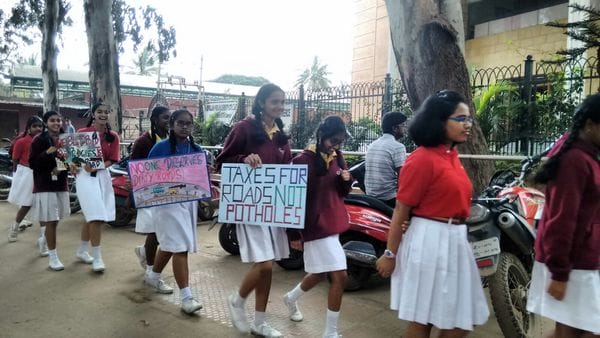
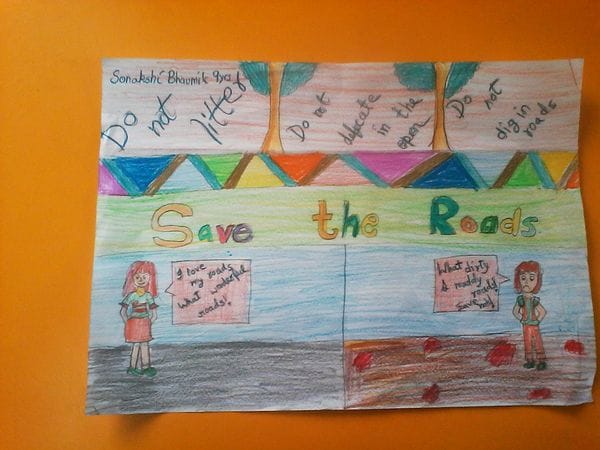
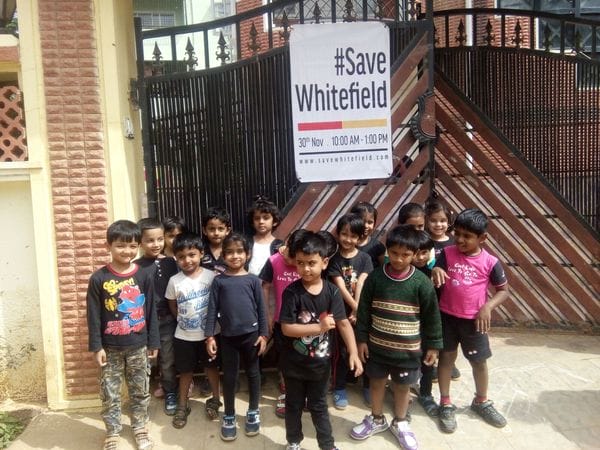
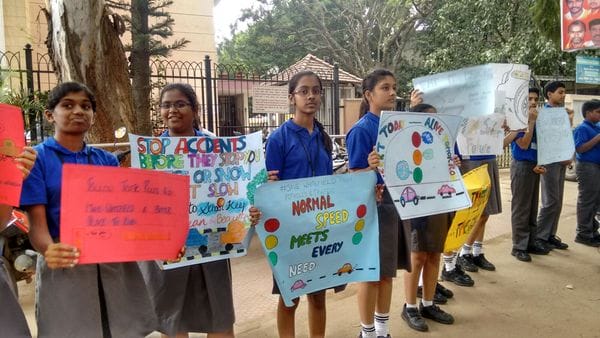
Children from schools like Little Elly, Glentree academy, Global Art, Oakridge International, Delhi Public School, Gopalan International School, Holy Cross School and Inventure Academy showed their solidarity by creating and exhibiting art and placards.

Some of the drawings by the children
Children at their schools
Participating in the protest
Will the Bengaluru government take the necessary steps to better the roads for the young ones at Whitefield?

Related Articles

#SaveWhitefield protest is only the beginning…
Renewed hope after #SaveWhitefield protest

Comments:

  1. N V Krishnakumar says:

    Using children for protests is unethical immoral and shameless. Poor parenting skills are supplemented by errant teachers who know very little about education. Indeed residents of world’s richest GHETTO are bankrupt of ideas.

Leave a Reply

Your email address will not be published. Required fields are marked *

Similar Story

Home-based education: Bridging the gap for children with disabilities

Samagra Shiksha Abhiyan offers home-based learning for students with severe disabilities, yet problems in access, awareness, and support remain.

Thirteen-year-old Rohan (name changed), a little shy and very happy, envelops his mother in a spontaneous bear hug as three of his teachers and therapists compliment and tease him playfully. We are at Rohan’s house in one of the bylanes of a bustling informal settlement in Dharavi. His mother, Mayadevi Jagannathan, cradling a two-year-old daughter, beams proudly as she says that now Rohan even helps her by keeping an eye on his younger siblings. This is significant for Mayadevi and Rohan’s therapists. Born with intellectual disabilities, he has come a long way, from not attending school as a child to now…

Similar Story

Is your child’s data secure under the APAAR ID programme?

Parents and activists fear that APAAR risks privacy and education rights, as schools push Aadhaar-linked IDs without clarity on consent or safeguards.

“I am not fully convinced that my child's and my personal data will be securely digitised under the APAAR ID initiative. I withheld some information, yet I’m anxious about my child’s safety and how this might affect her future education,” says Chaitra N, parent of a class 3 student in Bengaluru. Many parents share Chaitra's growing unease about providing personal data for APAAR ID generation. Tanuja R, mother of two undergraduate students, also had her reservations. “We place our trust in educational institutions to safeguard our children and their records, which ultimately shape their academic futures. That’s why, despite my hesitation,…