567 species of birds spotted in India on Endemic Bird Day

May 10th 2015, was celebrated as Global Big Day, when, all over the world, birders tried to document as many species of birds as they could in 24 hours. 

However, in India, we also  observed Endemic Bird Day on the same date. It’s not every country that can count a lot of endemic birds; we are lucky to have many of them!

What are endemic birds? Like any other species of living creatures, endemics are those which cannot be found anywhere else in the world. (we take the south of Asia as the area.)  The tally in India, this year, was 567, which puts it ninth in the world list… quite an impressive number of birds found only in the Indian sub-continent.

Here’s a great poster by the noted wildlife humourist and cartoonist, Rohan Chakravarty, which shows us many of the endemic birds that can be found in our country.

 

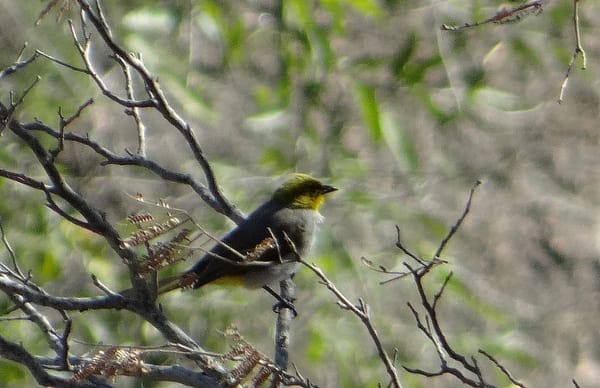
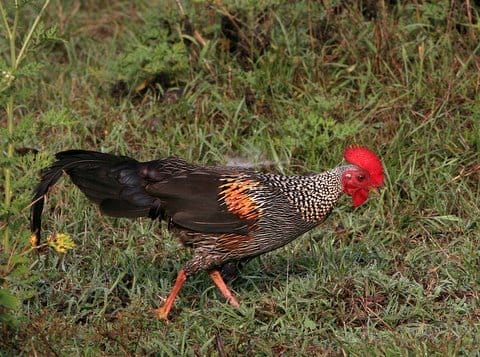
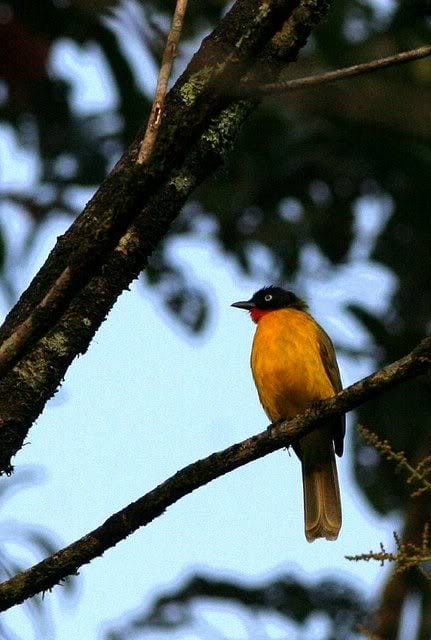
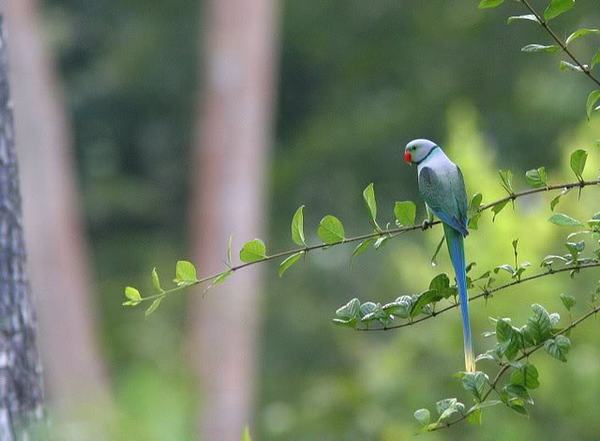
Some of the endemic birds can be found in the state of Karnataka, too; here are the photos I took of a few of them:

Yellow-throated Bulbul (Ramnagara)

Grey Junglefowl (Bangalore outskirts)
Flame-throated Bulbul (Hampi)
Malabar Parakeet (Kabini)
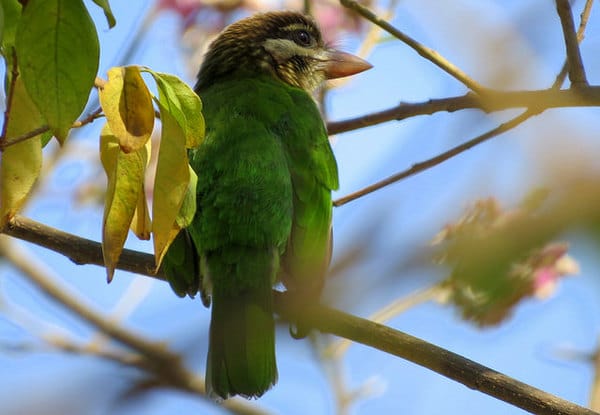
White-cheeked Barbet (quite common in our city)
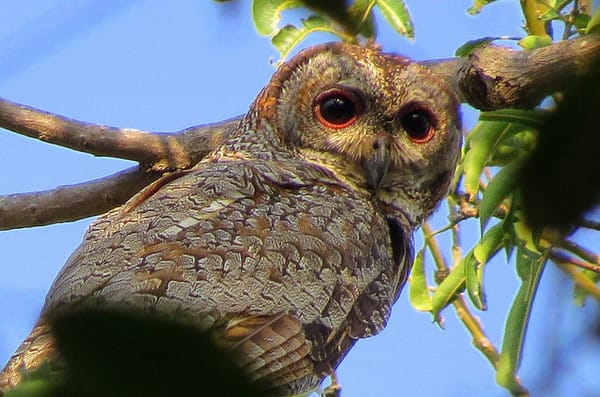
Mottled Wood Owl (Hulimangala, on the outskirts of Bangalore)
Since we are lucky enough to have some unique species of birds (and, indeed, many other creatures) around us, it would be a wonderful thing if all of us could do our bit to let these creatures thrive and multiply, and prevent them from going the way of many other species which have become extinct.

Leave a Reply

Your email address will not be published. Required fields are marked *

Similar Story

Where are the pollinators in Bengaluru?

Despite the volumes of citizen-generated data on the city's biodiversity, pollinators who sustain the urban ecosystem do not seem to be getting their due attention.

Urban biodiversity is often discussed in terms of tree cover, lakes, or flagship species, but far less attention is paid to pollinators—the insects and birds that quietly sustain urban ecosystems. In Bengaluru, a rapidly urbanising city with a strong culture of citizen science, large volumes of biodiversity data are now being generated by the public. But what does this data tell us about pollinators in the city? This article draws from a data jam hosted by OpenCity in Bengaluru that explored pollinator observations using publicly available, citizen-generated datasets. By analysing long-term observation records and spatial data on land use and…

Similar Story

Beyond the parks and gardens, Bengaluru’s ‘wasteland’ ecosystems call for protection

Open Natural Ecosystems in Bengaluru harbour rich biodiversity. Take a look at what they hold and what we risk losing to unchecked development.

When we discuss urban nature, we often forget about real natural habitats. In Bengaluru, widely called the Garden City, most talks about urban nature focus on landscaped parks, roadside trees, and manicured gardens; in other words, artificial ecosystems designed for looks and human comfort. As lay citizens, we usually notice only such nature as we see around our homes, workplaces or other areas we generally pass by. While these places do have some ecological value, they mostly support a few highly adaptable species. This has strong negative implications for native flora and fauna that depend on open scrublands, grasslands, rocky…