Garbage is a major crisis that Bangalore, as a city faces everyday. The city produces around 4,000 tonnes of waste every day. Adarsh Rhythm apartments located off Bannerghatta Road is one of the few communities in Bangalore that started following best practices in Waste Management way back in 2011. With 300+ families living in the community, it started off as an effort by a group of dedicated resident volunteers to manage the waste generated by the community responsibly. The community has achieved more than 90% segregation at source by the residents. Waste is segregated into the following categories at household level:
- Wet / kitchen waste
- Dry waste (into paper, plastic, metal and glass)
- Sanitary waste
- E-waste
- Rejects / inerts
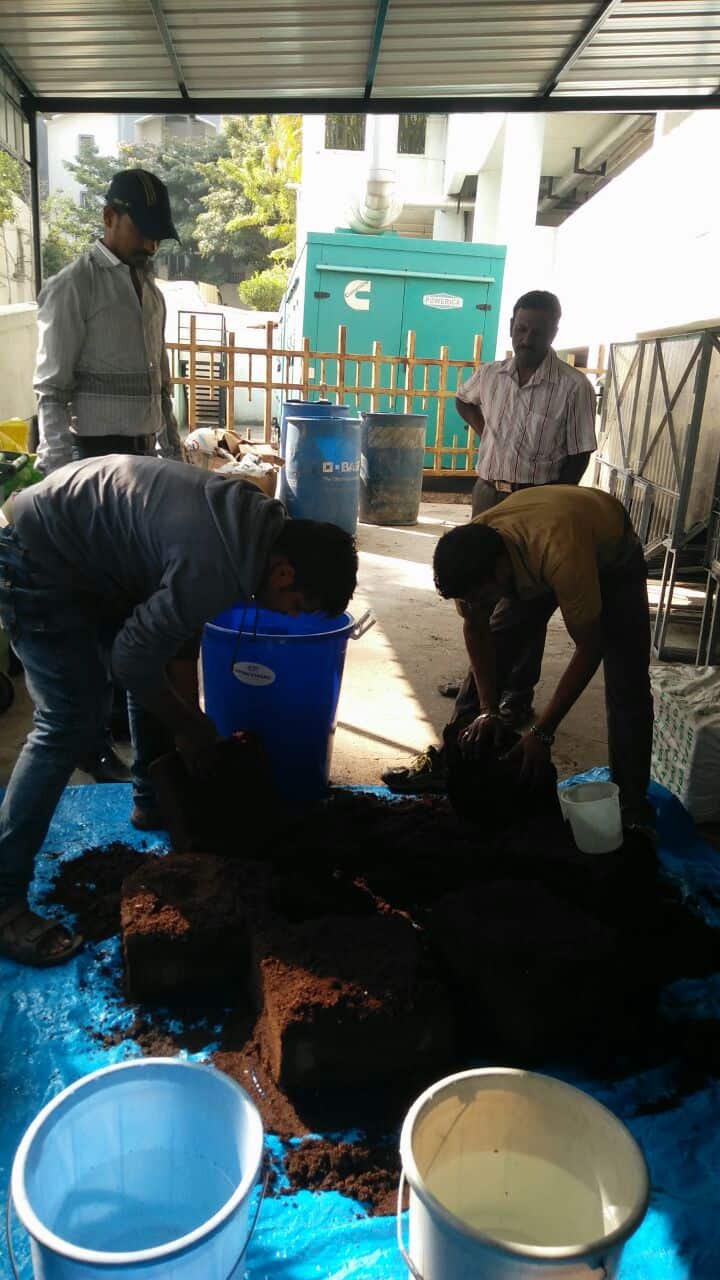
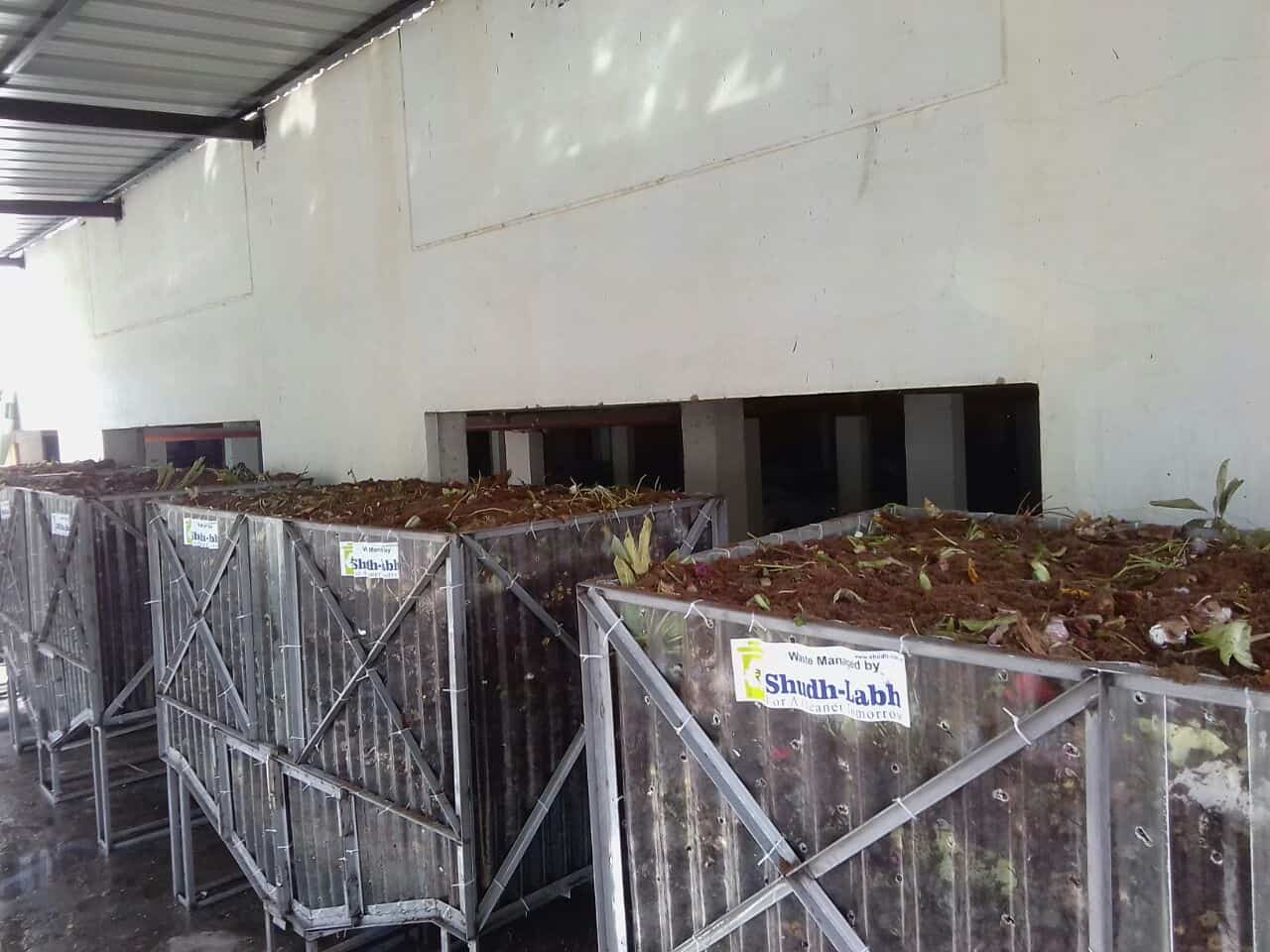
The community has in-situ aerobic composting set up. On an average, 200kgs of wet waste per day generated in the apartment complex gets processed. More than 2 tonnes of high quality compost is generated on a monthly basis, part of which is used for internal landscaping. The apartment has a strong and responsible housekeeping team that handles the wet waste composting process effectively.
Dry waste is segregated into paper, plastic, metal and glass. This is collected from households twice a week and sent for recycling through authorised recycling vendor.
Sanitary waste including sanitary napkins, diapers, used syringes, bandage and other medical waste is collected in non-chlorinated covers from the households and sent for incineration through authorised agencies.
E-waste including all electrical and electronic waste gets picked up by an authorised recycler on a monthly basis. It is hazardous to dispose e-waste through unauthorised vendors wwho don’t send it for responsible recycling.
Rejects/inerts are the materials that can be neither composted nor recycled, including construction debris, old clothes, etc. These constitutes only around 5 to 10% of the total waste generated in an average household.
Being a community with supreme importance towards environment, Adarsh Rhythm has been able to divert 100s of tonnes of waste from reaching a landfill / dumpsite by putting them to better use by either composting wet waste in-house or by recycling the dry waste or by scientifically processing sanitary waste and e-waste. Adarsh Rhythm was one of the winners of the ITC WOW Award for recycling in 2013.
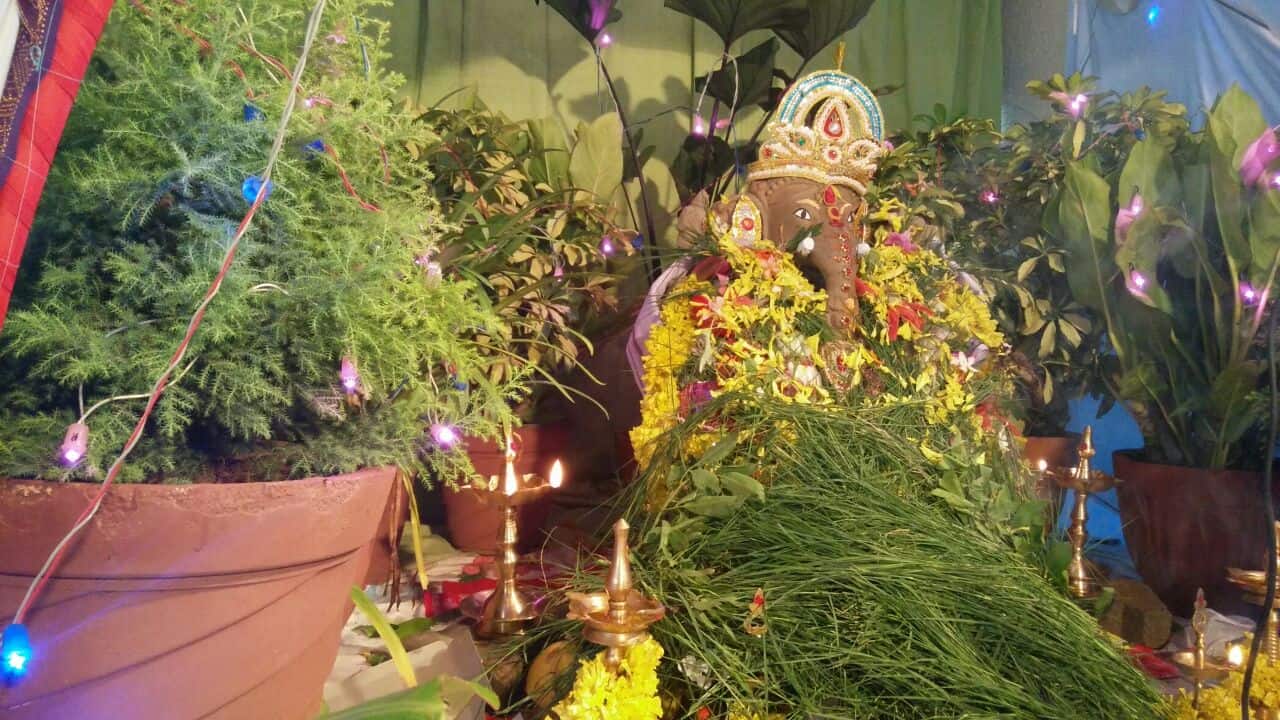
Apart from waste segregation initiative, the community focuses on reduction of waste during community events. The community events use reusable cutlery or leaf plates or containers for serving food. The apartment community also has strict rules regarding use of disposables in the party halls during celebrations. Clay Ganeshas are purchased and decorated with reusable and flower / leaf materials for Ganesha chathurti decoration / celebrations. The community has installed aerators in taps to reduce water consumption.
This was possible only with the co-operation of majority of the residents and house-keeping staff who deserve all the appreciation. If every citizen, every community and every layout in Bengaluru is responsible with waste management, it can work wonders to make the city the most beautiful place to live in.
I am similar concept and I need help in implementing it. Can you help me in same. I am also making android app for this.
This is the kind of news that I do not read anywhere else except in your dedicated site. Thank you. But why should we have to read about such great achievements in only subscribed internet news sites. Why are our Kannada and English news-papers, our daily dose news channels not covering them! State sponsored celebrations and recognition of this kind of good living and present citizenship will be more fruitful than celebrations of Jayanthis of questionable characters of history. But of course good citizenship will not procure as many votes as bad rulership.