Nilesh Jadhav, a 28-year-old resident of Dharavi in Mumbai, viral fever and cold in the last week of October. Though he recovered from the initial infection within two days, he had persistent dry cough from the third day post-recovery.
Nilesh says, “While the cough was initially tolerable, it gradually worsened, sometimes causing chest pain due to prolonged bouts of coughing.” Nilesh tried various remedies, including allopathy and Ayurveda, but none completely relieved his cough. It took nearly 15 days for Nilesh to overcome this lingering cough and regain complete respiratory comfort.
Malan Adsul, a 43-year-old resident of Navi Mumbai, had a fever 15 days ago, which subsided within three days. However, she continues to feel extreme weak and has a persistent cough. Malan says, “I’m unable to perform even basic household chores due to the ongoing cough and weakness.”
Over recent weeks, Mumbai and Mumbai Metropolitan Region (MMR) has witnessed a surge in cases of influenza, marked by symptoms such as fever, cold, and cough.
Experts say this year’s strain appears to be more virulent, contributing to prolonged illness characterised by persistent cough, body aches, and fatigue. Medical professionals attribute this surge to a confluence of factors, including seasonal changes, escalating air pollution levels, and the residual effects of the Covid-19 pandemic.
More cases, prolonged side effects
Major hospitals in Mumbai are registering a 30% surge in influenza cases, affecting individuals across all age groups. Symptoms include high fever, throat pain, cough, and cold. Most of these cases are a sub-type of the Influenza A virus, commonly known as the flu.
“During this flu season, despite mild viral infections, there’s a trend of symptoms lingering for more than a week. We’ve observed an increase in incidences of post-viral bronchiolitis, with some individuals experiencing a persistent dry cough lasting for a month,” said Dr Kedar Toraskar, head of critical care at Wockhardt Hospital.
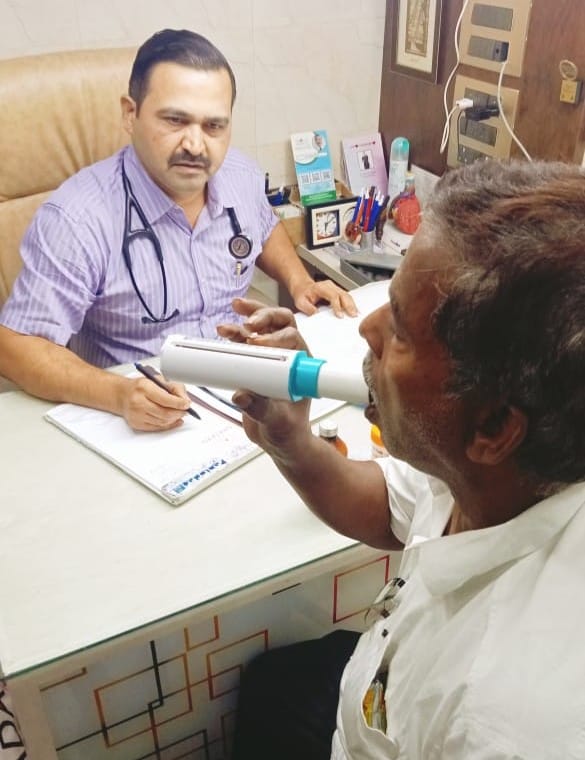
When explaining post-viral bronchiolitis, Dr Harish Chafale, senior consultant in pulmonology and critical care at Global Hospitals, highlighted, “In the post-viral infection phase, we’ve observed temporary inflammation in the airways in many cases. Individuals without any prior history of asthma exhibit symptoms akin to asthma due to the hyperreactivity of their airways. This condition is identified as post-viral bronchiolitis. In these cases, symptoms like cough can go on for more than two weeks.”
Dr Kedar added that approximately 10 percent of patients with viral infection are experiencing prolonged symptoms such as loss of the sense of smell and taste. Doctors said their prevalence has increased post pandemic. “Some patients have body malaise, reduced appetite, and significant weight loss during the post-viral infection phase,” said Dr Harish.
All viral illnesses are known to reduce the immunity, which may lead to a secondary bacterial infection in a week. However, it has now been noticed that these patients are getting secondary infections earlier, indicating a significant change in their immunity, said the doctor.
What is Influenza?
Influenza viruses, which cause the infectious disease known as flu, are of four different types: A, B, C and D. Within the Influenza A type, various subtypes exist, with H3N2 emerging as a prevalent viral infection this year.
Other viral infections include Respiratory Syncytial Virus (RSV), Adenovirus, and Rhinoviruses (RVs). The symptoms are similar to any other flu. They include cough, fever, body ache and headache, sore throat, a runny or stuffy nose and extreme fatigue. Nausea, vomiting and diarrhoea have been seen, but not in many cases.
The severity of H3N2 is lower in this flu season compared to April this year.
Read more: Monsoon maladies on the rise, conditions worse than last year
Recurrent wheezing and cough in children
Children are more susceptible to viral infections due to seasonal changes, given their narrow and sensitive airways, making them prone to upper respiratory diseases.
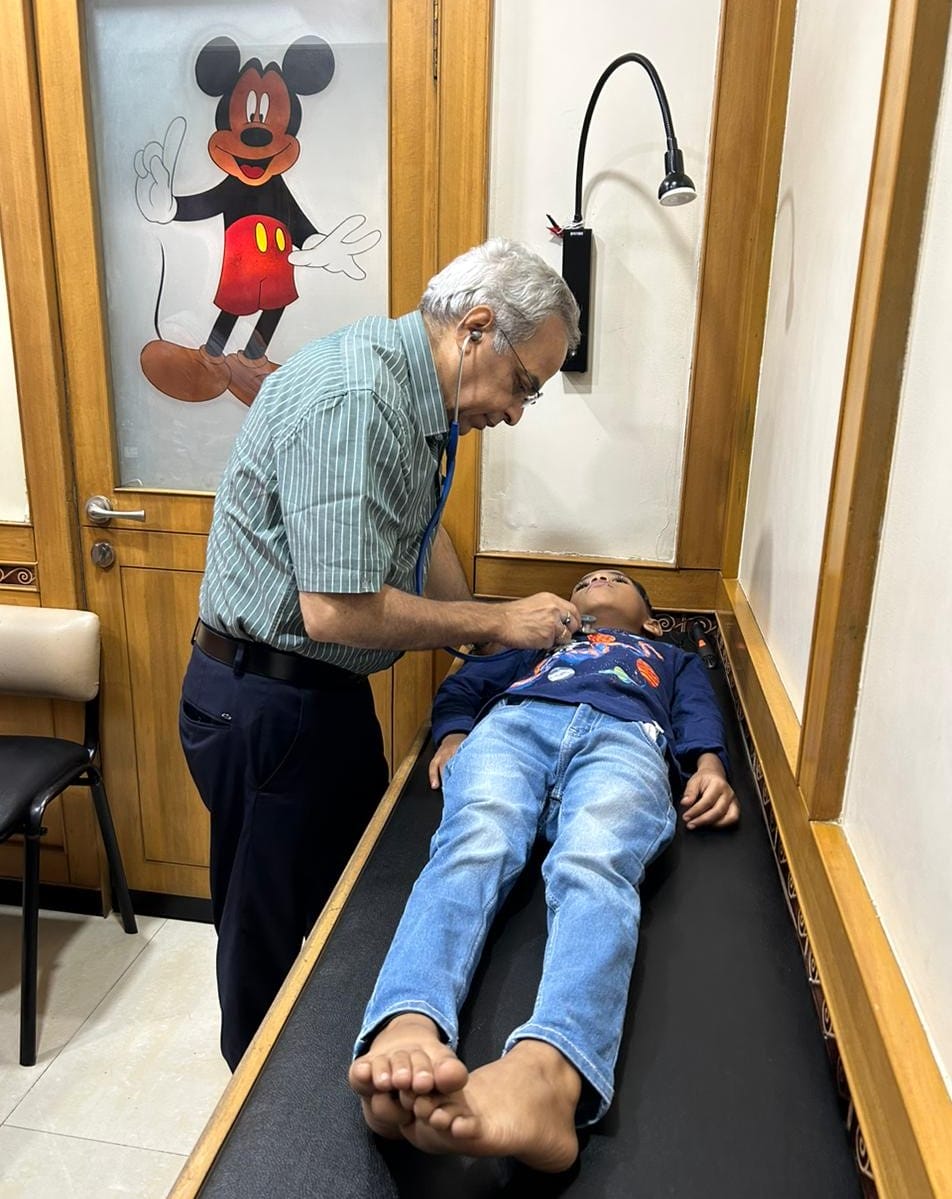
“In this flu season, in most children’s cases, we observed bronchiolitis, a condition arising when a virus infects the bronchioles—the smallest airways in the lungs. Viral wheezing has increased in children, with up to 60% experiencing persistent and recurrent coughs for an extended duration. Viral infections in children may continue for the next three to four months of winter,” said Dr Vijay Yewale, senior paediatrician from Navi Mumbai.
What causes prolonged illness?
Doctors highlighted the need to study this virus and its manifestations. Dr Bharesh Dedhia, chief of critical care at Hinduja Hospital, Khar, notes that the principle of ‘survival of the fittest’ also extends to viruses. The pandemic may have influenced the virulence of these organisms through further mutations.
Medical professionals linked the escalation of these changes to the deteriorating air quality as well. Dr Bharesh said pollution weakens immunity and makes the lungs more susceptible to infections. The impact of pollution extends to facilitating easier upper airway viral infections, causing structural changes and lung damage.
Dr. Harish emphasised that the cost of testing for these viruses surpasses the cost of treatment. As a result, routine testing is not recommended. However, it becomes imperative to conduct tests, especially for hospitalised patients, aiming to identify and monitor the evolving trends of the virus.
Should we worry about the inhaler?
Dr Harish said, “Inhaled medications with steroids are recommended for post-viral bronchiolitis. However, patients hesitate to use inhalers, because of fears and misconceptions. There seems to be an assumption that if you use an inhaler once, it implies a lifetime dependency or an eventual development of asthma.”
Another common misunderstanding is that only asthma patients rely on inhalers. Consequently, parents are reluctant to use inhalers or steroids when recommended for children with viral wheezing or persistent cough.
How important are vaccines?
Doctors highlighted that patients with compromised immunity or multiple co-morbidities, including diabetes, hypertension, heart disease, or pre-existing conditions like asthma, COPD, or pulmonary fibrosis—especially the elderly—are more susceptible to viral infections and at a higher risk of developing severe complications.
Hence, it is crucial to vaccinate these vulnerable individuals annually with influenza and pneumococcal vaccines.
Doctors emphasised that one need not be concerned about prolonged illness and that it can be managed with regular treatment, rest, and hydration.
Do’s and Don’ts for a quick recovery
- Symptoms of a viral infection include a high-grade fever accompanied by symptoms such as cold, cough, vomiting, body aches, and loose motions.
- Though symptoms seem mild, do not resort to self-medication or ignore these signs.
- Seek medical advice and take medications only after consulting with your doctor. This is particularly important for individuals with underlying co-morbidities and the elderly, who should promptly consult a doctor and initiate medication to prevent potential complications.
- If symptoms persist beyond 3–4 days or worsen, contact your doctor for a thorough evaluation and necessary tests.
- Take plenty of rest and stay hydrated.