12 Indian coastal cities will be submerged by the end of the century: IPCC
A report by the Intergovernmental Panel on Climate Change (IPCC) has predicted that 12 Indian coastal cities, Kandla, Okha, Bhavnagar, Mumbai, Mormugao, Mangalore, Cochin, Paradip, Khidirpur, Visakhapatnam, Chennai, and Tuticorin, could be under almost three feet of water by the end of this century. Asia has been highlighted as a major factor driving such calamitous change. The report notes that sea levels around Asia have been increasing at a faster rate than the average global rate. Moreover, the report says that by 2050 extreme sea-level events that used to happen once in 100 years, could take place every six to nine years.
The report has also issued a warning for the Himalayan region. As per the report, the region’s snow cover can decline and glaciers might retreat. This could severely affect water availability and river systems like the Ganga.
IPCC has been releasing reports focusing on factors causing climate change across the planet since 1988.
Source: The India Today
Read more: Explainer: Why Mumbai is inundated every monsoon
DCGI approves study on mixing of COVID-19 vaccine doses
As recommended by the Subject Experts Committee of the Central Drugs Standard Control Organization (CDSCO), the Drugs Controller General of India (DGCI) has accepted the proposal to conduct a research study on the mixing of Covishield and Covaxin vaccines. The study will be conducted at the Christian Medical College in Vellore, Tamil Nadu.
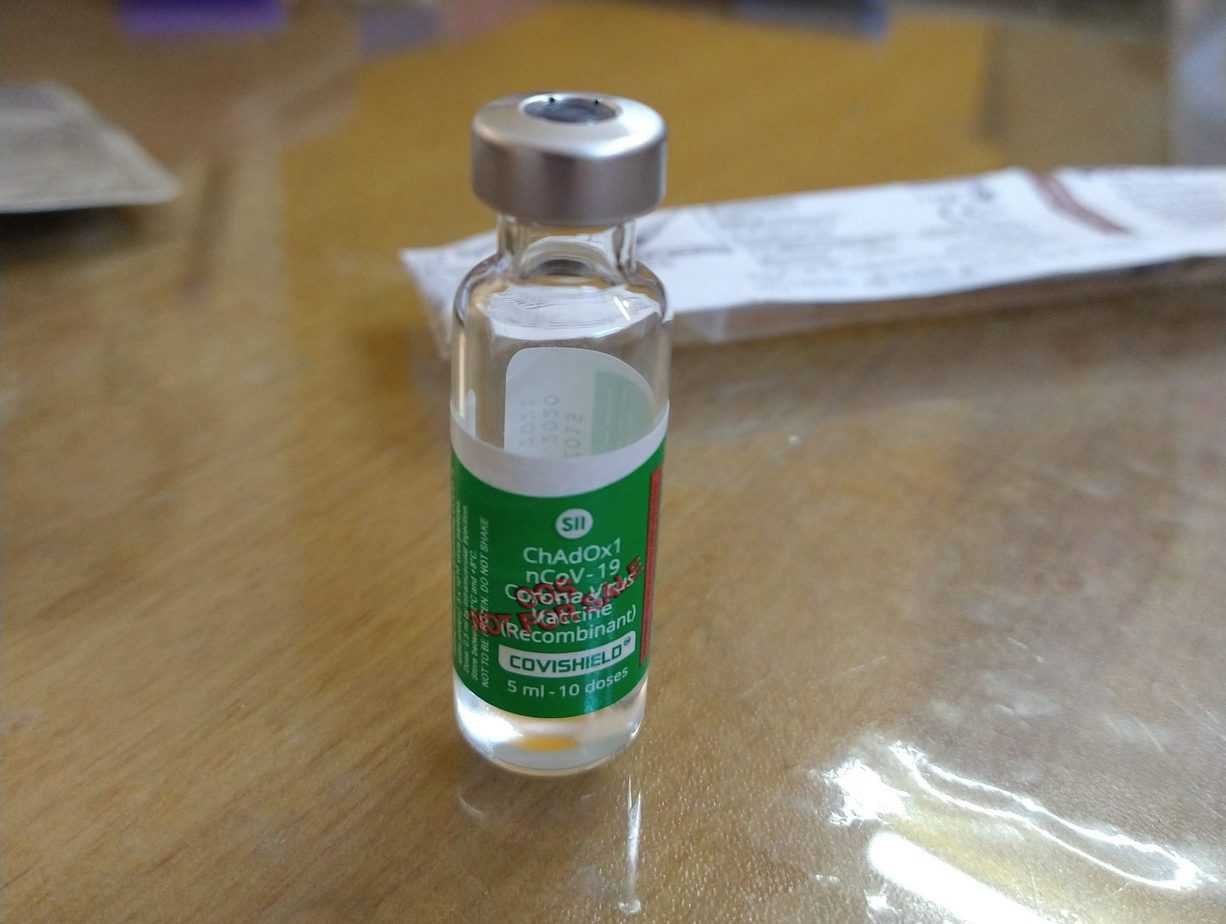
The proposed trial will see 300 volunteers being administered a dose each of Covaxin and Covishield. The study aims to understand whether two different doses of vaccine actually improves immune response to COVID-19 as compared to two doses of the same vaccine as is being done at present.
Source: Hindustan Times
Read more: Know more about the new vaccines that could accelerate India’s COVID vaccination drive
15 crore children not part of the formal education system in the country
Union Education Minister Dharmendra Pradhan told Parliament that at least 15 crore children are not part of the country’s formal education system. Also, almost 25 crore people fall short the primary definition of literacy. From a 19% literacy rate on August 15, 1947, India can claim a 80% literacy rate on its 75th anniversary. The government is aiming to bring the remaining population under the formal education system, Dharmendra Pradhan added.
Source: The Hindu
Indore declared India’s first “water plus” city
After being declared India’s cleanest city for the last four years, Indore is now the country’s first “water plus” city. Water Plus is a new evaluation category introduced by the Ministry of Housing and Urban Affairs in its Swachh Survekshan survey for 2021. The parameter judges the city’s preparedness in terms of recycling wastewater and conserving water bodies. As per the guidelines, a city will get a Water Plus tag only after all the wastewater released from households and commercial establishments is treated to a satisfactory level before releasing into the environment.
According to the Indore Municipal Corporation, the city is reusing close to 110 million liters of wastewater each day by installing seven sewerage treatment plants. The municipality also succeeded in closing more than 7000 private and commercial sewerage systems that dumped its waste water directly into the city’s water bodies.
Source: Hindustan Times
Delhi: Walk in vaccination for pregnant and lactating women
As per a new order by the Delhi Government, pregnant and lactating women will be eligible to get vaccination shots on walk-in basis at the regular check-up clinics for their antenatal and postnatal checkups. The women can get vaccinated on designated days at these clinics. Since these clinics serve as cold chain points, the government aims to cover pregnant and lactating women who are vulnerable to COVID-19.
Women and child rights bodies have for long been advocating creation of special vaccination facilities for lactating and pregnant women.
Source: The Hindustan Times
Also read:
- Bengaluru Buzz: COVID among kids | Ban on gatherings | E-buses to be launched
- Chennai Buzz: Two new COVID clusters in the city| TN Budget update | Corporation to revamp dog shelters
- Mumbai Buzz – Schools to reopen | Dadar fish market demolished | LPG leak in hospital
Compiled by Rishabh Shrivastava
IPCC in its latest report warned that India must act now or else climate change will result in extreme weather conditions in the country. India needs to increase the pace toward climate change as six Indian port cities – Chennai, Kochi, Kolkata, Mumbai, Surat, and Visakhapatnam are sinking gradually day by day.