Third national sero survey conducted by ICMR
As per the third national sero survey conducted by ICMR, more than 21% of Indians might have had COVID-19. The survey was conducted between 7th December last year to 8th January 2021. The survey highlighted that a large proportion of the public was still at risk of catching the infection. Urban slums showed the highest prevalence of the COVID-19 at 32% followed by urban non-slums at 26%. The survey was conducted across 21 states.
Source: NDTV
Classes 9 and 11 reopen in Delhi
After ten months, school for classes 9 and 11 have resumed in Delhi, though students will be allowed in schools only with the formal consent of their parents. The Delhi government had earlier opened the schools for classes 10 and 12, keeping in mind the impending board exams. The government has also informed that they will soon try to reopen classes for students pursuing graduate and diploma courses.
Source: DNA
Read more: For schoolkids in Delhi, not quite a happy new year
Union Budget 2021: Rs 1800 cr for revamping public transport
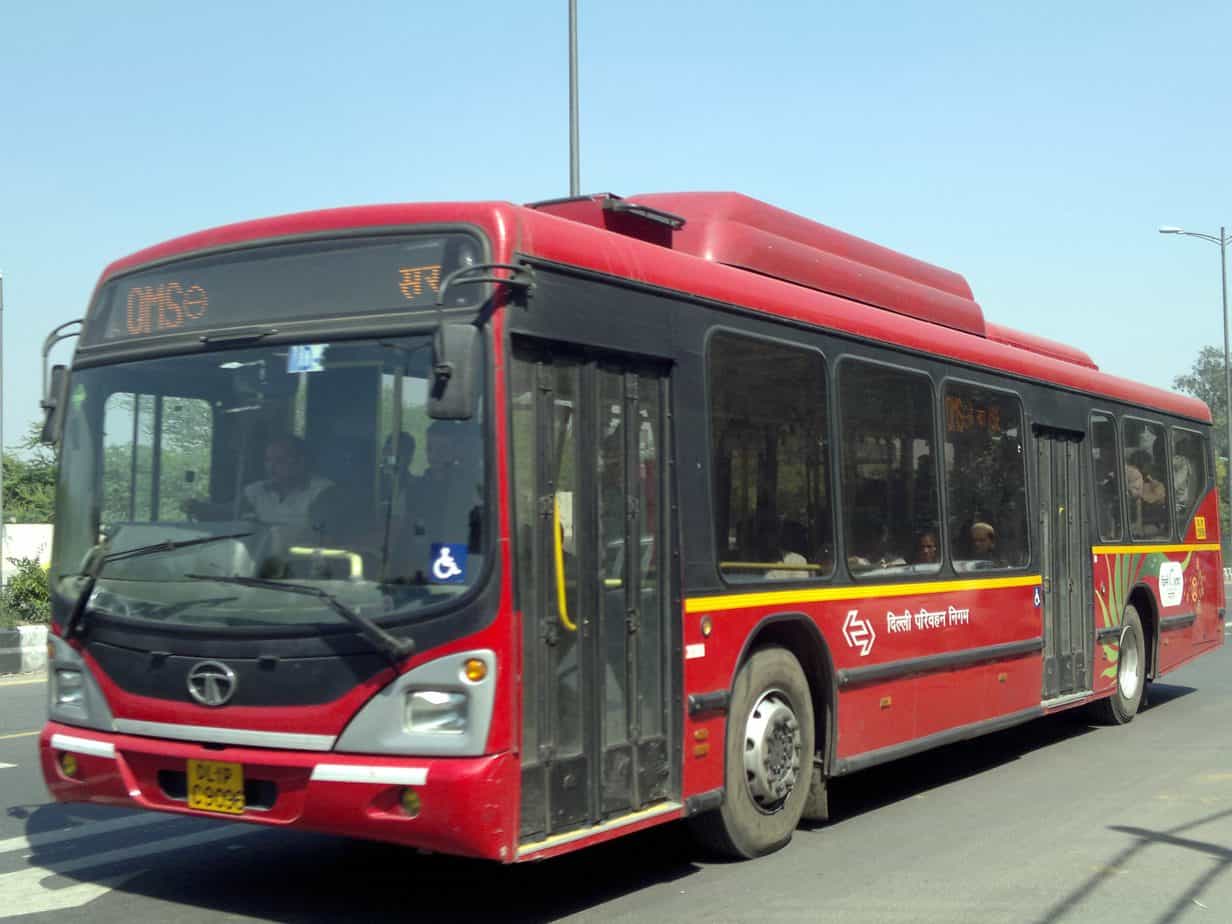
On the occasion of Union Budget 2021, the Finance Minister announced a new scheme for the improvement of public transport. The government will raise the share of public transport in cities and urban areas by metro rail and city bus services through a total spending Rs 18000 crores. Under the new scheme, 20000 new buses will be placed to run in 111 cities under innovative PPP models, which will help in improving mobility in urban areas.
Source: DNA
Read more: What will it take to nudge people towards public transport post COVID?
NMRC to run fast trains to reduce travel time to Aqua Line
Noida Metro Rail Corporation (NMRC) has decided to introduce fast trains which will reduce the travel time of the Aqua Line by skipping 10 metro stations. At present, the average time from Sector 15 to Depot is 45 minutes 43 seconds which will be reduced by nine minutes to 36 minutes 40 seconds.
Moreover, the travel time between Sector 51 to Pari Chowk is 37 minutes which will become 28 minutes 30 seconds. The trains will run during peak hours with a frequency of 7.5 minutes and 10 minutes during non-peak hours. However, on Saturday and Sunday, the frequency will be 15 minutes with no skipping of stations.
The stations which have low ridership and will be skipped by fast trains are: Sector 50, Sector 81, Sector 83, Sector 101, Sector 143, Sector 144, Sector 145, Sector 146, Sector 147 and Sector 148.
Source: The Financial Express
600 illegal hoardings identified in Gurugram
The Municipal Corporation Gurugram (MCG) has sanctioned 80 spots for placing hoardings in the city. But the authority has identified 600 illegal hoardings thronging the city.
MCG has identified Gurugram, Dwarka and Delhi-Jaipur expressways, Sohna Road, Pataudi Road, Badshahpur and Kherki Daula toll plaza areas as some of the key areas where illegal hoardings are being placed. The authority has warned of strict action against violators and has asked citizens to report such hoardings to MCG.
Source: The Tribune
No vaccine-related deaths in India so far, says government
In a recent press conference, the Ministry of Health and Family (MoHFW) has said that all the allegations claiming death due to the COVID-19 vaccine are baseless. The ministry informed that the country is following a robust system of monitoring for cases of Adverse Event Following Immunisation (AEFI) in India.
So far, 19 deaths have occurred in India following the COVID-19 vaccination that started on 16th January 2020. But the government once again vouched for the safety of the vaccines administered and said that none of the deaths have been attributed to vaccination. The ministry said that details on the death of these 19 people will be in the public domain soon.
Source: NDTV
Compiled by Rishabh Shrivastava