I went to visit Lodhi Gardens in Delhi primarily to see its ancient ruined tombs, rich in history. I was enveloped in their serenity. But then this enchanting garden showcased a whole range of green insights that enriched my own unruly gardening, which is often thwarted by six cats who poke their noses into every garden matter.

At one of the tombs. Pic: Daksha Hathi
It also made me realize how much there was for public gardens and green spaces in other cities to learn from the way Lodhi Gardens is maintained and the small, simple, easy chores that it has included in its daily schedule of activities.
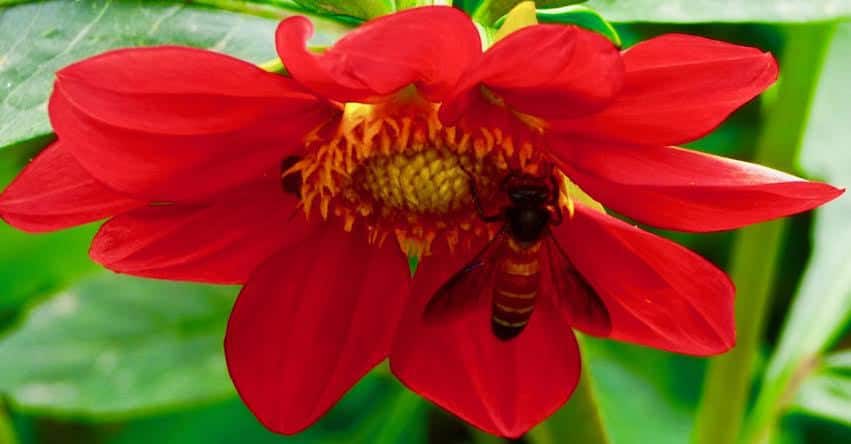
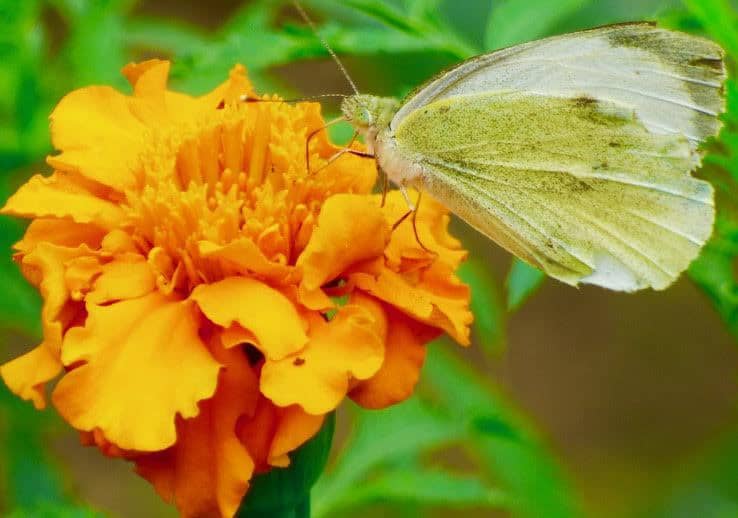
The butterflies on the small dahlias before one of the tombs, kept me spellbound for an hour. It was a very hot day and the sunlight lured three butterflies to alight on the small dahlias repeatedly. They also came to rest on the orange and yellow marigolds.
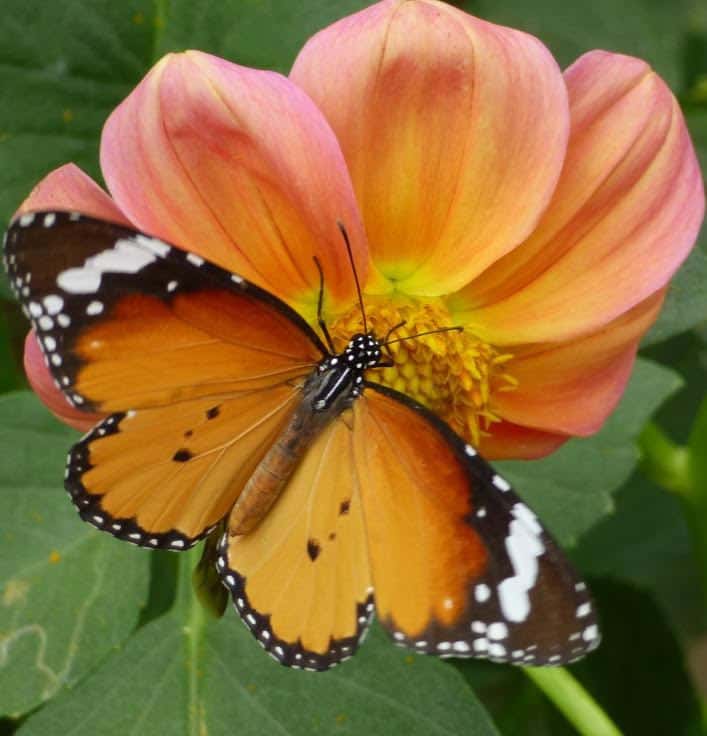
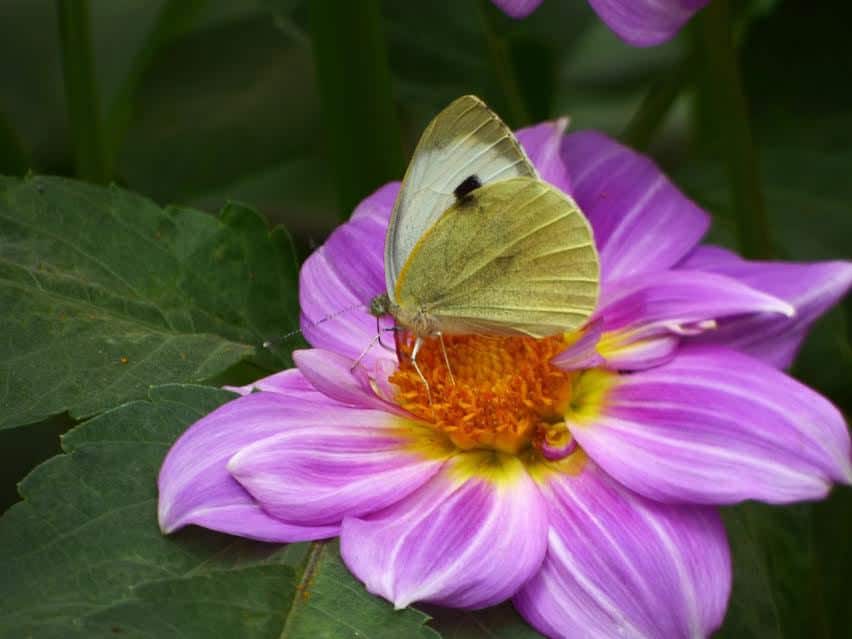
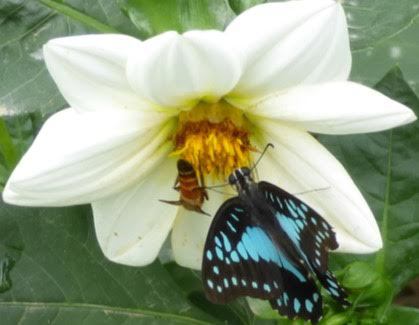
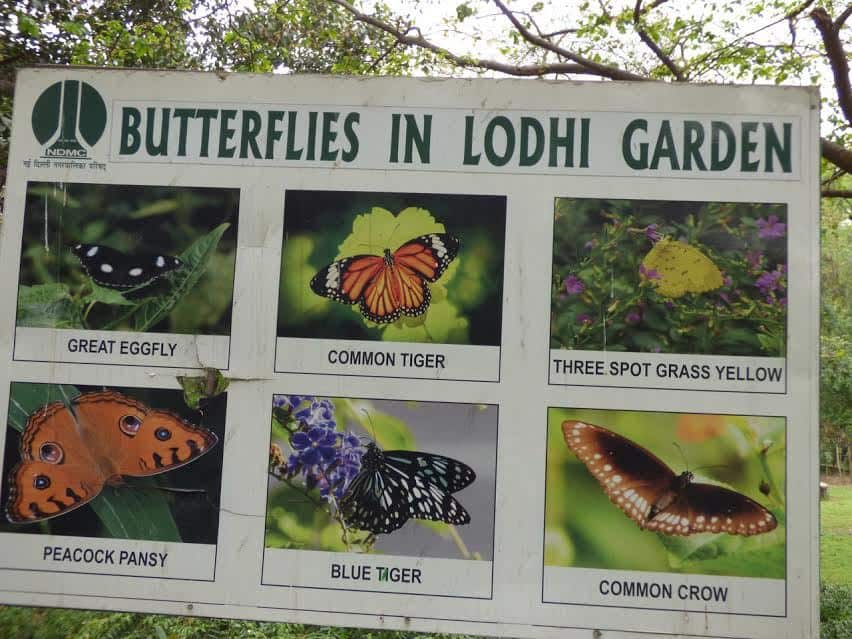
There is a neatly put-up sign there showing the six kinds of butterflies that Lodhi garden has. I had already seen three of them on my first visit. The next time I saw three more and two, which weren’t on the signage.
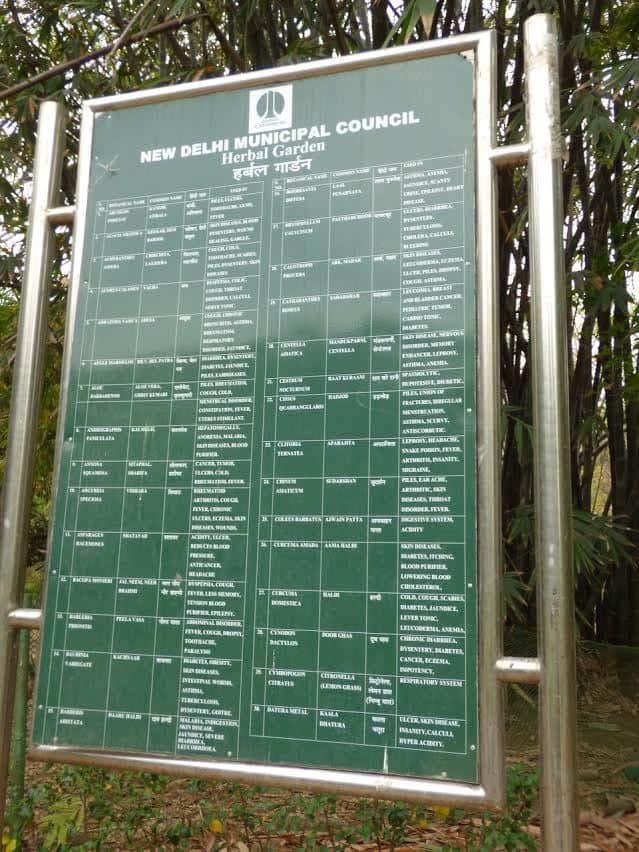
Alongside the small dahlias an old gardener busy with his mobile, also watered a large herbal garden that had every herb you needed for better living. Butterflies alighted here too and a very big notice board tells you the names of the herbs growing there and what they could be used for.
As you flit from one lovely, worn-out tomb to another, each surrounded by the aching serenity of death, past the towering trees with their hearts of hope and harmony, an army of squirrels will accost you. They will first guide you to inspect the massive and gorgeous dahlias growing under the calm shelter of another red tomb. Just as you start to regret having forgotten to bring some nuts for the squirrels, they show you how Lodhi Garden is already meeting the need.
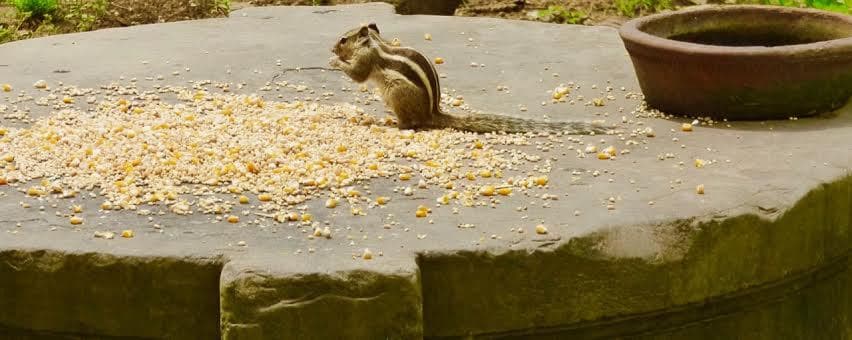
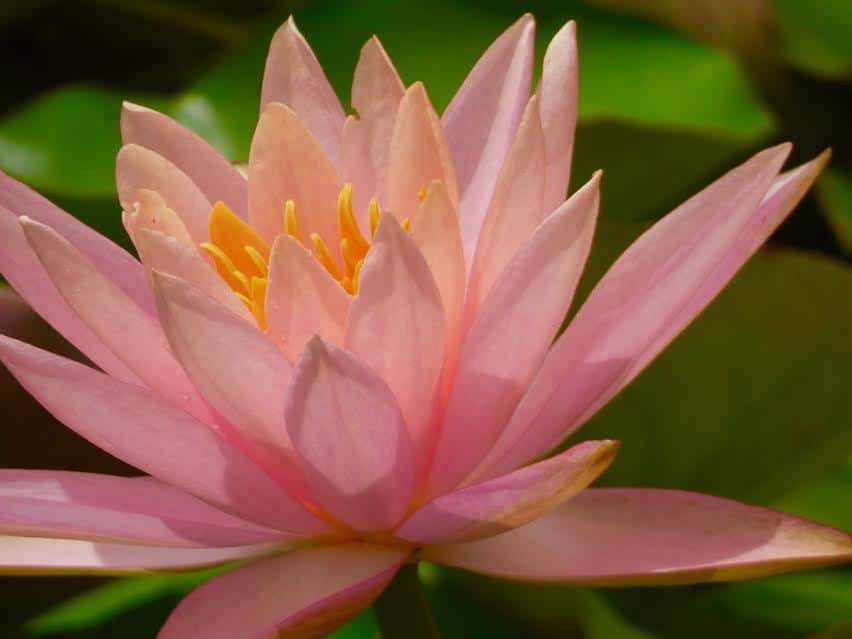
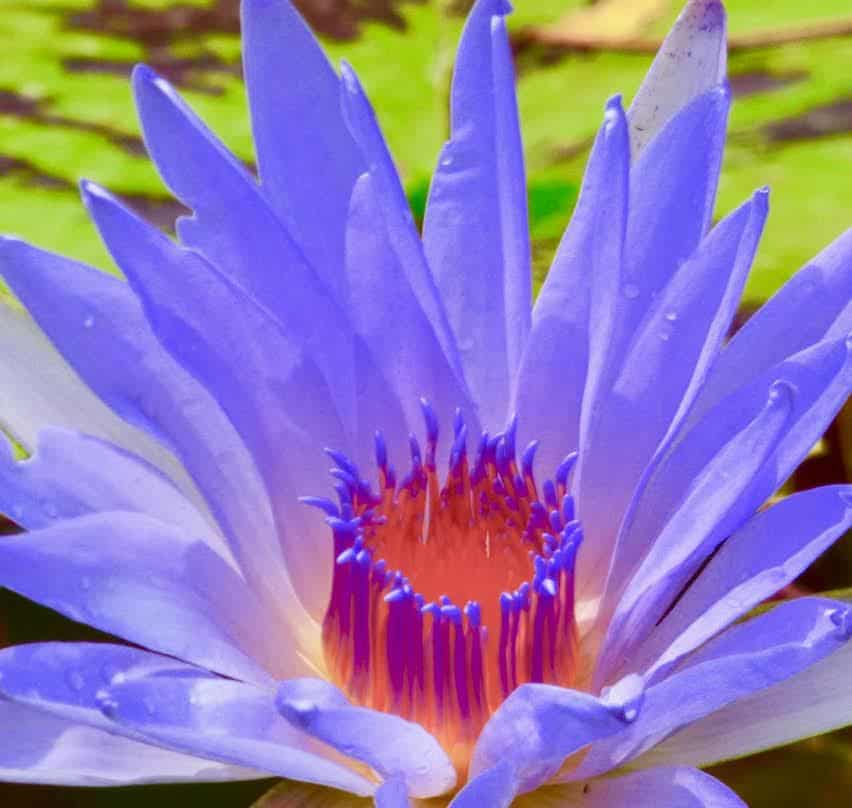
Near the lotus pond, which has twenty or more very entrancing dark pink and white water lilies, there are several large wooden platters filled with nuts, grains, rice and corn for the squirrels and you can see them hop up to have their lunch. Alongside the grains there are filled bowls of water for them. The squirrels share their booty with mainas, crows, parrots and other birds! It was a truly magical surprise.
There is a very large rose garden where the roses had dried up, this being April. But the Gardens have a large thatch of nasturtiums growing richly all over it. The nasturtium is a very valuable plant to have, as it deters pests from attacking any plants around them. This flower is edible and so are its leaves. It is mildly-scented and is great for adding to salads, fried rice and any other dish you want to colour up for dinner guests.
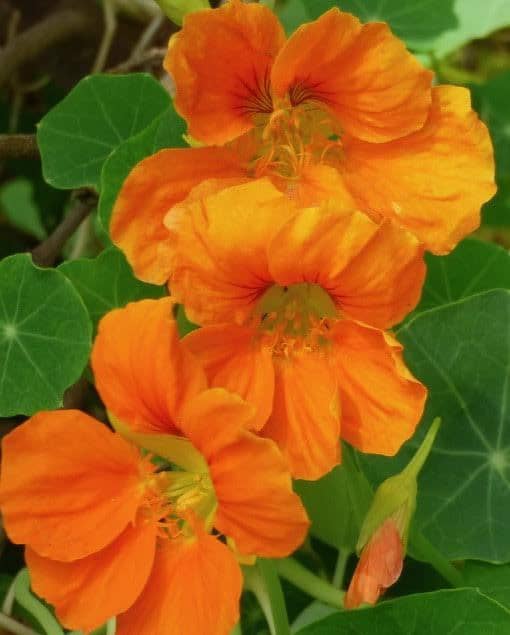
Nasturtiums in bloom. Pic: Daksha Hathi
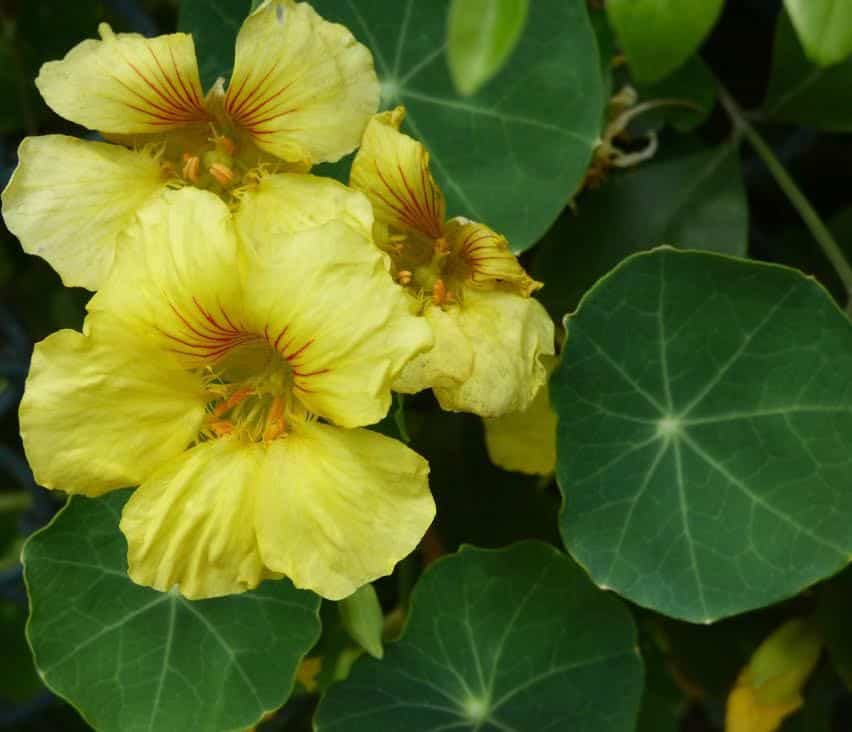
These are edible and also protect plants from pests. Pic: Daksha Hathi
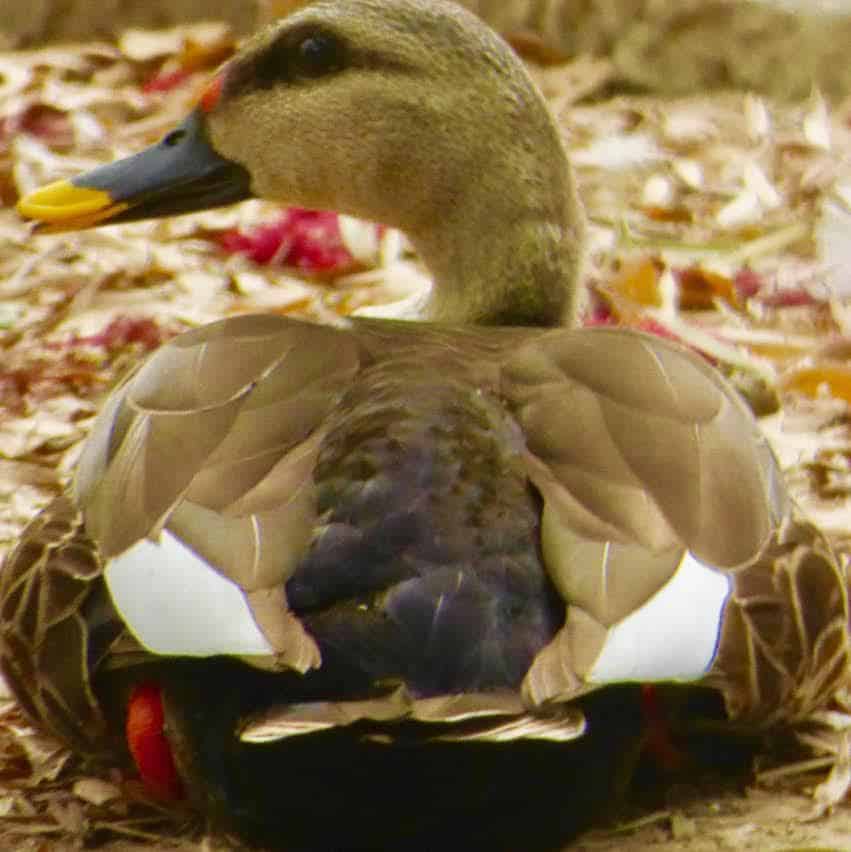
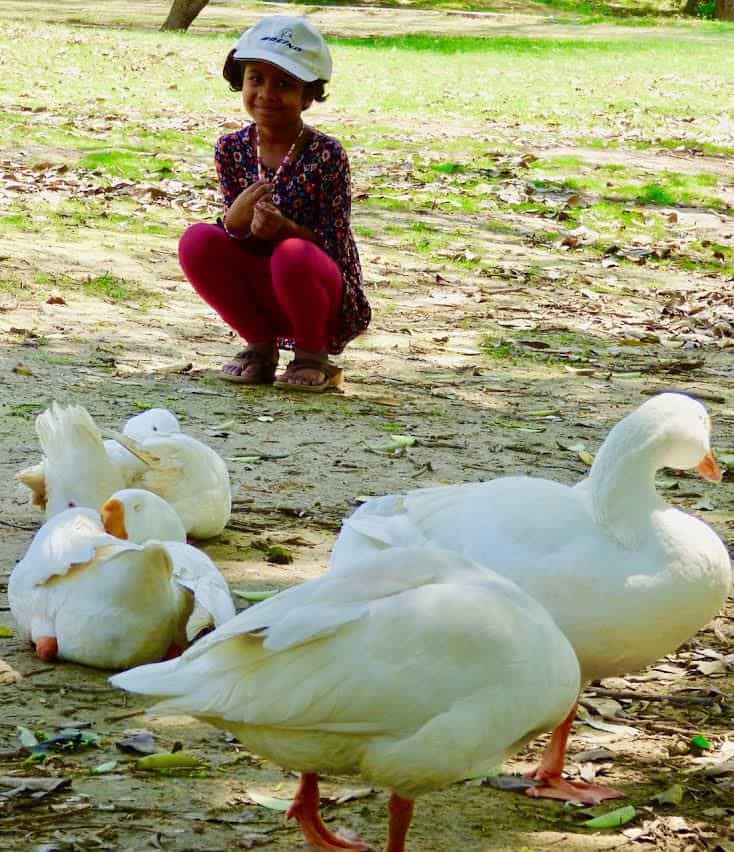
Finally you come to the large lake to meet a small army of very friendly ducks, and around it many birds like parrots, pigeons etc. drinking water along with squirrels! The poster showing how many kinds of birds live here, also said that owls are visible often, but I was not lucky enough to see one!
But the ducks were magnificent as they sat around calm as nuns, giving that ineffable sense of peace that they somehow seem to have patented! One of them had delivered and there were eight bright yellow chicks, adding to the cheer of the visitors around. The cage in which the mother and chicks were kept was rather small though, and one wishes that this would have been larger.

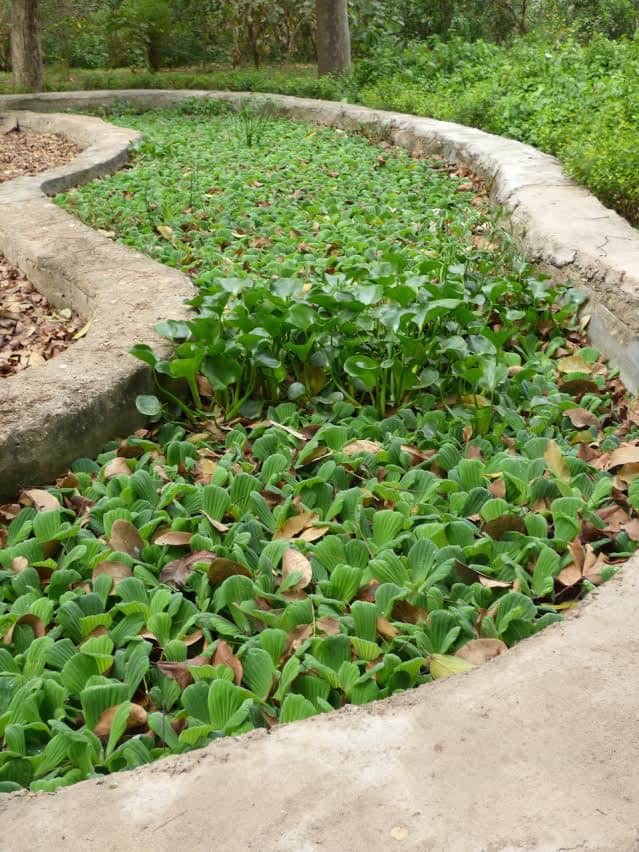
Water lettuce, a rare sight in a public garden. Pic: Daksha Hathi
The best time to visit this very friendly garden, which also has an impressive Glass House, is actually any time you choose. But if you visit at lunch time, when the ducks have just had their grains, rice and bread (much of it from visitors, which perhaps is not the best feed for them), after which they fall into a nap of utter calm, you would be able to grasp the precious real meaning of the word tranquillity!
Notes to carry back
In Bengaluru, where I live, Lalbagh is a similar green oasis in the heart of the city, but alas has no such treats. Instead, the lotus lake is constantly clogged with hundreds of bottles, plastic bags, trash of all kinds due to which fish are choking there.
Lodhi Gardens on the other hand shows several signs of composting of garden treasures such as leaves, shrubs, grass etc while chunks of old trees are used to make tables on which healthy feeds for squirrels and birds are laid out. The garden is also very clean and you cannot find a single sign of plastic bags or bottles dumped anywhere.
One of the nicest sights is the poster put up by this free garden which says: Do not burn leaves. You should instead put them under your soil for it to become leaf mold! It is like making your very own free and fresh soil besides avoiding the great harm and waste caused by burning up leaves.
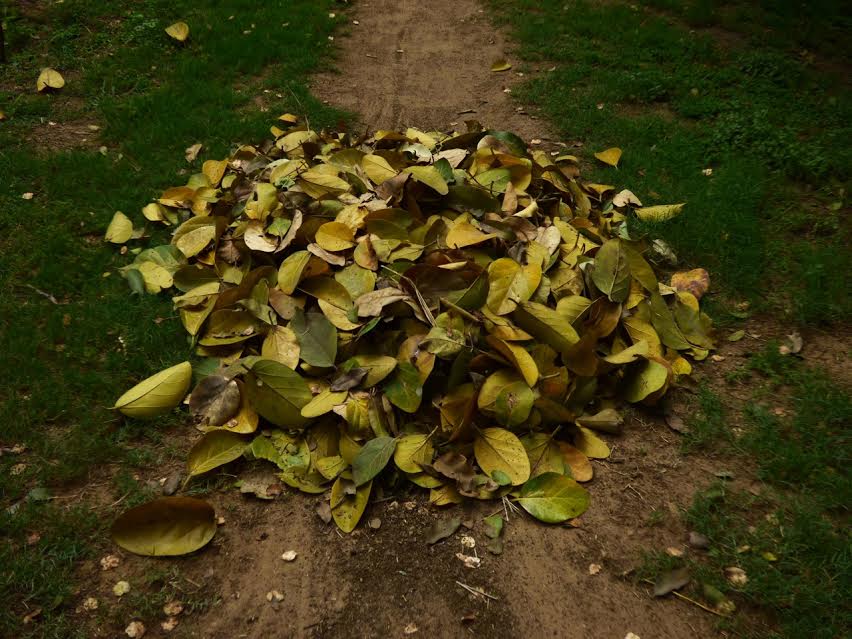
Leaf collection for composting. Pic: Daksha Hathi
There is drinking water all around this garden and enough history to keep you happy. But its richest gift is the sensibility that it arouses – one that coaxes you to care for wildlife, showing us how easy it is to do the small things that bring us the brightest riches of living.