It is well known that cancer is one of the worst diseases in the world that takes away precious lives. It belongs to a class of diseases characterized by out-of-control cell growth. There are over 100 different types of cancer, and each is classified by the type of cell that is initially affected. Cancer mortality is mainly due to metastatic tumours, that grow from cells that have travelled from their original site to another part of the body.
Continuous improvements are taking place in the discovery of new drugs with the objective of curing or slowing down the spread of cancer. Newer equipment is being designed to locate the tumours and narrow down the area to be treated by radiation therapy, thus reducing the good cells being affected. The patients suffer not only from the disease but also due to the after effects of chemotherapy, radiation therapy and emotional breakdown. A diagnosis of cancer often results in a variety of emotions that may include shock, anxiety, sadness, relief, uncertainty and for some people, depression.
There are excellent medical facilities in our country to diagnose cancer in its early stages and provide world-class treatment. But not all efforts are successful due to several medical reasons. And after spending a fortune on treatment, the family of a patient is impacted financially and is not able to give enough care and support. But sadly, persons who are terminally ill have to wait until their end arrives.
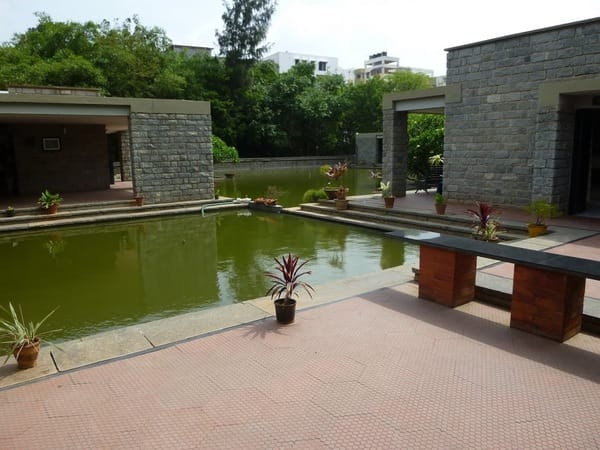
Karunashraya
There are some organisations in India which have come forward to provide palliative care to terminally ill patients. One such institution is the Bangalore Hospice Trust also known as Karunashraya. According to the trust, there is a greater need for care when there is no hope for cure. It offers professional palliative care totally free of charge. I visited the organisation recently to contribute towards its commitment to the suffering public, as I do every year in memory of my wife who was a victim of the dreaded disease.
The institution has a beautiful campus with plenty of greenery to create a serene atmosphere, very comfortable wards for patients and provides attention round the clock. One should visit the institution to see how patients are treated by trained nursing assistants, doctors and the management staff with utmost respect, courtesy and compassion. The services include in-patient care given free of charge and expert palliative care through medical and psychological treatment to patients and their families. Home care is also available through trained assistants and if necessary one can also opt for hospice services.
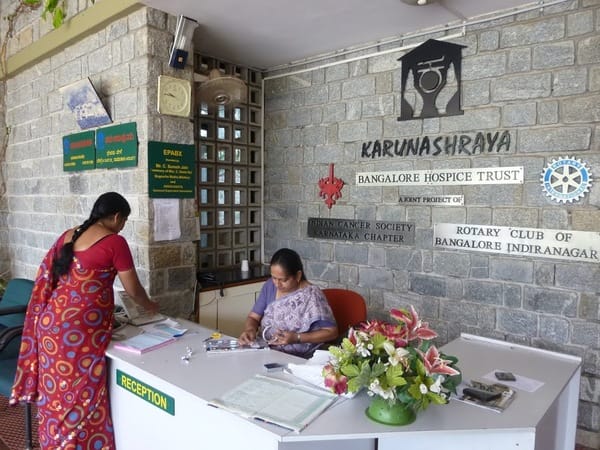
Nursing assistants are mostly from lower socio-economic backgrounds and are provided free boarding and lodging and a stipend during training. Their training programme includes proficiency in English and computer literacy. They are given jobs on the campus and are also available as care givers in patients’ homes.
Obviously, these activities need money, the major part of which is spent on medicines and treatment. People with benevolent attitudes should support this system in large numbers and encourage others to contribute. That will go a long way in providing dignity to patients at the fag-end of their lives.
Pictures are courtesy S. Srinivasan and Karunashraya.
Related Articles
Dear Editors,
Thank you for publishing my article on Karunashraya . June 28th is World Compassion day and I am appealing to everybody to contribute their might to the noble cause, the Bangalore Hospice Trust have undertaken. The referred article by Mr.Bhat about his mother and her happiness in staying in Karunashraya during her last days is really moving. May GOD Bless all the souls and relieve them from their sufferings.