COVID treatment measures in place
With the number of COVID-19 cases on a sharp rise, the city is now bracing for a third wave. Chennai registered 4531 fresh cases on January 7th. The state government and civic body have increased measures to combat the spread of COVID-19.
Fresh restrictions such as night curfew and Sunday lockdown have been put in place. In addition to this, 42 special ambulances have been launched to ferry COVID patients to hospitals.
The civic body has hired 1000 volunteers who will assist those who are under quarantine. Screening for COVID-19 will also be increased in the coming days. Each zone is also set to get a tele-counselling centre to guide those who have been infected in the course of treatment.
Source: The Indian Express | The Times of India
New grade separator sanctioned
With a view to easing traffic on Mount-Poonamallee road, a new grade separator will be constructed at a cost of Rs 314 crore. This will become the longest grade separator in the city. The grade separator will span 3.1 kilometres. It is aimed at decongesting the area near DLF IT Park.
Data gathered prior to approval suggests that around 11,000 vehicles use the stretch of road, with traffic jams during peak hours being a common occurrence. As the Chennai Metro Rail Limited is also planning an elevated line in the area, both projects have been combined. CMRL will finalise the design and construction of both the elevated line and the grade separator. The cost of the projects will be shared between CMRL and the State Highways Department.
Source: The Times of India
Read more: Chennai Metro’s Kathipara urban square project: What citizens can look forward to
Four new reservoirs to be built for Chennai
The Water Resources Department is set to commission four new reservoirs for the city. The reservoirs will have a combined capacity of 8 TMC. The move comes after the city was unable to take advantage of the heavy spells of rain in December last year. The excess water from the rains were not shored up due to lack of storage capacity. It is estimated that the water that had gone to waste could have been supplied to the city for close to three years.
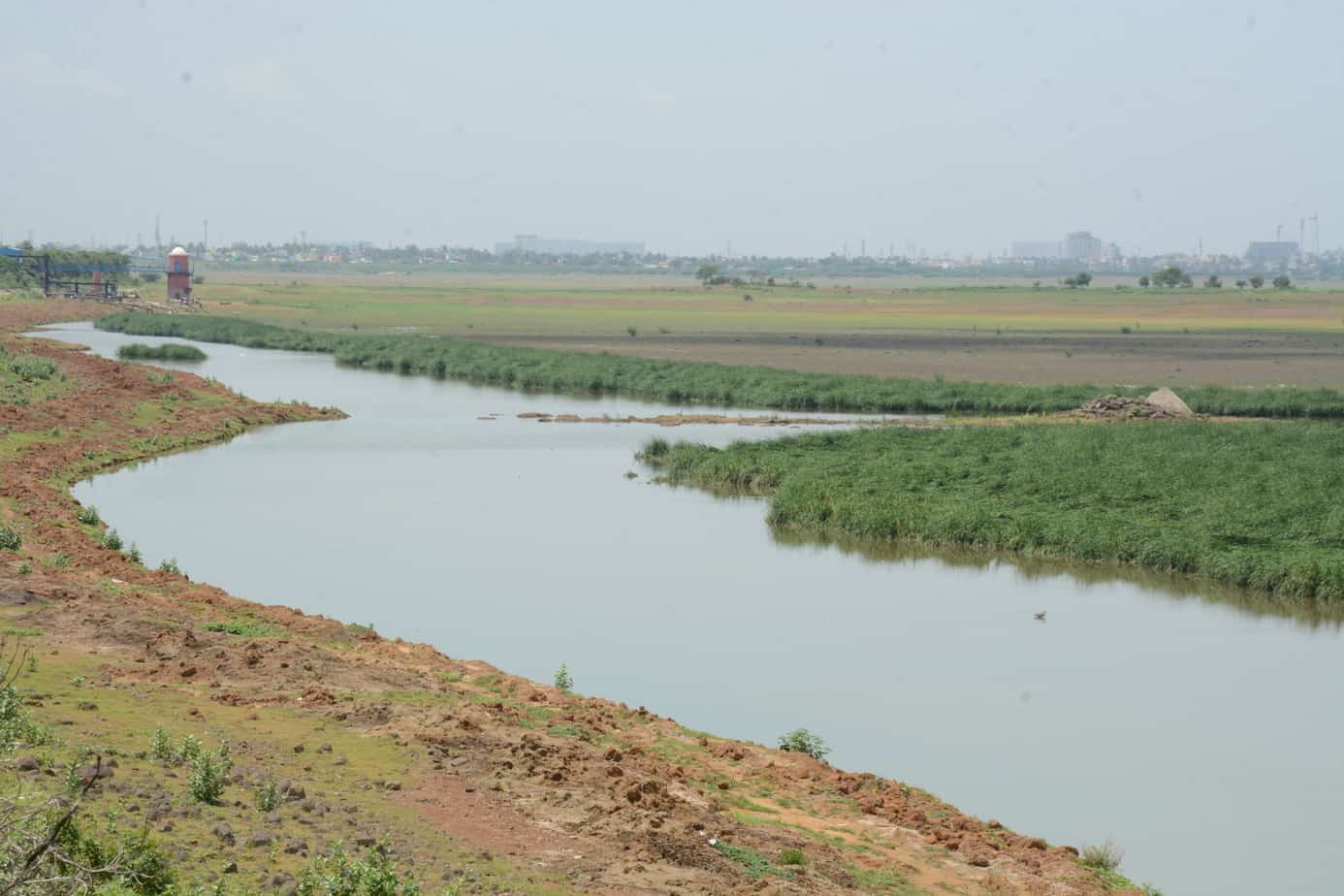
The project will also see improvement in storage capacity of existing reservoirs and construction of more check dams. The new reservoirs will come up near Tiruttani and Gummidipoondi. At present the city has four reservoirs at Poondi, Red Hills, Cholavaram and Chembarambakkam.
Source: DTNext
Read more: Of bullock carts, wells, fountains and reservoirs: Water supply in Chennai through the centuries
WIMCO Nagar to get second metro station
The Chennai Metro Rail Limited (CMRL) has decided to add one more station under the Phase 1 extension project. The entire project is set to cost Rs 3770 crores. The new station will be called Wimco Nagar Depot Station. It will be added to the Wimco Nagar line after the completion of the construction of the depot. This station will be the tenth in the Wimco Nagar line.
The new station will have two platforms and a multi-storeyed commercial building. The timeline for the station opening has not been decided, as work is under way. The station will have amped up security. It will be opened only after an inspection by the Commissioner of Metro Rail Safety.
Source: The Hindu
[Compiled by Aruna Natarajan]