Stalin sworn in as new CM of TN
On May 7th, DMK chief M K Stalin took charge as the new Chief Minister of Tamil Nadu. The oath was administered by Governor Banwarilal Purohit at Raj Bhavan. Along with Stalin, 33 MLAs assumed as cabinet ministers of Tamil Nadu.
Soon after taking oath, he signed the following five orders:
- Authorisation of COVID relief of Rs 4,000 each to rice-card holders (the first tranche of Rs 2000 to be released this month)
- Bearing of costs incurred at private hospitals for COVID treatment by those insured under the Chief Minister’s Comprehensive Health Insurance Scheme (CMCHIS) by the state government
- Slashing of prices of Aavin milk by Rs 3 per litre from May 16th
- Announcing that women can travel for free in ordinary services in town buses from May 8th. An additional expenditure of Rs 1,200 crore will be sanctioned by the government as a subsidy to the transport corporations.
- Launch of ‘Chief Minister in your constituency’ initiative for addressing grievances within 100 days
Source: The Times of India
Read more: What are the roles and responsibilities of your elected MLA?
Rise in TPR in Chennai, private healthcare facilities to set-up CCCs
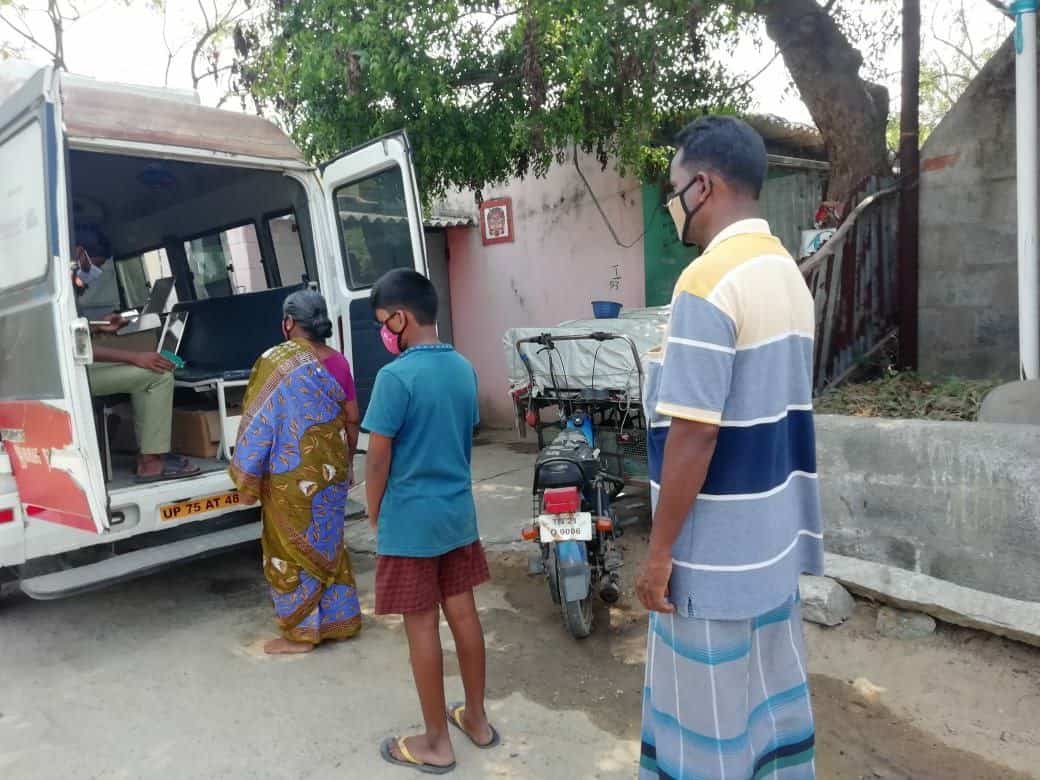
With Chennai witnessing a steady rise in the number of COVID cases, the test positivity rate (TPR) has risen to 23.6% which indicates that for every 100 persons, 23 people have tested positive for the virus.
Chennai recorded 6,678 new COVID cases on May 6th. The day also saw 6,049 discharges and 69 deaths. According to officials, deaths are due to delay in testing and treatment.
As the second wave is wreaking havoc in Chennai, the state government has permitted private medical practitioners to establish COVID-19 Care Centres (CCC) in hotels, lodges and large halls.
Under the State Appropriate Authority/Clinical Establishments Act, such facilities would be treated as temporary clinical establishments without requiring registration up to a period of 60 days from the date of issuing permission.
Healthcare establishments can approach the State Appropriate Authority, the Tamil Nadu Clinical Establishments Act (TNCEA), and the Directorate of Medical and Rural Health Services (DMS) for seeking permission to set-up CCC and treat COVID patients according to the prescribed guidelines, handle biomedical waste appropriately and submit reports to officials.
Source: The New Indian Express | The Hindu
Read more: Why are patients struggling to find hospital beds in Chennai?
Patrol vehicle for monitoring COVID violations
In view of the second wave, new complete lockdown restrictions will be in place till May 24th. According to the revised guidelines, some of the rules are: supermarkets, grocery shops, vegetable outlets and tea shops can function until 12 noon, Metro trains, private and government buses, and taxis are not permitted to ply. Private vehicles may be used only in case of medical emergency. Grocery shops and vegetable shops inside malls and shopping complexes will not be allowed to function.
Greater Chennai Corporation (GCC) has allocated one patrol vehicle each for 15 zones in its limits to monitor and check for violations. 15 zonal enforcement teams have been constituted of a corporation official, police sub-inspector, constable and revenue department deputy tahsildar.
Source: The Times of India | The New Indian Express
Vandalur zoo high on alert
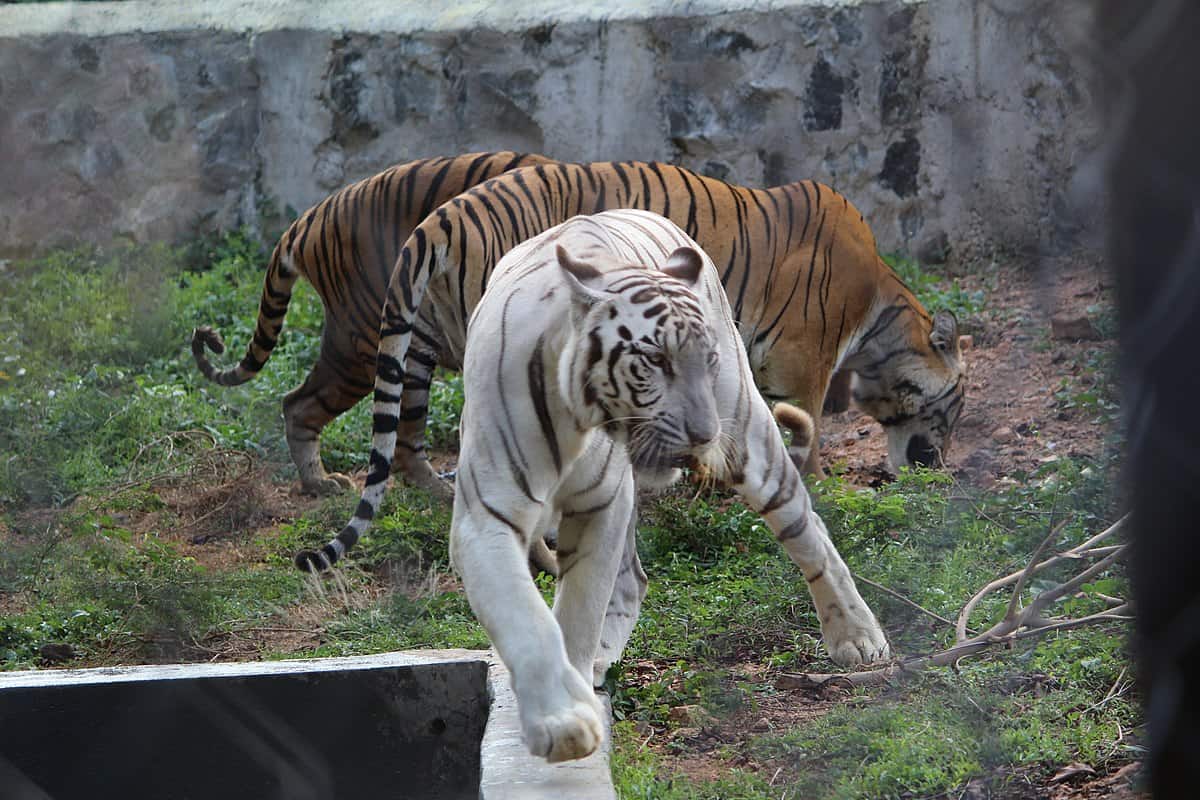
The officials of Arignar Anna Zoological Park in Vandalur are constantly observing lions in the enclosures on a 24*7 basis. This comes after the incident of eight Asiatic lions contracting COVID-19 in Hyderabad zoo. So far, no animal has contracted the virus in Vandalur zoo. The zoo officials are proactively collecting fecal samples for testing.
The CCTVs installed in the enclosures are linked with the veterinary hospital in the zoo. Animal keepers have been alerted to watch for abnormal behaviours in lions, tigers and leopards and been asked to report to the zoo manager.
According to the guidelines issued by Central Zoo Authority of India (CZAI), all enclosures and holding areas in the zoo should be limited to essential staff, keepers to be given PPE kits along with gloves, double masks and face shields.
The guidelines also mandate RT-PCR tests for staff working close to animals, enclosures and the food preparation area. Currently, the zoo has 31 tigers, 14 lions and five leopards.
Source: The Times of India | The New Indian Express
[Compiled by Bhavani Prabhakar]