2020 is almost nearing its end. It has been a most unpredictable year for almost everyone across the globe. What COVID-19 has taught the masses over the past year can be summed up as “life is unpredictable, be mindful of what matters the most”. When everything begins at home, cultivating mindfulness in children through the actions of their parents is crucial for strengthening the bonds of love and respect.
While parents relentlessly uphold the cause of their children’s future and happiness, they must also pause and ask if they have totally forgotten to live and revel in the present? Being “mindful” is about focusing on what is here and now, without any judgements and past conditioning.
Ever since the lockdown in March, life has been the toughest it has ever been for many in the country. Schools have been shut for nearly eight months now, with no dates in sight for reopening. The stress of online classes has also been a constant presence in households.
Battling financial difficulties, the stress brought by their jobs and the task of managing a household — and all this along with the constant worry over the pandemic — can strain and take a toll on the relationship between parents and children.
With everyone at home and routines gone for a toss, emotional escalations between family members can be frequent too. At this juncture, therefore, it is crucial to remember that calmness definitely has to flow from the elders to the younger generation at home.
Mindful parenting techniques
Mindful parenting is about understanding “why we do what we do”. Most actions/decisions of parents are based on their need to feel secure, proud, powerful and perfect. In thinking this way, they become less concerned about what the children actually feel and need.
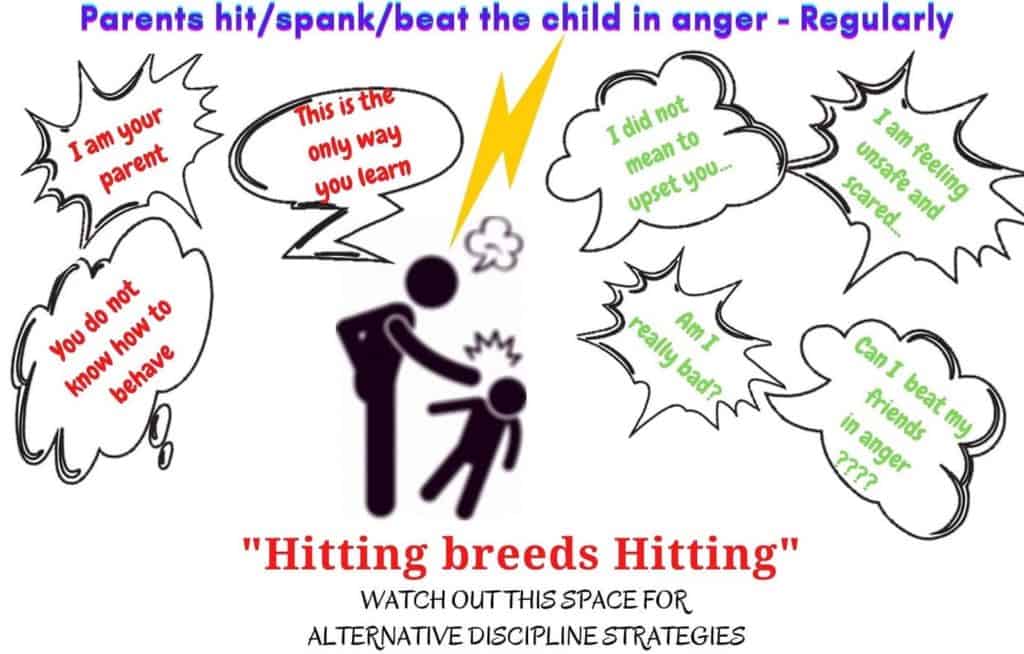
Human beings can do wonders if they are emotionally connected with each other and work with compassion, empathy and kindness among themselves. Disciplining need not be shouting, scolding, beating, naming or shaming. It can be connections, conversations, consequences, along with strong and clear boundaries for them.
Craft a creative routine
Children can channelize their energy effectively in routine and structure at home. Chalking out a creative routine with them considering their nature and their needs, which also suits the parents’ personal and professional work timing, can set many challenges right. Every child is different and unique. Allowing them to fall or fail creates great learning opportunities.
Children are most happy when they are with parents, engaging in activities such as playing, story telling, cooking, long walks. Parents provide a sense of safety for their children that is crucial in their development as well-adjusted adults.
Plan a daily activity together
Parents must take 30 minutes of their day to spend with their child without any distraction or gadgets. It is vital to go with the flow, be with them, listen to them without advising/correcting, observe the uniqueness of their minds and treat them as wonderful human being. This can be achieved effectively if we prioritize, plan and prepare beforehand to make it happen.
Choose emotional connection
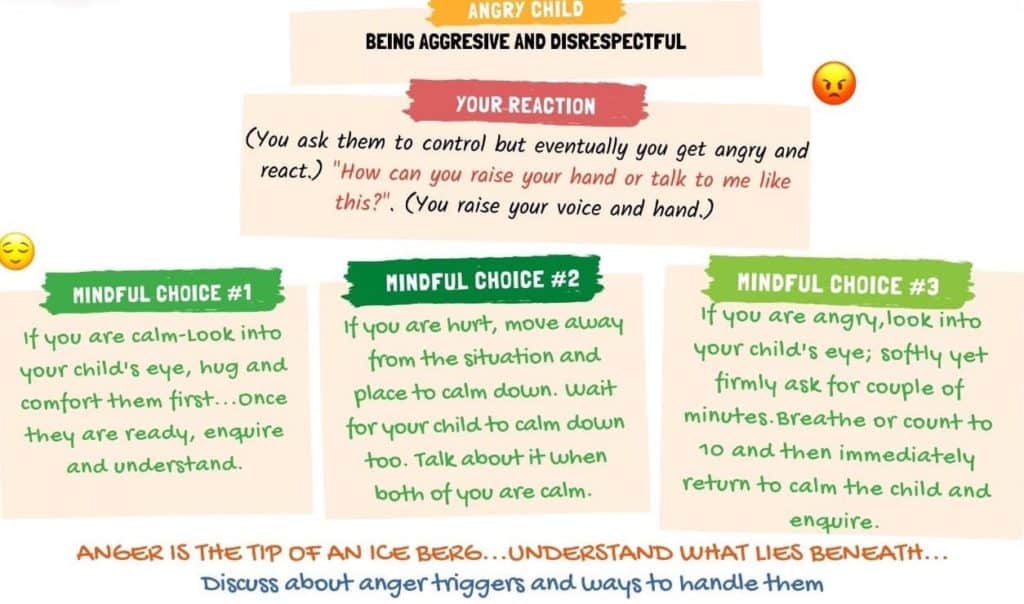
Despite the difficulties of juggling work and having their children at home full time, parents need to be in control of their emotions. This will help them effectively manage their child’s strong emotions. Children emulate their parent’s behaviour; hence when there is a situation, choose emotional connect over corrections. Control knee-jerk reactions, focus in the moment and be fully present with your child.
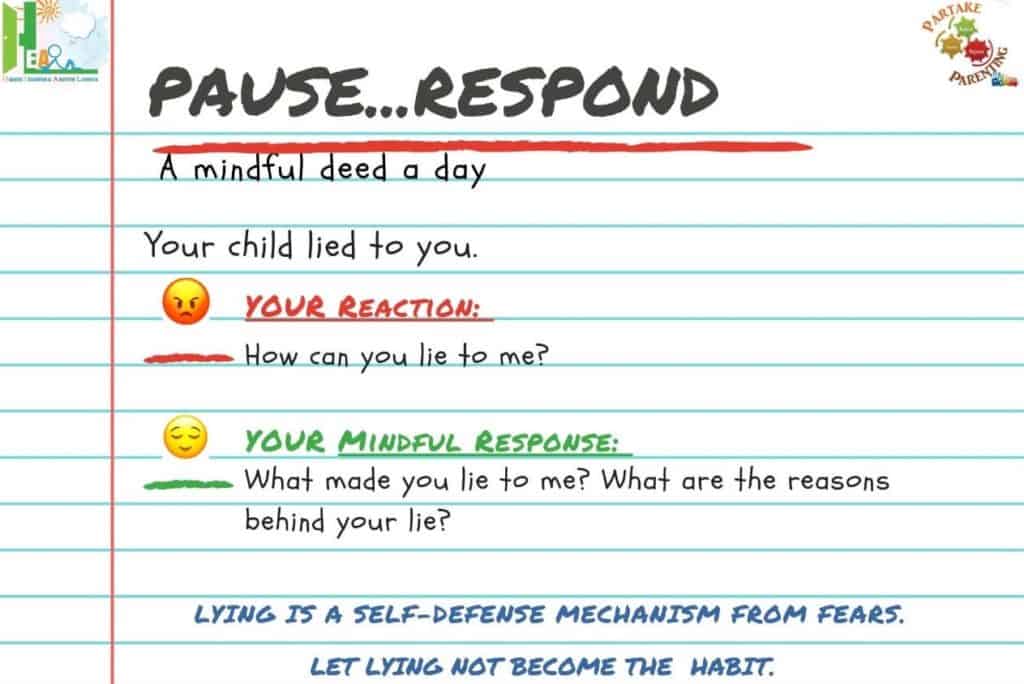
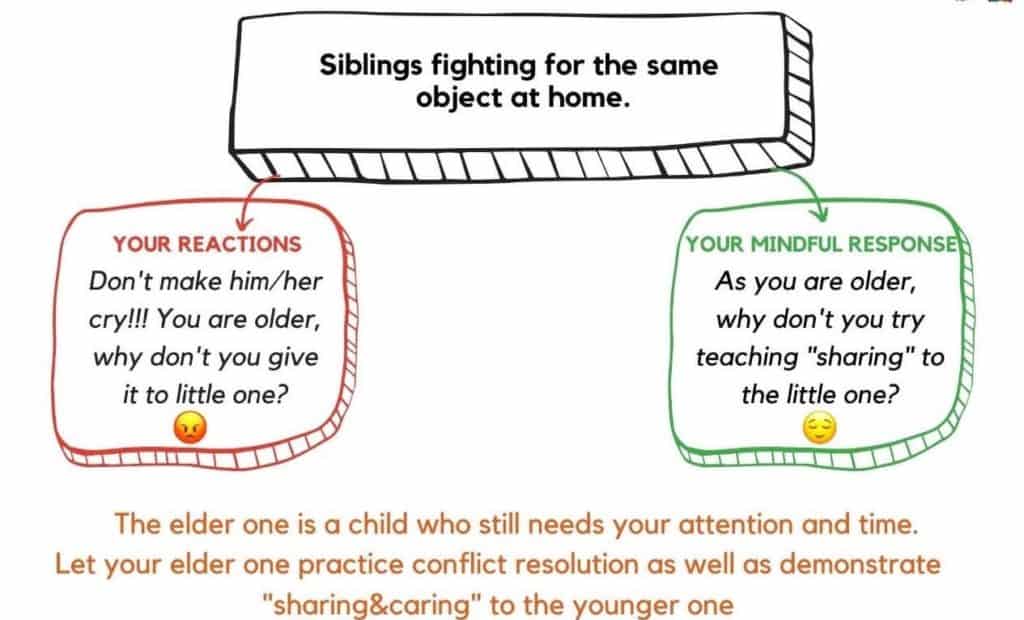
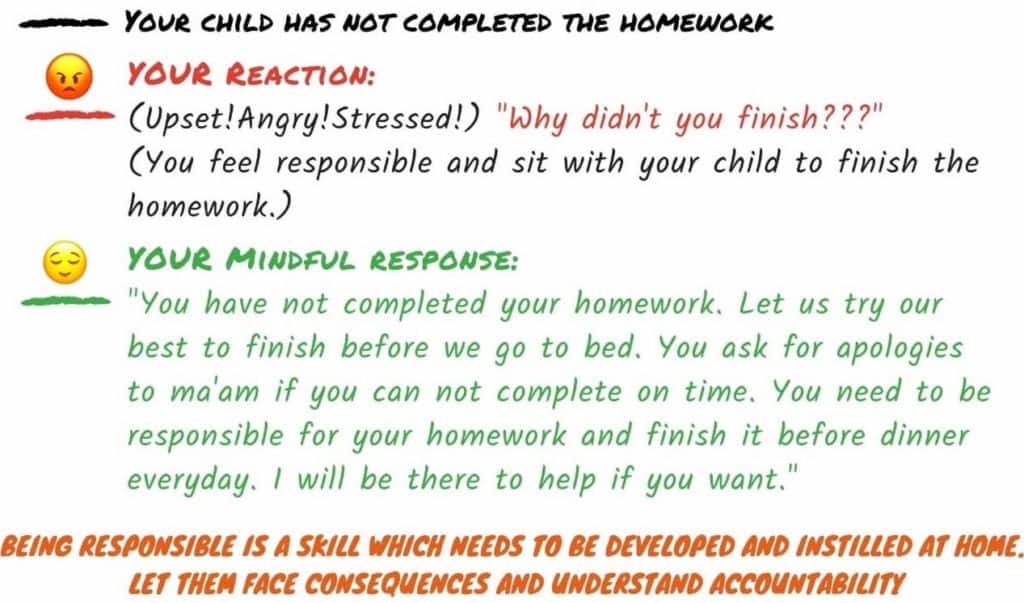
Never react, always respond
Parents always wish their wards would believe in themselves, change their behaviour and habits and be ‘good’. But not often do they think about how mindful they are about their own thoughts, words and actions.
This pandemic has given people the time and opportunity to make small changes. The best way to go about this would be to have open discussions with their child about what they could do to be better. The dialogue can work both way, and with these inputs, those small changes can be made by both the parent and the child. Parents can write or talk about their shortcomings and strengths to the children and watch how they open up with their deep thoughts and feelings.
Everything may not go as per plan. But another lesson of the pandemic is to learn to let go. Children have their limitations of expression and in processing thoughts and commands from elders. It is important to let go of judgements on every small or big behavioural outbursts.
Simple gestures, such as conveying the message that they are understood and accepted the way they are, can help rein in their tantrums.
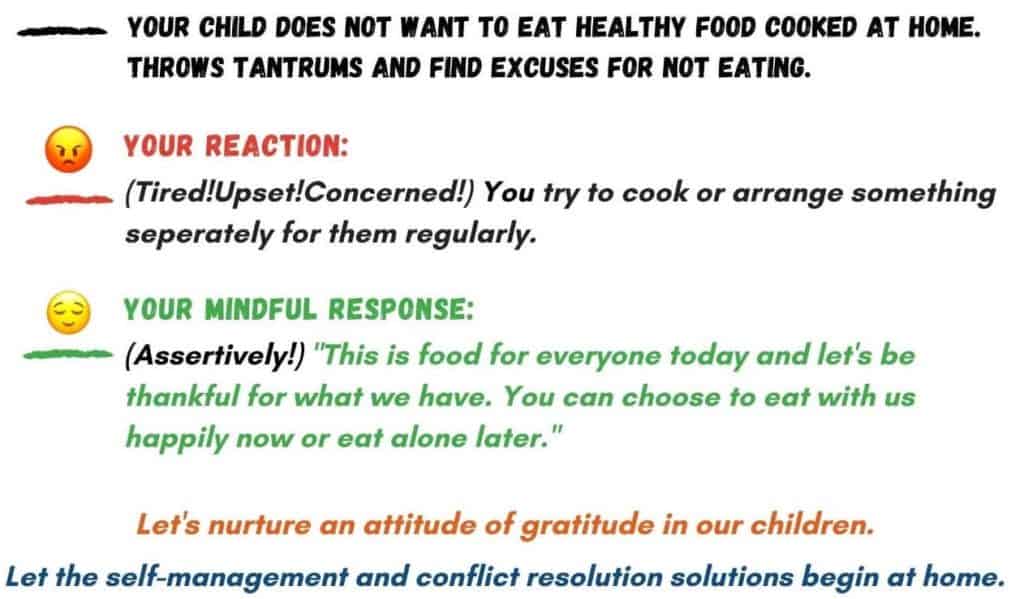
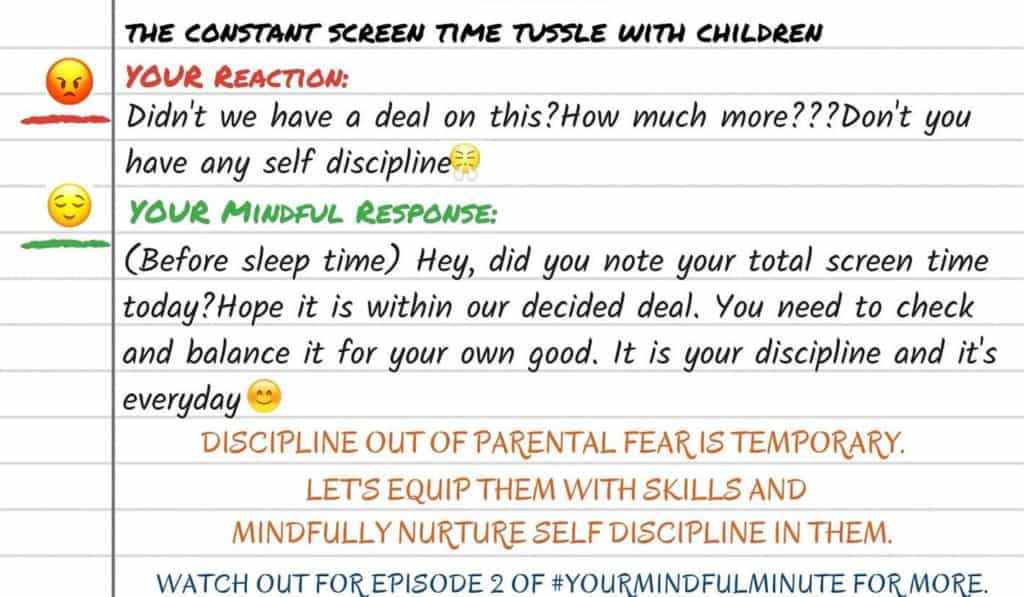
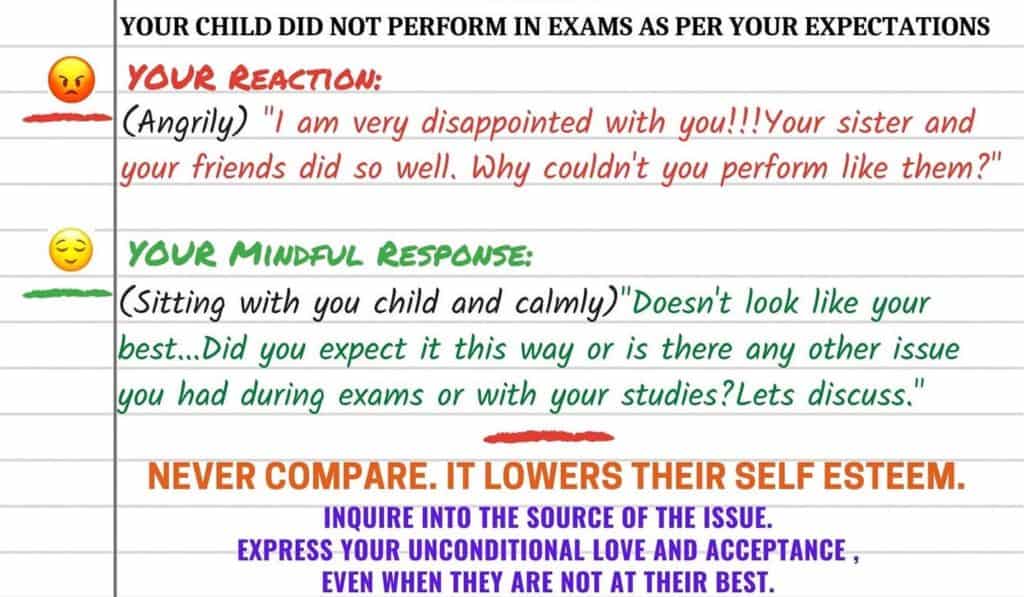
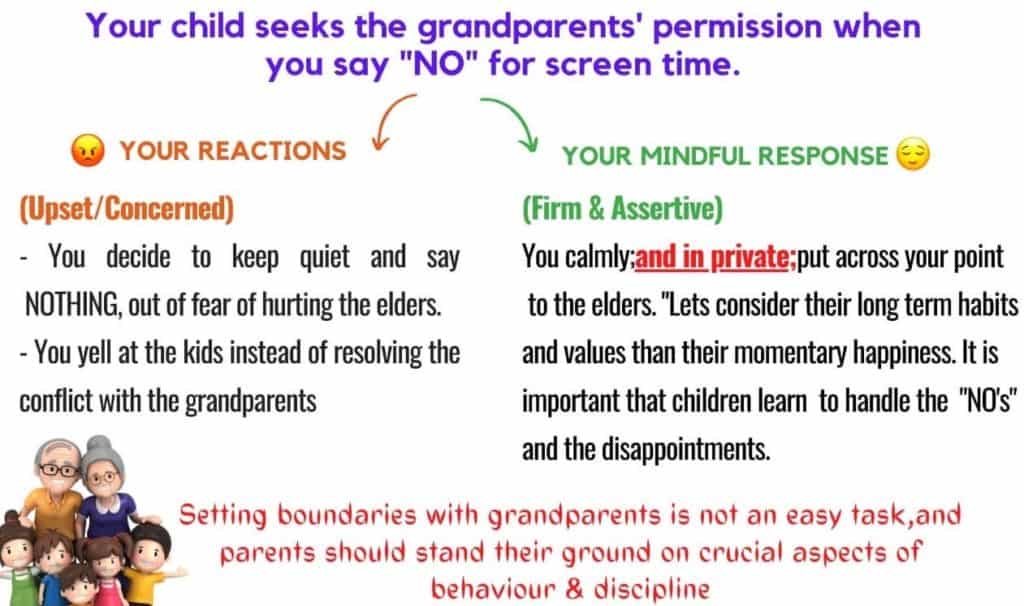
Here are a few tips on being mindful during situations one might encounter at home in these times:
Insightful and actionable article. Thank you, Chaitali and Lekshmy.