122 trees to be cut for underground tunnels
The State Board of Wildlife approved a proposal to cut 122 trees at the Sanjay Gandhi National Park to build underground tunnels. These tunnels will connect Borivali and Thane in Mumbai. The project is a pet project of the chief minister Eknath Shinde and will require drilling 27 holes for which explosives will be used. The decision was taken at a meeting of the board chaired by forest minister Sudhir Mungantiwar on Monday and was kept under wraps. The project has faced severe criticism from environmentalists.
A government document said the underground tunnels would give a direct connectivity to motorists from Borivali to Manpada and Ghodbunder Road in Thane and also give access to national highways 3 and 8. The wildlife board has said that they will have to conduct a joint study with the Wildlife Institute of India for the project.
Source: Hindustan Times
BMC to acquire ‘anti- smog guns’ to combat pollution
The BMC has initiated the process to acquire 30 ‘anti-smog guns’ or ‘fogging cannons’ to combat air-pollution problems in the city, especially in winters. The machines will disperse water aiding in the settlement of suspended dust particles in the air. The guns will be used when the pollution levels are high and at construction sites. Activists say that this is not a solution to air pollution as once the water dries, the particles will resuspend again.
Officials are trying to speed up the procurement process so that complaints about visibility and pollution can be tackled soon. While the BMC will purchase 30 guns, private construction sites will have to buy it at their own cost. The minimum tank capacity of the gun is 1000 litres.
Source: Times of India
Read more: As crimes against elderly rise, Mumbai Police pays friendly visits to check on seniors
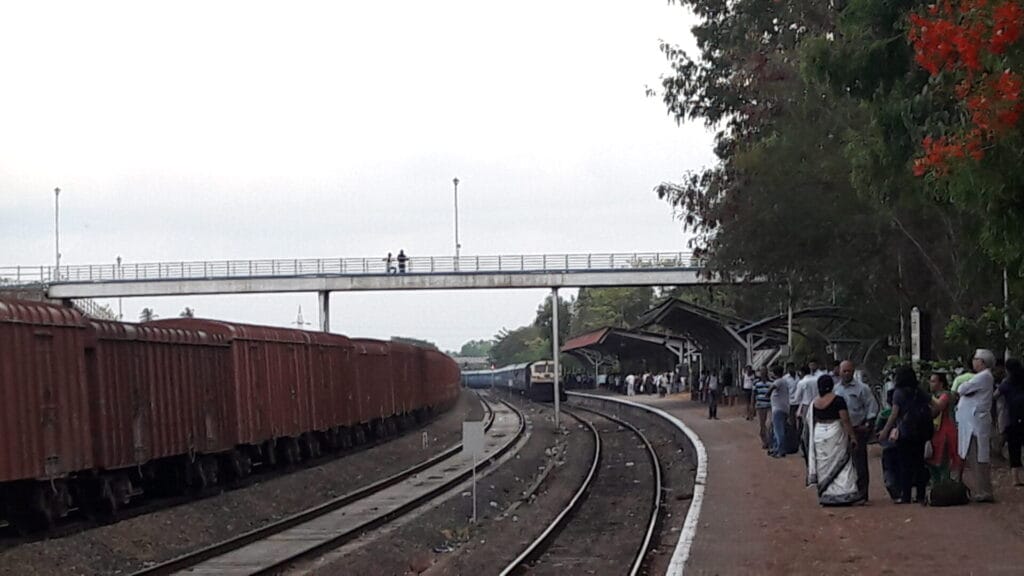
Inauguration of last stretch of Seawoods-Uran line
Central Railway (CR) is gearing up to inaugurate the second phase of the Seawoods-Belapur-Uran corridor spanning 27 km, on October 26. The tentative plan is that Prime Minister Narendra Modi will inaugurate the line virtually while he would be at an event in Shirdi.
The completion of the railway corridor is crucial for the rapidly growing Mumbai Metropolitan region. The Project aims to connect Belapur-Seawoods-Uran.
Source: Times of India
Kopri Bridge deteriorates within 4 months
The Kopri rail overbridge in Thane has deteriorated within a few months of use, exposing the shoddy work. It was inaugurated by the chief minister only in February this year. The cement concrete portion of the bridge has developed cracks and potholes.
The MMRDA says this stretch was built by Central Railway. The 784-metre-long and 37-metre-wide eight-lane bridge was built at an estimated cost of Rs 258 crore. The Kopri ROB is an arterial link connecting Mumbai and Thane districts.
Source: Mid-Day
Surge in respiratory diseases
The change in weather and the drop in air quality levels has led to respiratory illnesses among Mumbaikars, especially elderly citizens and children. In the past two to three weeks, there has been an increase in OPD cases for chronic obstructive pulmonary disease (COPD), asthma and bronchitis.
The October heat is also leading to dehydration, headaches, sudden drops in sugar levels, urinary tract infections and gastroenteritis said doctors.
On October 19th, the overall air quality level in Mazgaon and Andheri was very poor. Pollution levels are expected to worsen in the coming months of winter.
Source: Hindustan Times
(Compiled by Lisann Dias)