Earlier, a single get together of about 200 parishioners of the St. Francis Xavier Church would generate heaps of plastic waste. One can only imagine the amount of waste generated at multiple gatherings held throughout the year. As an ecology enthusiast and an educator, I was concerned about how we were harming the environment. I have mentored students about biodiversity and ecosystem loss, climate change, sustainability as part of the curriculum. I realised it was time for us to take collective action as a community.
In the words of Pope Francis, “As stewards of God’s creation, we are called to make the earth a beautiful garden for the human family. When we destroy our forests, ravage our soil and pollute our seas, we betray that noble calling.” Keeping this in mind, we founded the Green Guardians Cell – Guardian of the Environment during the pandemic.
The road to a waste free community
We tied up with Project Mumbai, who then conducted sensitisation drives amongst the community at Dabul, Charni Road in south Mumbai. This helped create an association of like-minded ‘green guardians,’ We now have 13 members, who are part of this cell. We have conducted a number of plantation drives, eco-awareness sessions, white elephant drives, best out of waste workshops for children and newspaper drives. Our ultimate aim is to create a zero-waste community.
When we initially collaborated with Project Mumbai, we were collecting sacks and sacks of plastic waste. The quantity of plastic we were sending for recycling amazed us. But then it struck us that we were producing all that waste. We needed to cut down tremendously on our plastic consumption.
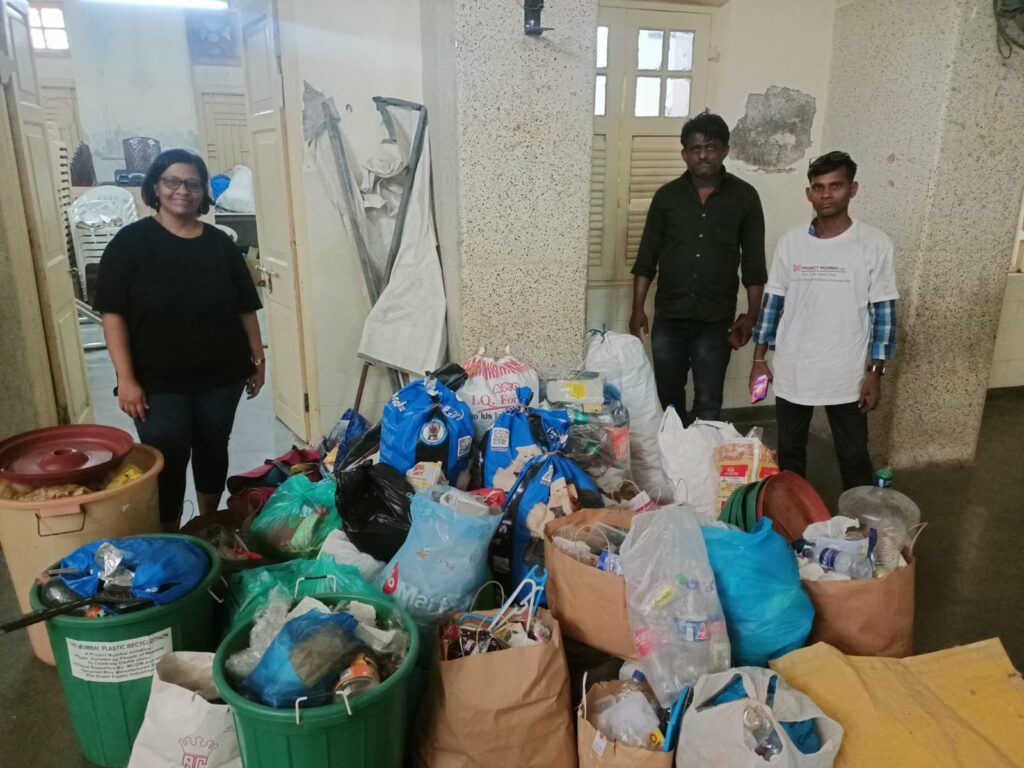
Despite the convenience of plastic, it presents significant environmental challenges that have far-reaching consequences. The biggest issue with plastic is the difficulty to recycle it. They persist in the environment for thousands of years. Plastic waste accumulates in landfills, oceans, and other habitats. Plastic is linked to the deaths of marine animals, as they ingest or get entangled in plastic debris.
In urban areas, plastic waste clogs drains and waterways exacerbating flooding problems. The inability of plastic to decompose quickly means that the blockages persist and continue to cause havoc during heavy rains.
Hence, slowly we began reducing our plastic consumption. We replaced plastic cutlery with paper and other more eco-friendly alternatives.
Read More: Life without plastic: Mumbaikars prepare to show the way
Taming the white elephants
More recently, we have begun conducting white elephant drives. Several donate the unwanted items from their homes. These are then sold at extremely nominal prices at the drive. Sometimes we recieve branded and completely unused clothes. We sell them at rates of twenty and thirty rupees to those who patronise the stalls. Some donate unused cutlery or decorative pieces at home we either sell or use during the parish gatherings.
Our most successful white elephant drive was conducted over three days for the parents of a local school. We collected over Rs. 4000. We donated the unsold items to a children’s orphanage. With the funds collected from the drives, we propose to purchase ceramic cutlery for every family to use at community gatherings in the parish. This will drastically reduce our dependence on paper alternatives and bring us a step closer towards creating a zero-waste community.
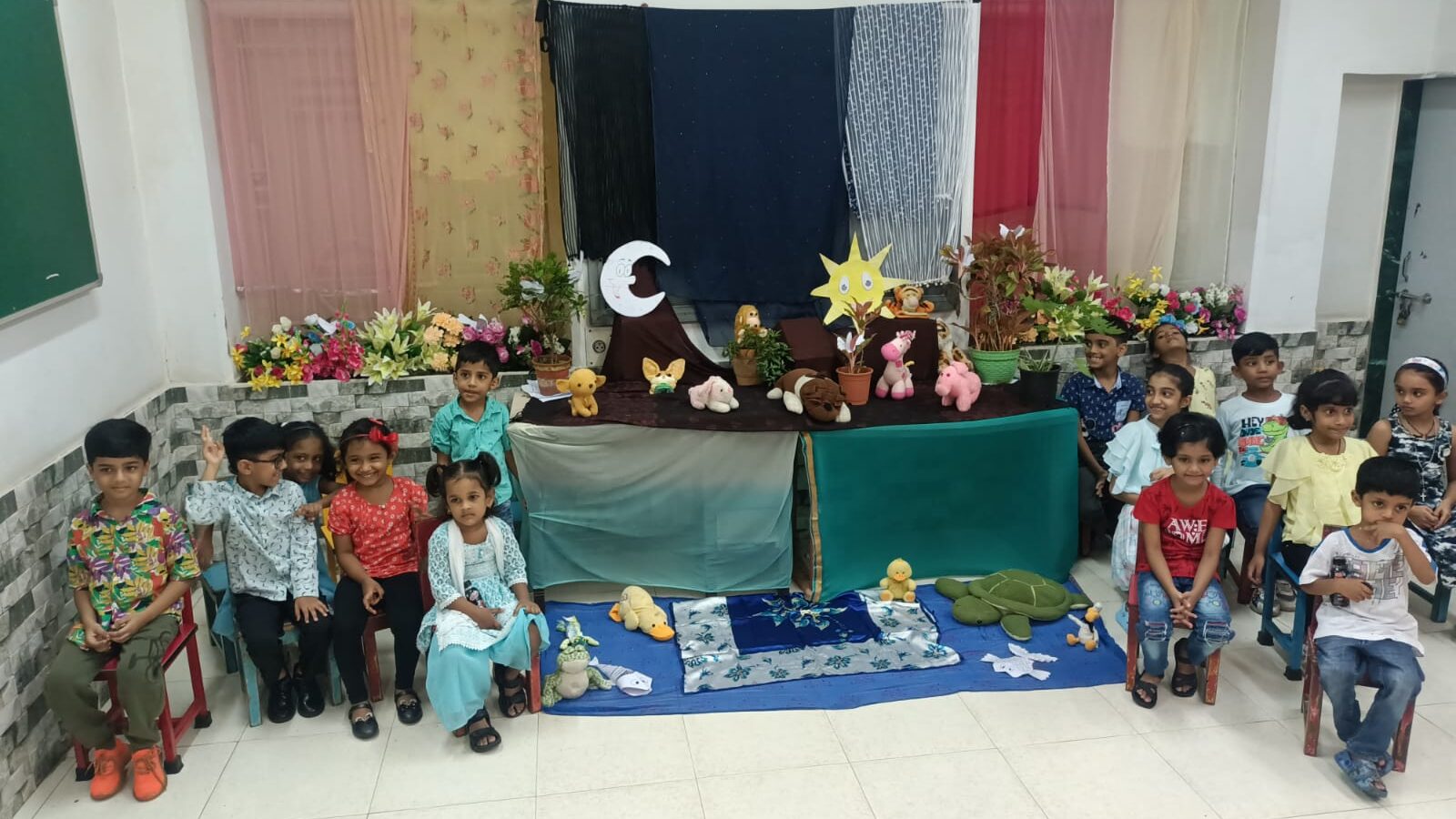
We have organised eco-awareness sessions where a representative from Project Mumbai addressed the parishioners about the harmful effects of plastic on the environment. She described alternative options of plastic use. She explained the recycling process of plastic and encouraged the people to choose eco-friendly options.
Similarly, a session for children was conducted to create awareness about the harmful effects of plastic. They also taught them to make useful items out of waste/old things and introduced them to the three R’s – Reduce, Reuse, Recycle.
Extending to the larger community
Three years post the initiation of the cell, we have realised the importance of extending this initiative to the larger community. Although this initially began as a parish initiative, we now want to extend this initiative to the non-christian citizens in our neighbourhood. We are slowly collaborating with them in our programs to make the whole area of Dabul, a green and environmentally conscious vicinity.
Our new initiative this year is to visit and orient schools in and around the area and start a ‘Waste Wise’ campaign. We will teach segregation, reusing, recycling and resourcing waste in the schools. The children can then replicate it in their homes and societies. This will be happening shortly, and we will be donating bins for plastic collection.
It is a huge task and ever since we began this initiative, 3.5 years ago, we have faced several challenges, uncomfortable situations and resistance from some people. But over time they too have seen the necessity of adopting green initiatives and have lent a helping hand.
We now look forward to collaborating with different groups working towards a similar cause. My earnest request would be to start a Green Cell in various organisations.
The Green Guardian Cell can be reached at 9869081109.
Hello, Green Gardians. Amazing work really awesome initiative…
We are working on similar kind of work at our society. Let’s come together for the sustainable Future of our beloved.
Kudos to the people involved at the grassroots targeting different audiences. This is a long game and your efforts will bear fruit, one person, one family, one building, one society at a time, for a better Mumbai.