Mumbai and beyond catch the flu
The recent spike in influence cases has taken the instances of H1N1 (swine flu) and H3N2 in the state to 425 and 264 respectively this year. Suspected cases in Maharashtra are over 3 lakh. Three deaths have been reported due to the former infection, and one is suspected of the latter.
Doctors suspect the spread may be the see-sawing temperatures, going from hot in February to a cool spell in March. Precautionary measures are recommended, like wearing a mask, taking the influenza vaccine, and if elderly or with comorbidities, checking in regularly with physicians.
Source: Mid-day
Stricter fire safety regulations, with legal repercussions
The state government has introduced several new and stringent regulations for ensuring fire safety in tall buildings. The bill will amend the Maharashtra Fire Prevention and Life Safety Measures Act and bring it to par with the Central Government-approved National Building Code (NBC).
The new provisions include a bi-annual fire safety audit, a mandatory fire safety officer and supervisor, round-the-clock monitoring of premises and a sensor-based fire safety mechanism system. Violations are punishable with imprisonment of up to three years and a penalty of Rs 1 lakh. Housing societies and audits will be held responsible for any lapses, a change to the system currently in place.
Source: Hindustan Times
BMC meetings postponed, corporation absent
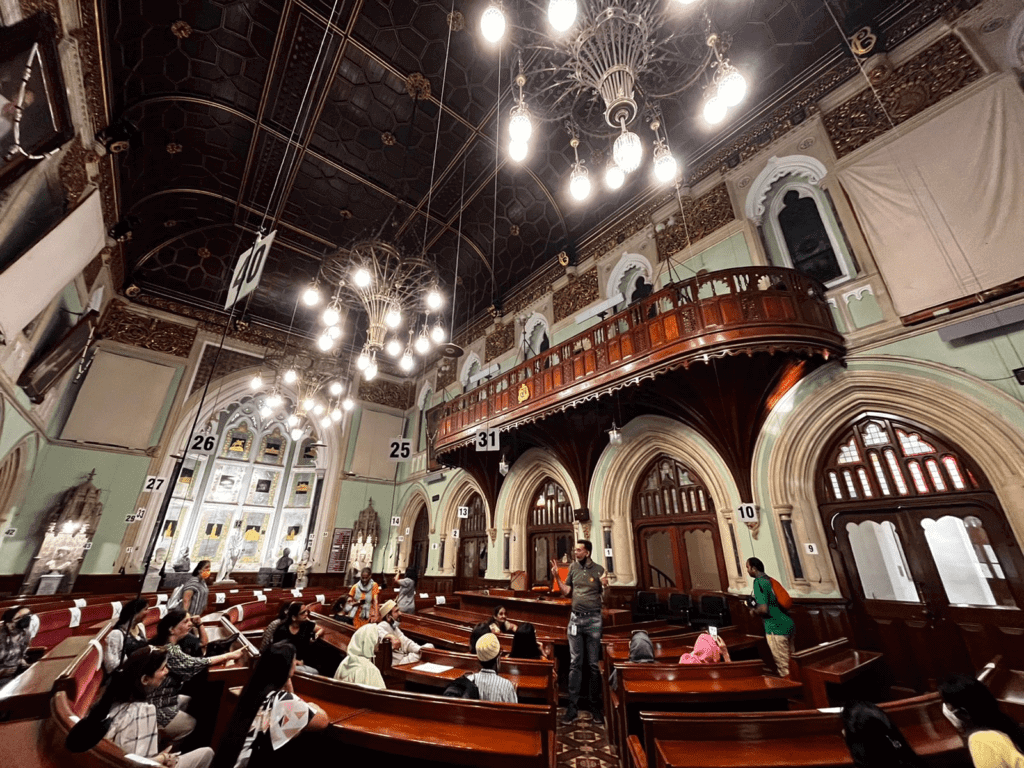
The Brihanmumbai Municipal Corporation (BMC) has delayed several key meetings, on the underground parking facility at Patwardhan Park, Bandra West, hawkers policy, among others. Running in the absence of elected corporators for more than a year, many key decisions are stuck in limbo.
After floating tenders for the underground parking space, it called for a pre-bid meeting to answer the queries of interested bidders. That meeting has been delayed twice, latest to March 31st. The protestors, who are against it, are also unable to decide the future course of action. The submission date for the tender too has been pushed back.
A meeting on the town vending committee (TVC) for the hawkers’ policy was also scheduled on March 21st, but was cancelled due to the ongoing assembly session. It has not been rescheduled yet.
Source: Mid-day
Dharavi model for Malvani
After Dharavi, the 1,200-acre Malvani is next in line for redevelopment. A first meeting on it was held on Monday.
The redevelopment will follow in the steps of the Dharavi redevelopment project, starting with the collection of basic details. Section 33(9a) and 33(10 a) of the Development Control Regulations (DCR) pertaining to rehabilitation and redevelopment in exchange for a certain FSI are likely to be applied to it. Iqbal S Chahal, the municipal commissioner of the BMC, will be its first CEO.
Source: Hindustan Times
Read more: Residents of Dharavi remain clueless, anxious about redevelopment plans
Transfer ban lifted on Mumbai’s oldest eye bank
Due to a misjudged ban, the Eye Bank Coordination and Research Centre (EBCRC) in Parel has had to dispose of over 1,100 corneas over the past few years that could have been for transplants or research. The ban was lifted last week.
The first priority for organ transplants is given to receivers in the region. But as not all corneas are suitable for transplant – EBCRC found 11,590 viable corneas in its history of handling over 40,000 – the surplus was transferred to other states for research purposes. This was stopped in 2008 due to an allegation of fraudulent sales. Maharashtra’s lack of large eye research institutes meant the surplus went to waste. EBCRC led the petition to reverse the ban.
Source: Mid-day
[Compiled by Sabah Virani.]