BMC issues fresh guidelines to curb Omicron wave
As Maharashtra logs 23 new cases of Omicron, Mumbai authorities are on high alert for the impending Omicron wave that, man fear, could be accelerated by the holiday season.
New guidelines impose restrictions on large gatherings. For gatherings up to 200 people, permissions from ward committees are necessary. Restaurants and bars are to operate at 50% capacity if in an enclosed area, and at 25% if open air.
Violators will be punished under sections of the Indian Penal Code, 1860, and Disaster Management Act, 2005.
Source: Indian Express, DNA
Railways to go for hybrid annuity model for Mumbai CSMT revamp
The Indian Railways, which initially had planned to redevelop Chhatrapati Shivaji Maharaj Terminus (CSMT) railway station on a public-private partnership (PPP) model, will now be developing it under a hybrid annuity model. The station will be leased out to a private developer for 27 years instead of 99 years.
Earlier, under the PPP model, the developer had to bear the entire cost of the project but would, in return, receive long-term lease rights for development up to 99 years. Now, the railways will have to initially invest 40% of the total Rs 1,350 crore project cost and 60 per cent will be invested by the developer, which the railways will have to return within the next 27 years.
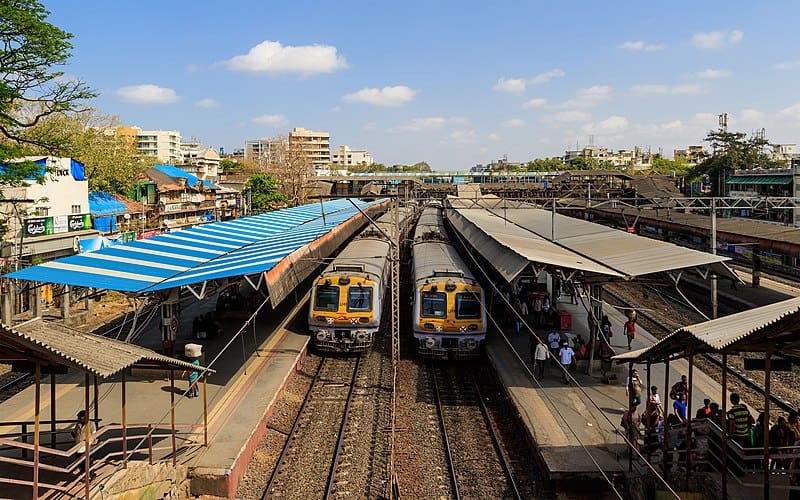
The PPP model was dropped for a better execution of the project. According to an official, the overall cost of the project would come down to Rs 1,350 crore from Rs 1,637 crore.
Source: The Indian Express
NGO offers dog catching vans to BMC
Officials from Youth Organization in Defense of Animals (YODA) met municipal commissioner Iqbal Chahal on December 21st to submit a proposal for giving dog catching vans to the BMC.
Initially, the BMC was going to invest 1 crore to purchase four vans for the sterilisation of stray dogs. YODA has been working on animal welfare since 2010 and wanted to extend their support to the corporation as well as save them the money. All processes hereafter will be followed in accordance with the updated Animal Birth Control Rules (2010).
Source: The Times of India
Read more: How to deal with rabid dogs in your area
Daily testing for Covid increases in Navi Mumbai by 12%
Average daily testing in Navi Mumbai has increased by 12%, with which daily cases have risen by 22%. The average testing was at 10,430 as against 9,303 last week. The daily positivity rate is 0.14% while the overall positivity is 4.37%. Currently, active cases are 327 (0.30%).
The rise in cases in the area are attributed to travel history and large gatherings. “There definitely seems to be a spread this month. Decembers are wedding seasons. Also, December is the month when people go for vacations. While looking at the various cases, it is found that most of them had a travel history, especially to Lonavala and Pune. The weekend trips is what is causing this spread. Because, most of the time, the mask protocol is not followed. The way the Navi Mumbai Municipal Corporation and the police in Navi Mumbai have been implementing the COVID protocols here, it is not done at other places.” said Pramod Patil, medical health officer.
Source: Hindustan Times
(Compiled by Saachi D’Souza)