Mangrove Action Project recently announced the winners of their 2020 Mangrove Photography Awards.
The intimate relationships between wildlife, coastal communities and mangrove forests, as well as the fragility of these unique ecosystems from both above and below the water line, were captured by amateur and professional photographers from nearly 70 countries.
We are thrilled to find that two photographers from India are among the winners, both having captured the flamingos at Talawe, Navi Mumbai. There are also a few ‘Highly Commended’ photographs from India.
In it’s sixth year, the competition received over 1,100 entries in five categories – threats, conservation, communities, wildlife, and landscapes in mangroves.
MANGROVES & CONSERVATION – WINNER
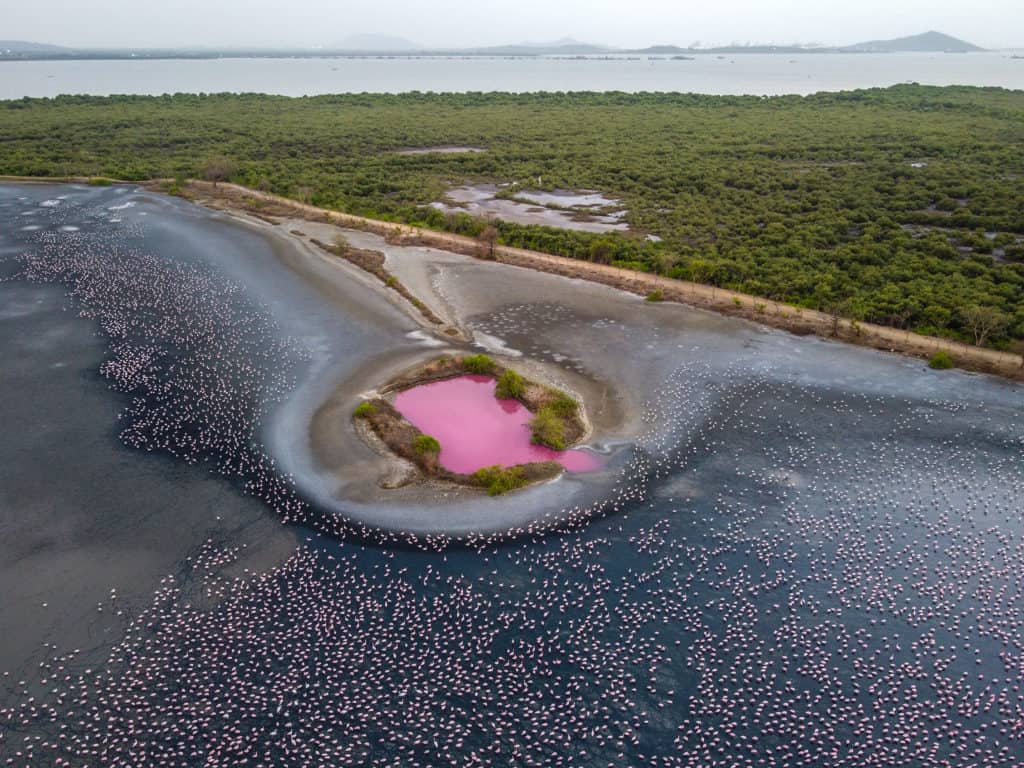
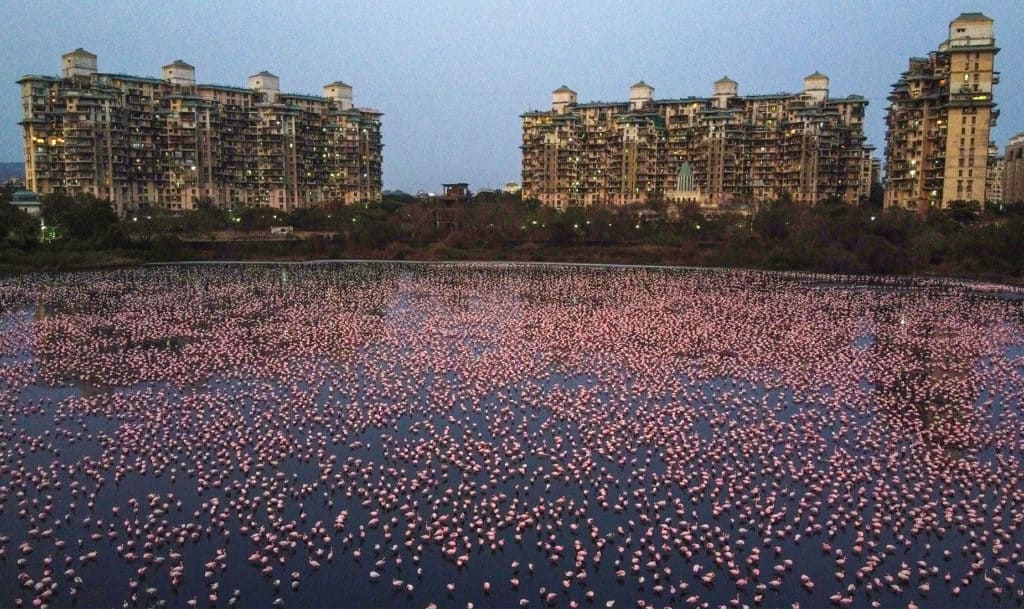
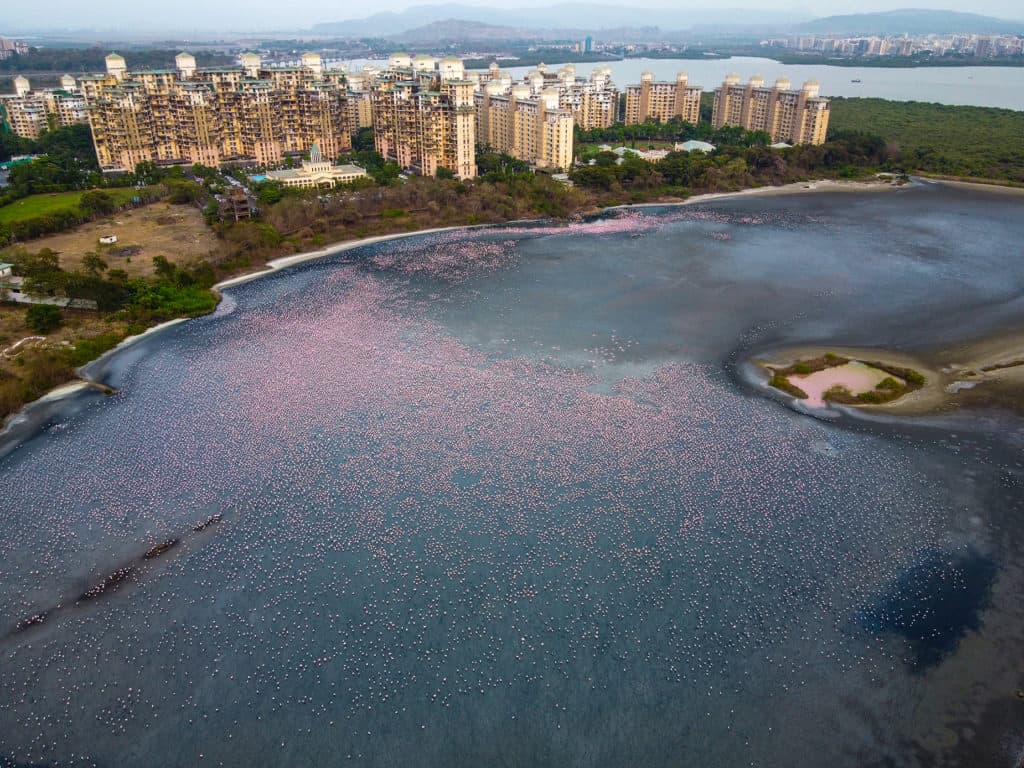
Sea of Pink
Pratik Chorge, India
With reduced human activity this year, a record number of flamingos made the journey across to Mumbai, India. Talawe Wetlands was given an extra pink spectacle after microscopic algae and bacteria mixed with the rising humidity and turned parts of the water pink.
MANGROVES & THREATS – RUNNER-UP
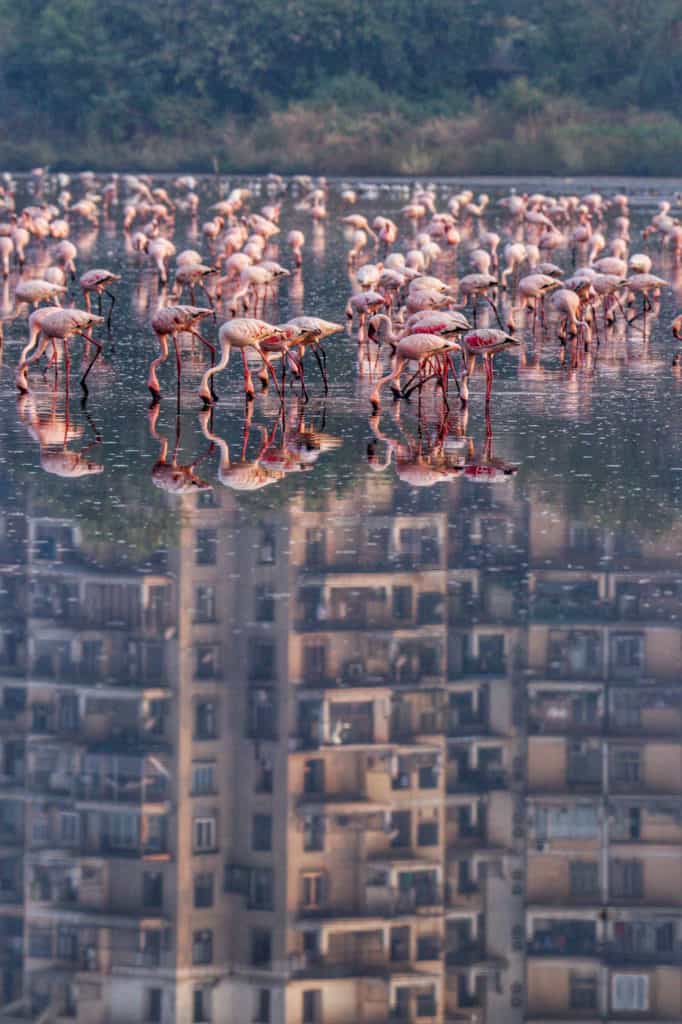
The Real ‘Man Vs Wild’ aka ‘Live and Let Live’
Vidyasagar Hariharan, India
The remaining mangroves in Mumbai are under threat. Here flamingos are seen feeding in a wetland with the reflection of the buildings, a grim testimony of the struggle and loss of habitat these birds are facing.
MANGROVES & COMMUNITIES – HIGHLY COMMENDED
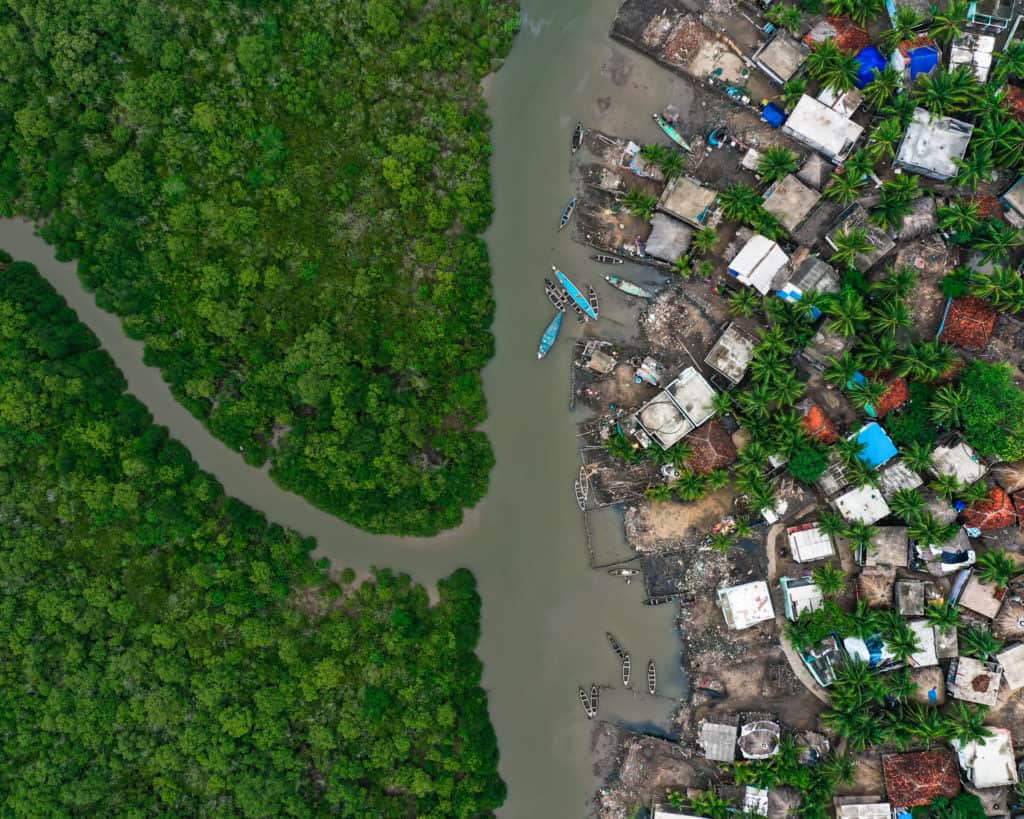
Mangroves and Anglers
Srikanth Mannepuri, India
Mangroves not only protect from natural calamities and limiting erosion. They also provide lot of livelihood opportunities to the local communities live next to them.
MANGROVES & COMMUNITIES – HIGHLY COMMENDED
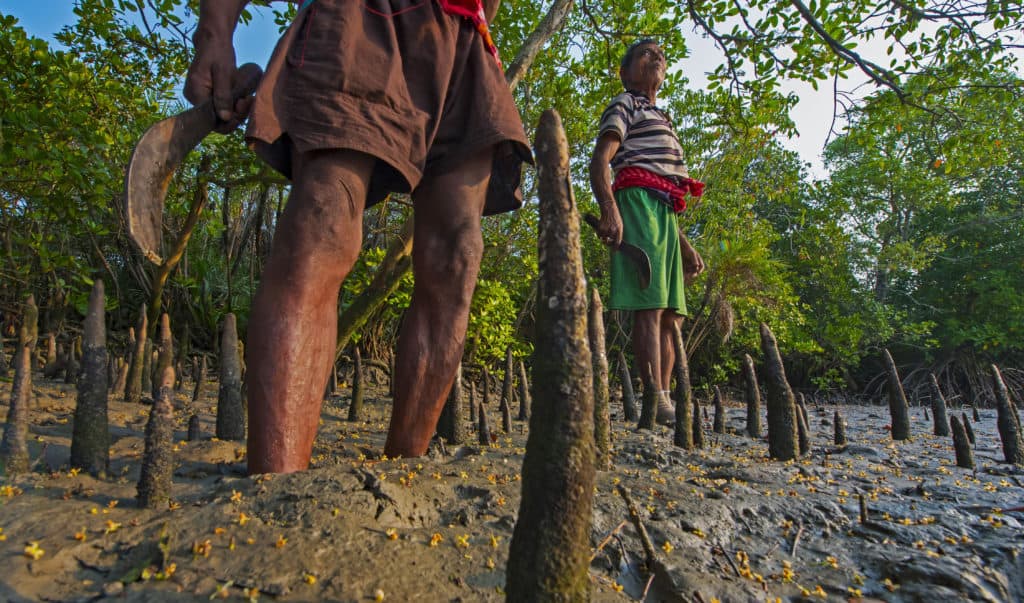
Honey collectors of Sunderbans
Dhritiman Mukherjee, India
For generations, poor fishermen and villagers of Sundarbans (both India and Bangladesh), the largest mangrove forests in the world, have been collecting wild honey from from the mangrove forest during April to June every year.
MANGROVES & WILDLIFE – HIGHLY COMMENDED
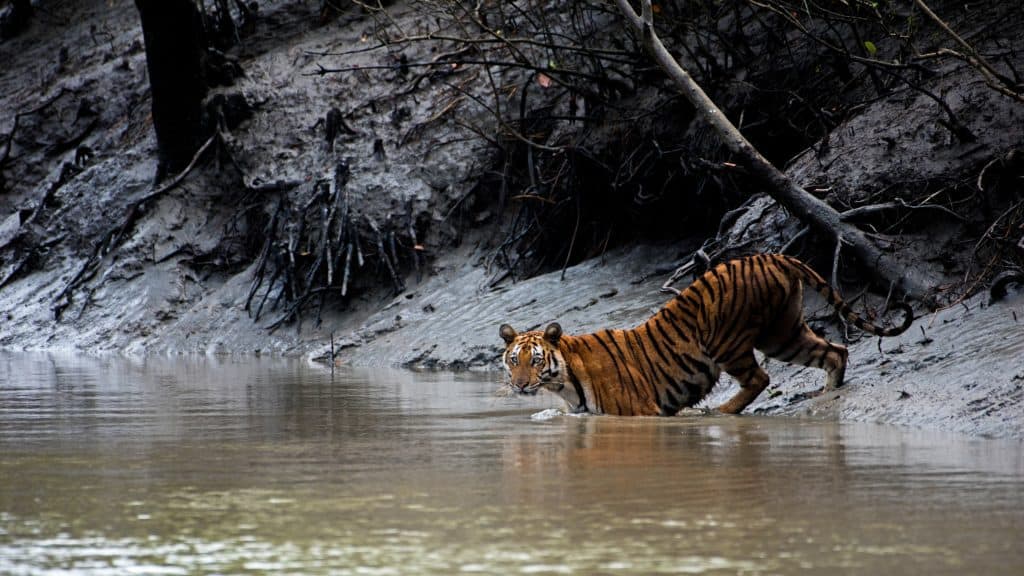
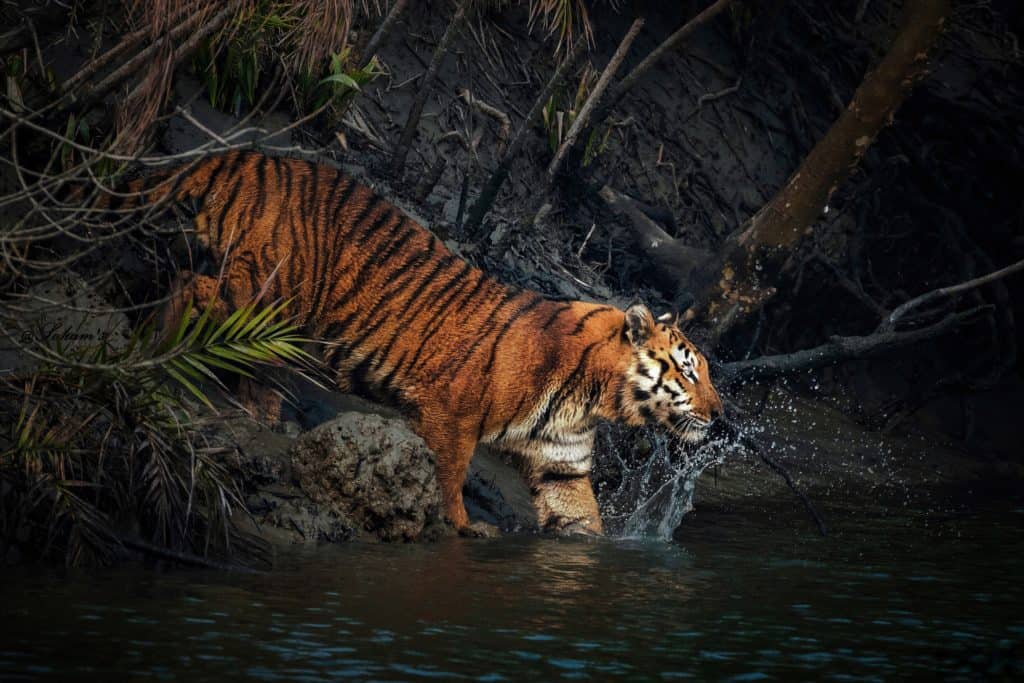
The Mangrove Queen
Santanu Majumdar, India
Though I have many tiger encounters in Sundarbans, this will always be special to me, as this was the first tiger sighting post the cyclone and 3 months lockdown.
MANGROVES & THREATS – HIGHLY COMMENDED SHORTLIST
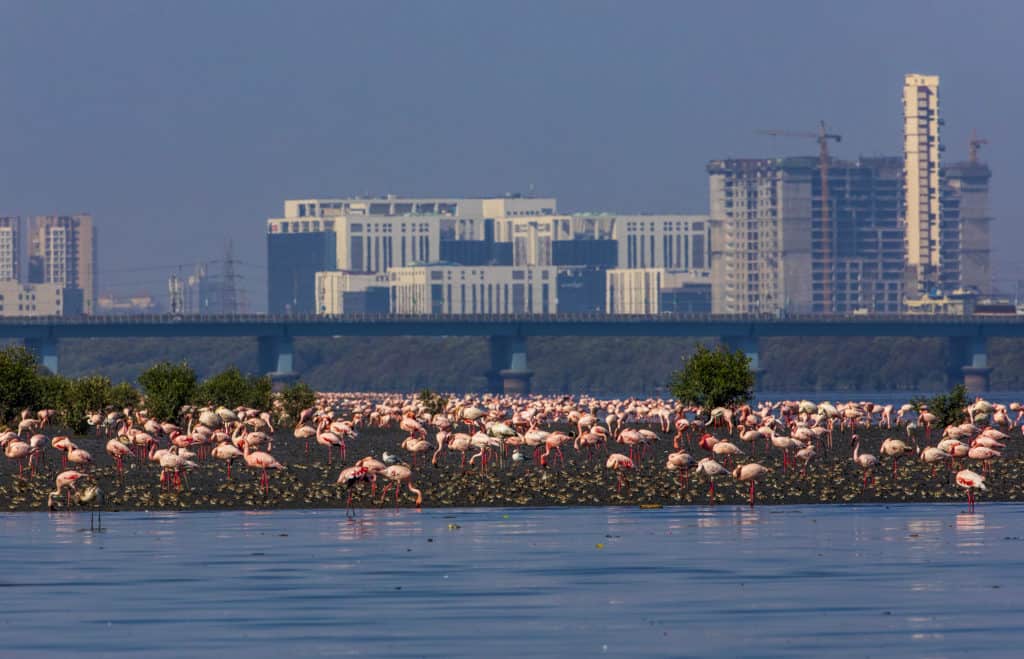
Cement Jungle
Nilangee Kiran More, India
Mangrove forests are under threat because of industrial development and infrastructure work, modernization and pollution
MANGROVES & WILDLIFE – HIGHLY COMMENDED SHORTLIST
The Phantom of the Mangroves
Soham Bhattacharyya, India
A land where the Tiger rules. The Tiger is the biggest Mystery of Mangroves. On the other side, local villagers consider the tigers as ‘GOD’ because, they protect the jungle from any human threat.
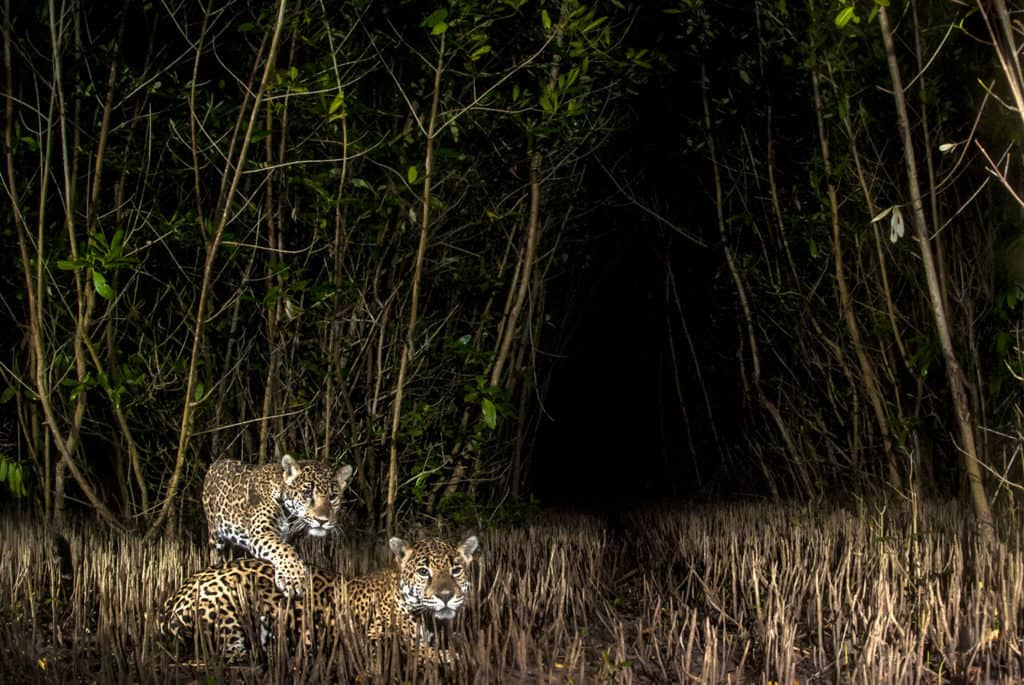
THE OVERALL WINNER of the competition is Victor Hugo Luja Molina from Mexico, for his photograph ‘Once again being a Mother’. It shows a female Jaguar in an intimate moment with her cub in a mangrove forest in Mexico.
Jaguars in mangroves: a relationship rarely seen. This mother named “Janis” in an intimate moment with her cub, is a mangrove resident and has reproduced at least three times. Research teams have monitored jaguar (Panthera onca) populations in mangroves in Nayarit, western Mexico.
“The Mangrove Photography Awards offers a chance for photographers to raise their voices for the protection of one of the most critical and threatened ecosystems”, says Cristina Mittermeier, one of the judges of the competition. “Through impactful imagery and visual storytelling, we can rally people to action, sparking empathy and connection to our natural world.”
All the winning entries may be seen on the 2020 Mangrove Photography website here.
Photos republished with permission from Mangrove Action Project.
Also read:
How a Navi Mumbai citizens group fought for the flamingos