We have almost grown used to it now: serpentine queues before ATMs, chaos in banks, the hapless senior citizen waiting on the pavement and praying that the bank dispenses some 100-rupee notes today, and even the strident urban supporter who thinks all the pain is for greater gain in the end. It has been two weeks since the decision to ban currency notes of Rs 500 and Rs 1000 in a purported drive against black money in the economy, but the implementation of the policy so far has left the ordinary citizen grappling with serious liquidity crunch.
As problems due to the cash ban continued, this writer from Citizen Matters Chennai went around the city streets, talking to a few people to know the effect that demonetisation has had on them.
Autos in waiting
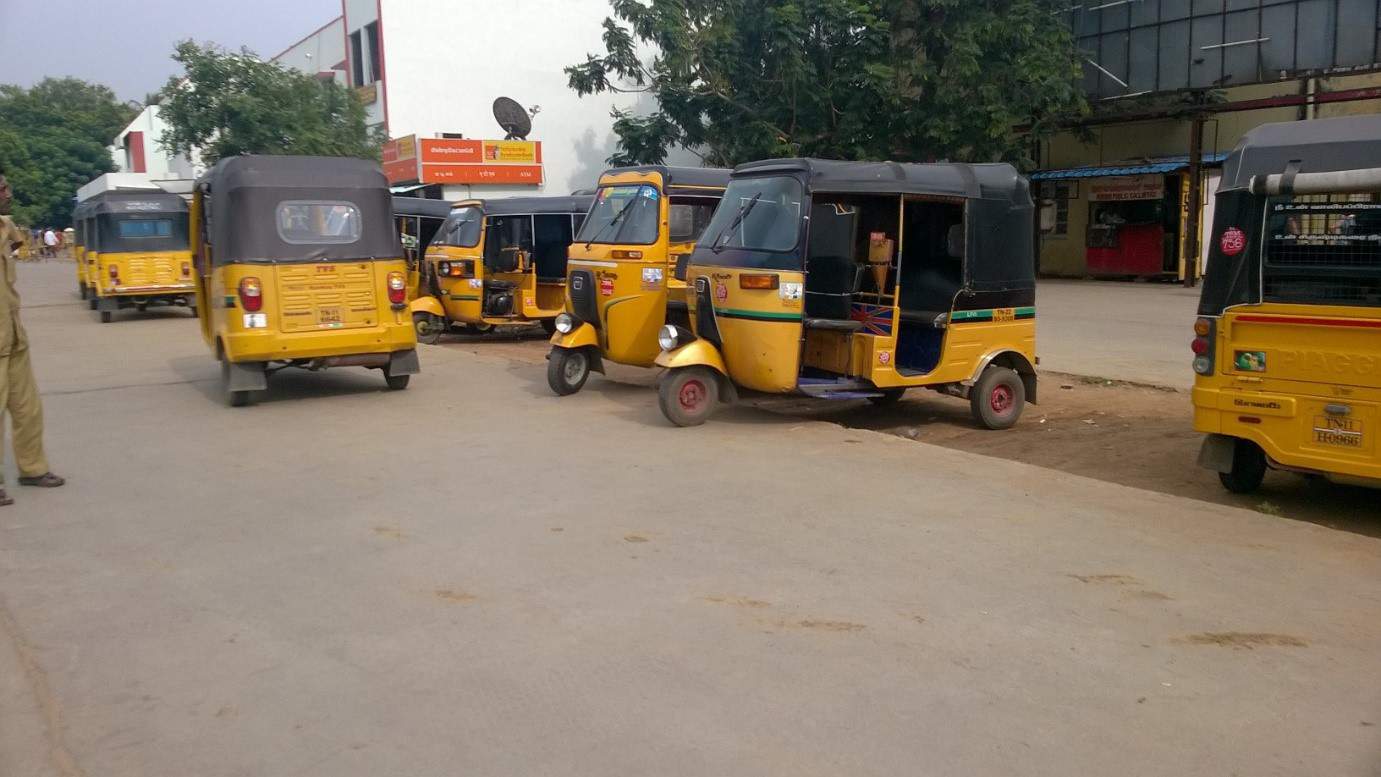
Auto drivers have been hard pressed to find riders who are willing to pay change. Pic: Bhavani A P
“Not many have come for an auto ride since last week and almost all the drivers are stationed at the stands with empty autos. Even when some commuters came, they had Rs. 500 or Rs. 1000 notes and I had to turn them down. I don’t believe in this move in the first place, I feel it is just a conspiracy plotted by the Government. All the top level criminals would’ve changed their black money to white. All this is humbug,” according to Ram, an auto driver who’s desperately waiting for rides to pick up again.
Plummeting sales
“Despite the higher rent amount, I decide to sell kitchen items here in the market. Every Friday I go back home with a good amount of money. But not today. I am hoping I will be able to make up for the loss by next Friday. Many people tried to cheat me by giving Rs. 500-notes but I was aware of the move and declined them. I don’t know why this decision to ban notes has been taken, but I shall be glad if this benefits my Narikuravar community,” said Selvi, regular seller at the Pallavaram shandy on Fridays.
“I don’t have much confidence in demonetisation as of now, we’ll get to know if this move is effective or not in few days. I hardly got customers last week. No one came here asking for change and sales was also dull,” said Raj, who sells groceries in Selaiyur, as he looked for small change in his cash counter.
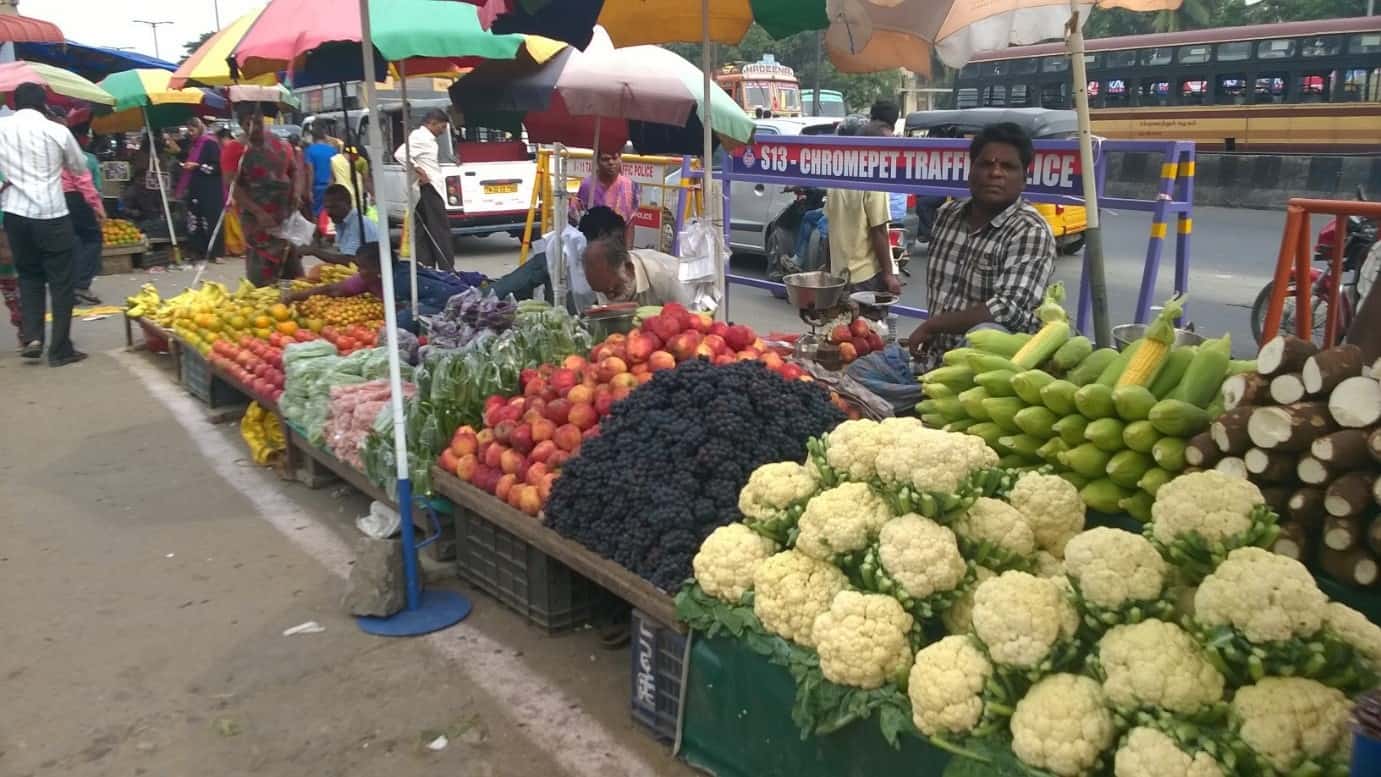
For most small traders, sales has been dull ever since the cash ban was announced. Pic: Bhavani A P
“People came to me asking for change last week with notes of Rs 500 in their pockets. I made some customers buy more than 20 glasses of sugarcane juice and gave them Rs 200 in return. But I was not able to continue this for more than two days, as I too ran out of change and suffered heavy losses. I don’t think corruption will be curbed by this move,” shared Chandran, a sugarcane juice seller in West Tambaram market.
Suspending business for a few days
Rani from Selaiyur, in her seventies, thanks God as a woman comes asking for flowers just as the sun is about to go down. “Following the day of the government decision, I went to the place where I usually sell my flowers and waited for customers. Many hours went by but not a single customer came. I decided to resume work only after a few days. Today, it is almost 6.15 pm and I have managed to earn Rs. 20 since the morning,” she said.
When even four ATMs in your vicinity don’t help!
“Demonetisation will bring change, but that could be very trivial. My dad is a small scale entrepreneur, we mostly deal in currency notes of Rs. 500 and Rs. 1000. The ban has led to several of his customers cancelling the signed contracts and has hampered the growth of the business. I waited for over 12 hours today to get some change from the ATM. It pained me to see senior citizens waiting in queues all day long, despite the odds. And all this in an area where we have four ATMs!” shared Amritha, an ad-agency employee based in Chennai.
Those who don’t know what digitisation means
“The poor and illiterate are not even aware of digitisation (credit and debit cards) which has been recommended as the alternative since the announcement. By God’s grace, I had withdrawn some money from the bank on the same day that demonetisation was announced. In my maid’s case, firstly, she was unaware of the move and secondly, she has a bank account but she does not use it. Whatever she saves, she keeps at home and has joined a chit fund too. She had Rs 8000 in cash, all of which was in denominations of Rs. 500 and Rs. 1000,” commented Kanagamani Jayaraj, a homemaker residing in Mahalakshmi Nagar.
The believers
“I accept whatever has come with this change, as all hawala transactions would now come to an end, at least temporarily and the government will receive more funds in hand which might lead to an increase in the value of the Indian rupee in the global market. Though I had to wait for a long time to get some cash, I’m satisfied with whatever has been done and don’t mind being a part of the change,” said Pradeep, who hails from an agricultural background.
“Demonetisation of higher denominations is one of the biggest changes that India has ever seen. I’m sure that it will generate lot of revenues to the government. Corruption will be curbed to a larger extent. I did face an issue when I took my daughter to the hospital. She was in dire need of medicines and the pharmacies refused to accept the high value notes I was holding. I had to rush to the ATM and got some money through my friend. But all these are nothing, as the nation is moving forward and I welcome the change,” exclaims Sridhar, a resident of Mudichur.