It was January 2016. We had recently returned to India from Kenya, and were all excited to move into our new home at Hyde Park, Kharghar Sector 35. We had spent the previous couple of months visiting the apartment on and off from Mumbai where we were temporarily living. Away from the hustle and bustle, and surrounded by nature, this place was pleasantly different.
Every time we approached the gates, we would see the tall green hills in the distance. A big pond lay behind the central jail and right in front of the apartments we would see this small hill. Taloja Hill stood out because, unlike the surroundings, it was barren and brown. Sometimes I would see lorries on the hill and soon found out that there was quarrying happening.
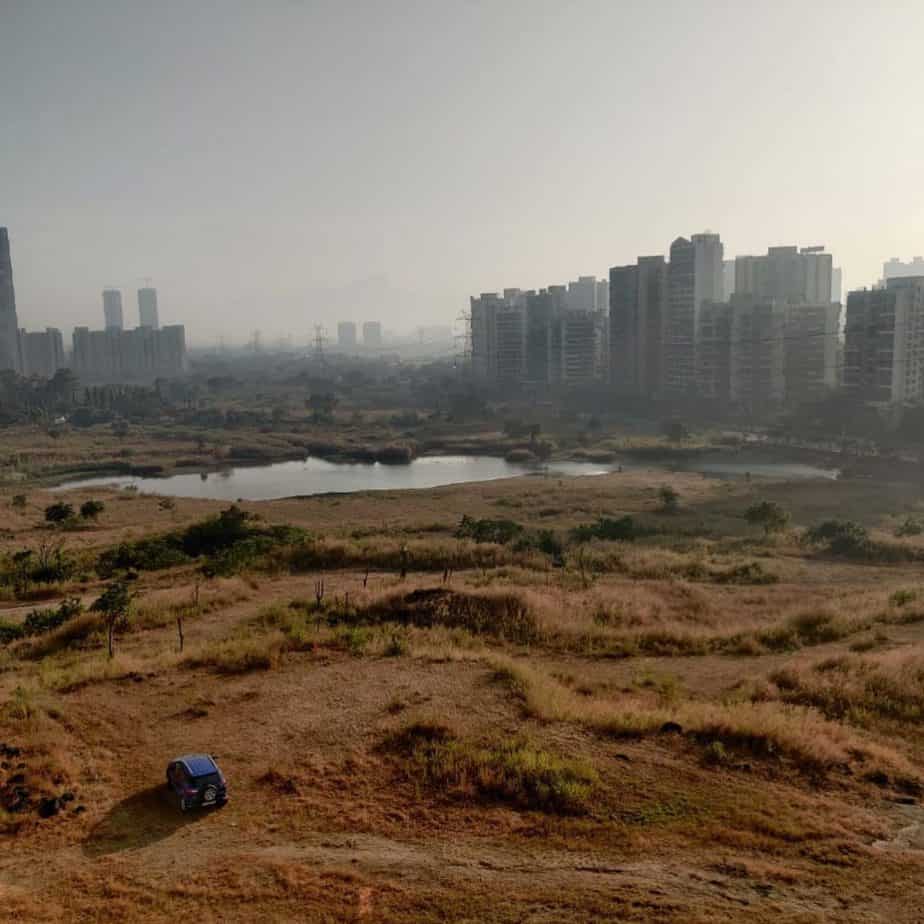
After we moved in, I started getting acquainted with our new neighbours and surroundings. The state of the hill was bothering me. As the days went by, it seemed to be becoming less of a hill. As luck would have it, one of my neighbours, Mr G.S. Sharma was also concerned. After making enquiries in the area, we got to know that the Forest Department was the custodian of the hill. We decided that we needed to do something and that’s when we approached the Chief Conservator of Forests. We found out that the quarrying that was assumed to be authorised was actually illegal and it was subsequently stopped.
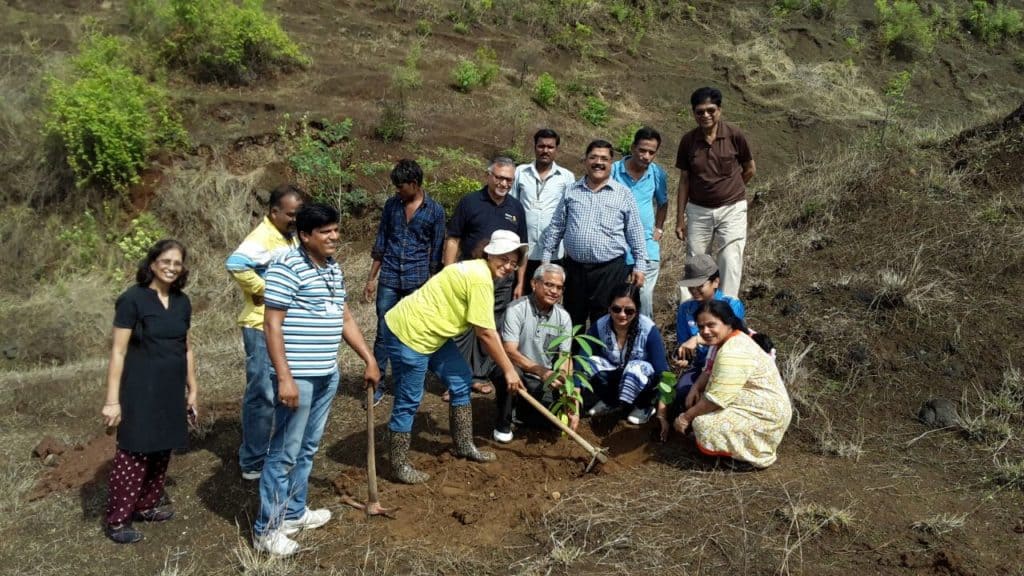
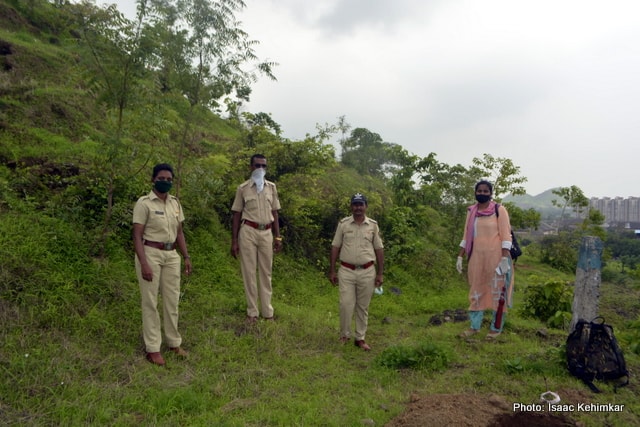
We shared the information we had gathered with other residents and we all decided that it would be a good idea to plant some trees on the hill. We could take care of the saplings, and in the long run this would arrest soil erosion and bring back the greenery that was obviously present in the past. It took three whole months of regular follow-ups and a lot of patience before the Forest Department finally allowed us to undertake a tree plantation drive. In May 2016, around the time of the monsoons, 100 saplings were planted. The event was fully supported by the Forest Department with all the officers present. Apart from providing the saplings they also arranged for the pits to be dug. From our end, we promised to nurture and protect them.
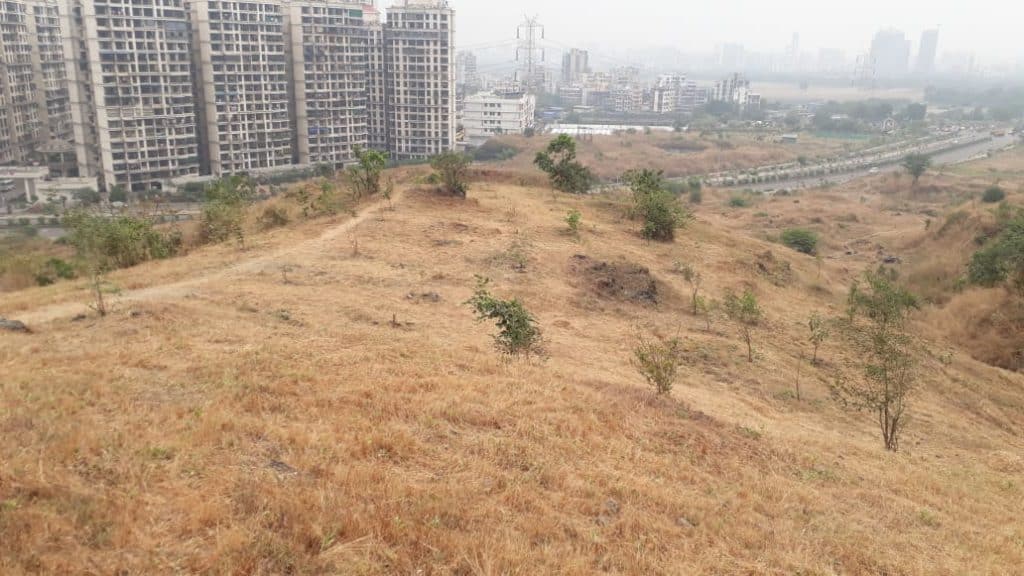
Over the next few months, the Mumbai rains did much of what was required. We would visit the hill now and then to see if the saplings were alright. On dry days we would carry water up to the plants. It was a delight to see them grow, but in November, we were in for a rude shock. Someone had lit the grass and the hill was on fire. All of us were new in the area and we were totally ignorant about the practice (or accident was it?) of grass burning. What we did see was that in a matter of a few hours, all our saplings were burnt.
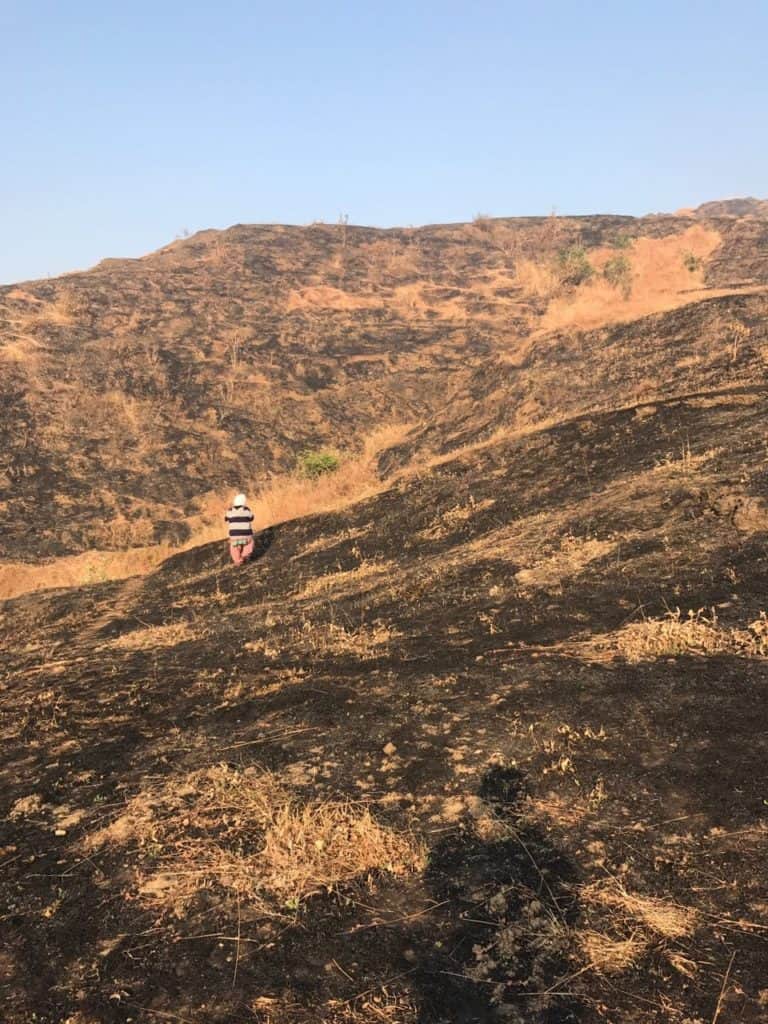
It was painful to see our efforts literally burnt, but my new friend and neighbour Shalu and I didn’t give up hope. We realised that there was still some life in the plants. We used plastic bottles to drip water to the plants. For three months we both struggled. It was a joy to see the first new leaves sprouting from the almost dead plants. Almost all our saplings survived without replacement.
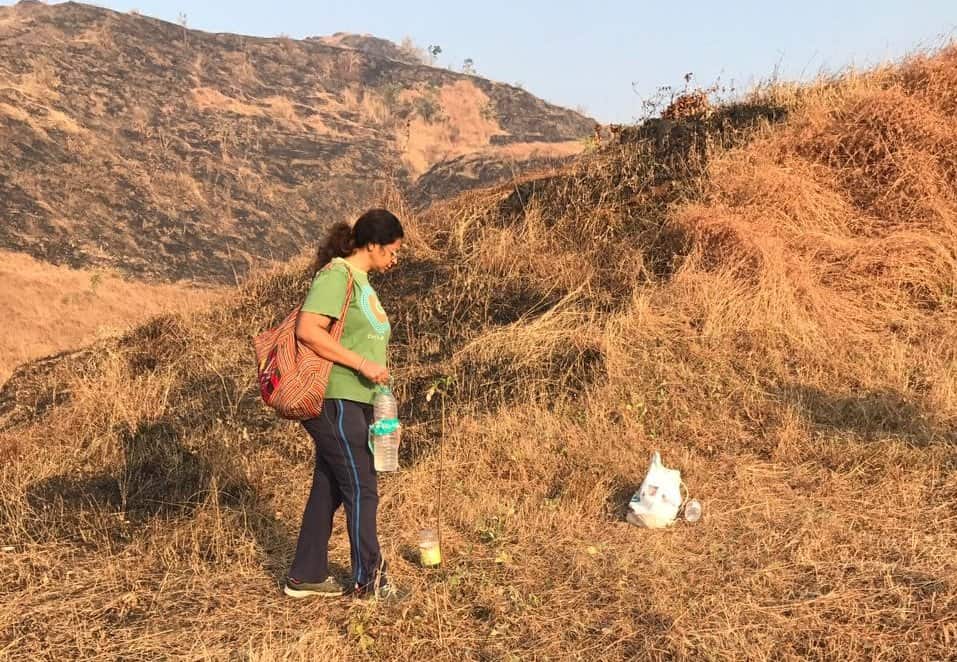
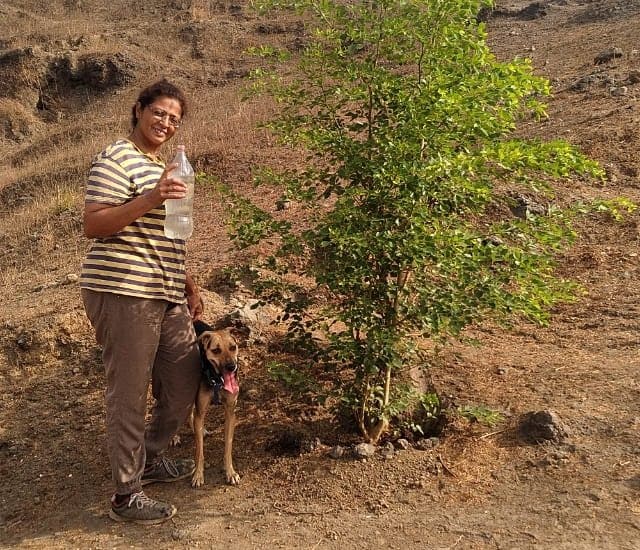
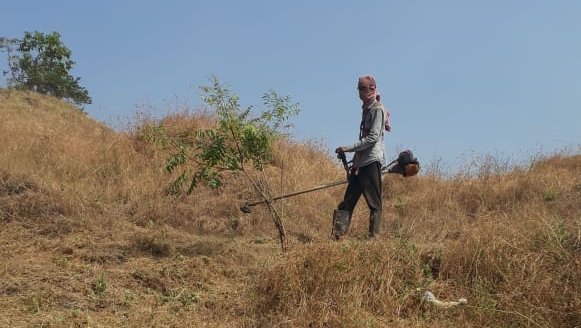
As time went by, more people started joining us – Mayur, Ganjoo uncle, Nitin… slowly our team increased. More hands meant that we could do more. The heat after the monsoons would quickly dry the hill. Having learnt our lesson with the grass burning in that first year, every year after the monsoons, we ensured that we got the grass cut. Initially it used to be done manually, but later, with local residents sharing the costs, we started getting it done with a motorised grass cutter.
Last year, with the saplings we had planted already over three years old and strong enough to support themselves, we felt that we could expand our efforts. The Forest Department offered a 3 hectare patch for afforestation, and we were all enthused to make ourselves a formal registered group. Our registration got interrupted by COVID-19, but having got permission, we did not want to miss this year’s monsoons. We have collaborated with iNaturewatch Foundation, a charitable trust working in the field of Urban Biodiversity across the country and Ladybird Environmental Consultancy. Dr. V. Shubhalaxmi and Issac Kehimkar (from these oranisations) were like samaritans sent to fulfill our dream of restoring the hill. They helped in procuring CSR funds that would help us mange for a while and together we completed paperwork formalities with the Forest Department. Now they are guiding the entire hill reforestation project and we are the volunteers working with them.
In May 2020, as offices started resuming after the initial days of COVID lockdown, a survey of the plot was done with the forest officials and we started our work following social distancing.
Over the last few months, a soil survey has been done and the topography and condition of the hill has been assessed. Trenches and contour bunds have been built to prevent soil erosion and increase the moisture capacity of the area.
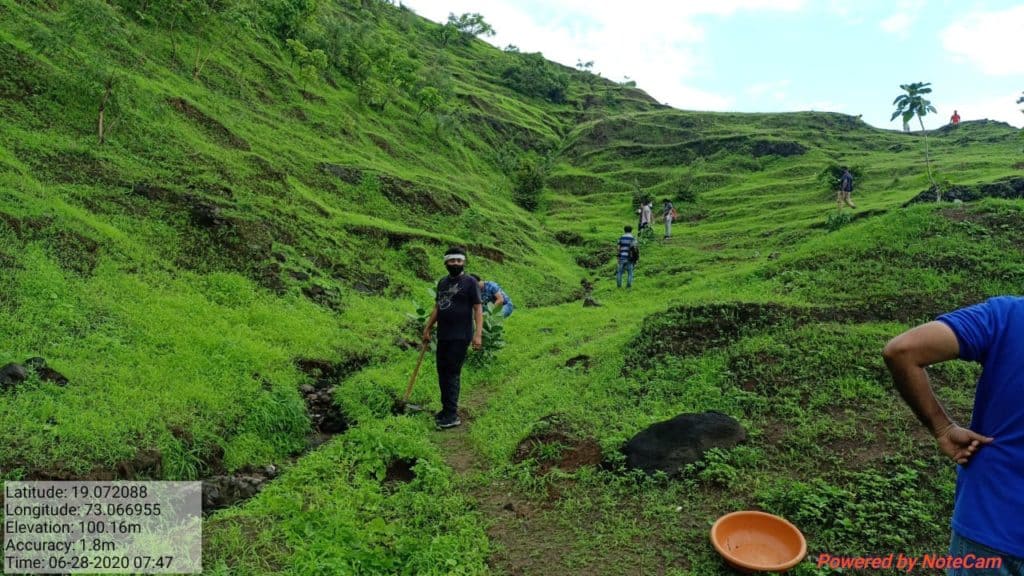
As the situation permitted, wherever possible we organised sessions where volunteers could contribute their time. There’s a team studying the flora and fauna of the place and a survey was carried out on existing species around. We are also planning community forest nursery of sapling grown from seeds collected from the same forest to increase the existing vegetation.
Over 1500 tree saplings, shrubs and grass have been planted, as per the vegetation requirement for this habitat. We are also trying out SVT sleeves to trap the dew and protect the saplings from scorching UV rays.
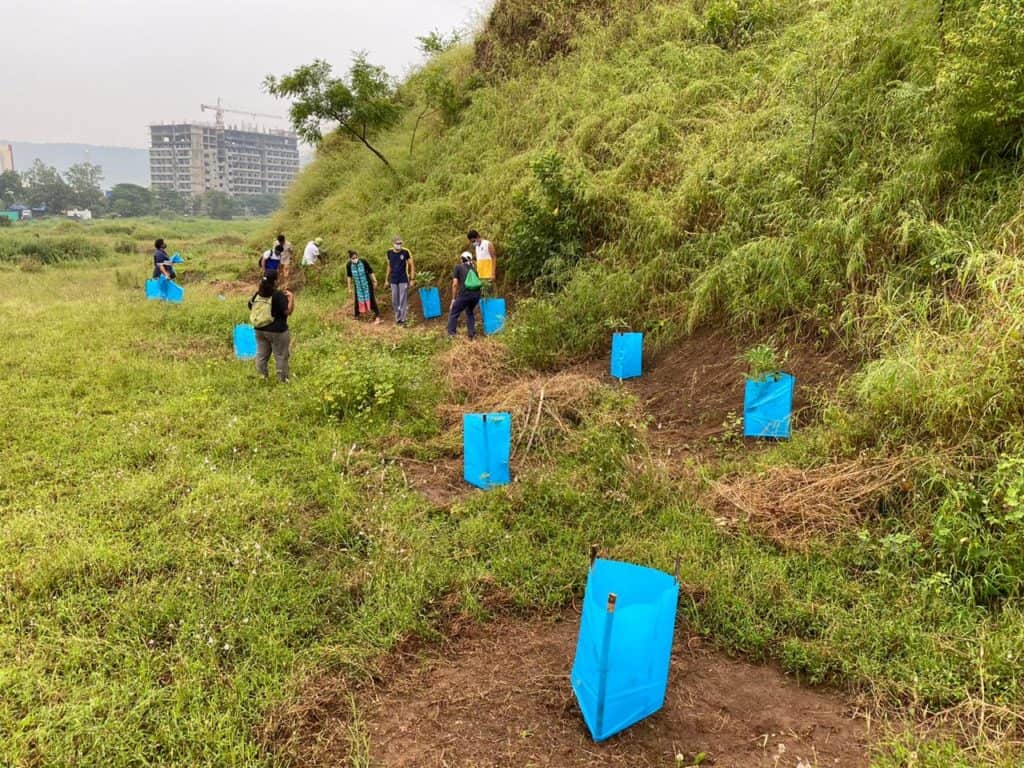
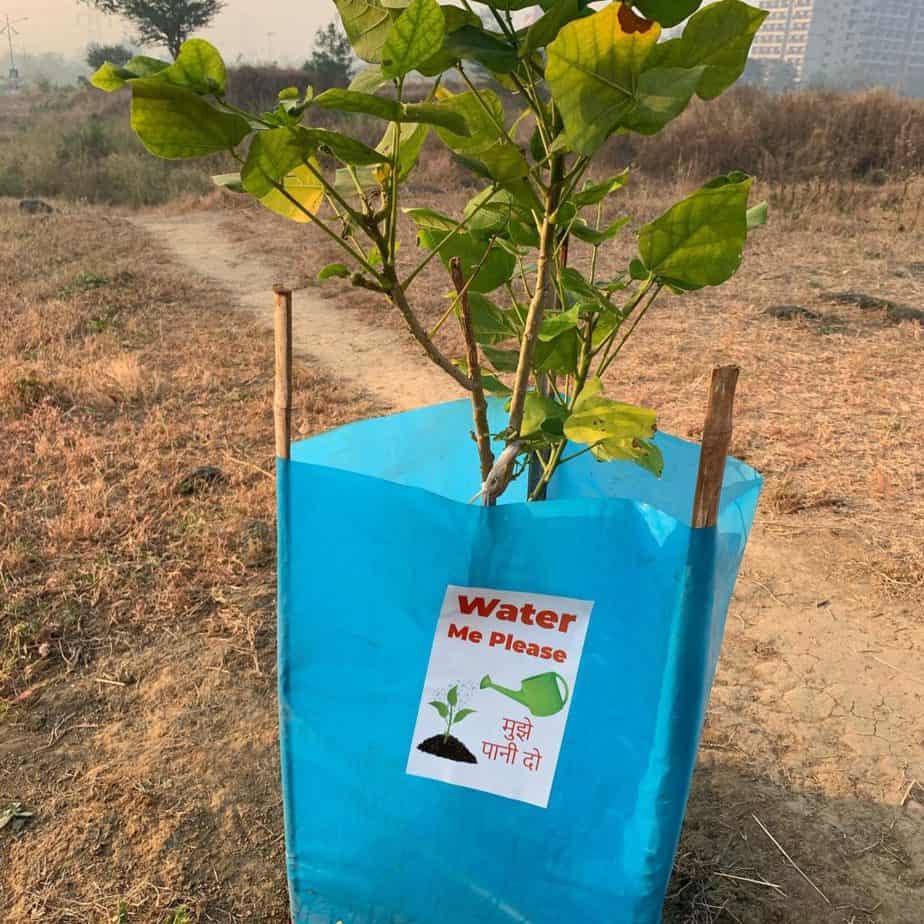
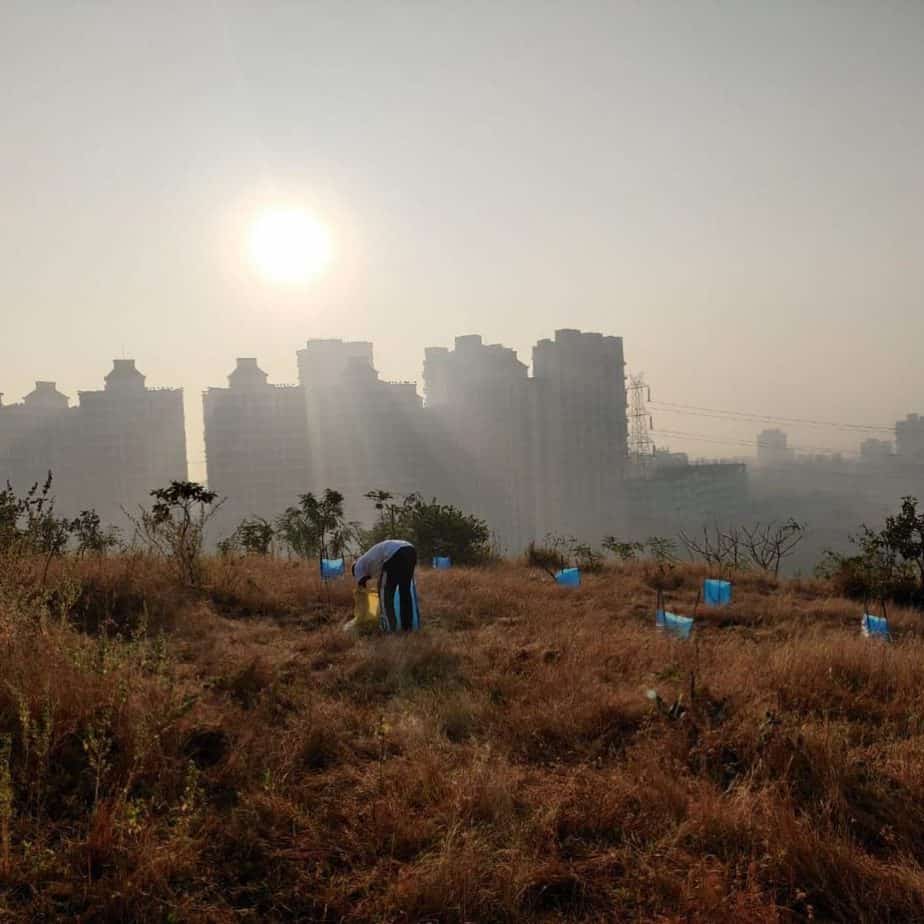
These are early days yet. So come, do join us to restore the hill habitat of our beautiful Kharghar.
Also read:
Dedicated souls like Jyoti Madam can do wonders for Nature Conservation. Hats off to the team for their noble deed.