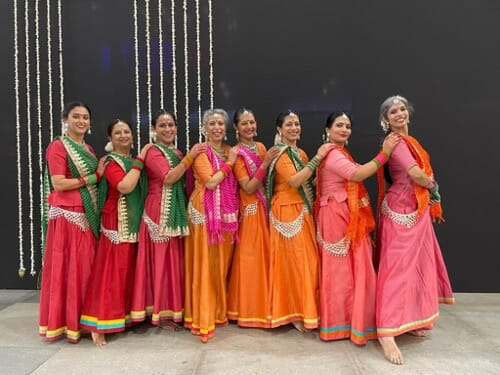
Sarani, The Whitefield Dance Collective, is made up of dancers (both professional and amateur) as well as people who believe that the arts are a great way to bring communities and their commonalities together. Since its inception in 2017, Sarani has steadily worked towards promoting the knowledge, appreciation, practice and performance of dance in the Greater Whitefield area.
The movement had its roots in a fundraiser Samanvita, held in 2017, for the betterment of Government schools in Whitefield. When dancer Dipanjali Bedi was approached to perform for the event, she responded: “I look at this event as an opportunity to showcase what is possible when communities come together. When we work towards a common goal, issues of gender, age, economics and social barriers often become immaterial.”
Thus, what was initially perceived to be a solo performance grew into a community event. A collaboration between Dipanjali, dance students from the region, and students and volunteer teachers from the Government school.
Though hugely successful from a monetary point of view, the greater success was the sense of community that came through working together and the feedback from spectators that they wished Whitefield offered more in the way of high-end dance performance.
This seed, planted by the coming together of a few like-minded people passionate about dance and the betterment of the community, grew into Sarani when a few participants of the show decided to stay together and form the dance collective with the following goals:
- Bring quality dance to Whitefield
- Encourage local talent
- Expose students of dance to technique classes from senior dancers
- Try and educate and enlarge the spectator base.
Between May 2017 and January 2020, Sarani presented and organised five types of events.
Read more: Five innovative solutions that seek to empower persons with disabilities
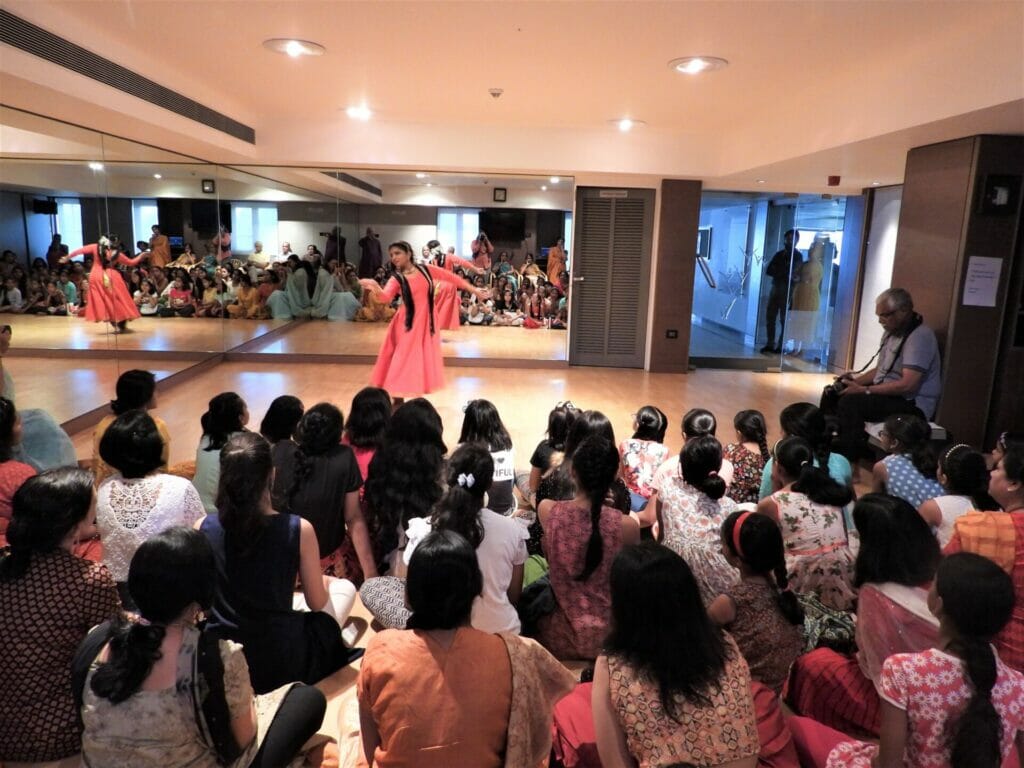
Sarani studio showings
Chamber performances in an intimate setting, where the dancer is not cut off from the audience by the distance from the stage and the artificial darkness of theatre lighting. This allowed a close engagement between spectator and performer, enabling the audience to see detailed nuances of the form being performed and for the dancer to feel the immediate response of the spectator.
Talented dancers from within the Whitefield community and other parts of Bengaluru were invited to showcase their work. The curating process was always mindful of presenting varied dance forms. Six Studio Showings have been held to full houses.
Sarani dyuti series
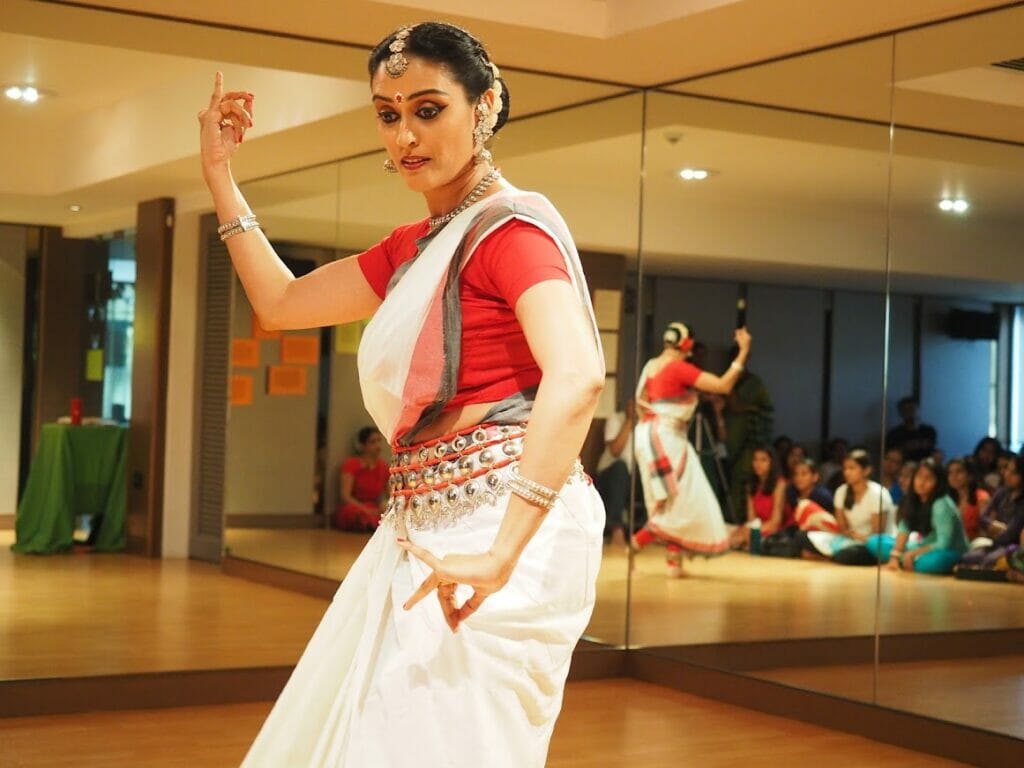
Conceived as an educational series throwing light on various aspects of dance, it also aimed to enhance cultural literacy and aesthetic development.
Varied subjects that were of interest to both dancers and the layperson were presented. Topics covered included poetic essence in dance, padams and javalis, rhythm and Konnakkol, and the binaries of classical and folk in dance through a movie screening at a mall.
Sarani workshops
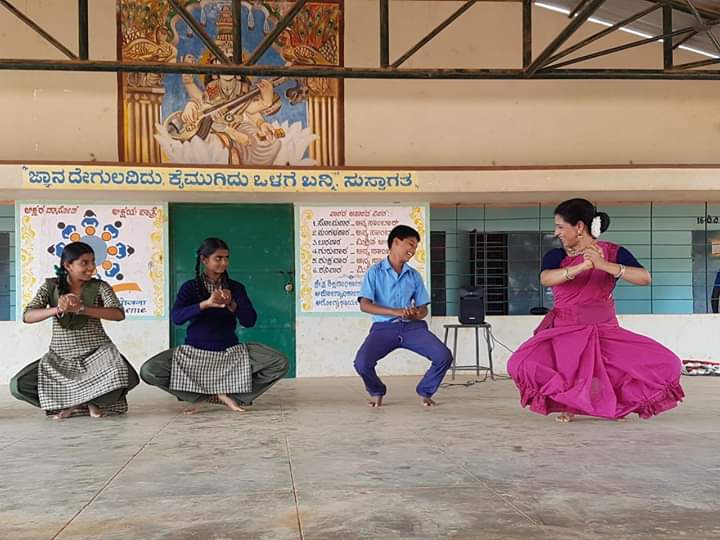
The focus here was on helping students improve and understand the technique and not just learning ‘’items”. There have been workshops on abhinaya, technique (Bharatanatyam and kathak), and even one on dance make-up.
Partnering with ‘Whitefield Ready’, formal learning programs were set up to teach dance to government school kids. Lecture demonstrations were also held in the schools to introduce classical dances to those who had no access to them.
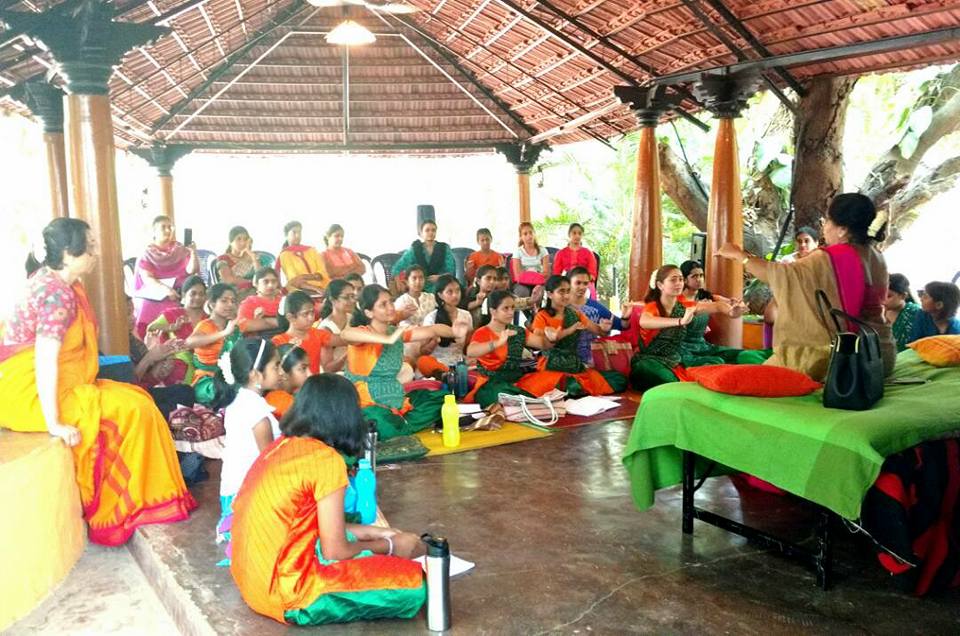
However, all of this work impacted only small groups. Having confirmed the belief that quality performances would always bring in an audience, the next step involved bringing into the folds people who were not necessarily aficionados of the classical arts.
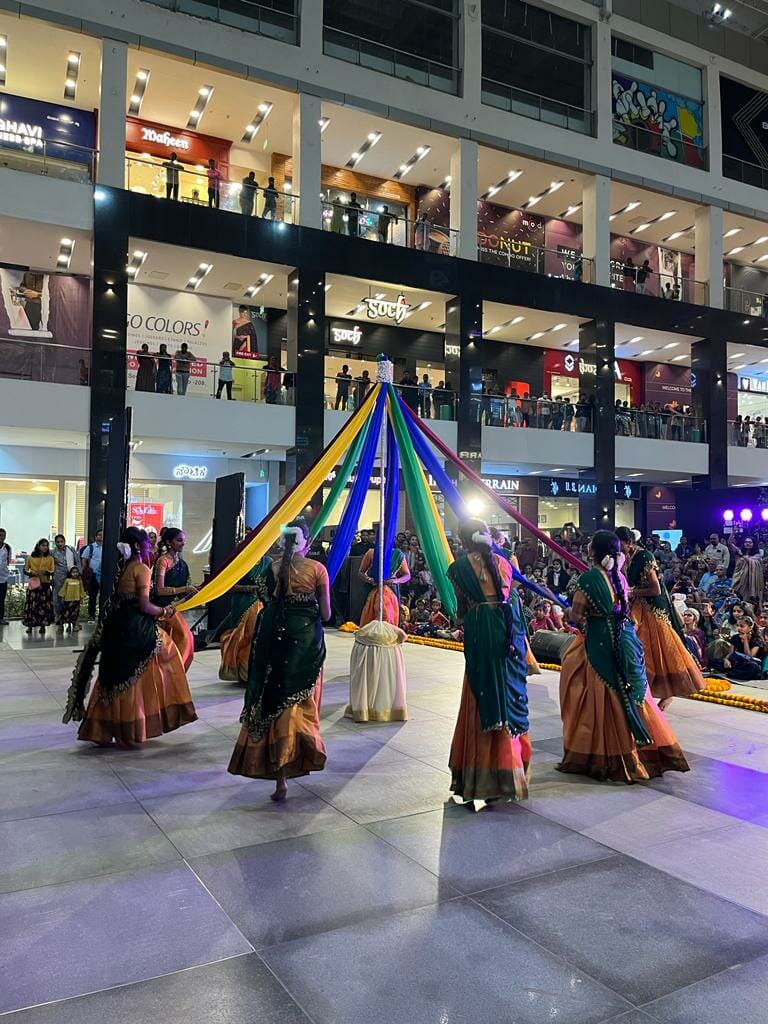
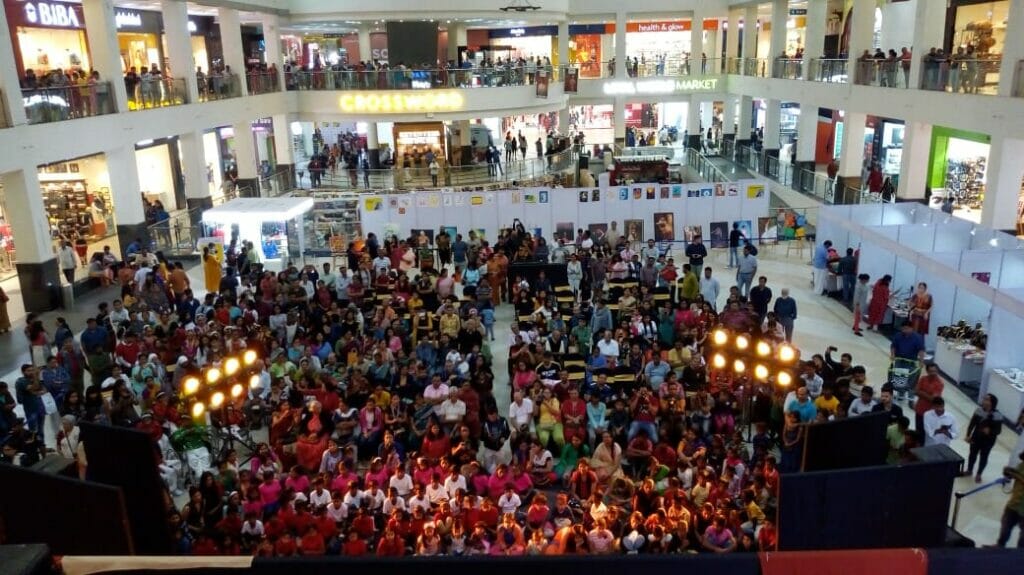
In December 2018, Sarani presented the Whitefield Dance Carnival, in collaboration with what was then the Forum Value Mall, and supported by Whitefield Rising and Whitefield Ready with the tagline ‘Celebrate Dance, Celebrate Community’.
It was a weekend of dance performances open to anyone based in Whitefield, the only caveat being no film-based music or dance. The event’s success could be gauged by the fact that the mall had its highest ever footfall and the spectators sat through two days of folk and classical dance in huge numbers.
Read more: How this Bellandur apartment set up a kitchen garden on the terrace
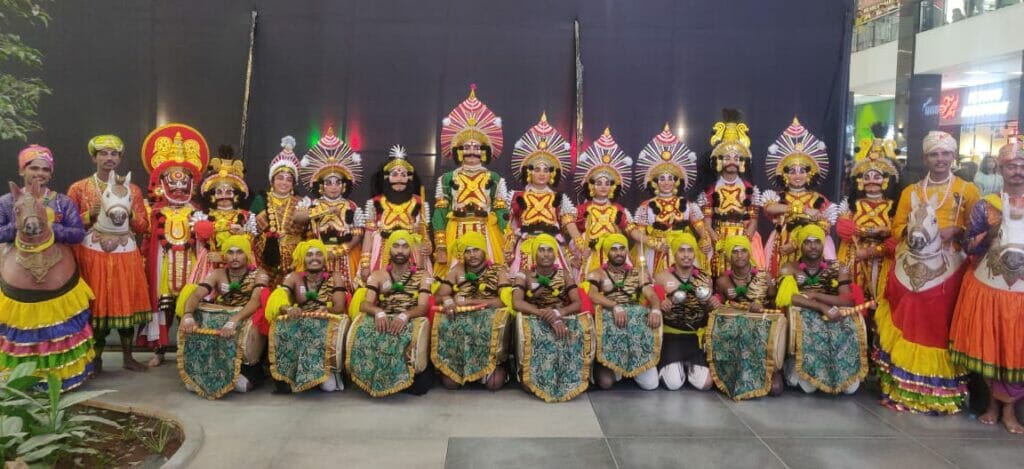
After a two-year hiatus due to COVID-19, Sarani returned to the public stage, in partnership with Nexus Whitefield and Yakshadegula, to once again bring communities together. But this time with a Folk Festival.
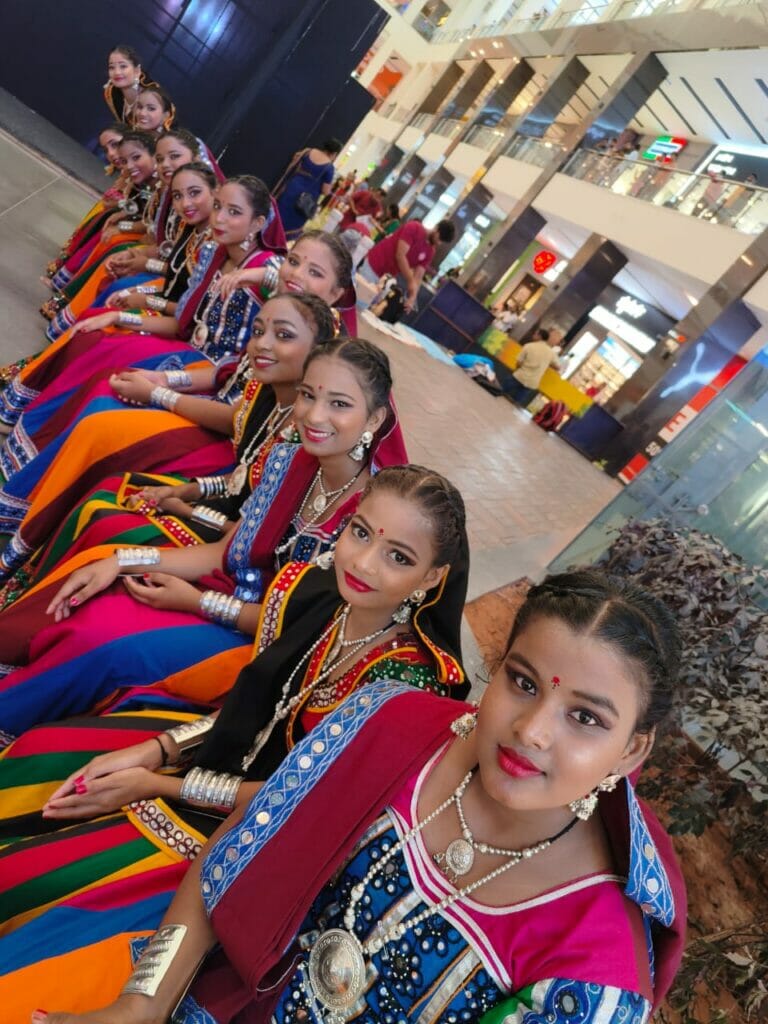
The Whitefield communities and Government schools presented folk dances from various parts of India while organisations like Yakshadegula, Kathegararu, Ranga Charaka, Puppet House (Mysuru), and Yashaswi Kala Vrinda showcased various dance forms of Karnataka. Once again, the tremendous community support and crowds convinced Sarani that they are on the right path.
The success of Sarani has been a team of like-minded people at its core. Egos are left at the door; there is no concept of senior-junior, dancer-non-dancer while working together. The dedication and shared passion towards the cause have helped Sarani create a particular trademark quality for their events.
To mention a few aspects: no banners disturb the stage backdrop, no chief guests make long speeches, and shows begin on time. The events don’t necessarily look for big names but rather look at the body of work. Most of all, Sarani is inclusive, works with marginalised communities, and takes dance to those who had no prior access.
Being a body of volunteers with a no-profit model, funding poses challenges to many initiatives. Maybe becoming a registered organisation is the way forward. But to grow we need more like-minded people to help and support us.
As we debate on moving forward, we continue to ask ourselves, how do we inspire and be inspired? How do we make sure that a Sarani production means quality? How do we remain on the path of seeking to balance the aspirations of Whitefield dancers and the Whitefield community at large? How can we continue to create awareness towards dance and expand the viewer’s sense of aesthetics, sensitivity, and creativity?
This is wonderful! So nice to read about such initiatives
This is wonderful! So nice to read about such initiatives