Many of us have small gardens or even potted plants at home, to add a touch of greenery and, as we hope, to purify the city air. Houseplants play several beneficial roles in our home environment. They provide visual interest to the home, purify the air, and may be edible or medicinal. What many of us may not know, however, is that some of these plants can be poisonous!
Toxic plants can be a hazard to children and pets, as well as to elderly persons with dementia. Though it would be better to keep all plants out of the reach of those who might crush, eat, or taste them, it is not always possible to prevent accidental encounters. If you’re worried your loved ones may ingest your houseplants, you may want to keep the plants in this article out of your house.
Poisoning can occur from:
- Eating or touching leaves
- Ingesting berries, blossoms, or roots
- Skin contact with sap or juices
- Eating soil
- Drinking water from plant tray
Most nurseries don’t provide warning labels on their potted plants noting possible toxicity. Before you purchase that house or garden plant, learn which common plants can pose the biggest threat to the more vulnerable members of your home.
Here are a few plants that can cause major problems, and in severe cases, death, if ingested.
1. Dieffenbachia, “Dumb Cane”
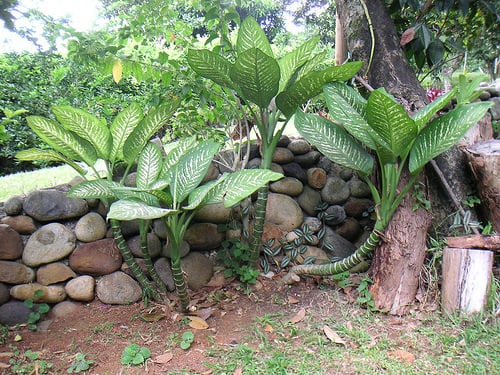
This is the common houseplant with an uncommon name. Chewing on the leaves of this low maintenance plant can lead to severe swelling and burning of the mouth and tongue, which can in turn lead to difficulty breathing and in severe cases, death.
2. Spathipyllyum, “Peace Lily”
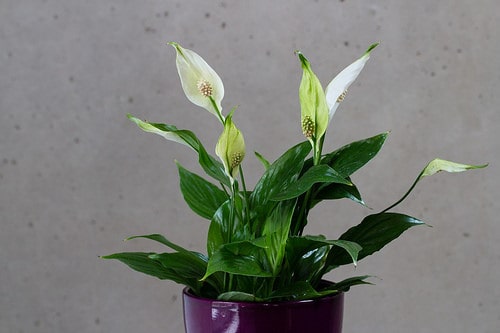
These plants are excellent air purifiers. Like philodendrons and pothos, however, they can cause painful symptoms and sometimes death if ingested by humans or animals. They can cause burning and swelling of lips, mouth, and tongue, difficulty speaking or swallowing, vomiting, nausea, and diarrhea.
3. Philodendron (called by the same name)
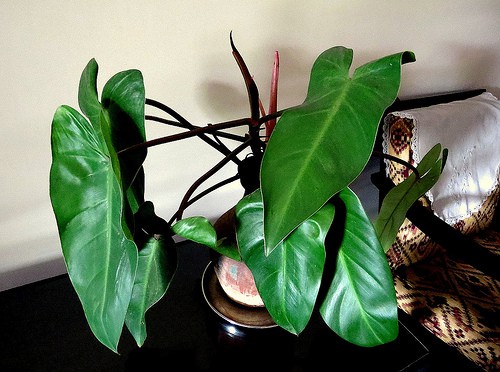
In humans, even small children, ingesting philodendron usually has only mild side effects, including a dermatitis reaction and the swelling of the mouth and digestive tract. In rare cases or after ingesting large amounts, there have been fatalities in children.
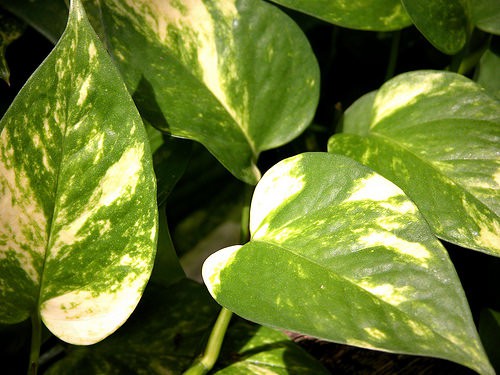
4. Pothos, “Money Plant”
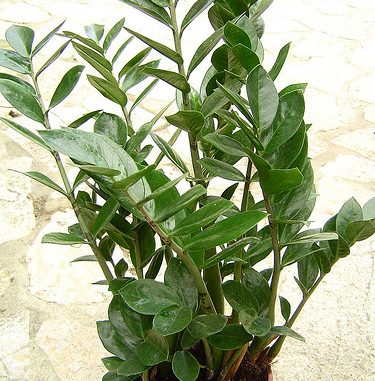
5. Zamioculas, or “ZZ” plant
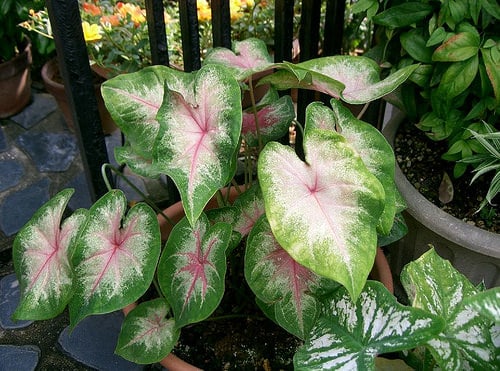
6. Caladium, or “Bleeding Heart”
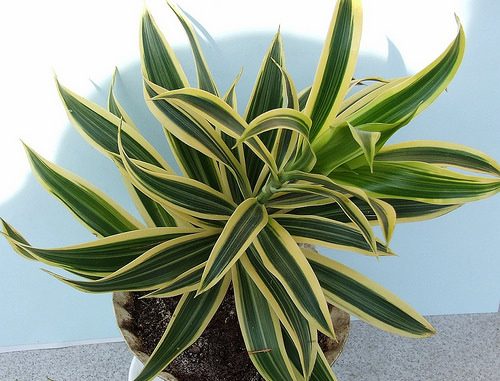
7. Dracaena fragrans, “Corn Plant”
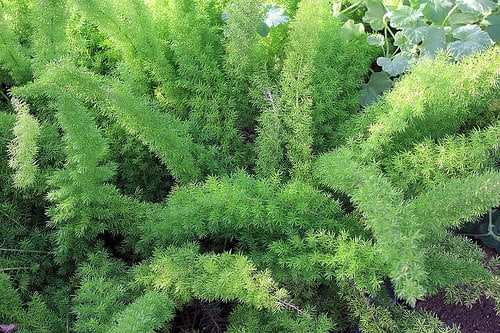
8. Asparagus aethiopicus, “Asparagus fern”
9. Nerium, “Oleander” (both pink and yellow )
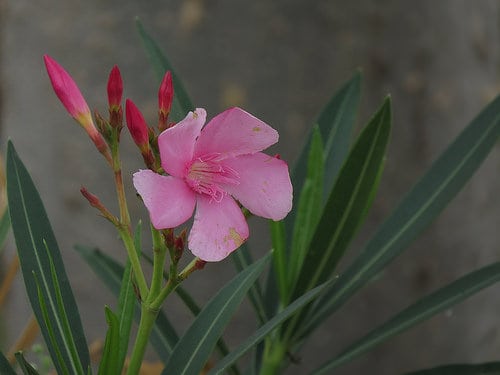
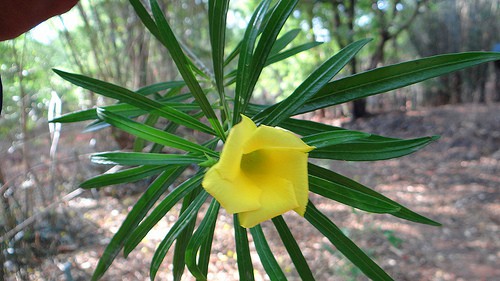
This plant looks delicate and innocent, but is so toxic that even ingesting honey made from its nectar can produce symptoms. Deaths in adult humans have been reported with as little as one leaf eaten, but the majority of deaths occur when very large amounts are inested. Children are more susceptible.
10. Sansevieria, “Mother-in-law’s Tongue”
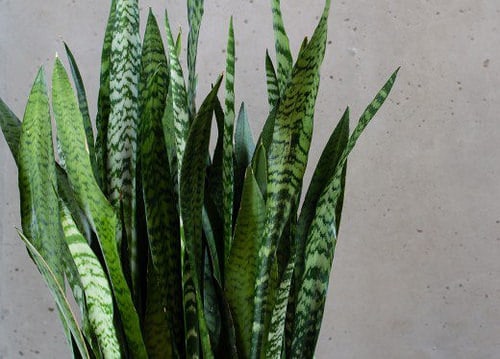
This plant is not as toxic as the others, but produces short-lasting symptoms such as mouth pain, salivation, and some nausea. In rare instances, it can produce a dermatological reaction, but is mainly toxic only if ingested.
Here’s a ready reckoner that I found on the net, and some suggestions for growing plants safely:
Plants and Their Toxicity to Humans and Pets
|
Plant
|
Toxic to Humans
|
Toxic to Dogs
|
Toxic to Cats
|
|---|---|---|---|
|
Philodendron
|
Mildly
|
Yes
|
Yes
|
|
Pothos
|
Yes
|
Yes
|
Yes
|
| Arrowhead |
Mildly
|
Mildly
|
mildly
|
|
Lily
|
Moderately
|
Moderately
|
Yes
|
|
Peace Lily
|
Yes
|
Yes
|
Yes
|
|
Dieffenbachia
|
Moderately
|
Moderately
|
Moderately
|
|
Oleander
|
Extremely
|
Extremely
|
Extremely
|
|
Caladium
|
Yes
|
Yes
|
Yes
|
|
Mother-In-Law’s Tongue
|
Moderately
|
Moderately
|
Moderately
|
|
Ivy
|
Mildly
|
Yes
|
Yes
|
Here are some ways of reducing exposure to plant toxins:
- Keep plants out of reach or in rooms where children and pets are not allowed.
- Maintain plants regularly and keep debris cleaned up.
- Label pots with the plant name and whether or not it is toxic.
- Wear gloves while handling or wash hands immediately after handling plants that could irritate skin or eyes.
- Don’t discard plant clippings where they can be easily accessed.
- Teach children not to touch plants.
- Trim plants to prevent children and pets from accessing vines. The plants will still reward you with fullness and foliage that purifies the air.
- Don’t forget that plants outside can be dangerous to outdoor pets. Hang them high on porches or plant-stands.
- Always keep fresh water for pets so that they aren’t tempted to drink from plant trays. Toxins can leach into the water.
nice knowledge and awareness.