Photo essay: Chennai Trekking Club organises 8th Chennai Coastal Cleanup

The huge awareness drive saw 4600 volunteers participating and removing 32 tonnes of garbage from 20 km of Chennai's shoreline between Lighthouse and Uthandi.

On Sunday, June 18th, Chennai Trekking Club (CTC) and Environmental Foundation of India (EFI) in association with The Hindu and Casa Grande organized the 8th edition of the Chennai Coastal Cleanup (CCC), a South India-wide awareness drive on our growing garbage footprint and the impact on the environment.

5000 volunteers and 130 organizations, schools, NGOs in 10 large cities removed 41 tonnes of garbage from lakes, rivers and beaches.

In Chennai, 4600 volunteers participated in removing 32 tonnes of garbage from 20 km of Chennai’s shoreline between Lighthouse and Uthandi. Volunteers segregated garbage in 69% recyclables (glass, plastics, etc) taken by Earth Recycler and 31% non-recyclables (thermocol, chappals etc), which were taken by the Corporation to the landfill.
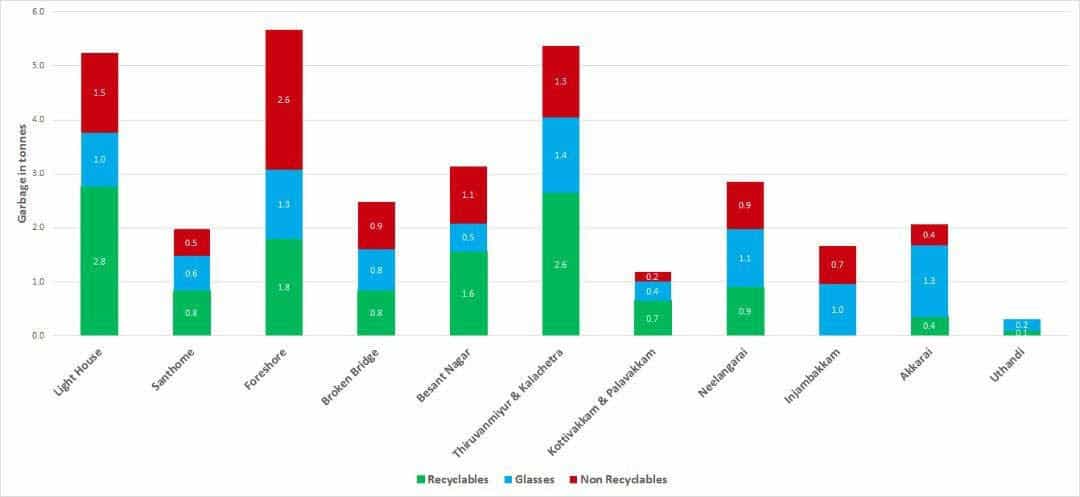
 

An additional two tonnes of garbage was removed from two lakes, namely Keelkattalai and Nanmangalam in the city. One must acknowledge the huge support from the Greater Chennai Corporation and Greater Chennai Police that made this event such a success.

Here are a few snapshots of the event that capture the zeal and enthusiasm of all volunteers, young and old:
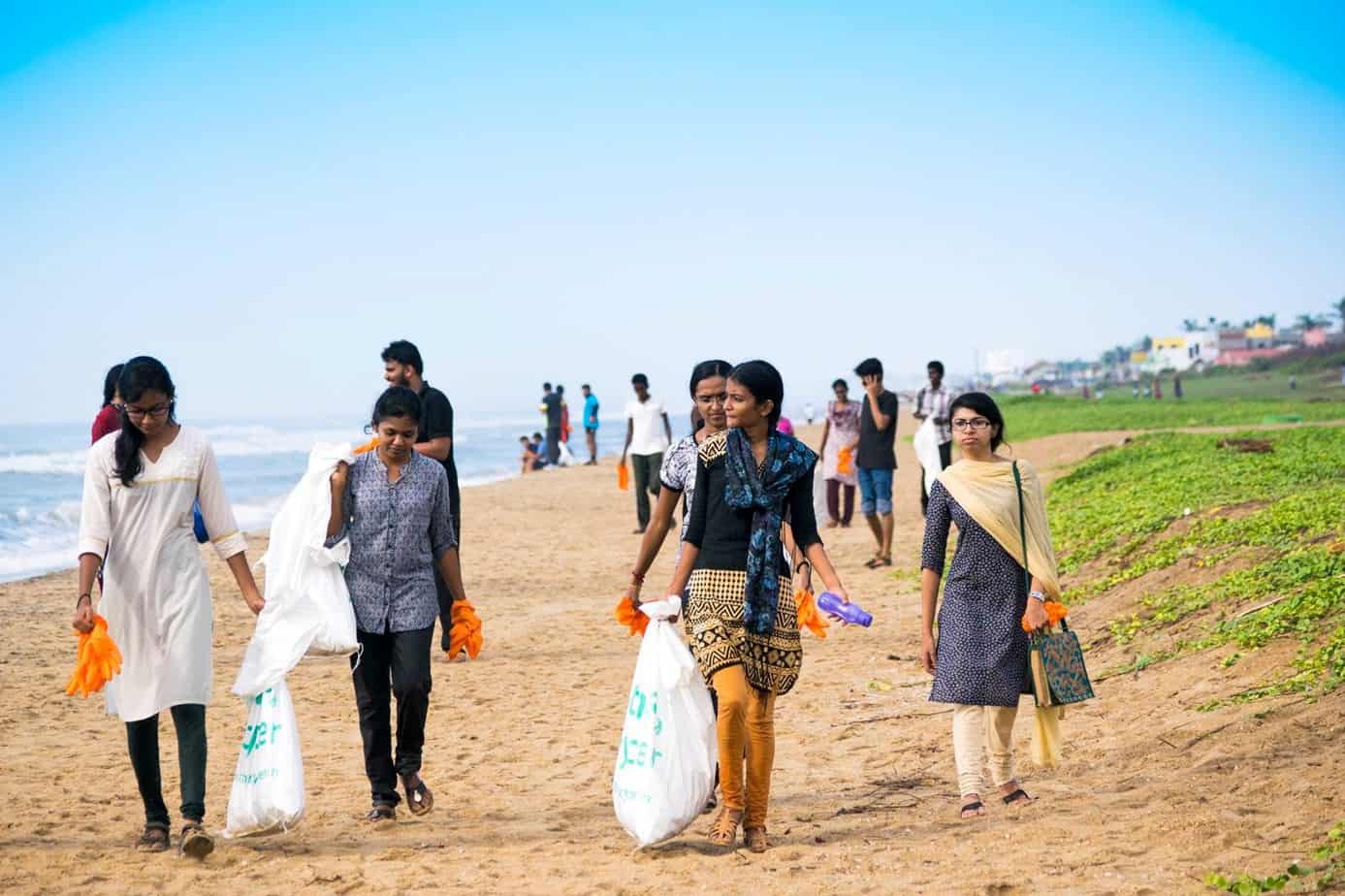
@Akkarai Beach. Pic: Logesh Raja
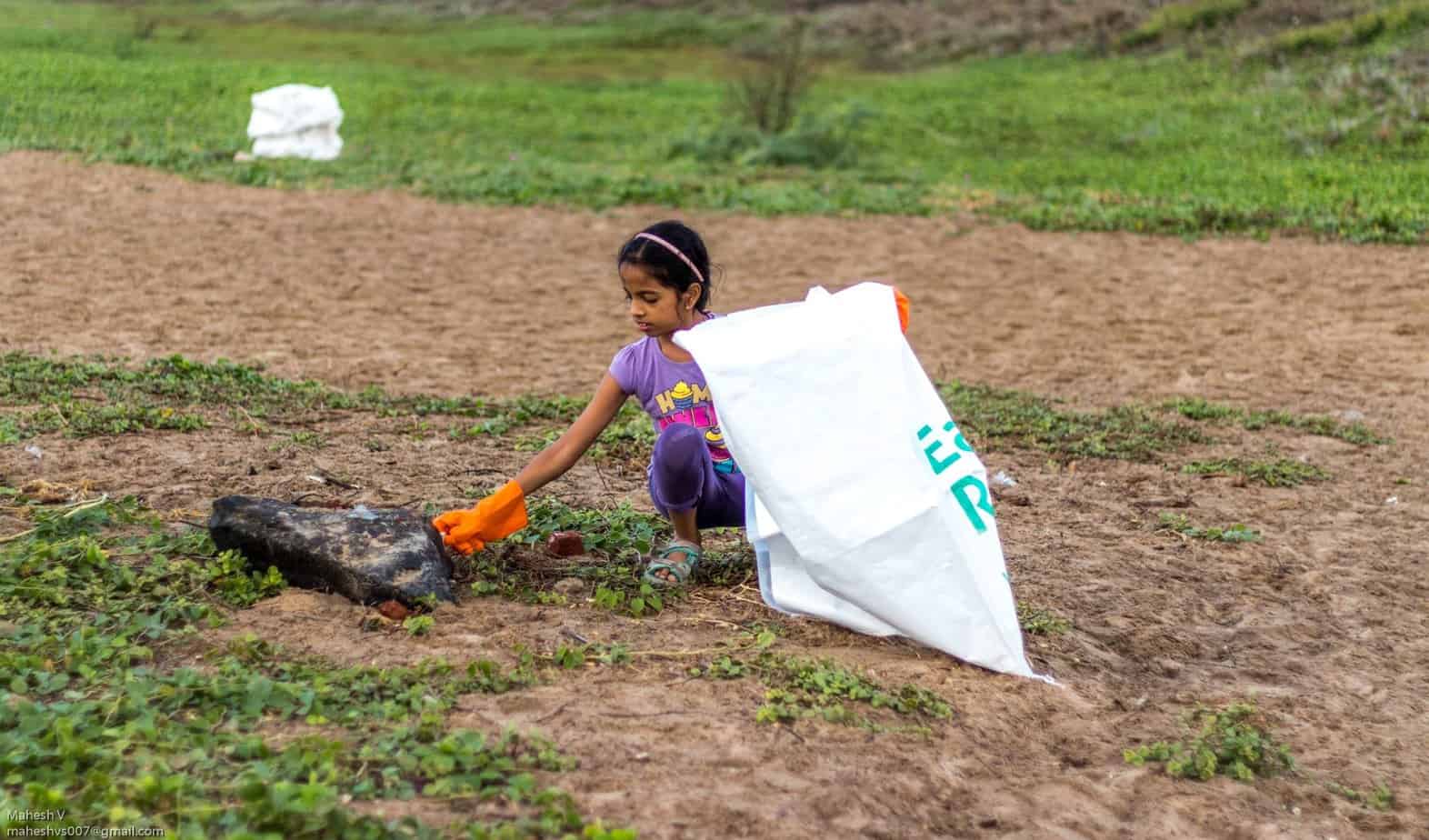
@Akkarai Beach. Pic: Mahesh Venk
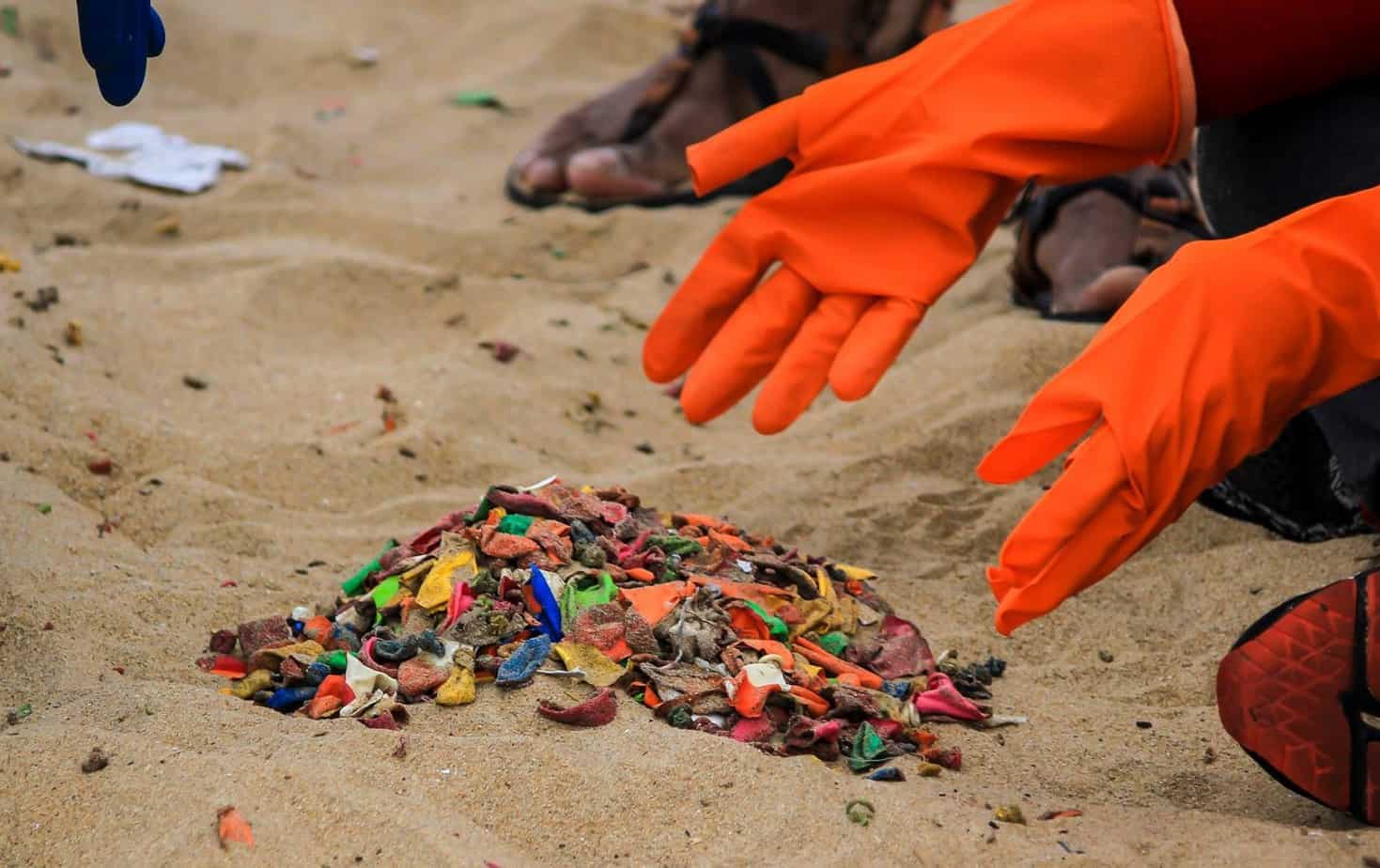
@Besant Nagar. Pic: Hariharan Amir
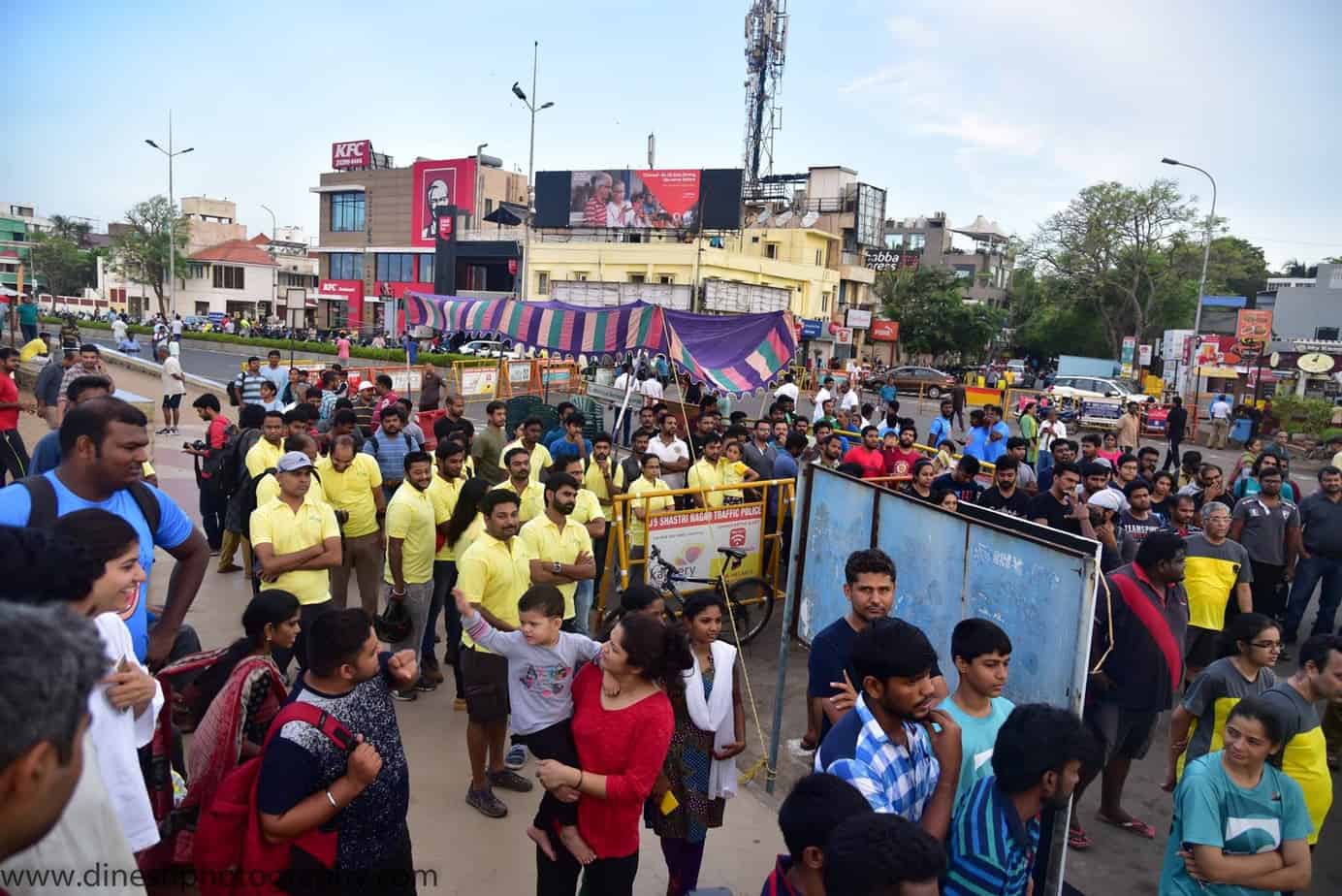
@Besant Nagar. Pic: Dinesh K Ravi
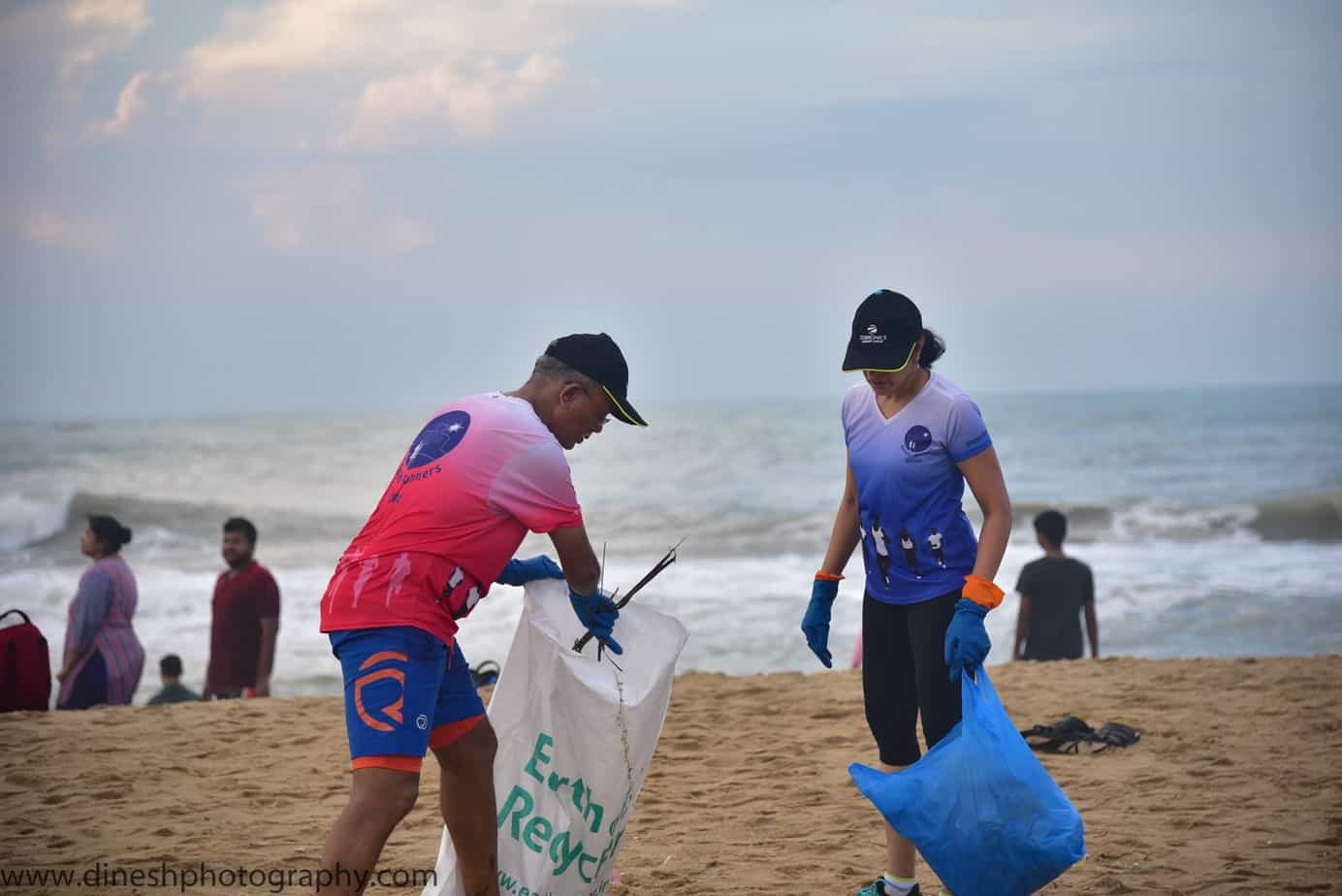
@Besant Nagar. Pic: Dinesh K Ravi
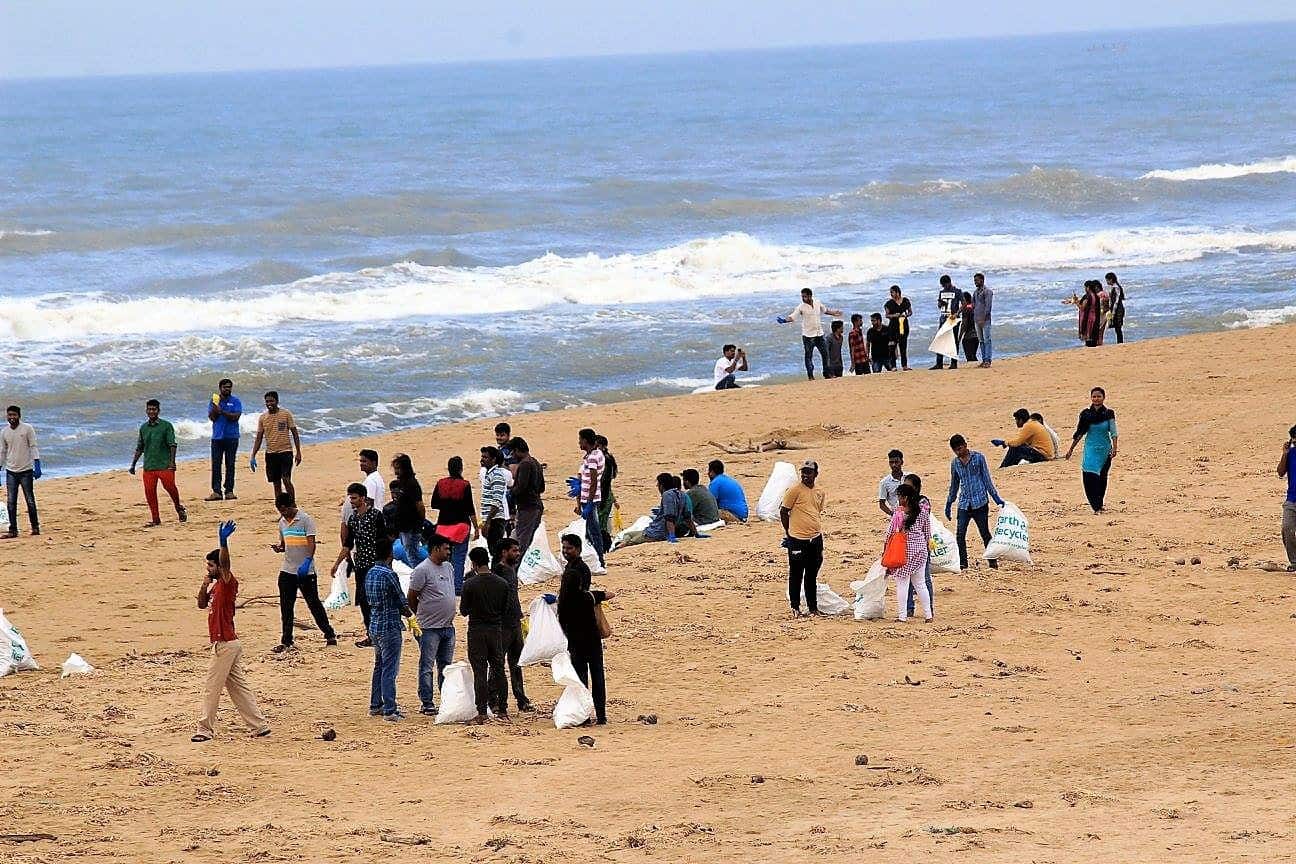
@Foreshore Estate. Pic: Immortal Moment Click (on Facebook)
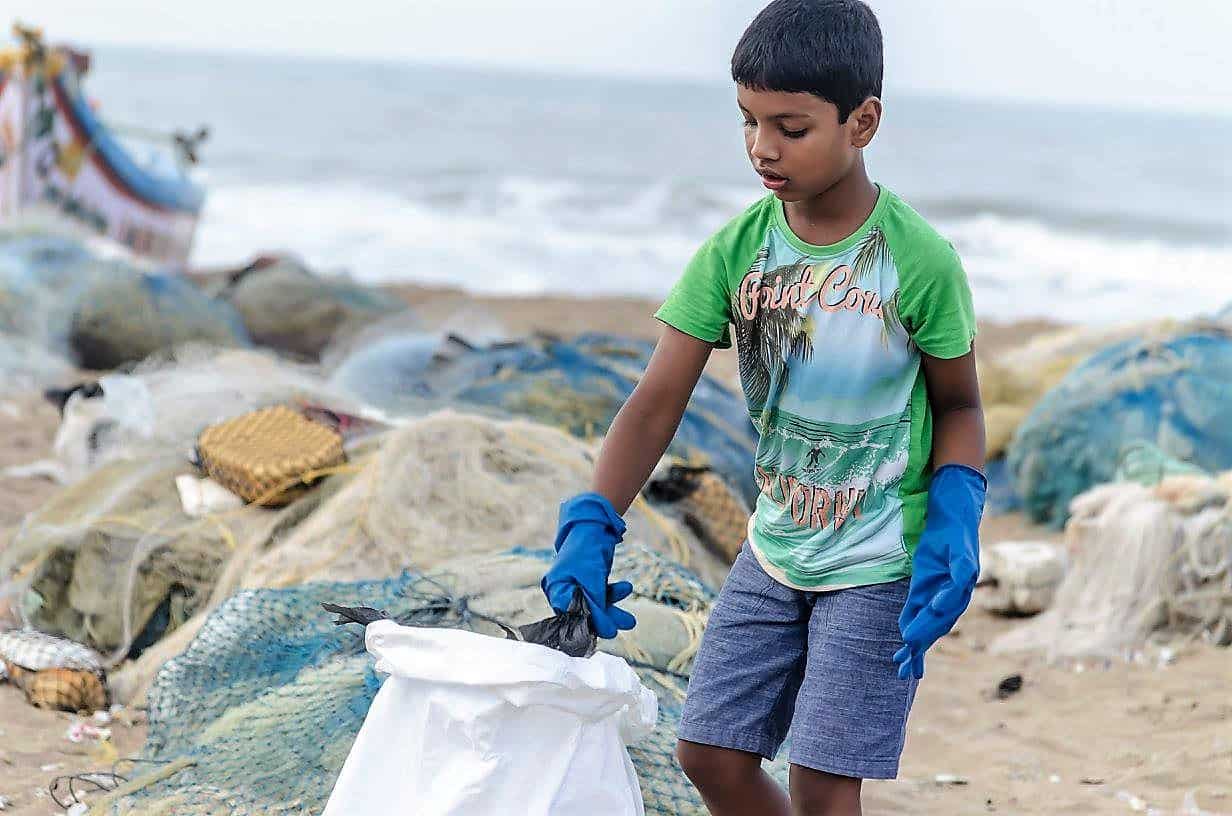
@Lighthouse. Pic: Sandeep Errabelly
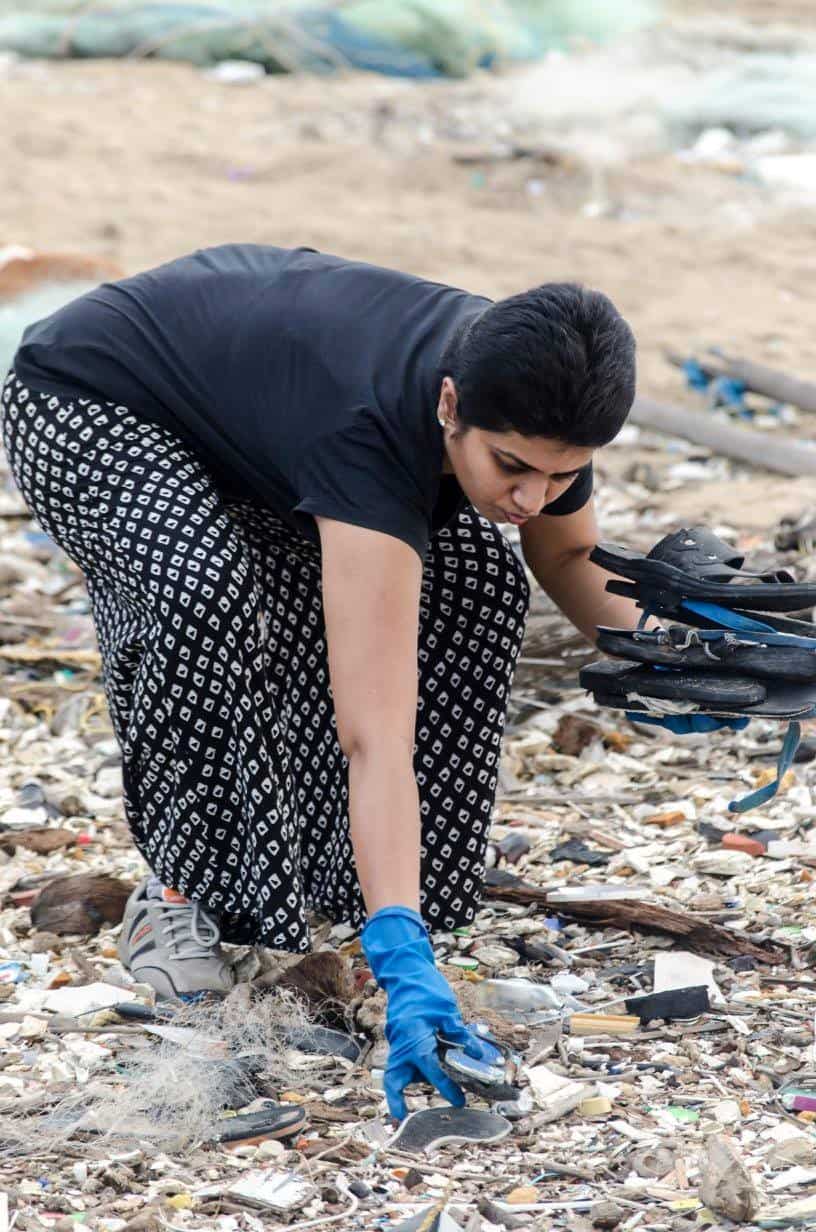
@Lighthouse. Pic: Sandeep Errabelly
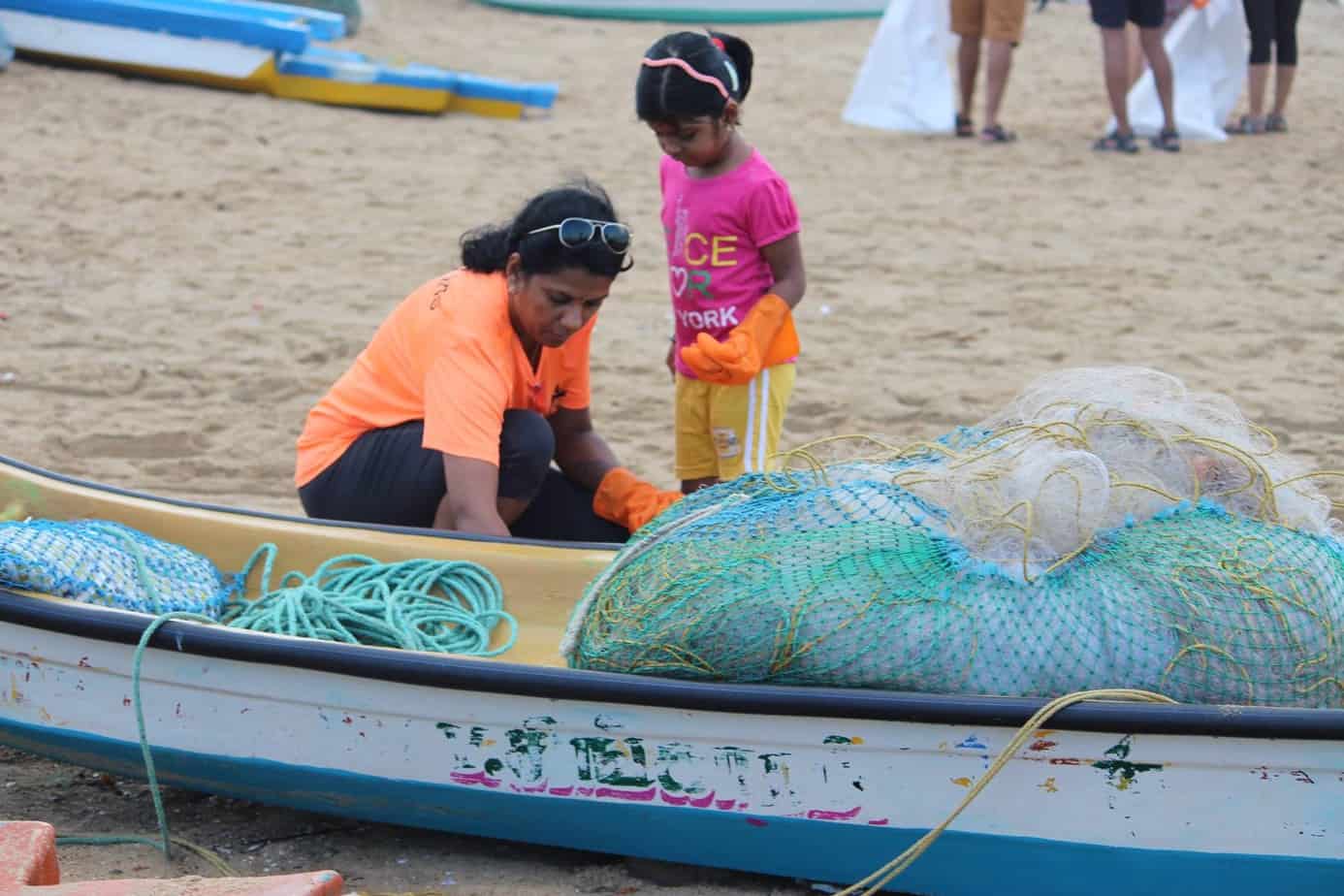
@Pallavakkam Beach. Pic: Be Calm Studios (on Facebook)
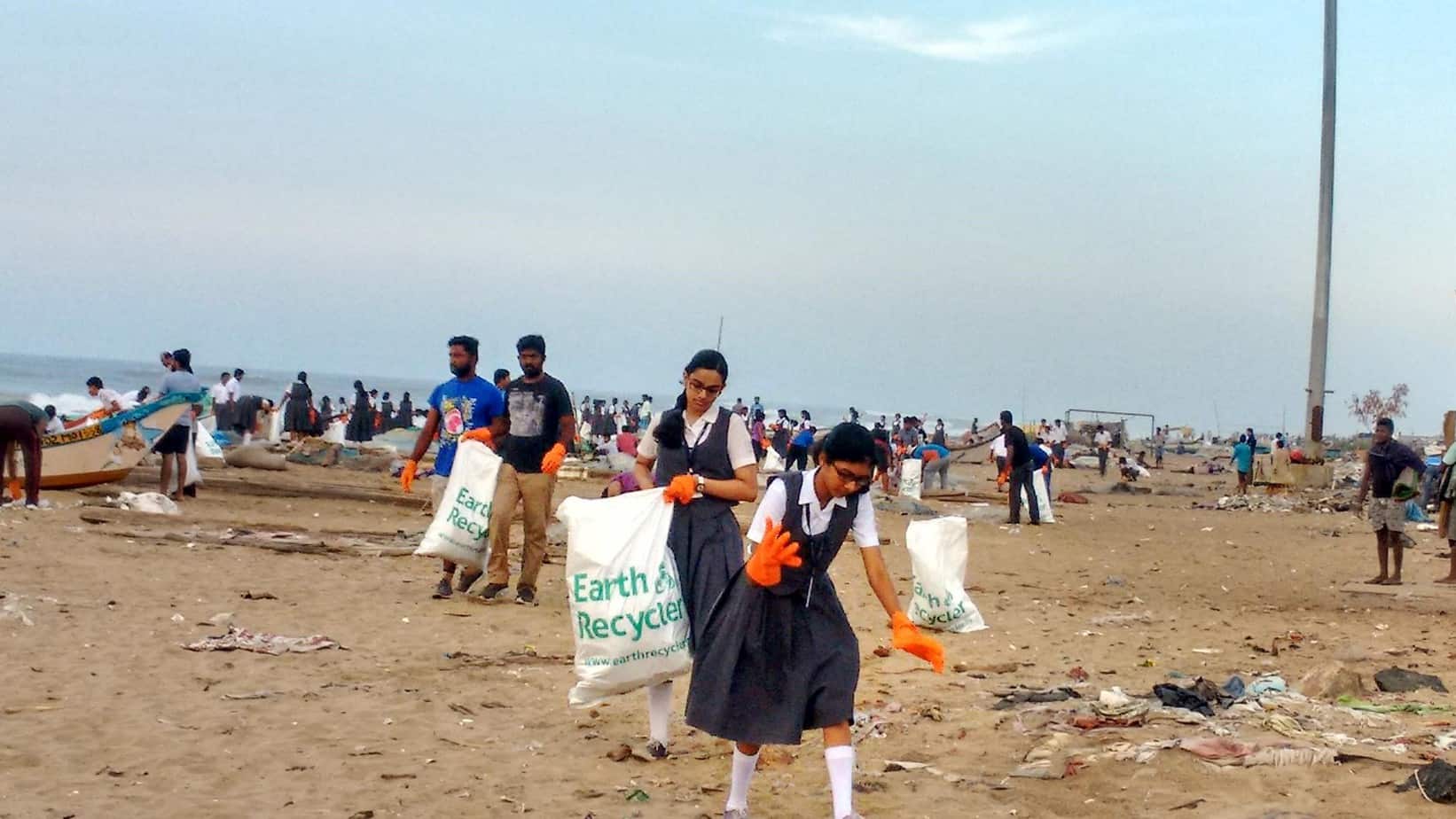
@Santhome Beach. Pic: Indira Thiruvengadam
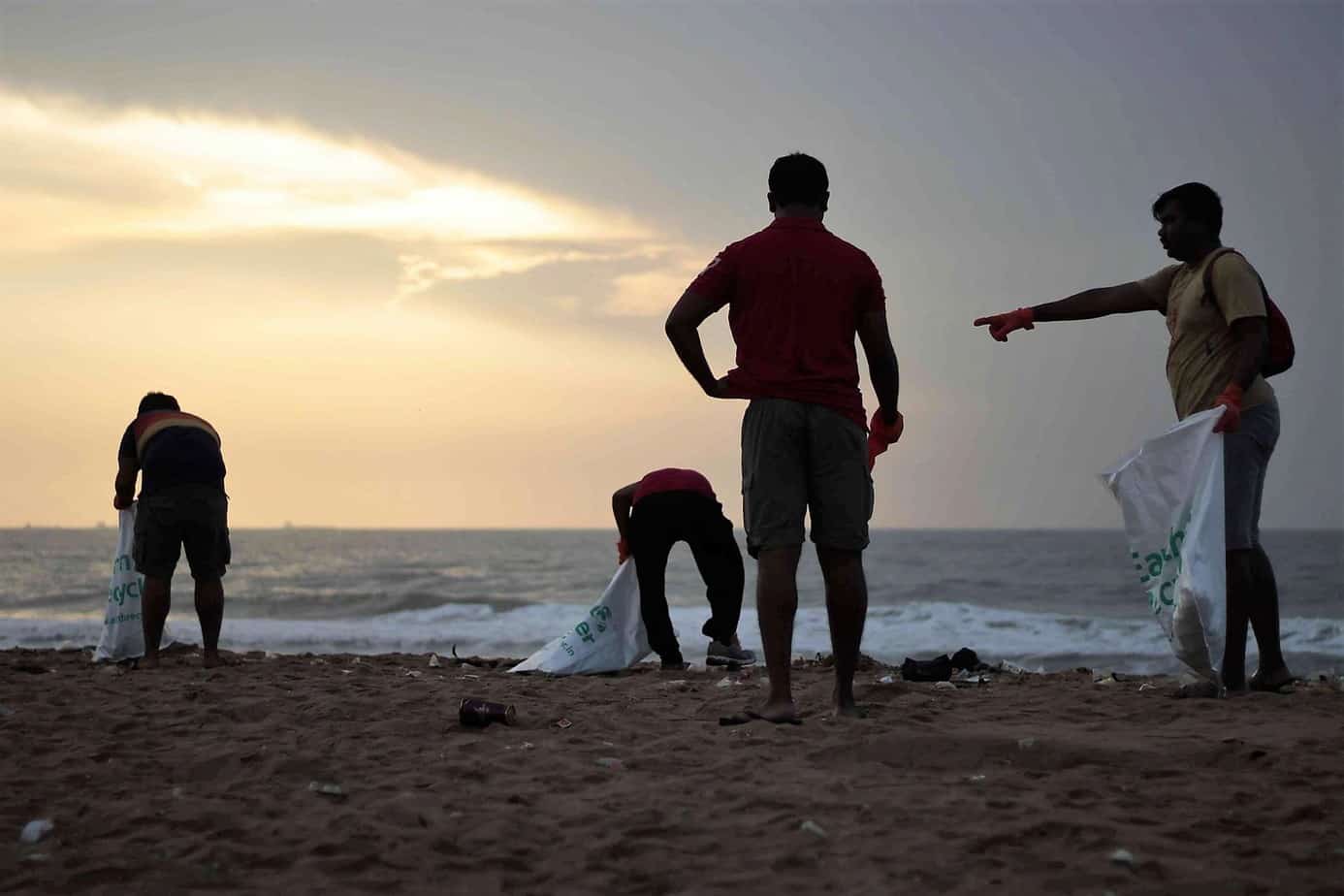
@Santhome Beach, Mylapore. Pic: Harish Karthik


Leave a Reply

Your email address will not be published. Required fields are marked *

Similar Story

Inside Chennai’s AQI: Why hyperlocal monitoring of air quality is crucial

Official data masks Chennai's toxic air. Citizen Matters travelled with the IITM team to map variations in air quality. Watch the video to know more.

Across cities, official Air Quality Index (AQI) readings often overlook local hotspots. Chennai has eight Continuous Ambient Air Quality Monitoring Stations (CAAQMS) that function 24/7 throughout the year. But this isn’t enough to map particulate matter. Air changes every few metres, as researchers from the Indian Institute of Technology-Madras tell us. Seasonal variation, construction, vehicular movement, and proximity to industries also change the air we breathe, In 2022, over 17 lakh people died in India due to air pollution (PM 2.5), according to a Lancet study. With better hyper-local air data and public awareness, citizens and policymakers can target pollution…

Similar Story

Mumbaikars are fighting for their mangroves. Here’s how you can join them

Mumbai is about to face a monumental loss—its mangroves are being cut to build the coastal road. Citizens, however, have not given up the fight to save them.

​“What happens when we remove this natural infrastructure of the city? What happens if it floods? What happens if the air quality (index) goes really high?” asks Pooja Domadia, a member of the Save Mumbai Mangroves campaign. These are questions that many Mumbaikars have as work begins on the Versova-Bhayandar Coastal Road, which is set to affect 45,000 mangrove trees. In March this year, the Supreme Court dismissed a petition challenging the Bombay High Court order to greenlight the cutting of mangroves for the project. Is the SC decision a fatal blow to the movement? The BMC has already begun…