Nature should mean freedom…

Deepa Mohan has a poem to celebrate nature and ponder over the contradictions that we live with!

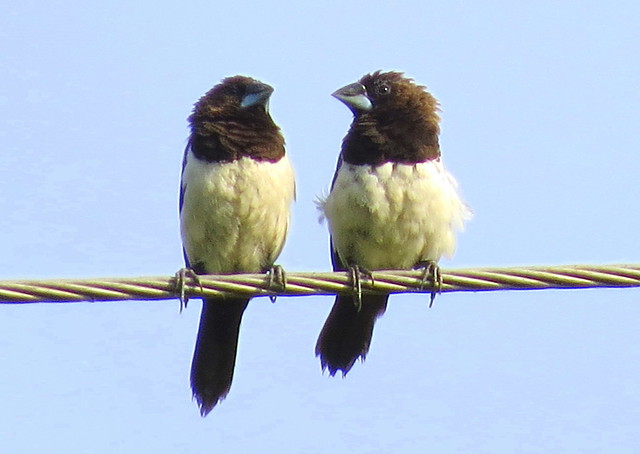
Do they not look delightful

Perched upon the wire,

Chatting together

Against the sky?
IMG_1260

When I see the same birds

Through the twisted wire

Of bird-cages, penned up…

I ask..why?

birdcage 090215 (Picture of Munias in a bird cage from the FB page of Gopakumar Namboothiri, with his permission)

Why can we not just admire?
IMG_1269

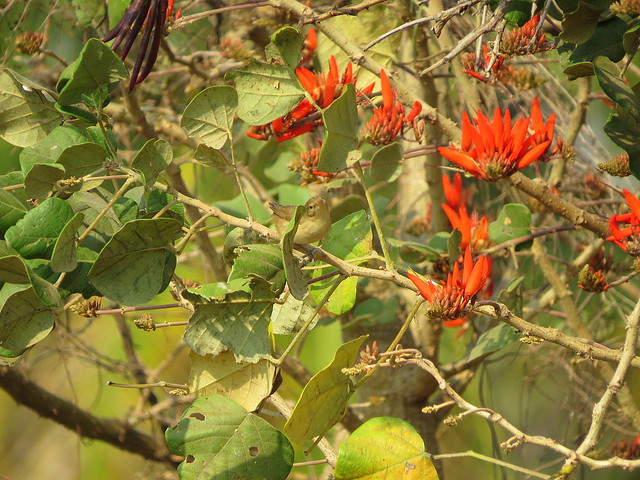
The flower set upon the bush

Or smiling from its tree?
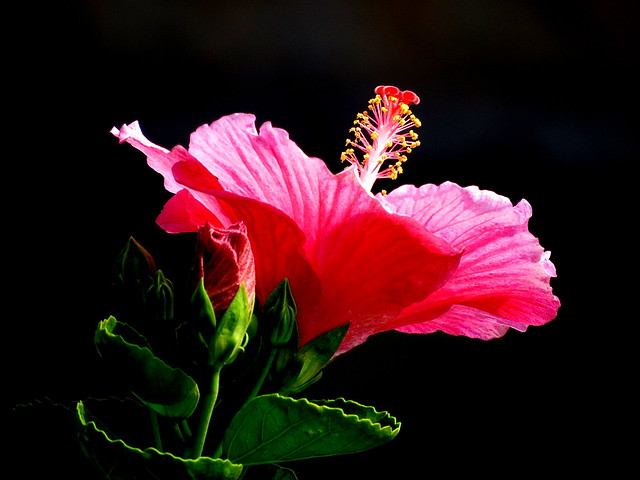
IMG_5935

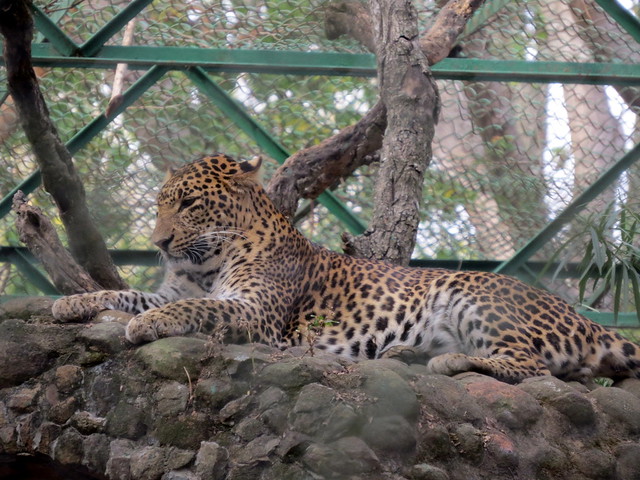
Why do we need to cage and tie down beings

That look so much better, when they are free?
IMG_9683

The first photo was taken on Bannerghatta Road, near the Police Station; the second in a house nearby, where I persuaded the people to set the birds free (these birds can survive in the wild, not all species can, especially Budgerigars, which have been bred in captivity.)

The third photo is of Erythrina indica or the Coral Flower, taken in Banashankari; I wanted to contrast it with the flowers, like the Hibiscus (taken at Kaikondrahalli Lake) that we pluck from the trees for our use. The caged leopard was clicked in Bannerghatta Zoo.

Related Articles

Sometimes Harvestmen are not farmers
Walk in Arekere Reserve Forest: Look around, look down!
Umbrella Fishing by Painted Storks!

Leave a Reply

Your email address will not be published. Required fields are marked *

Similar Story

Why concrete lakes are pushing away Bengaluru’s waterbirds

As natural shorelines vanish and extensive restoration destroys habitats, city lakes see a sharp decline in special wetland bird species.

Since Bengaluru’s lakes were formed by damming water flowing down valleys, they are typically wedge-shaped, with a gentle slope and a deep basin towards the embankment. This promotes the growth of diverse vegetation and animals, each adapted to a particular water depth. The result is a natural zonation – reedbeds and shoreline vegetation at the edges, floating and submerged vegetation in the middle, and open water at the deepest end. During the Open City biodiversity datajam held in December 2025, our group examined the ecological trends around Bengaluru’s lakes. In an earlier article, we examined how migrant and resident waterbirds…

Similar Story

Can cool roofs beat Chennai’s heatwaves? A look inside the state’s Green Schools push

Amid heatwaves, the cool roof initiative is being implemented across Chennai schools. But experts warn that it cannot be the single solution for urban heat.

Over the past few years, maths teacher Usha found her classroom sweltering during her usual 12.50–1.50 pm period, on the second floor of Perunthalaivar Kamarajar Government Girls Higher Secondary School. “It was so difficult to take class during the peak hours,” she says. But this year, she mentions that it feels slightly bearable, and attributes this to the shade of the trees, the wind blowing through the building, and the latest addition — solar-reflective paint on the roof. Data from a state government and UNEP Cooling pilot project at the Ambattur school shows that reflective coating brought the classroom’s internal…