In a bid to increase the green cover in Chennai, the Greater Chennai Corporation started setting up Miyawaki forests in different parts of the city in 2020. It has been three years since these green spaces cropped up.
As per the last Annual Forest Report in 2021, Chennai has 7.24% of forest cover out of its total geographical area. The report also notes that the forest cover has increased by 26% from 2011 to 2021 in Chennai.
What is a Miyawaki forest? It is a Japanese method of creating a forest by planting native trees close to each other to give rise to a dense forest. The trees are supposed to grow 10 times faster and 30 times denser than the traditional forests. They grow in two to three years and are self-sustaining.
One of the factors that increased the green cover in Chennai is the Miyawaki initiative by GCC.
However, a few years into this effort, questions are being raised about the sustainability of Miyawaki forests and their maintenance.
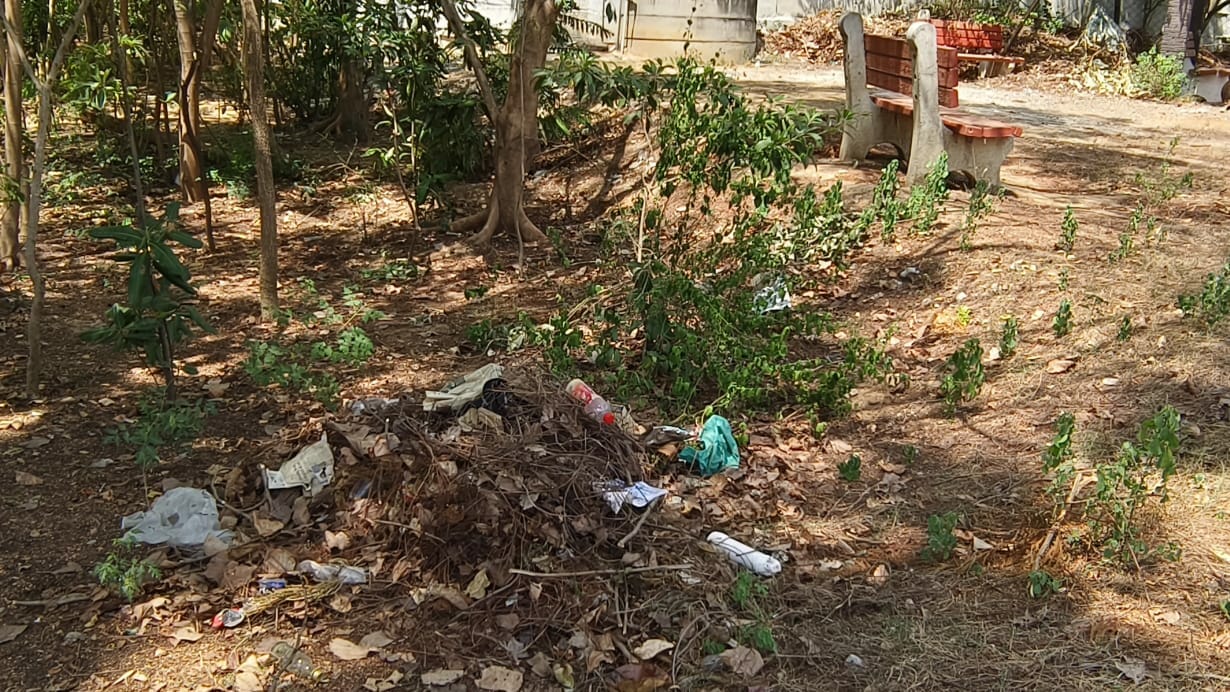
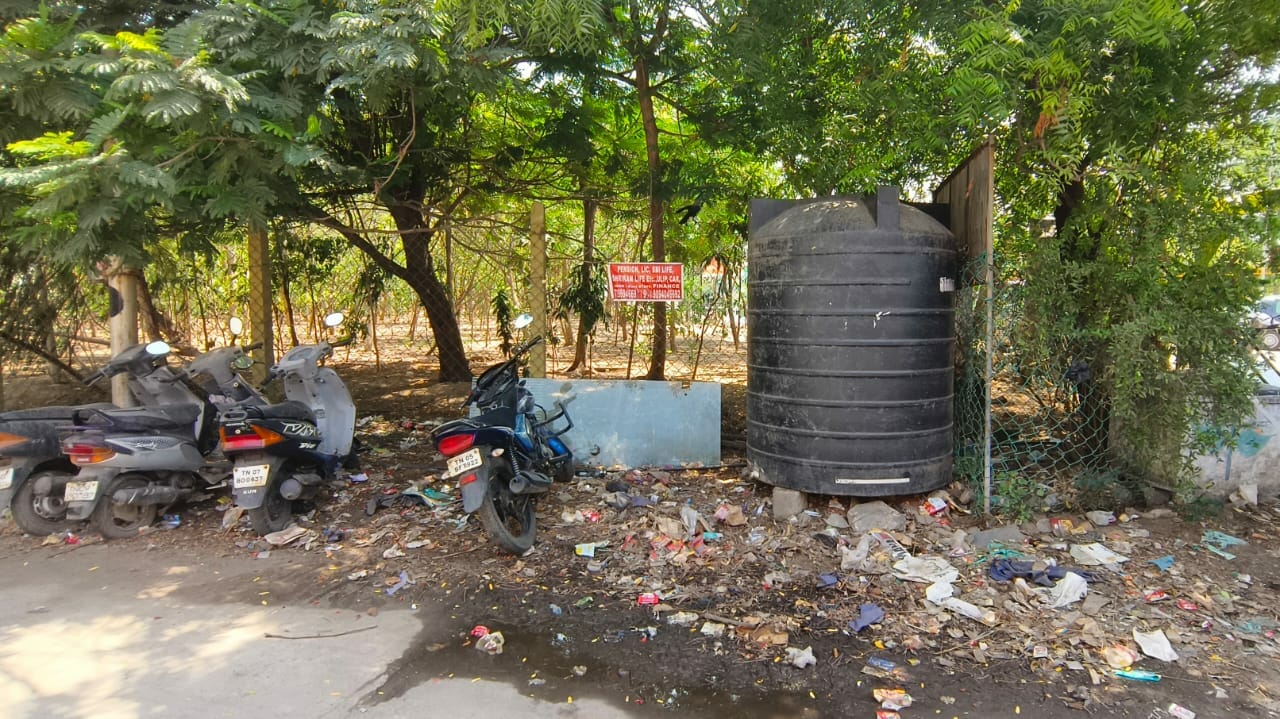
Some Miyawaki forests were set up in garbage dumping grounds in Chennai. But today, they have become garbage dumping spots themselves.
Read more: Creating mini Miyawaki forests in the city: A step-by-step guide
Checking on Miyawaki forests in Chennai
Around 64,000 trees have been planted as part of Miyawaki forests in Chennai, according to official data, as of 2022. It costs around Rs. 300 to plant and maintain a tree for two years.
So, around Rs. 1.92 crores have been spent to create and maintain the Miyawaki forests in Chennai. Currently, there are 18 Miyawaki forests, as per the data and 17 more forests are on the cards.
A GCC official confirmed that no maintenance is being done in Miyawaki at the moment, including the watering of plants.
Citizen Matters visited some Miyawaki forests for a spot-check on their condition.
Canal Bank Road, Gandhi Nagar, Kotturpuram
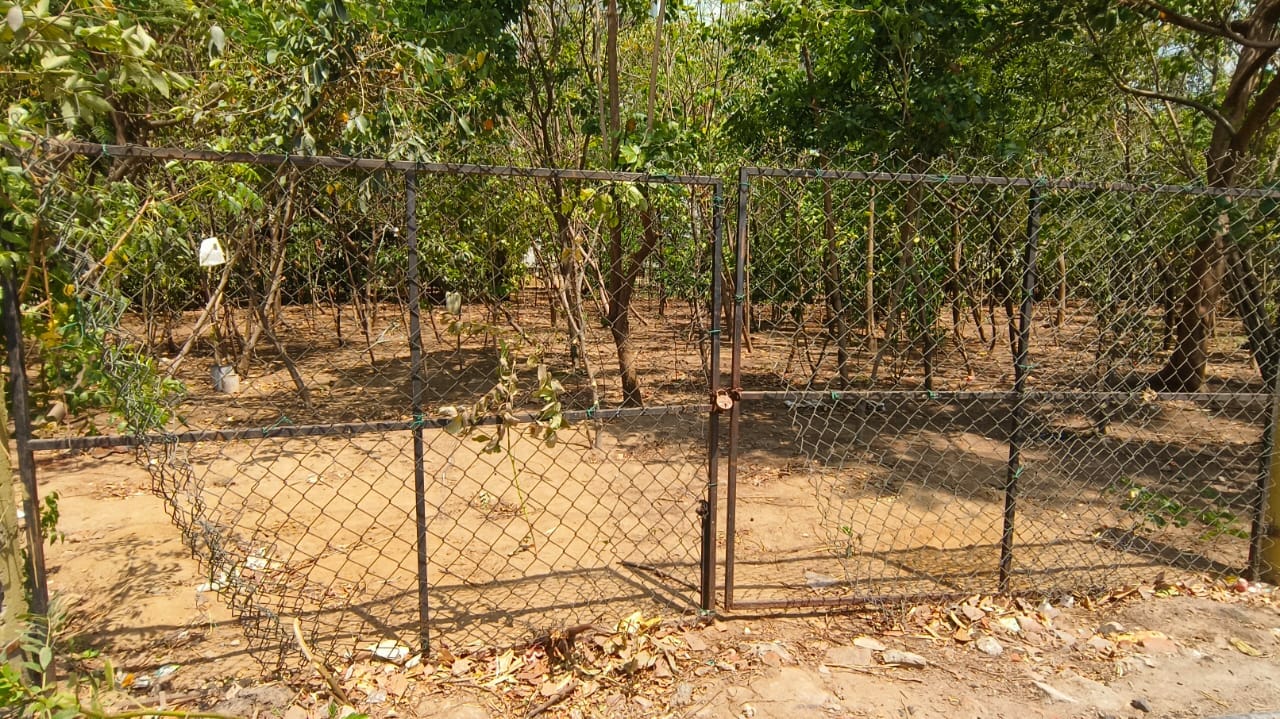
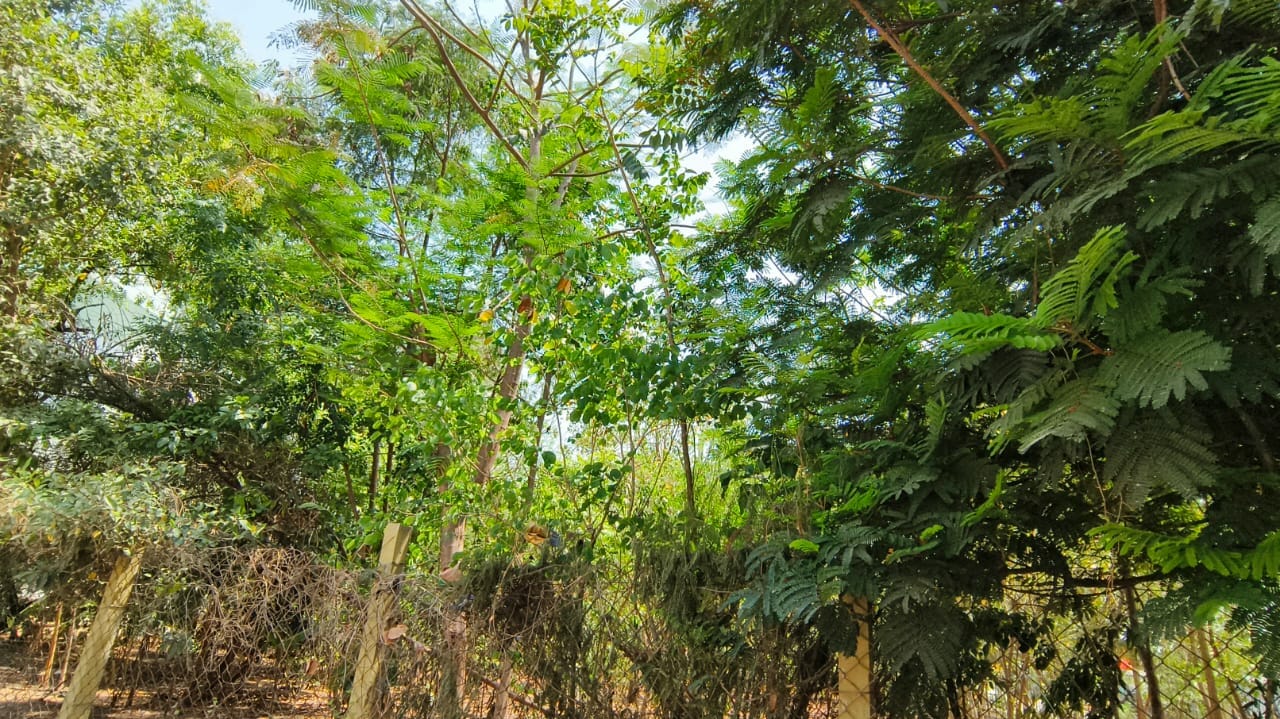
This was the first Miyawaki forest created in Chennai, near the Kotturpuram MRTS.
Near Kasturba Nagar MRTS
This forest is along the Buckingham Canal, adjacent to the Independence Day Park. Tamil Matrimony will soon take up the operations and maintenance of this Miyawaki along with the park.
Currently, all the Miyawaki forests are being maintained solely by the civic body.
Workers inside the park alleged the presence of snakes in the park, and they closed it for public use when we visited.
Also, garbage dumping is not the only issue in the forest. At night, people have been found scaling the compound wall and indulging in illegal public intoxication in the forest. Women workers find it unsafe to venture into the forest without company, even for cleaning.
Apart from that, when we visited, the toilets inside the forest were not functional. There was no water supply and the wash basin tap was broken.
“With respect to the washroom, we have highlighted to GCC to get the water and fixtures issue sorted immediately,” informs Lawrance Stephen, the head of Facilities and Administration, when we asked about the involvement of Tamil Matrimony with the forest.
Read more: Shenoy Nagar residents fight to save Thiru Vi Ka Park
Shenoy Nagar Miyawaki forest
The Chennai Metro Rail Limited (CMRL) felled around 221 trees from the Thiru vi ka park to construct the Shenoy Nagar Metro station. To compensate for the tree cover lost, CMRL planted trees using the Miyawaki method in four corners of the park.
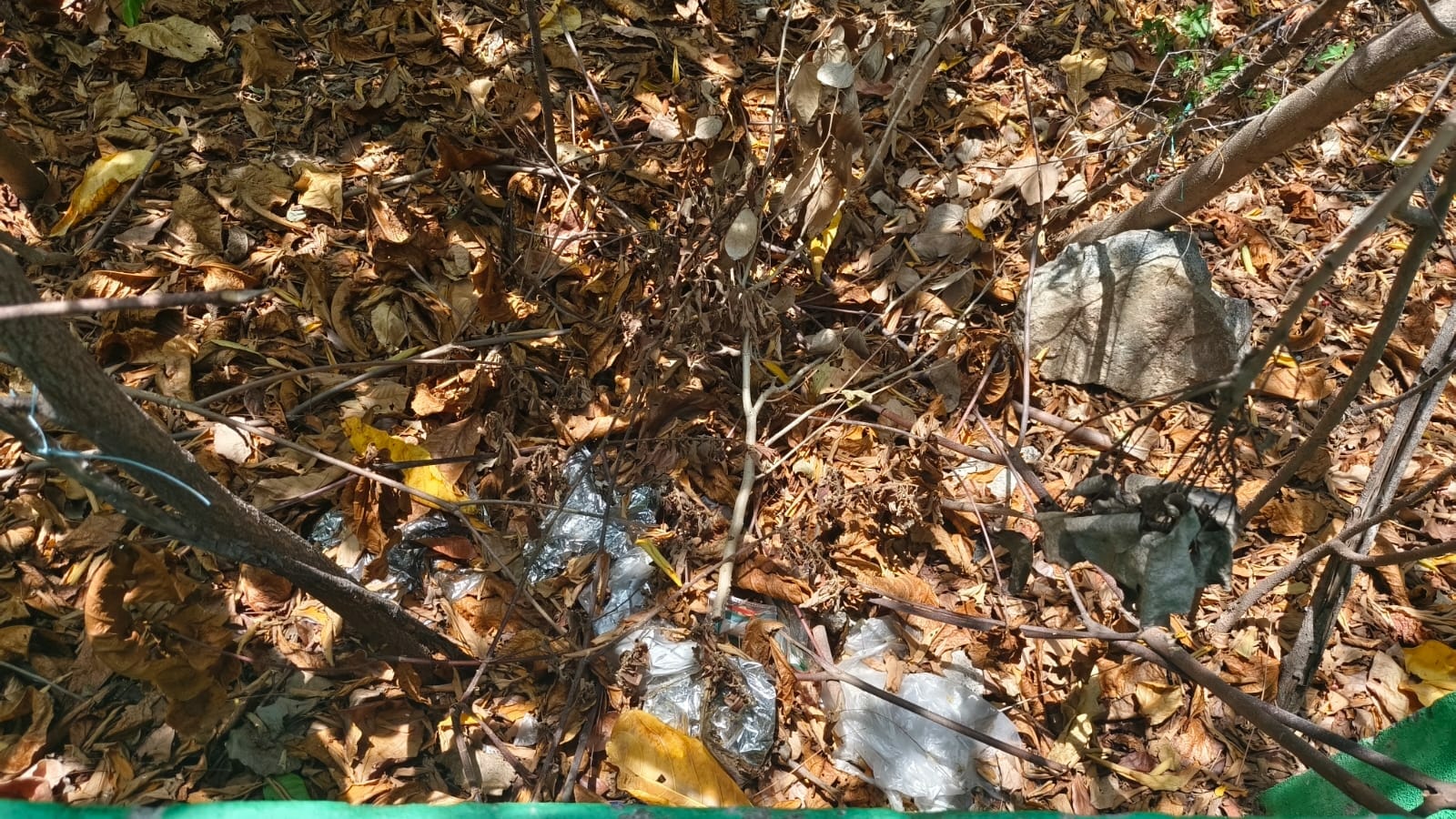
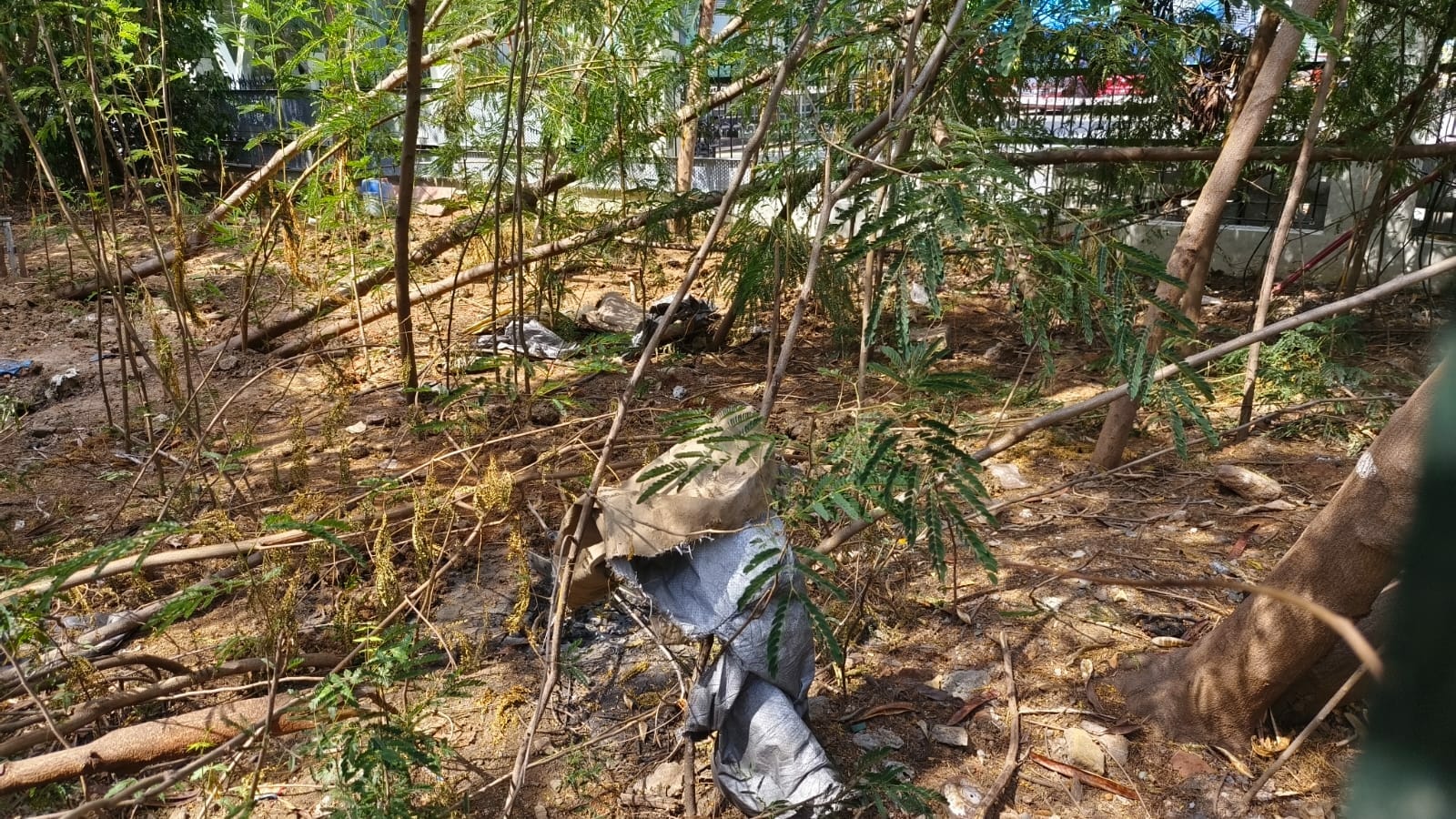
However, garbage, clothes and liquor bottles litter these patches of the forest which are strewn with dried branches.
Greening solutions for Chennai
Some environmentalists contend that the Miyawaki method gives rise to tree abuse.
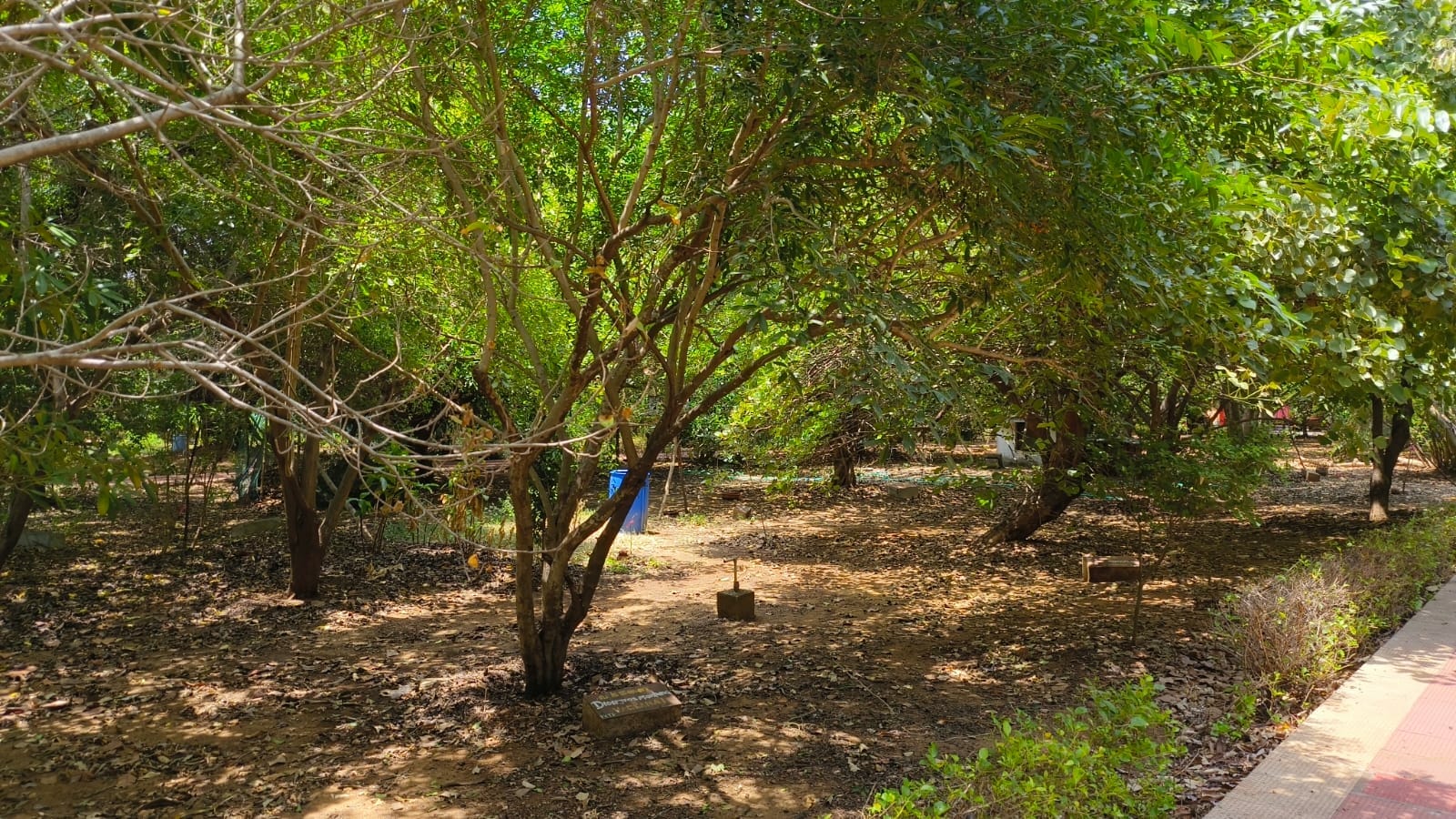
“When you plant trees so close to each other, you are not giving them space to spread out and get to a healthy profile. The trunks of the trees are not supposed to be this thin,” says TD Babu, a member of the District Green Committee and trustee of Nizhal, an NGO working towards protecting the tree cover in the city.
Babu suggests that the civic body must consider spacing out the trees in Miyawaki forests by removing the weaker ones to let the stronger ones become healthier.
He compares the Kotturpuram Urban Forest with Miyawakis. “This [Miyawaki] will not help mitigate the impact of climate change or sustain biodiversity. You need a greater area for better carbon sequestration,” he says.
In fact, GCC junked the Miyawaki plan last year for the same reason.
But this year, the civic body has green-flagged a Miyawaki forest in Ambattur. Furthermore, the lake redevelopment plan by CMDA also includes the setting up of Miyawaki forests.
These issues with the Miyawaki forests have been brought to the attention of the officials of the civic body.
“We will allot conservancy workers on a rolling basis to clean and monitor the Miyawaki forests. We will also fix CCTV cameras for better monitoring of illegal activities. Apart from that, we will create a pathway made of perforated tiles for the public to go in and out of the park so that there is public monitoring of illicit activities,” informs the official.
Despite contentions from environmentalists, Miyawaki Forest is a public green infrastructure that is unlikely to be done away with. Given these circumstances, better monitoring and maintenance of these small, green pockets of Chennai is the need of the hour.
It’s really painful to read that how people misuse the great cause. Nice article which speaks on the escalation of the issues to the officials. Such a responsible article always Ms.Padmaja. Adorable!!
Well done. More such articles are needed to enhance awareness and responsive behaviour by all
it really matters, however I seen your article today, pls keep push to make more awareness about this forest and losing the future.
THANK YOU PADMAJA.