Lake Surprises

Our Puttenahalli lake never ceases to surprise and delight us. Usually it is a new bird that we spot in the water or flying around, doing a recce. The water level rising gives us another high. Trees shooting up, especially during the rainy season. A new flower, butterfly, dragonfly, an insect never seen before, a snake crossing the path…. the list goes on but this is about the Water Lily.  

We’d planted pink water lilies at various places in the lake late last year and watched with delight when they caught on and started flowering. Our ecstasy turned to agony when a Common Coot decided to build its nest right in the middle of the water lily! Sure enough, it killed the plant with its nest, the eggs hatching, the chicks going all over the leaves and the flowers. We could do nothing but watch the lily die, its end hastened with the onset of summer evaporating the water in just those very spots where we’d planted the lily. 
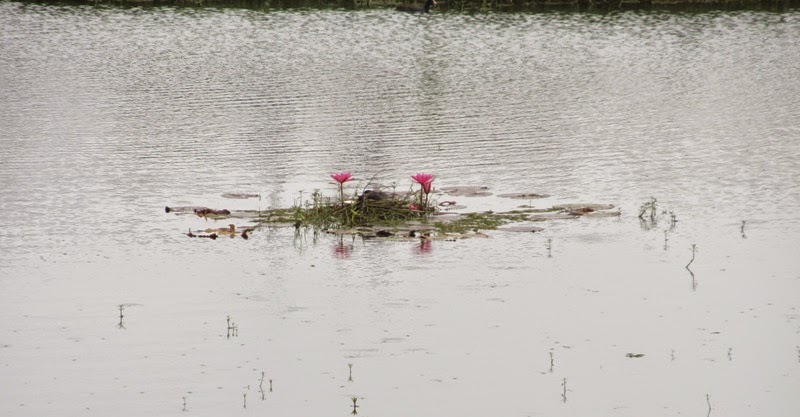
 
Oct 2013, Pink Water Lily (Pic: Usha Rajagopalan)
 
Monsoon began. The rains are still not as much as last year but the level has improved and two clusters of water lily sprouted near the viewing deck. Hmm.. We didn’t remember planting any there but perhaps we were wrong. We waited for the familiar pink flower. Today it bloomed and what do you know? The flower is not pink in colour but white!
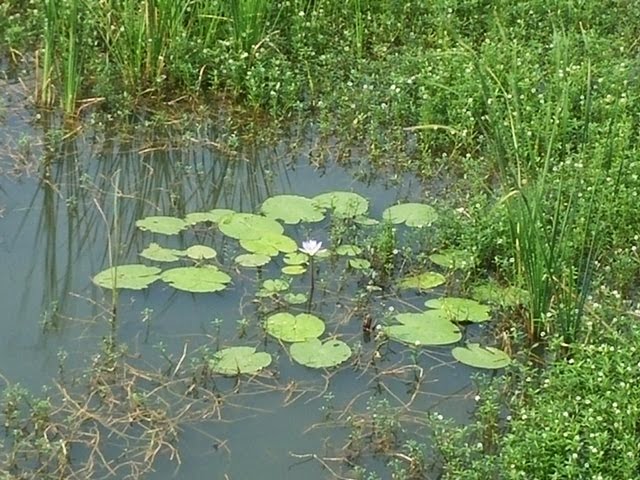
 
Aug 2014, White Water Lily (Pic: Nupur Jain)
 

Leave a Reply

Your email address will not be published. Required fields are marked *

Similar Story

The future of Bengaluru’s lakes: How to ensure effective community-led restoration

Clear bye-laws, neighbourhood participation and NGO accountability can save the city's ecological spaces.

Citizen lake groups have historically played an important role in protecting the city’s lakes. The erstwhile Bruhat Bengaluru Mahanagara Palike (BBMP) has a long history of engaging with citizen groups. Citizen-led lake groups have long played a crucial role in acting as “watchdogs” of Bangalore’s lakes. They are often the “first responders” to problems that emerge in water bodies. They have raised alarm bells around illegal encroachments and often help coordinate between agencies to monitor rejuvenation efforts. They foster community awareness on lakes and are often able to innovate new solutions. The most recent version is the Kere Mitra (Lake‑Friend)…

Similar Story

The city and its lakes: Decoding the decline of Bengaluru’s waterbirds

Analysis of 14 Bengaluru lakes shows migratory waterbirds are disappearing faster than residents due to poor urban lake management.

Lying at an altitude of 920 metres in the rain-shadow area of the Western Ghats, Bengaluru’s geography and climate do not support a perennial natural water source. Instead, a north-south ridge divides the city into three primary valleys: Hebbal, Koramangala-Challagatta, and Vrishabhavathi. Rainwater draining down these slopes feeds a network of small streams — forming a cascading lake system that the city historically relied on for its water supply. During the Open City biodiversity datajam held in December 2025, our group examined the ecological trends around Bengaluru's lakes. Data on insects, spiders and flora on platforms like iNaturalist were insufficient…