Kere Habba had an estimated 2000-3000 visitors on 10th January 2015 for the first in the series of Lake Day series sponsored by Namma Bengaluru Foundation. The focus was on conservation and appreciation of lakes as hubs of community interation, bio-diversity and healthy living.
This is an update on how transport, food, water and waste management was handled to make this a green event keeping with the theme of sustainability.
Food
Expecting more than 2000 visitors, the food team’s challenge was to cut down waste generated during the event while ensuring a variety of caterers serving tasty and healthy food.
- All food vendors were required to serve their food only in arecanut plates,leaf bowls, tissue paper or newspaper. Paper, plastic, styrofoam tableware were not allowed.
- There were five water stations with a single stainless steel glass. People could refill their own water bottle at these stations. Visitors were asked to carry their own water bottles beforehand.
- Juice and coffee was served in stainless steel glasses. A bucket of water with vinegar was used to rinse the glasses.
- Two washing units were available for hand washing. The waste water was drained into the garden plants.
- At the food areas, color coded bins were labeled manned to help people dispose off plates appropriately.
Over 2000 people enjoyed delicious, wholesome and lip-smacking food made organic and fresh ingredients. Small portion sizes and great tasting food meant that hardly any food was wasted! Stall vendors Bhoomi Network, Paradigm Shift,Lumiere,Swarg Foods,Tastebuds Bakery, Lluvia bakery proved that a green event does not compromise on taste. Many thanks to individuals from our community Mrs Hamsamani, Mr Das and Mr Dan Singh. Kids Rishab, Aprajita, Arushi and Arthi, your water melon juice was a big hit!
Waste management
Update from NGO Hasirudala on Waste generated at Kere Habba 2015:
- 1000 arecanut plates and 800 leaf bowls. These will be shredded at KCDC and sent for composting.
- Less than 2kgs of food leftovers was thrown in wet waste bin. This was sent to bio gas plant at KCDC
- Recyclables- 5Kgs sent for recycling at a Dry Waste Collection Centre
- Reject waste- 4kgs ONLY will be landfilled
Special thanks to NGO Hasirudala for handling all the waste in a responsible manner. An event of this magnitude typically generates lot of mixed waste which is landfilled. Due to your persistent effort on segregation this did not happen and waste was disposed off appropriately.. Hope to see many such clean and green fun filled events!!
– Update and photos courtesy Deepa Vijay.
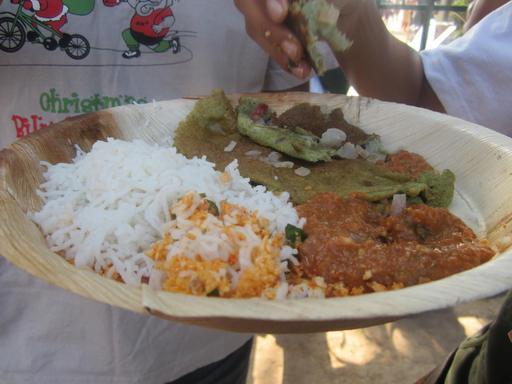
Arecanut plate
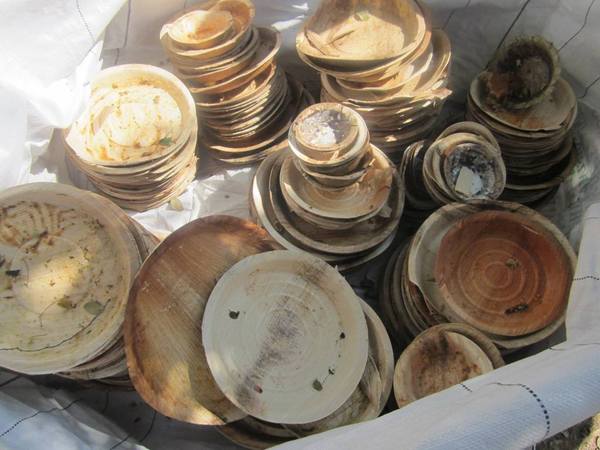
Shred ’em, compost ’em. But dont landfill ’em.
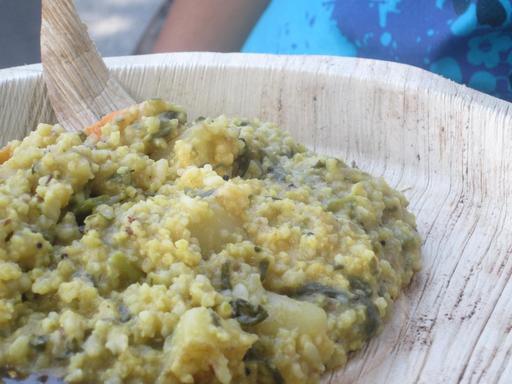
Tear off the corner of the plate to make a spoon!
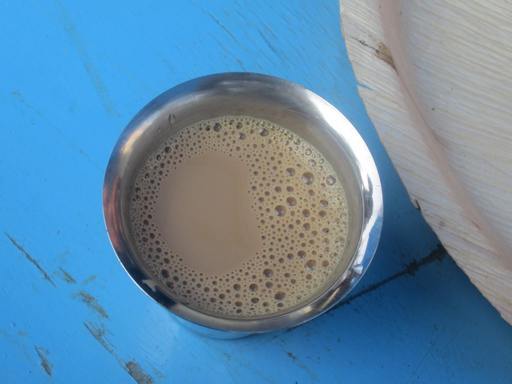
Good coffee tastes better in a steel cup.
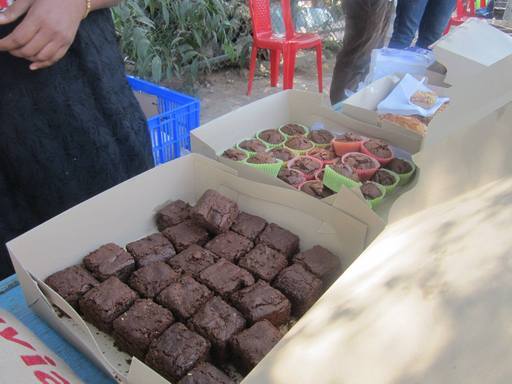
bakes and cakes.
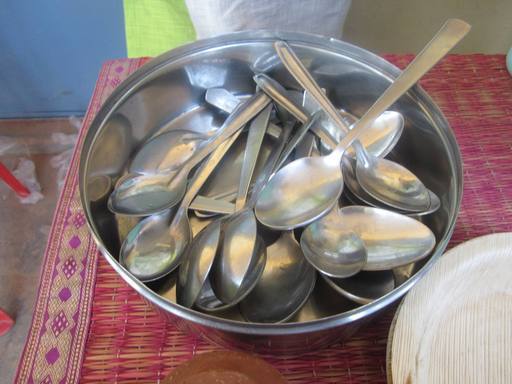
No plastic please. We are allergic to waste.
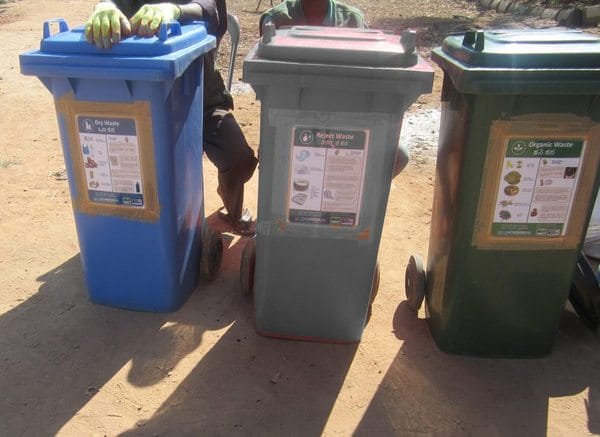
color coded trash cans
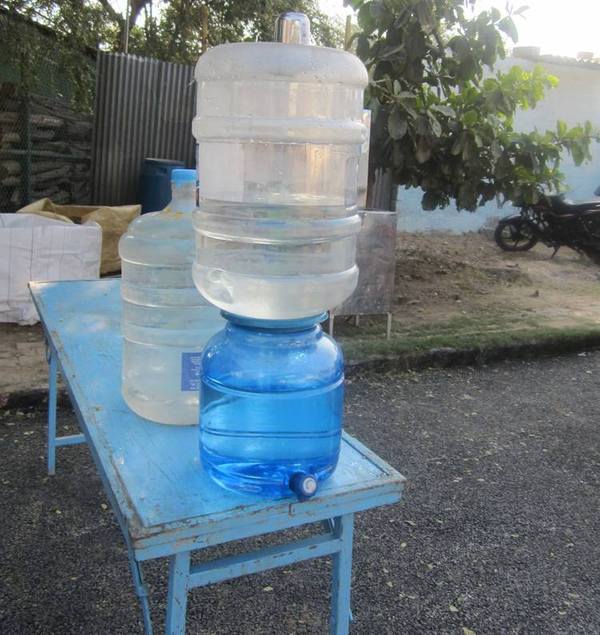
Drinking water dispensers.
Transport
A group of volunteers worked on making Kere Habba a green event. In addition to food, water and waste management, they also looked at transportation. Some things worked and some others need to improve upon for future events.
Walking/cycling
We wanted all folks within 1 km radius to walk to the event. A lot of pre-event notices about limited parking helped. We also wanted cyclists to feel our love for choosing a green mode of transportation. We made special stand for them and around 50 adults and children cycled to the event.
We had blocked the entrance lane and it seemed to prevent chaos at the gate. It helped our food stall visitors, and helped limit the parking near the gate for physically challenged besides cyclists.
Bus/Shuttle
We had asked people from longer distances to come by public transport and use shuttles. This facility saw almost no takers. The details of transport arrangements were not included in the kere habba initial announcements /posters. This was shared subsequently and hence missed wide circulation. This is an area where we need a lot of suggestions on successful methods who have seen elsewhere.
Approx 3500 people visited the lake without jamming the neighbourhood and traffic cops posted in numbers helped to keep the traffic flowing.
Credits
Since all of the action here was outside the kere, it needed support from a lot of people. Krishna Murthy from Ecospace was gracious enough to provide car parking space at RMZ parking lot on ORR. Wipro gave us 2 guards to help us manage parking in public space. They also funded our two shuttle buses. ORRCA gave us 12 traffic guards. And last but the most important, we appreciate the support of Bangalore Traffic Police esp Lokesh.
Some of the folks behind this initiate were Meera K, Nagesh, Sharoon and Malini. KP Singh and Lokesh (Wipro), we appreciate your early morning rounds of shuttle route.
– Update courtesy: Malini Parmar.