On Sunday, 16th August 2015, 7:00 a.m. onwards, MAPSAS is organising a bird walk at Kasavanahalli Lake, Harlur (off Sarjapur Main Road). To know where exactly Kasavanahalli Lake is located see here. You can get regular updates about the lake from its new Facebook page here.
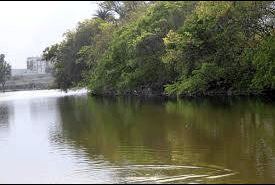
A view of Kasavanahalli Lake, as posted on its Facebook page
Sumanth Madhav, of the Gerry Martin Project, an avid and entertaining speaker will be conducting the walk. Open to all ages, but note that there will be a bit of walking to do. Young children are bound to enjoy it. Go prepared with comfortable shoes, water bottles and caps.
If you plan to attend, an RSVP would be appreciated for better planning. Please mail uttu2m@gmail.com confirming your participation.
MAPSAS (Mahadevpura Parisara Samrakshane Mattu Abhivrudhi Samiti, translated in English – Mahadevapura Environment Protection and Development Trust) is a community-oriented not-for-profit organisation registered under Karnataka Societies Registration Act, 1960. It was formed by citizens to take up ecological lake maintenance activities after rejuvenation of lakes in Mahadevpura constituency of Bangalore city. The members of the organisation have been engaged with the BBMP since 2008 to rejuvenate Kaikondarahalli Lake and Lower Ambalipura Lake in an environmentally sustainable, socially responsible manner. A few more lakes of the area, including Kasavanahalli Lake are now under MAPSAS’ care.
In an effort to get more people to come to all the lakes in the area MAPSAS is striving to do at least one event a month at one of the lakes. More if possible. This Kasavanahalli Lake Bird Walk is a start. All the events will have conservation as their focus but they will range from bird walks to story telling to drawing to treasure hunts to quizzes to anything imaginable that will peique your interest in lakes, environment and neighbourhood. For MAPSAS, Uttara Swaminathan, a very talented and motivated young lady in the MAPSAS community will be coordinating community events for the next 6 months.
For more information on MAPSAS, mail Priya Ramasubban <priya@150lakes.org>.