Invitation for the inauguration of the treated water pipeline from South City STP to Puttenahalli Lake

PNLIT is delighted to announce that a long cherished dream of seeing our neighbourhood Puttenahalli Lake brim with water will soon be a reality!

The Chairman, Karnataka State Pollution Control Board, Dr. Vaman Acharya will be formally inaugurating the pipeline to supply surplus treated water from the Sewage Treatment Plant of South City apartments (Arekere Mico Layout) to the Puttenahalli Lake tomorrow, Sunday 17th May at 10:00 a.m. 

After the pipeline was laid, a trial to check for any leakages was done earlier this month, and it seems that all is fine. We are truly grateful to the South City Management Committee and to the residents for helping us revive and replenish Puttenahalli Lake. On an average we can expect a discharge of 4 to 8 lakh litres of water every day. The treated water meets the parameters set by the KSPCB for urban reuse and will not harm the aquatic lives that the lake supports. 

Water chamber at STP                        Pipeline from STP
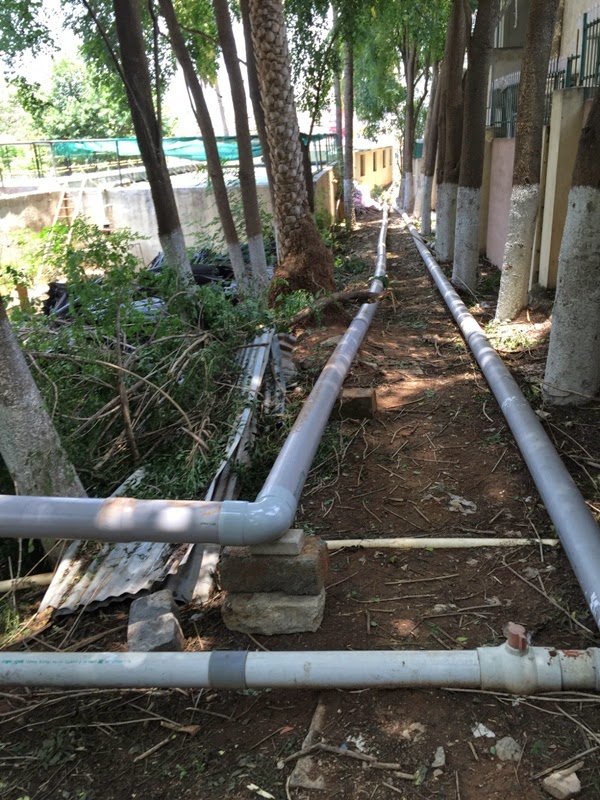
Left pipeline leads to the lake              Water falls into the silt trap
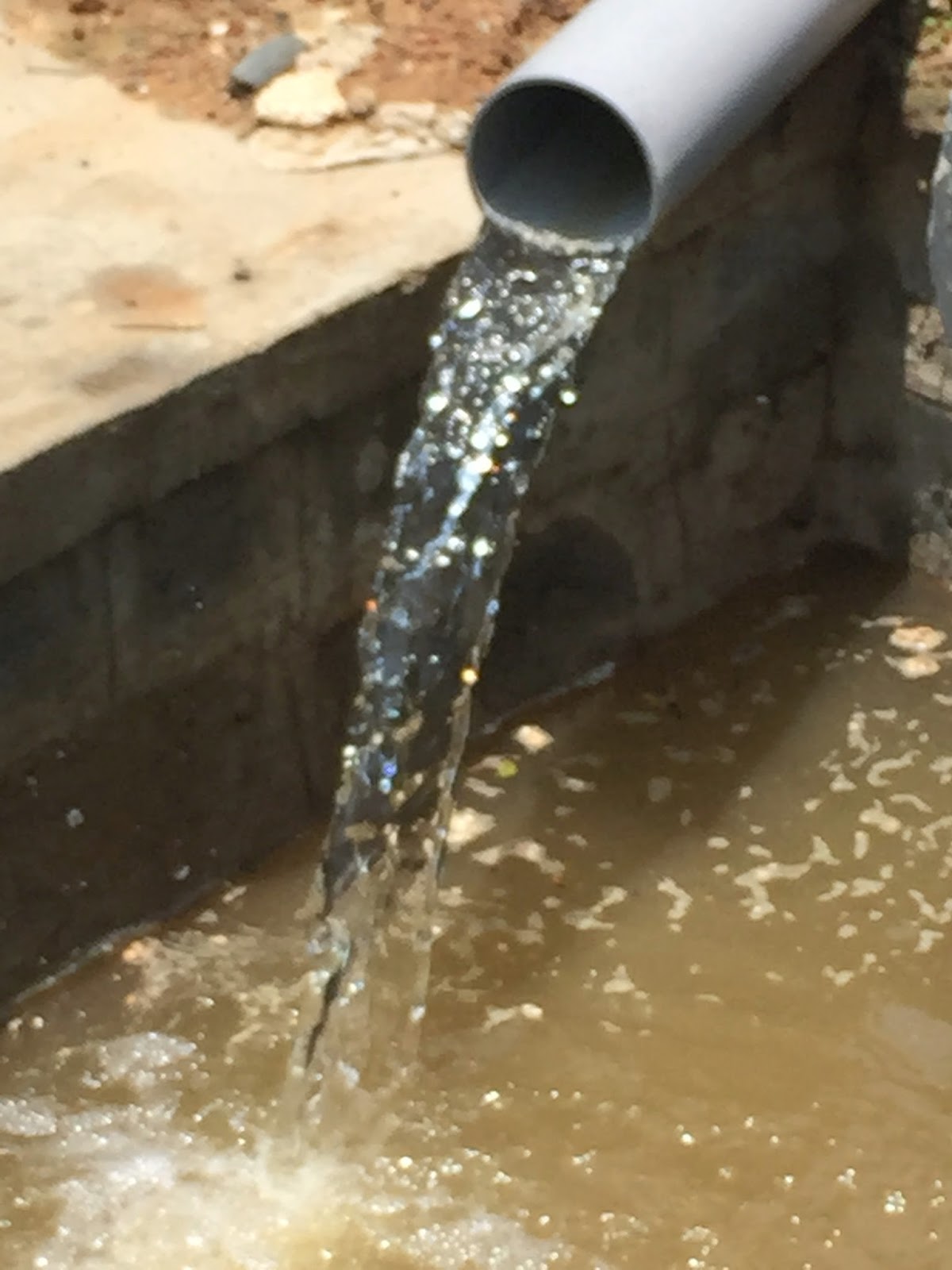
Water flows into the lake, Trial 3-May-2015

It is for the first time that treated water from an apartment complex will be used to fill a lake in the city. More about this project can be read about in an earlier post here

Please be a part of this milestone moment for PNLIT and the lake, by first joining us at the STP in South City at 9:45 a.m. tomorrow, and after this at the lake.

With hope in our hearts
The PNLIT Team

Leave a Reply

Your email address will not be published. Required fields are marked *

Similar Story

The wild in the city: What citizen scientists tell us about Bengaluru’s biodiversity

Spatial and temporal biodiversity patterns, as observed by citizen scientists in the city during 2016-2025, were studied at a datajam in December 2025.

Imagine you’re out on a morning walk, phone in hand, when you spot a butterfly you’ve never seen before. You snap a photo, log it into a citizen science app, and voila! You’ve just contributed to crucial biodiversity monitoring. This isn’t just a hobby; it’s part of a global movement where ordinary people collect, record, and sometimes analyse data about plants, animals, and ecosystems. Citizen science stretches the reach of ecological research. Every observation adds to unique longitudinal datasets that reveal phenology — periodic events in the life cycle of a species — along with species distribution shifts and population…

Similar Story

Air quality management is a governance problem, not just an environmental one

Despite massive funding, Indian cities face weak governance, poor data, and limited capacity, as air pollution continues to worsen.

Indian cities are struggling to breathe. Air pollution is a year-round governance challenge. In 2024, 35 of the 50 most polluted cities globally were in India, with PM2.5 concentrations above 66.4 μg/m3. This is at least 13 times the World Health Organization (WHO) guidelines and at least 1.6 times the National Ambient Air Quality Standards (NAAQS) in India. Citizens continue to bear the brunt of worsening air quality, and urban local governments (ULGs) are at the forefront of the problem, being primarily accountable for their citizens' first mile. While they do have a role to play in addressing this threat,…